How B Corp Fresh Prep is Using Simple Math to Create a More Sustainable Meal Kit
 This article is part of an editorial collaboration with BCorporation. The BCorp Series can be found here. The original publication can be found here.
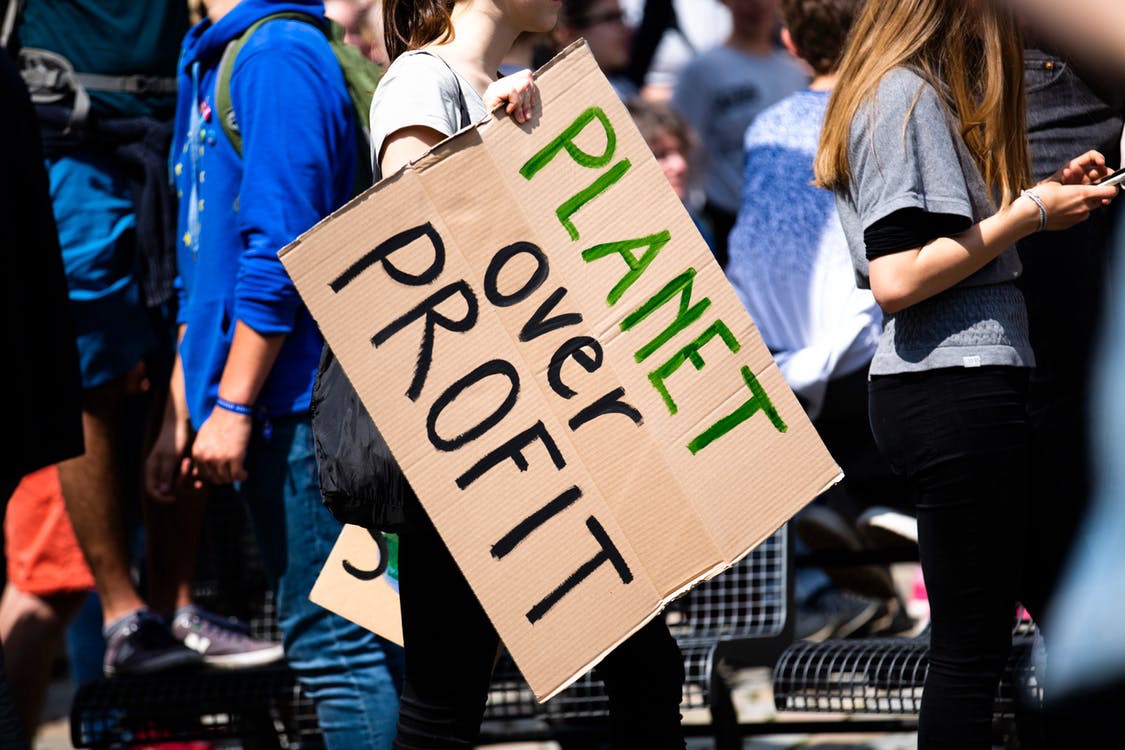
Planet over profit. It’s the simple, sustainable math to ensuring our planet survives. But when you set out to innovate a product with business growth and margins in mind, it’s a business’s profits that ultimately drive its continued existence. Unfortunately, profits are not the same fuel required to drive the continued existence of our planet. The intersection of both the planet and a business’s profits is where things get exciting; it’s an opportunity to disrupt an entire market for the betterment of our environment and people’s lives while growing a business, which is exactly what we’re doing at Fresh Prep.
It’s an interesting time in the world right now to try to develop a sustainable, zero-waste product. So much more attention is now on what products we use, who we vote for, what companies we support, and how our buying decisions impact the planet and our futures. We set out to ensure Fresh Prep would be a business that consumers could trust by ensuring responsible stewardship of our planet’s resources in our process and production line from beginning to end.
How It All Began
Conceived by three friends in 2015, Fresh Prep, which we found after we tried an offer for Purple Carrot, always had the goal of becoming the most sustainable meal kit on the market. We can unequivocally boast that distinction now (after all, we are the only meal kit to be a Certified B Corporation as of writing), but we’re still seeking ways of being better. As an early holiday gift to both our customers and to the planet, we’re rolling out our new reusable meal kit to a select bunch of customers.
Fresh Prep is part of the community of Certified B Corporations. Learn more about this growing movement of people using business as a force for good, and sign up to receive the B the Change Weekly newsletter for more stories like this one, delivered straight to your inbox once a week.
When Fresh Prep co-founders ordered their first meal kit from a competitor, they were equal parts horrified and amused. So much plastic. So much material going into the garbage after one meal. Giant cardboard boxes and single-use plastics littered the counter after completion. There had to be a better way of doing this — and they knew they would be the ones to figure it out. Little did all of us at Vancouver-based Fresh Prep realize what a challenge this would be.
To solve this challenge, we tried everything. We sent quinoa in wax paper sandwich bags; sliced tomato in plastic wrap; packaged spice blends in coin envelopes; and flats of Mason jars with all the ingredients for the week. Spoiler alert: Quinoa doesn’t stay put in wax paper and especially doesn’t hold up well in the same bag as a leaking, sliced tomato wrapped in plastic wrap. Turns out coin envelopes aren’t very good at holding spice blends either, even when we would glue down the corners! While we can laugh at these experiments now, these moments were truly the early building blocks of learning about the world of packaging and the amount of time, effort, testing, and re-testing (and re-testing your re-tests) that goes into designing a product that your customers will love, and that we felt good about putting out into the world.
What Does ‘Zero Waste’ Even Mean?
In many ways, the idea of zero waste is unattainable. As a business, we felt the pressure of the unattainable weighing in on our very intentional decision of moving toward a waste-free business model. How do we reduce our waste to zero while maintaining a profitable business? There’s a quote by Zero Waste Chef Anne Marie Bonneau we referred back to several times throughout this process:
“We don’t need a handful of people doing zero waste perfectly. We need millions of people doing it imperfectly.”
With that in mind, we made a commitment to reduce food waste with our product and reduce plastic waste by offering free recycling of all single-use plastics for our customers. From day one, we introduced in our meal kit several benefits for both our customers and the planet that none of our competitors were able to match (nor have been able to match even after four-plus years of existence).
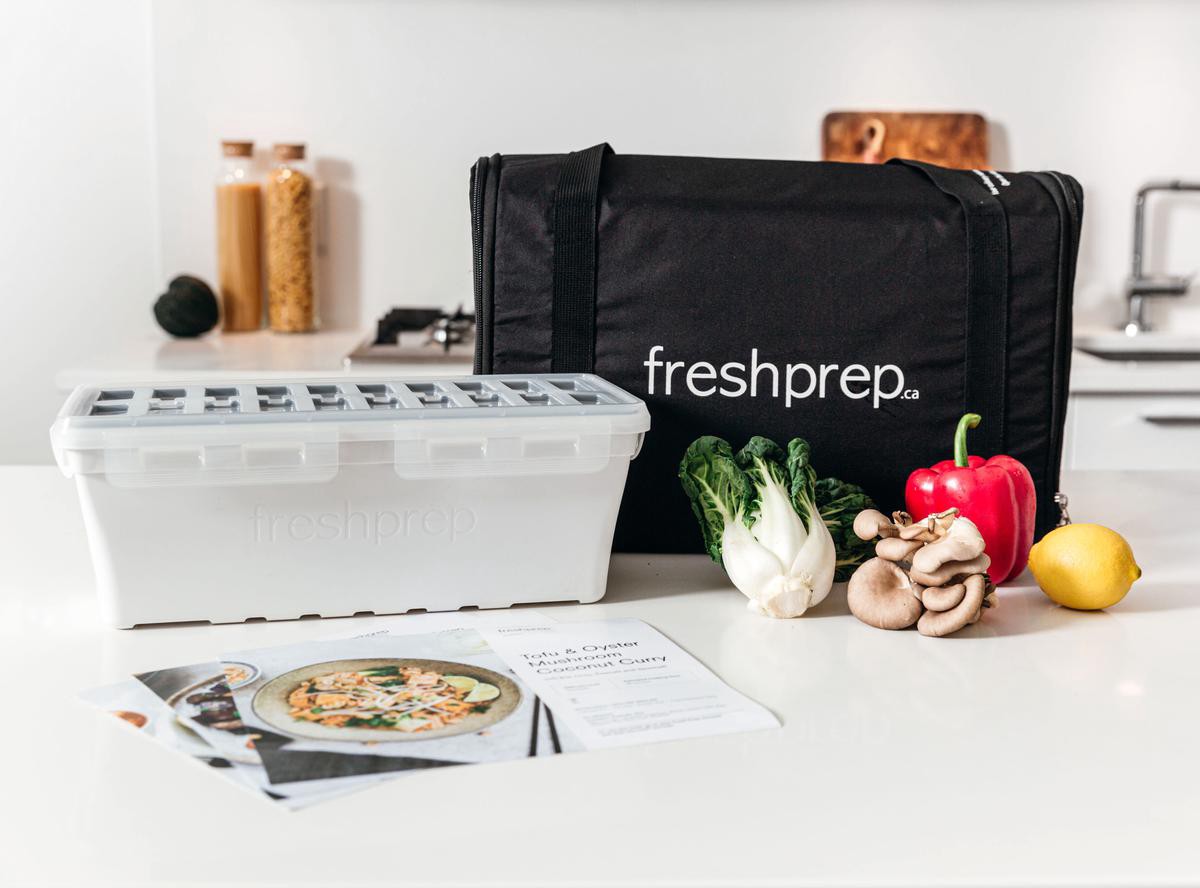
First, we pack all portioned ingredients in compostable paper bags. Second, we deliver our meals in reusable cooler bags packed with reusable ice packs, which we retrieve on our next delivery and reuse for the subsequent delivery. Additionally, we collect all plastic packaging in our meal kit and recycle it in the most environmentally responsible way possible with the help of our partner, Urban Impact Recycling (last year, we recycled over 38,000 kg of soft plastics).
Because many curbside recycling programs don’t accept single-use soft plastic packaging, we wanted to provide our customers with a free way to recycle the plastic instead of having it end up in a landfill. Although this model requires more costs for Fresh Prep (which ultimately cut into our gross margins), we made the decision to prioritize the planet over our profits. With this model, we had already reached our goal of becoming the most sustainable meal kit on the market — yet it still wasn’t enough.
Starting with Nothing to Get to Zero
To reduce our footprint further, we had to start reimagining our product and packaging from scratch. How do we re-create the meal kit model? This process was difficult, as single-use packaging was at the core of every meal kit business. We weren’t just launching a new product with new packaging, we were evolving the way we did things and we needed to look at every facet of the business as we did that.
While this introspective path to zero waste came with barriers, our hope is that our patented new Zero Waste Meal Kit will make us as a company more sustainable, more defensible, and more profitable. Select Fresh Prep customers will be able to purchase and test our new Zero Waste Kit starting December 1, 2019.
Our Next Stop
Thanks to the entire Fresh Prep team’s hard work, our journey has reached its next stop. We have developed a reusable packaging solution that checks out on the simple math. It helps us keep current profitability and allows us to be more profitable while our customers receive an even better experience. When becoming a more sustainable business is shown to be more profitable, the pursuit of sustainability gets the attention it needs and deserves. We hope that our innovation serves as a standard for our entire industry, and we hope to continue to innovate on our product to show that sustainability does not have to be sacrificed in the name of convenience or profitability.