
Today’s ESG Updates
- Scotland’s EPC Delay Is a Warning for the UK’s Retrofit Transition: The Energy Performance of Buildings (Scotland) Amendment Regulations 2026 postpone the full commencement of Scotland’s 2025 EPC reforms from October 31, 2026, to April 30, 2028.
- Europe’s Energy Infrastructure Is Becoming a Security Frontline: NATO warns that Europe must strengthen coordination and protect critical energy infrastructure as sabotage, drone, and cyber threats make energy security a defense priority.
- Major Emitters Nearing Peak Emissions, but Progress Remains Uneven: Emissions across 26 major economies are at or near a peak, yet divergent national trends mean global reductions may be slow.
- Coire Glas Hydroscheme Could Unlock £2bn of UK spending: SSE’s proposed Coire Glas pumped-storage project could support nearly 3,000 UK jobs and £1.94 billion of domestic spending.
Scotland’s EPC delay is a warning for the UK’s retrofit transition
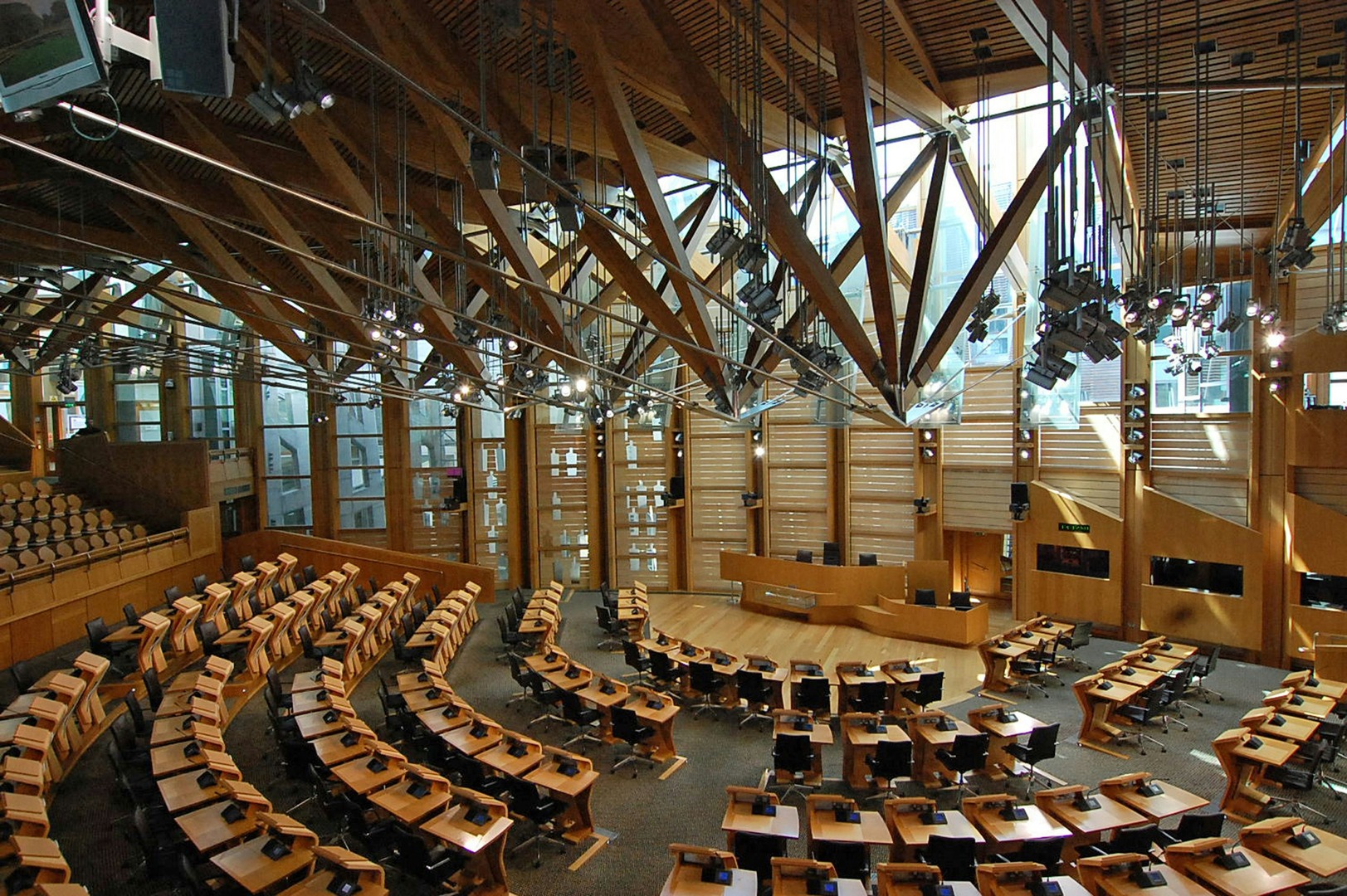
Scotland has postponed the full launch of its reformed Energy Performance Certificate regime by 18 months, moving the start date from October 31, 2026 to April 30, 2028. The Scottish Government attributes the delay to the UK Government’s decision to push EPC reform in England and Wales into the second half of 2027, leaving Scotland dependent on shared systems that are not yet complete.
On its own, the delay is defensible. EPCs shape how households, landlords, investors, and policymakers understand building energy performance. Moving to the new Home Energy Model, a redesigned register and a stronger audit regime requires functioning technical infrastructure and a trained assessor market. Launching before those systems are ready would risk poor data, inconsistent certificates and reduced public trust.
But the timing of the accompanying fee increase is harder to defend politically. From October 31, 2026, the lodgement fee for a domestic EPC rises from £2.60 to £6.00, while the fee for non-domestic properties rises from £12.10 to £15.50. The Scottish Government says the increase will fund the new register, calculation methodology and audit system that consumers will eventually benefit from. In effect, market participants are paying today for a system they will not be able to use until 2028.
The UK has repeatedly identified buildings as central to decarbonisation, yet the basic information architecture needed to target retrofit investment remains in transition. Delayed EPC reform does not cancel Scotland’s heat and buildings agenda, but it weakens the near-term signal to landlords, homeowners, and assessors.
The Scottish Government has built in contingency, retained the substance of its 2025 reforms, and continued work on accreditation and infrastructure in parallel. The test now is whether April 2028 becomes a genuine delivery date rather than another waypoint in a long implementation cycle.
Klimado – Navigating climate complexity just got easier. Klimado offers a user-friendly platform for tracking local and global environmental shifts, making it an essential tool for climate-aware individuals and organizations.
Europe’s energy infrastructure is becoming a security frontline

NATO warns that Europe’s energy infrastructure is increasingly exposed to sabotage, drone threats and cyberattacks, and that governments, industry and militaries must coordinate more closely to protect it.
As a result, Europe’s energy security is becoming more intertwined with its defense policy. Facilities such as utilities, LNG terminals, refineries and grid operators may face stricter security requirements, higher protection and insurance costs, and more government oversight.
Companies could see resilience spending rise and project decisions become more politically sensitive. At the same time, Europe’s dependence on imported energy makes infrastructure disruption a strategic vulnerability rather than a purely commercial risk.
Related Articles
Here is a list of articles selected by our Editorial Board that have gained significant interest from the public:
Major emitters nearing peak emissions, but progress remains uneven
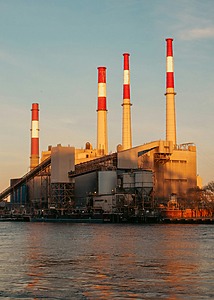
Emissions from 26 major economies, which cover approximately 80% of global greenhouse gases (GHG), are at or near their peak, with the projection midpoint falling from 40.2 billion tCO2e in 2025 to 40 billion tCO2e in 2026. Still, progress is uneven: half of countries are stabilizing or cutting emissions, while the rest continue rising.
That unevenness means a global peak may not translate into a rapid decline, especially as China and India’s coal-heavy industrial growth pushes 2035 projections higher.
This could widen pressure on off-track countries such as Brazil, Japan, Saudi Arabia, the UAE and the UK to strengthen their climate policies, while increasing the importance of international finance for conditional targets in Ethiopia, Mexico and Nigeria.

Coire Glas hydro scheme could unlock £2bn of UK spending
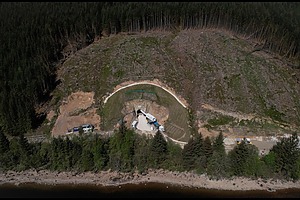
SSE’s proposed 1.44GW Coire Glas pumped-storage project could support 2,880 UK construction jobs at peak, spend £1.94 billion with UK businesses and generate £1.5 billion in economic value, alongside 60 long-term jobs once operating.
But those benefits depend on Ofgem’s Long Duration Electricity Storage framework producing an investable outcome, with final investment subject to SSE’s capital-discipline and return thresholds.
A favorable decision could unlock roughly £3 billion of private capital. This would strengthen UK supply chains and signal that long-duration storage can attract large-scale investment. At the same time, unresolved regulatory details could delay both the project and the wider storage pipeline.
Editor’s Note: The opinions expressed here by the authors are their own, not those of impakter.com — Cover Photo Credit: Maja R.