
Today’s ESG Updates
- Norway Backs Floating Wind Technology With $428 Million: Norway funds 3.94 billion Norwegian crowns, approximately $428 Million, to support two floating offshore wind test initiatives, according to Norwegian state-owned organization, Enova.
- UK Green Targets at Risk as Defence Spending Takes Priority:The UK government is cutting more than £3 billion from its energy budget to help fund defence spending, raising concerns that the country could miss its clean heating and climate targets.
- Meta and Fortera Sign New Deal to Support Low-Carbon Cement Production: As cement production is one of the hardest industries to decarbonize, the new agreement between the two U.S. companies could mark an important step towards a more sustainable cement industry.
- Ireland’s Data Centre Energy Rules Could Serve as a Model for Europe: Ireland is seeking to make its energy-intensive data centre industry more sustainable through new renewable energy requirements, but environmental groups have raised concerns about their effectiveness.
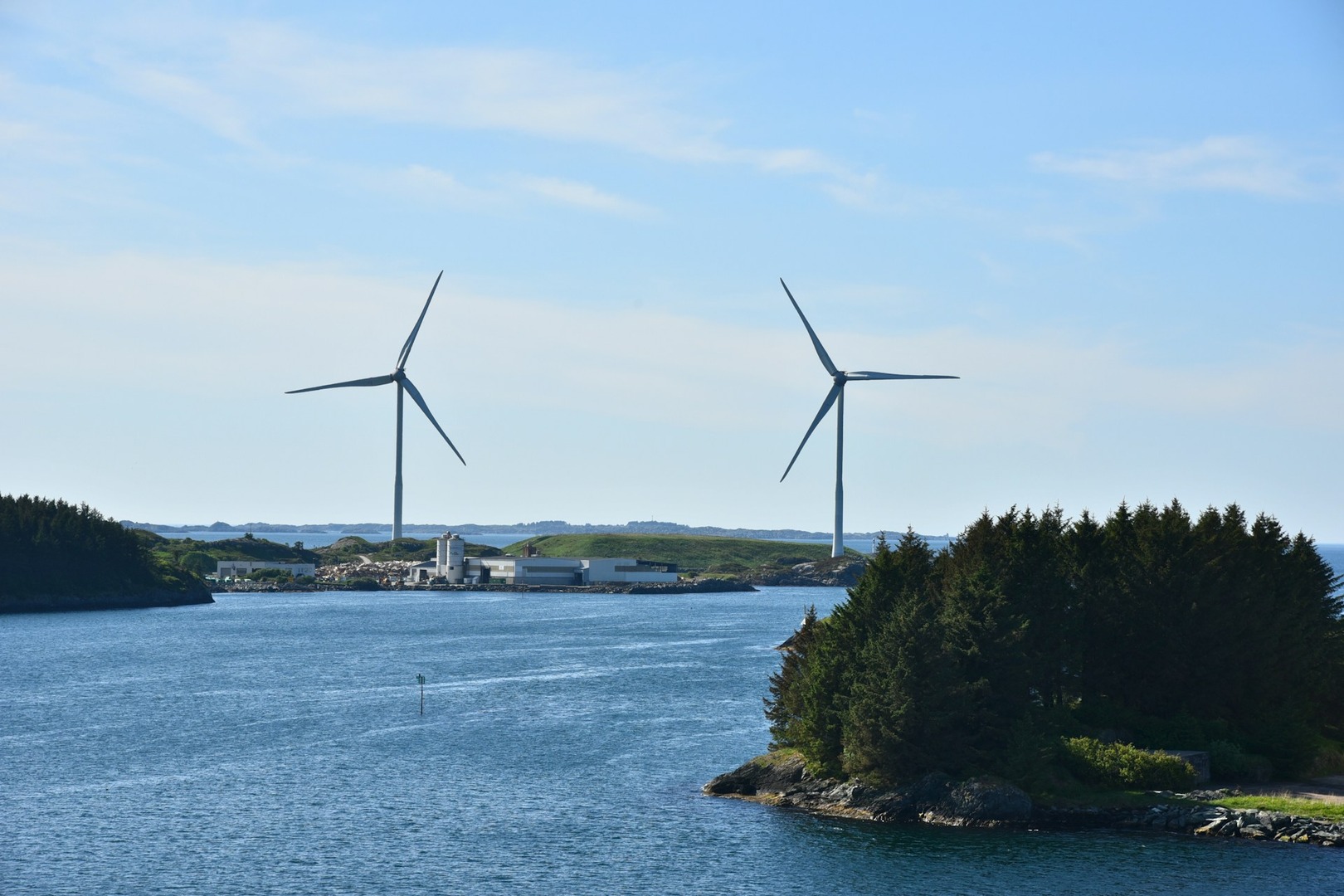
Norway backs floating wind technology with $428 million
The Norwegian government allocates funds for Fortius Offshore Wind and Fram Wind Solutions, approximately 2 billion crowns for each. A new initiative by Enova aims to invest funds to support two floating offshore wind test projects.
The plan for the next five years is to set up two big offshore turbines with a total installed capacity of 18.5 megawatts each. The expectations for the new project are high. Electricity generated will be sufficient to cover the annual consumption of approximately 15,000 households. The main aim of the new project is to run a test and showcase if new technologies can cut down the cost of electricity production from using floating offshore wind turbines.
“If they succeed in making offshore wind technology profitable enough, it will be a major step toward faster, large-scale deployment of renewable power,” Enova stated.
Klimado – Navigating climate complexity just got easier. Klimado offers a user-friendly platform for tracking local and global environmental shifts, making it an essential tool for climate-aware individuals and organizations.
UK green targets at risk as defence spending takes priority

John Healey’s initiative to cut down the budget results in Britain’s inability to meet its eco-friendly heating targets. This week, the Chancellor announced a reduction in the budget of the Ministry of Energy in the amount of more than 3 billion pounds, most of which will be used to increase defense spending.
The UK government offers £7,500 towards a heat pump for a family to achieve common emission reduction goals. However, with the new initiative, the government’s subsidized heat pump program has become one of the victims of the cuts. Considering new realities, program financing would increase only in accordance with inflation, resulting in a possible slowdown in the number of installations.
Reduction of subsidies also touched upon the framework of hydrogen schemes and financing of carbon capture and storage technology. Experts claim that new initiatives towards defense will make it impossible to achieve clean power targets by 2030.
Related Articles
Here is a list of articles selected by our Editorial Board that have gained significant interest from the public:
Meta and Fortera sign new deal to support low-carbon cement production
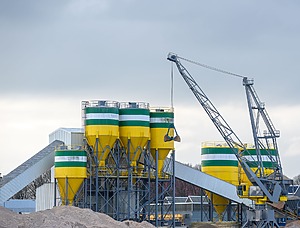
A California-based company, Fortera, founded in 2019, is known for developing new technologies, mainly ReCarb, that can reduce emissions from cement production. From now, Meta will buy environmental attribute certificates (EACs), which can allow big companies to finance cleantech. These certificates are equivalent to about 200,000 tons of low carbon cement. However, Meta reserves the right to use this cement on its own construction sites.
Cement production is a difficult industry to decarbonize, as it accounts for about 8% of global CO2 emissions. The new agreement is important for both sides, as it guarantees financing for Fortera and also reduces the environmental footprint in the supply chain for Meta.
Fortera also said that the new agreement can help with the construction of a new cement plant in Ste. Genevieve, Missouri.

Ireland’s data centre energy rules could serve as a model for Europe

Ireland is the EU’s tech capital, while it also is a leader in the European ranking with 31 megawatts per 100,000 people. However, the problem is that data centers consume almost 25% of Ireland’s total electricity.
That is why new requirements have been introduced. They include financing new renewable energy projects to meet at least 80% of their energy needs. However, ecologists note that six years is a risky timeline, as data centers could still be mostly run on fossil fuels.
Teresa Ribera also noted that the EU should make tech companies invest in clean energy to power its data centres. Ireland is trying to make its data centres more eco-friendly, however, new regulations are still questioned. At the same time, Ireland’s data centres are important for its economy, giving jobs to people and bringing €14.6 billion in annual employment-related taxes.
Editor’s Note: The opinions expressed here by the authors are their own, not those of impakter.com — Cover Photo Credit: Eloy Martinez.