Today’s ESG Updates:
- Russia Says New EU Sanctions Will Hurt Developing Countries: Russia pushes back on sweeping new EU sanctions, warning they threaten global energy stability and food security beyond Ukraine’s borders.
- Indonesia to Import 150 Million Barrels of Russian Oil in Phases Until 2026: Facing a 1M barrel per day deficit and war-rattled trade routes, Indonesia bets on Russian oil to keep the lights on.
- Bangladesh Sweats as Middle East Fuel Shortages Force Power Cuts: Fuel shortages are leaving millions of Bangladeshis without power in 40°C heat.
- AllianzGI Acquires a 51% Stake in German Battery Storage Platform GESI: AllianzGI takes majority stake in GESI, backing 2.6 GW of grid-critical capacity set to come online by 2029.
Russia’s Foreign Ministry claims EU sanctions are a self-inflicted wound
The EU just hit Russia with its 20th sanctions package, targeting oil, gas, and fertilizer transport. In response to the move, Russian Foreign Ministry spokeswoman Maria Zakharova said that “Brussels is hurting both itself and developing countries, which are no longer able to afford energy at artificially inflated prices,” framing the move as reckless amid what she called a “global energy crisis and resource shortages.” She also flagged fertilizer restrictions as a threat to food security, a sharp concern for commodity-dependent nations that import their fertilizers, and closed with: “We will take retaliatory measures. They will be tough, designed in accordance with our interests.”
***
Further reading: Russia says new EU sanctions will hurt developing countries
Klimado – Navigate climate complexity with a user-friendly platform that tracks global and local environmental changes for ESG-conscious decision-making. Perfect for investors, companies, and policymakers seeking actionable insights on sustainability trends.
Indonesia to import 150 million barrels of Russian oil in phases until 2026
Following previous rumors from April 16 2026 and April 17 2026, Indonesia has locked in a deal to import 150 million barrels of Russian oil in phases through the end of 2026, driven by a domestic supply gap of ~1 million bpd (barrels per day) and the need to hedge against global energy instability.
The deal was secured directly by President Prabowo during a 3-hour meeting with Putin in Moscow and covers a baseline of 100 million barrels at a “special price,” with Russia ready to supply an additional 50 million if needed. The president’s special envoy Hasjim Djojohadikusumo confirmed: “The president went to Moscow not to splurge; he went there to talk with President Putin for 3 hours, and he got the import commitment from President Putin.” Indonesia’s storage capacity constraints dictate the phased approach, and the oil will serve not just consumers but also industrial, mining, and petrochemical sectors, all while Jakarta insists it will keep buying US oil too, framing the Russia deal as a response to the US-Israel-Iran war disrupting global trade.
***
Further reading: Indonesia to Import 150M barrels of Russian oil in phases until 2026
Related Articles
Here is a list of articles selected by our editorial board that have gained significant interest from the public:
Bangladesh sweats as Middle East fuel shortages force power cuts
Bangladesh is currently struggling as a heatwave, pushing temperatures to 40°C across a country of 170 million people, strains the power grid. Bangladesh, which imports 95% of its oil and gas from the Middle East, is experiencing the full force of the Strait of Hormuz disruptions since the war began in late February, choking fuel supplies and crippling power generation capacity.
The gap is stark: electricity demand stands at 16,000MW, while actual generation is just 14,126MW. As a senior Energy Ministry official puts it, “We have a huge electricity generation capacity, but due to shortages of gas and fuel, we are unable to utilise it”. Meanwhile, ordinary people like Mashuka Yasmin Mishu in Pabna district aren’t getting “electricity for even two hours at a stretch”, and the government is now rolling out load shedding even in Dhaka to spread the pain more fairly between urban and rural areas.
***
Further reading: Bangladesh sweats as Middle East fuel shortages force power cuts

AllianzGI acquires a 51% stake in German battery storage platform GESI
Allianz Global Investors has snapped up a 51% stake in GESI (Green Energy Storage Initiative), a German battery storage company with 2.6 GW of capacity under development across Bavaria and Lower Saxony, making it one of the largest large-scale battery portfolios in Germany. This is AllianzGI’s second battery storage deal in Germany in just weeks, following a March partnership with TotalEnergies, and aligns with a broader push into grid-critical infrastructure after also investing in transmission operator Amprion.
Projects are scheduled for commissioning by 2029, repurposing decommissioned power plant sites at key transmission network nodes. As GESI COO Jens Michael Wegmann put it: “Green electricity worth billions of euros is lost every year because wind and solar power plants have to be curtailed or shut down”.
***
Further reading: AllianzGI acquires a 51% stake in German battery storage platform GESI
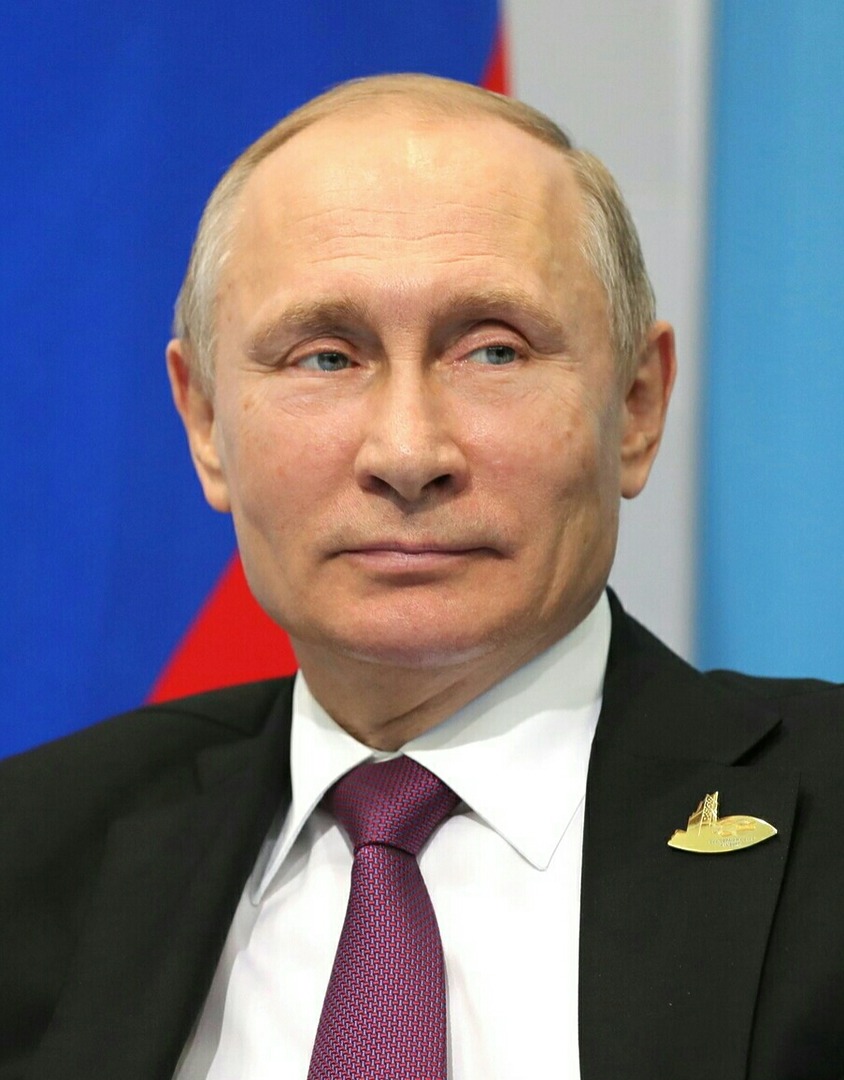
Editor’s Note: The opinions expressed here by the authors are their own, not those of impakter.com — In the Cover Photo: Vladimir Putin. Cover Photo Credit: Wikimedia Commons