Impakter
  • Environment
    • Biodiversity
    • Climate Change
    • Circular Economy
    • Energy
  • FINANCE
    • ESG News
    • Sustainable Finance
    • Business
  • TECH
    • Start-up
    • AI & Machine Learning
    • Green Tech
  • Industry News
    • Entertainment
    • Food and Agriculture
    • Health
    • Politics & Foreign Affairs
    • Philanthropy
    • Science
    • Sport
  • Editorial Series
    • SDGs Series
    • Shape Your Future
    • Sustainable Cities
      • Copenhagen
      • San Francisco
      • Seattle
      • Sydney
  • About us
    • Company
    • Team
    • Global Leaders
    • Partners
    • Write for Impakter
    • Contact Us
    • Privacy Policy
No Result
View All Result
Impakter logo
No Result
View All Result
Freshwater

Renewable Water Availability per Person Plunges 7% in a Decade as Global Scarcity Deepens

AQUASTAT Water Data indicates that pressure on freshwater resources is growing as demand increases in regions of scarcity

The Food and Agriculture Organization of the United Nations (FAO)byThe Food and Agriculture Organization of the United Nations (FAO)
December 23, 2025
in Environment, Food and Agriculture
0

Renewable water availability per person has continued to decline by a further 7% over the past decade, while pressure on already scarce freshwater resources is increasing in several regions, according to the 2025 AQUASTAT Water Data Snapshot released by the Food and Agriculture Organization of the United Nations (FAO).

The update provides a global overview of how water availability and use are evolving, presenting new data on irrigation, efficiency, and water stress reported through the 2024 AQUASTAT cycle. Renewable water refers to freshwater that is naturally replenished through the hydrologic cycle, which includes evaporation, condensation, and precipitation.

The latest figures show that some regions — particularly Northern Africa and Western Asia — continue to operate under extremely limited freshwater endowments. Countries such as Kuwait and Qatar rank among the lowest renewable water resources per person worldwide.

Freshwater withdrawals have also increased in several regions in recent years, adding pressure to already stressed river basins and aquifers. Agriculture remains the largest water-using sector globally, accounting for 72% of withdrawals in many regions.

A closer look at regional trends and changes in water use

The Snapshot uses clear, accessible examples to illustrate how water availability and demand are shifting across regions.

In Northern Africa, freshwater availability per person remains among the lowest globally, while withdrawals have increased by 16% over the past 10 years. In Western Asia — which in the Snapshot includes most Middle Eastern countries — rapid demographic growth and agricultural demand are contributing to increased pressure on limited supplies. By contrast, some regions with comparatively higher water availability still face rising competition among sectors, particularly where urbanization and irrigated agriculture are driving demand.

Related Articles

Here is a list of articles selected by our Editorial Board that have gained significant interest from the public:

  • China Changes Tack on Water Politics
  • As Cities Grow Across Africa, They Must Plan for Water Security
  • Health Flows From Safe Water

The data also highlights wide disparities in irrigation and water-use efficiency. In parts of Latin America and Asia, irrigation supports a large share of crop production, whereas in Sub-Saharan Africa irrigated cropland represents only a small fraction of total cultivated land, reflecting persistent gaps in access to water infrastructure. The Snapshot reports improvements in water-use efficiency in several regions, while levels of water stress remain high or very high in countries where withdrawals regularly exceed renewable supplies.

The report presents updated values for the two indicators monitored under Sustainable Development Goal (SDG) 6.4, tracking water-use efficiency and water stress. While efficiency has improved overall, high stress levels underscore the need for continued efforts to manage water sustainably and build resilience to growing demands.

** **

This article was originally published by the Food and Agriculture Organization of the United Nations (FAO) and is republished here as part of our editorial collaboration with the FAO. 


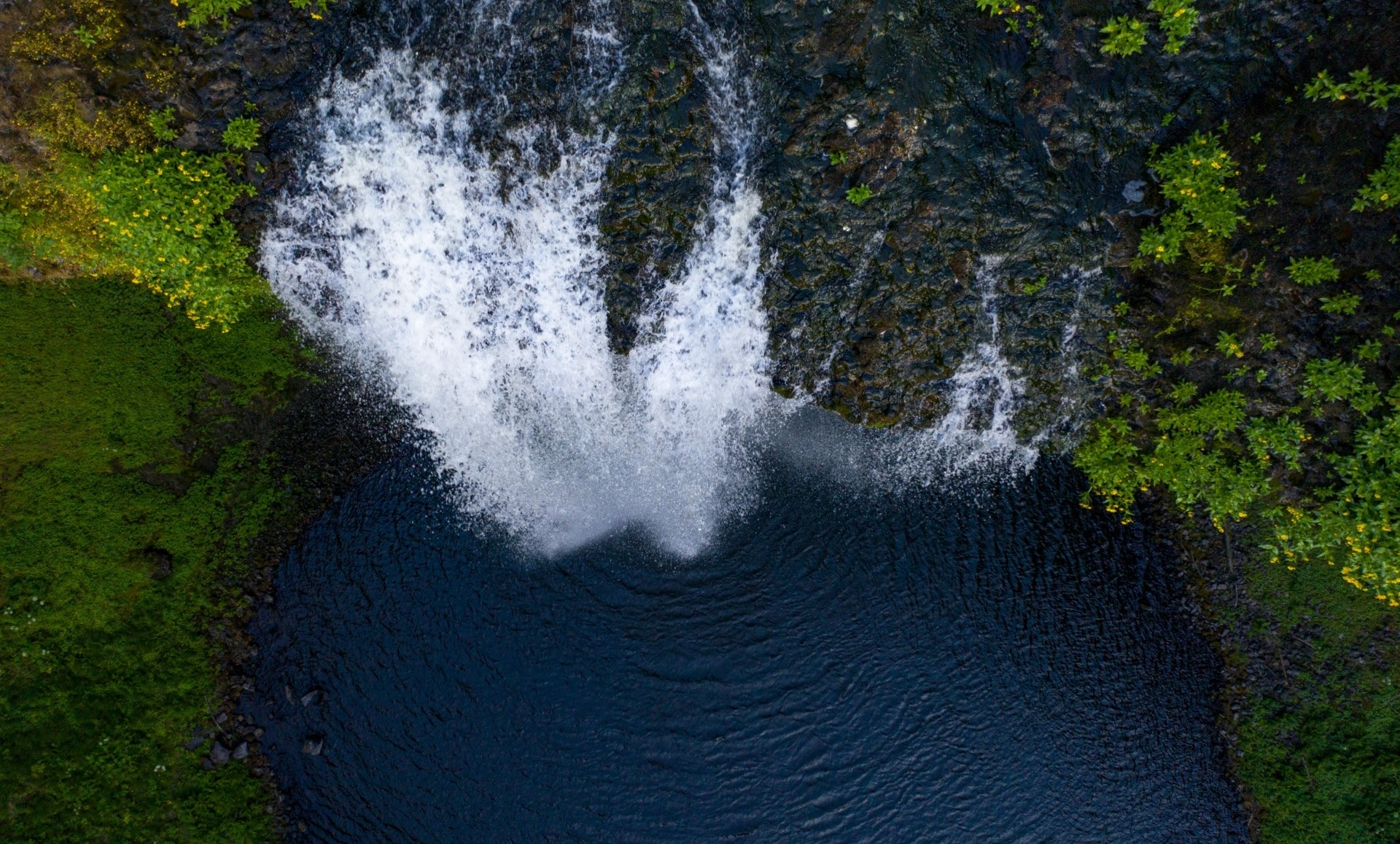
Editor’s Note: The opinions expressed here by the authors are their own, not those of Impakter.com — Cover Photo Credit: Den Meyers.
Tags: 2025 AQUASTAT Water Data SnapshotAQUASTATFAOFood and Agriculture Organization of the United NationsFreshwaterRenewable waterwaterWater Security
Previous Post

What’s Next for Sustainable Development in 2026

Next Post

The Cloud We Live In

Related Posts

AI data centres
AI & MACHINE LEARNING

The Cloud We Live In

How AI data centres affect clean energy and water security As the holiday season begins, many of us are engaging...

byAriq Haidar
December 24, 2025
soil
Biodiversity

To Prevent Ecological Collapse, We Must Start With the Soil

Soil is the single most biodiverse habitat on Earth, home to at least 59% of all species, including over 80%...

byMarcela Quintero - Associate Director General of Research Strategy and Innovation at the Alliance of Bioversity International and CIATand1 others
December 22, 2025
How Climate Change Could Help Foster Peace in Yemen
Climate Change

How Climate Change Could Help Foster Peace in Yemen

Yemen's tragedy is traditionally depicted through the limited perspective of humanitarian need and political divisiveness, but there is a greater...

byTareq Hassan - Executive Director of the Sustainable Development Network Canada (SDNC)
December 17, 2025
Transboundary Animal Diseases Pose Urgent Threat to Global Food Security
Biodiversity

Transboundary Animal Diseases Pose Urgent Threat to Global Food Security

The Director-General of the Food and Agriculture Organization of the United Nations (FAO), QU Dongyu, urged Member Countries to reinforce...

byThe Food and Agriculture Organization of the United Nations (FAO)
December 1, 2025
Animal Health
Biodiversity

Better Animal Health Is the Low-Risk, High-Reward Climate Investment We Need

Imagine if there was a way to reduce emissions from the meat, egg and dairy sector by nearly a quarter,...

byCarel du Marchie Sarvaas
November 26, 2025
One Health: Silo Barriers to Implementation and How to Overcome Them
Biodiversity

One Health: Silo Barriers to Implementation and How to Overcome Them

The One Health concept/approach must be central for governments to adopt collaborative, cross-sector policies in order to safeguard public health,...

byOne Health Initiative
November 26, 2025
A Sacred Duty
Biodiversity

A Sacred Duty

As dawn breaks over the Ororubá Mountains in Pernambuco, Brazil, a group of Indigenous youth of the Xukuru do Ororubá...

byThe Food and Agriculture Organization of the United Nations (FAO)
November 25, 2025
COP30: Countries’ Climate Agrifood Ambitions Undermined by Funding Gaps, Report Finds
Biodiversity

COP30: Countries’ Climate Agrifood Ambitions Undermined by Funding Gaps, Report Finds

Developing countries recognize the urgent need to adapt agrifood systems to climate change, but most National Adaptation Plans (NAPs) are...

byThe Food and Agriculture Organization of the United Nations (FAO)
November 19, 2025
Next Post
Freight Forwarders expert

Top 5 Freight Forwarders: Expert Picks for 2026

Recent News

coal mine

Can the War on Coal Still Be Won?

December 24, 2025
AI data centres

The Cloud We Live In

December 24, 2025
Sustainable Tourism

Sustainable Tourism Experiences Worth Supporting in Turkey

December 23, 2025
  • ESG News
  • Sustainable Finance
  • Business

© 2025 Impakter.com owned by Klimado GmbH

No Result
View All Result
  • Environment
    • Biodiversity
    • Climate Change
    • Circular Economy
    • Energy
  • FINANCE
    • ESG News
    • Sustainable Finance
    • Business
  • TECH
    • Start-up
    • AI & Machine Learning
    • Green Tech
  • Industry News
    • Entertainment
    • Food and Agriculture
    • Health
    • Politics & Foreign Affairs
    • Philanthropy
    • Science
    • Sport
  • Editorial Series
    • SDGs Series
    • Shape Your Future
    • Sustainable Cities
      • Copenhagen
      • San Francisco
      • Seattle
      • Sydney
  • About us
    • Company
    • Team
    • Global Leaders
    • Partners
    • Write for Impakter
    • Contact Us
    • Privacy Policy

© 2025 Impakter.com owned by Klimado GmbH