

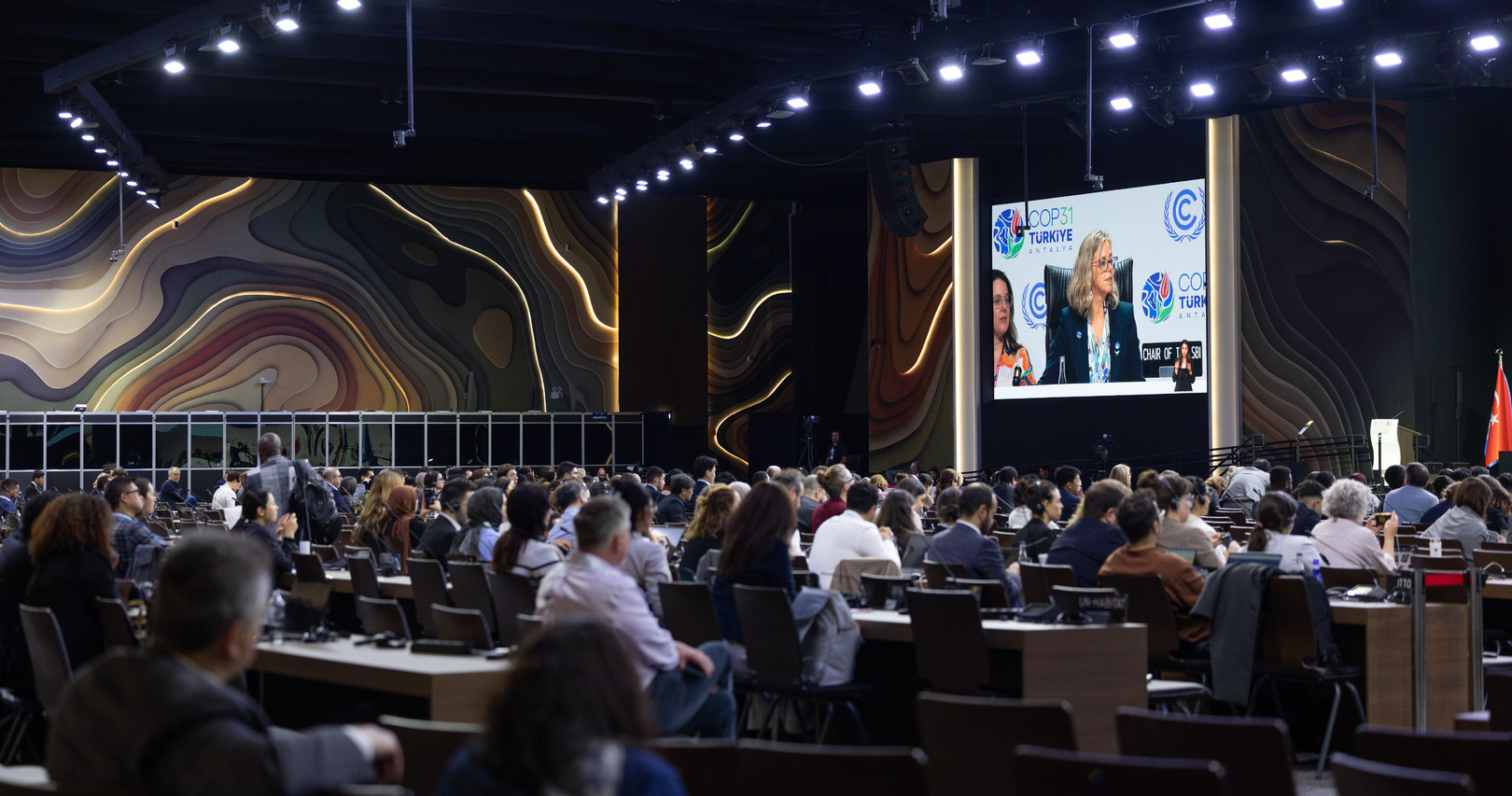
It is no surprise that disputes over climate finance mark the United Nations Climate Change Conferences (UNFCCC). On one side, developing countries, burdened by debt and affected by the climate crisis, are calling for resources. On the other, developed nations are reluctant to take on new financial commitments. At COP31 in Antalya, Türkiye, this tension is particularly evident in the negotiations on adaptation finance.
“While negotiations remain stalled by deadlocks and disputes, the climate crisis is already having devastating consequences, particularly for developing countries,” said Flávia Martinelli, Climate Change Specialist at WWF-Brazil. “These include unprecedented droughts in the Amazon, wildfires in countries such as Indonesia, with smoke blanketing entire cities, and deadly disasters, such as those recently recorded in Nepal. The impacts are worsening, highlighting the scale of a global crisis that demands immediate responses. There is no time to lose: urgent action is needed.”
The latest report by the United Nations Environment Programme (UNEP), the “Adaptation Gap Report,” shows that developing countries will need approximately US$305 billion per year by 2035 to meet their climate adaptation needs. However, international public adaptation finance flows to these countries amounted to only between US$28.2 billion and US$31.7 billion in 2024 — an increase of just US$1 billion compared with 2023. In practice, this means that developing countries receive approximately 10 cents for every dollar they need.
In Belém, countries reached an agreement to triple adaptation finance, but without clearly defining the baseline amount against which this increase should be measured. Now, in Antalya, developed countries are resisting recognition that the tripling should be based on the commitment made under the Glasgow Climate Pact at COP26 in 2021. At the time, developed countries pledged to double international public finance for adaptation, using the approximately US$20 billion allocated in 2019 as a baseline, with the aim of reaching US$40 billion annually by 2025.
Related Articles
Here is a list of articles selected by our Editorial Board that have gained significant interest from the public:
If the tripling is based on this commitment, financing should reach at least US$120 billion per year by 2035. Even this amount, however, would fall far short of developing countries’ needs, representing only between 20% and 29% of the amount required. Despite this significant gap, resistance to establishing a concrete target continues to echo through the negotiation rooms, with a resounding “no” to the demands of the countries most in need of support.
According to Oxfam’s report “Disaster Divide: How Climate Chaos Deepens Inequality and Enriches the Few,” climate-related disasters have a more severe impact on developing countries. The number of deaths caused by floods is seven times higher in countries with higher levels of inequality.
“A COP31 decision that addresses this reality must send clear signals of commitment to increasing climate finance for countries in the Global South, prioritizing public funding in the form of grants rather than loans that deepen indebtedness. Adaptation finance must be tripled by 2035. With only days remaining before a political decision is expected at COP31, developed countries must take responsibility and do their part by ensuring the resources needed,” emphasizes Flávia Martinelli.
** **
This article was originally published by WWF and is republished here as part of an editorial collaboration with WWF.
Editor’s Note: The opinions expressed here by the authors are their own, not those of Impakter.com — Cover Photo Credit: © UN Climate Change / Kiara Worth.