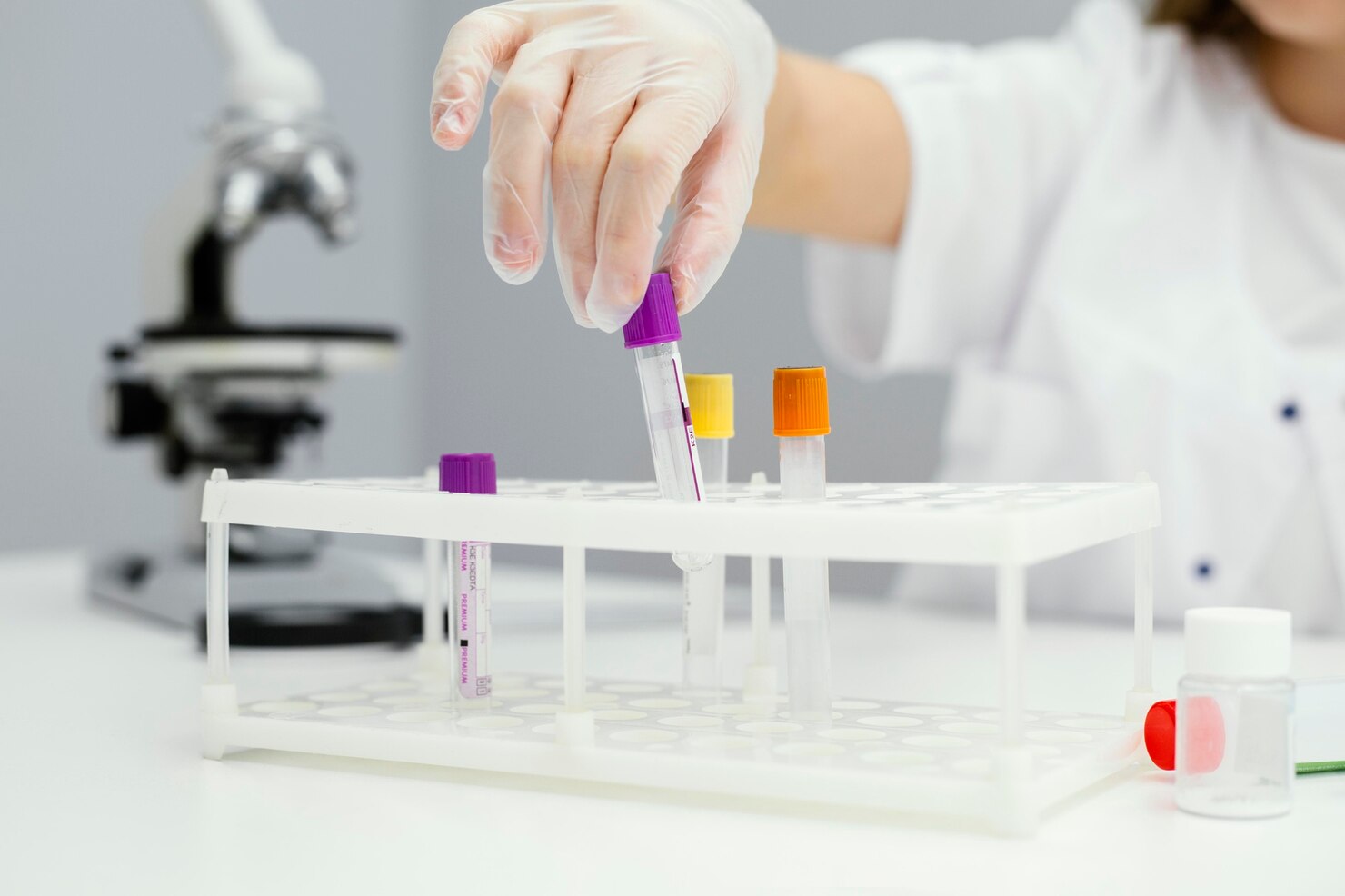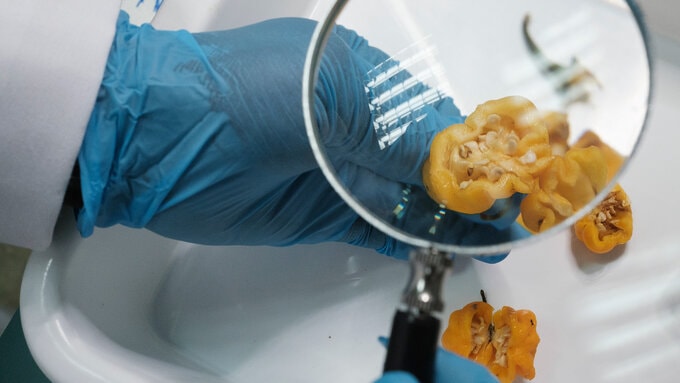
The interdependence of health between people, animals, plants and the environment is undeniable.
The One Health approach recognizes this intricate web of life. Designed to balance and optimize all the components of our ecosystem sustainably, this holistic approach calls on different sectors, disciplines and communities to work together to promote well-being and address threats to health and ecosystems.
The Food and Agriculture Organization of the United Nations (FAO), together with the United Nations Environment Programme (UNEP), the World Health Organization (WHO) and the World Organisation for Animal Health (WOAH), promotes a One Health approach to prevent, detect and control the spread of pathogens and diseases among animals, humans and the environment.
FAO’s One Health approach also drives agrifood system transformation by addressing threats such as pests and diseases in animals, plants, aquatic animals and forests that reduce productivity, endanger biodiversity and threaten livelihoods.
Here are only five of the many issues that FAO is addressing by utilizing a One Health approach:
Antimicrobial Resistance (AMR)
AMR is the ability of microorganisms to persist or grow in the presence of drugs designed to inhibit or kill them, making such treatments ineffective. Its emergence and spread are accelerated by human activity, mainly the misuse and overuse of antimicrobials to treat, prevent or control disease in humans, animals and plants.
For instance, though now discouraged, a common practice involved adding antimicrobials to animal feed to stimulate growth and production, but up to 80 percent of these antimicrobials are excreted into water and soils. Microorganisms in the environment that have natural resistance to those antimicrobials then spread resistance to other disease-causing bacteria and fungi.
FAO is actively supporting governments, producers, traders and other stakeholders to raise awareness about and limit the unnecessary use of antimicrobials through the Reduce the Need for Antimicrobials in Agrifood Systems (RENOFARM) project and the International FAO AMR Monitoring (InFARM) platform.


Overuse of fertilizers and synthetic pesticides
Healthy, biodiverse soil ecosystems contain a myriad of valuable organisms and contribute to produce healthy plants. However, the overuse of synthetic pesticides can reduce the populations of beneficial insects that naturally control pests and pollinate plants. This disrupts the ecological balance and creates conditions for pest resurgence and the emergence of pesticide-resistant insects.
FAO provides resources and tools to governments and supply chain actors to help improve food production and reduce synthetic pesticide and fertilizer use by integrating sustainable land and soil management strategies.
One example is FAO’s Farmer’s Compost Handbook, a learning guide on how to develop healthy and safe products that can be used to grow healthier plants that are less susceptible to pests. The handbook lists several case studies from Latin America, such as the production of organic fertilizer from pig excreta in Colombia; or the use of fruit and vegetable scraps, green leaves and plant ashes to produce compost in plastic drums in Paraguay.
Another example is FAO’s Voluntary Guidelines for Sustainable Soil Management, which provides information on management practices and biological alternatives to synthetic fertilizers and pesticides.
Related Articles: The Pandemic Agreement Draft: Will It Fully Embrace One Health? | One Health: A Paradigm Whose Time Has Come? | One Health Needs More Soft Power | The Concept of One Health Turns Global in 2021: How it was Born | One Health and Well-Being – Inspiring a Global Unity of Purpose | The One Health Story: It’s More Than Infectious Diseases
Soil degradation
About 95 percent of our food is produced in or on soil. But conventional agricultural practices, such as tillage, can degrade their physical, chemical and biological properties. Tilling soil can result in compaction, reduced water absorption and a decrease in organic matter. Excessive or inappropriate use of fertilizers, heavy machinery and low-quality irrigation water can lead to soil degradation.
FAO’s Global Soil Organic Sequestration Potential Map allows experts to identify where sustainable soil management practices should be adopted to increase carbon stocks in soils. The map is also designed to inform policymakers when dealing with climate change adaptation.
Zoonotic Diseases
Many diseases that start in animals can spread to humans through direct contact. These are called zoonotic diseases and can have dire consequences for human health.
For example, rabies is a deadly viral disease that is transmitted from animals to humans most often through bites or scratches. There is no cure, but it can be prevented through vaccinations. Through disease surveillance and outbreak responses, laboratory capacity building, public awareness promotion and vaccination campaigns, FAO is supporting countries in their efforts to prevent and control rabies.
In Bangladesh, FAO has provided technical support to the government to create a national mass dog vaccination strategy under the One Health approach. Today, Bangladesh has thousands of vaccination teams working to eliminate rabies and is the only country in Asia with a national dog vaccination programme fully funded by government resources.

Pandemics
The connection between environment, plant, animal and human health has become more apparent over the years with the expansion of human populations into new territories and changes in climate and land use. Decades of growth in international travel and trade have blurred borders, making it easier for diseases to spread globally, with recent epidemics and pandemics such as COVID-19 reminding us of how interlinked human, animal, plant and environmental health are.
That’s why one of FAO’s major One Health initiatives is the Pandemic Fund, dedicated to providing grants to low- and middle-income countries to help them better prepare for pandemics through strengthening capacities of human and animal health systems in the areas of surveillance, laboratory diagnostics and workforce development.
These are only some of the issues considered in the One Health approach. It is also key to sectors such as forests and water, and plays a major role in the Codex Alimentarius, a collection of international standards, guidelines and codes of practice designed to ensure that food is safe and can be traded.
We only have one planet. This approach is a reminder that we also have One Health.
** **
This article was originally published by the Food and Agriculture Organization of the United Nations (FAO) and is republished here as part of our editorial collaboration with the FAO.
Editor’s Note: The opinions expressed here by the authors are their own, not those of Impakter.com — In the Cover Photo: One Health is a holistic and unifying approach that recognizes that the health of humans, animals, plants and the wider environment are closely linked and interdependent. Cover Photo Credit: ©FAO/Eduardo Soteras.