
Today’s ESG Updates:
- Europe’s Jet Fuel Clock Is Ticking: Europe may run short of jet fuel within weeks, risking flight cancellations if Middle Eastern supplies via the Strait of Hormuz do not resume.
- Indonesia Eyes Russian Oil While Balancing US Partnership: Indonesia is quietly edging toward discounted Russian oil and LPG to plug its supply gap while insisting the deal won’t derail its strategic partnership with the US.
- China and Turkmenistan Sign Deal to Build Phase Four of the Galkynysh Gas Field: China and Turkmenistan have agreed to expand the Galkynysh gas field and reinforce Turkmen gas exports to China.
- Iran Proposes Letting Ships Exit Safely Through the Omani Side of Hormuz: Iran is signalling a possible safe-passage concession in Hormuz, but only as part of a wider deal with Washington, not as an immediate end to the shipping disruption.
Europe’s jet fuel clock is ticking
Europe may have only “maybe six weeks of jet fuel left” if it cannot replace at least half of its usual Middle Eastern imports after Iran’s closure of the Strait of Hormuz, which previously supplied about 75% of Europe’s jet fuel imports and has pushed prices to record levels.
The IEA warns that even with partial replacement from regions like the US and Nigeria, some European airports could face physical shortages, flight cancellations, and demand destruction by June, with major hubs likely prioritised over smaller ones.
Governments and EU officials say there is currently “no evidence of fuel shortages” but acknowledge potential “supply issues in the near future” and are meeting weekly on contingency measures. Market and industry players increasingly see limited shortages as likely.
At the same time, airlines such as EasyJet and KLM are already facing higher fuel costs and selective flight cuts, even though actual fuel supply disruptions have not yet affected operations.
***
Further reading: Europe has ‘maybe six weeks of jet fuel left’, energy boss warns
Klimado – Navigate climate complexity with a user-friendly platform that tracks global and local environmental changes for ESG-conscious decision-making. Perfect for investors, companies, and policymakers seeking actionable insights on sustainability trends.
Indonesia eyes Russian oil while balancing US partnership

Indonesia is moving toward a pragmatic energy deal to import Russian crude and LPG while insisting this will not undermine cooperation with the US, according to Energy Minister Bahlil Lahadalia.
He says Indonesia needs about 300 million barrels of crude oil a year and currently produces only around 600,000 bpd (barrels per day), while consuming 1.6 million, forcing it to import roughly 1 million bpd. “We will seize every opportunity because it is important to pursue all options that serve national interests,” he told reporters after briefing President Prabowo on talks with Moscow.
Following Prabowo’s April 13th meeting with Vladimir Putin, Lahadalia met Russian Energy Minister Sergey Tsivilyov, calling the talks “productive” and saying Russia is ready to help build infrastructure to strengthen Indonesia’s energy reserves and security.
Crude oil discussions are described as being in the “final stage,” while LPG negotiations may need two to three further rounds.
***
Further reading: Indonesia eyes Russian oil while balancing US partnership: Minister
Related Articles
Here is a list of articles selected by our Editorial Board that have gained significant interest from the public:
China and Turkmenistan sign deal to build phase four of the Galkynysh gas field
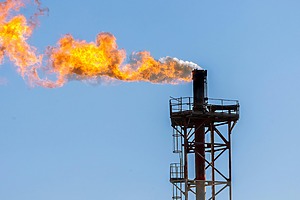
Turkmenistan and China just signed a deal to expand the Galkynysh gas field. The project will add more gas output and help keep Turkmen gas flowing to China. For markets, the main point is that this maintains the current gas relationship. It does not look like a huge new supply surge, but it does show China is still heavily tied to Turkmen gas. The bigger story is that Turkmenistan still wants more export routes, but those plans are moving slowly. So for now, China remains its most important customer.
***
Further reading: China and Turkmenistan sign deal to build phase four of Galkynysh gas field

Iran proposes letting ships exit safely through the Omani side of Hormuz
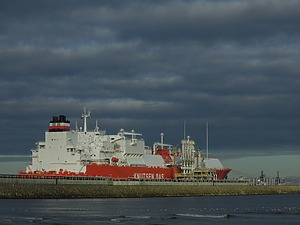
Iran has floated a limited concession in talks with the US, saying ships could pass freely through the Omani side of the Strait of Hormuz without attack if a broader deal is reached. Still, the offer appears mainly symbolic and does not yet solve the shipping crisis in the waterway that carries about 20% of global oil and LNG flows. Hundreds of ships and 20,000 seafarers remain stuck in the Gulf after the war that began on February 28, though a ceasefire started on April 8.
Tehran is reportedly still seeking leverage, with one source saying the proposal depends on whether Washington meets Iran’s demands. Meanwhile, the International Maritime Organization (IMO) officials welcomed safe transit, while the industry rejected Iran’s earlier proposals to charge tolls or assert sovereignty over the strait, which they say would breach maritime conventions.
Further reading: Exclusive: Iran proposes letting ships exit safely through Oman side of Hormuz, source says
Editor’s Note: The opinions expressed here by the authors are their own, not those of impakter.com — In the Cover Photo: Guy refilling an airplane. Cover Photo Credit: Jose Lebron on Unsplash