Seattle is a progressive city, known for its record-breaking growth, technological innovations, interest in a sustainable future and a willingness to embrace change. Our community has incredible assets and we are riding an unprecedented wave of prosperity, growth and new business ideas. We are the envy of many.
Yet, our prosperity leaves many behind and the disparities between rich and poor are growing in our community. Addressing these disparities is a critical role for the philanthropists who Seattle Foundation partners with, who seek to have impact on these challenges with a systems-oriented approach and a lens on equity.
When we look at what sustainability means for a region or a city, we must look beyond traditional definitions of environmental concerns and the challenges of rapid growth.
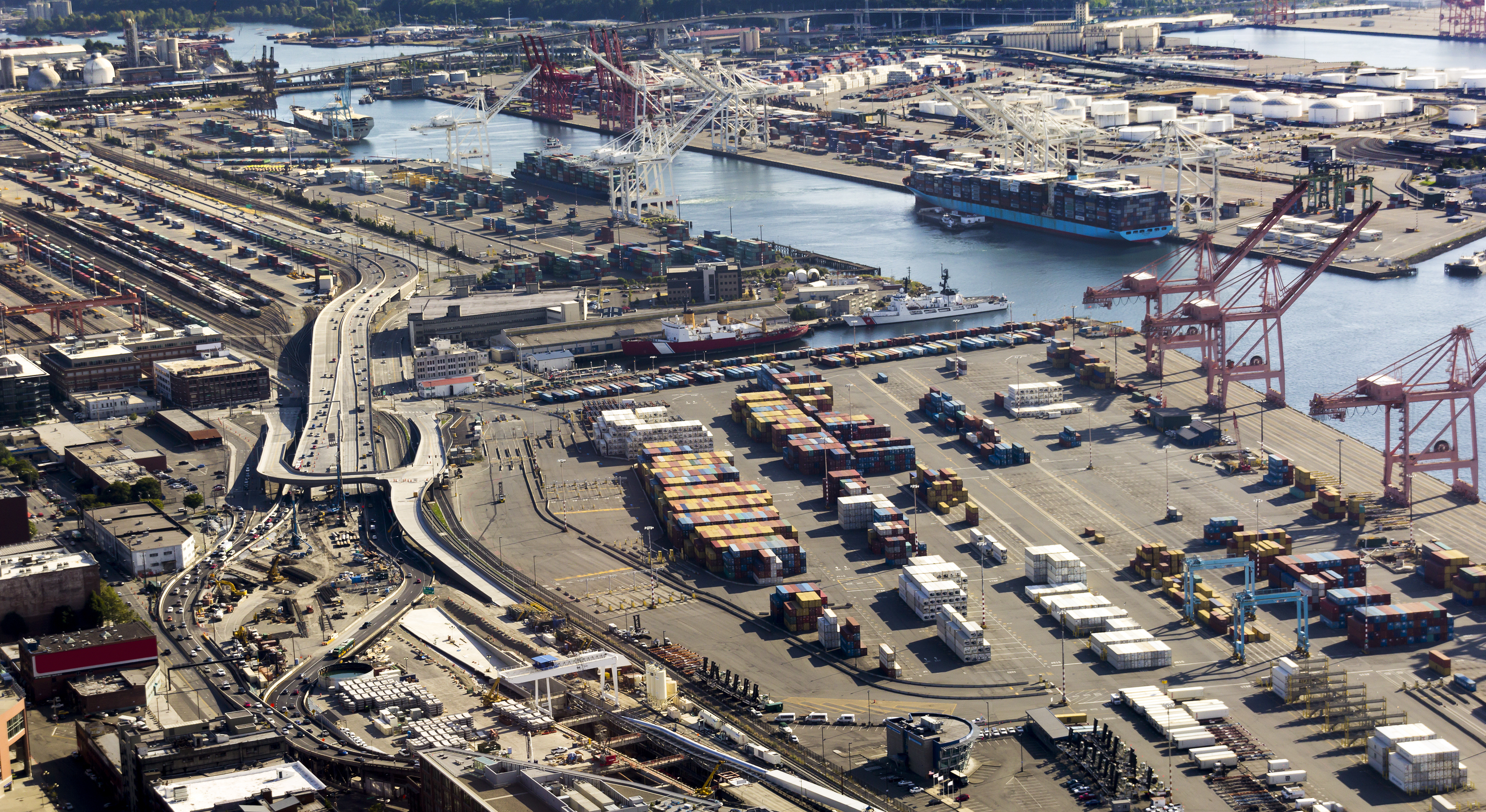 In the photo: Ending at a port and emptying out into Elliot Bay, Seattle’s polluted Duwamish River is the heart of industry in the city.
One of the ways that these inequities are affecting our residents and communities is perhaps less obvious than others. When it comes to climate change, people tend to think on a global scale and to be overwhelmed by the scope of the problem. At Seattle Foundation, we are taking a different approach.
We are taking a more local lens to climate change by making a commitment to focus on those who experience its negative impacts first and worst: low-income people and communities of color. We have just launched a Climate Justice Impact Strategy, a comprehensive, multi-year effort to support these communities in finding solutions and mitigating the effects of climate change that they experience disproportionately.
We are making this commitment and using our voice and civic leadership on this issue because doing so is key in ensuring that our community is vibrant, inclusive and sustainable. This Climate Justice Impact Strategy unites the work of the Foundation and harnesses our full range of tools: expertise, research, grant funding and influence.
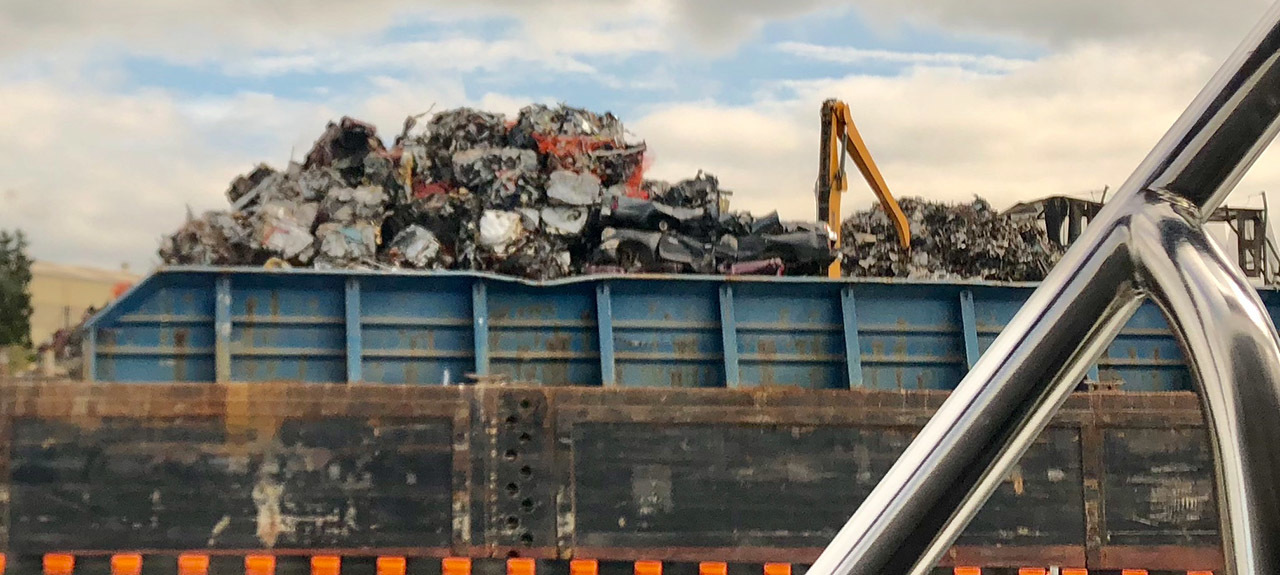 In the photo: Even though the Duwamish River is contaminated with more than 40 chemicals above recommended levels for human health, it remains a popular place to fish, especially for Native tribes and ethnic communities.
While climate change affects everyone, it does not affect everyone equally. We know that vulnerability to climate change is a combination of exposure, risk and the capacity to adapt.
In Washington state, 46 percent of all toxic sites are in areas mostly populated by people of color, while 56 percent are in largely low-income areas. These communities experience the harmful effects of pollution and climate change, including extreme weather events, contaminated drinking water and waterways, poor air quality and more.
One potent example lies along the banks of the Duwamish, Seattle’s only river, the historic center of heavy industry in the city, which flows past giant container cranes, rusting junkyards and large, industrial smokestacks. In this Duwamish River corridor, residents already have a higher environmental burden, with more exposure to air and noise pollution and toxins than other areas of the city.
While climate change affects everyone, it does not affect everyone equally. We know that vulnerability to climate change is a combination of exposure, risk and the capacity to adapt.
The more than 5,000 people who live here reside next to a 5.5 mile Superfund site that will be cleaned up under an Environmental Protection Agency plan throughout 2037. Even though the Duwamish River is contaminated with more than 40 chemicals above recommended levels for human health, it is a regular fishing ground and food source for locals, many of whom are immigrants or members of Native tribes.
Health outcomes in this part of the city, where more than 45 percent of residents speak a language other than English at home, are significantly worse than other areas. That includes a life expectancy eight years lower than the city average and above average rates of diabetes.
When we overlay the outlook for climate change onto a neighborhood already characterized by heavy environmental burdens, we know those inequities will grow. The related effects of climate change, including increased flooding and higher temperatures, will disproportionately affect neighbors in this area.
Fortunately, the residents, city and non-profit groups are working together to mitigate the impacts of climate change and to increase the neighborhood’s resilience to absorb those impacts. Efforts include planting trees in these areas with some of the lowest tree canopy in the city, grant programs to replace heavy equipment and vehicles with electric versions and energy efficiency pilots that incorporate solar power for residential and commercial buildings.
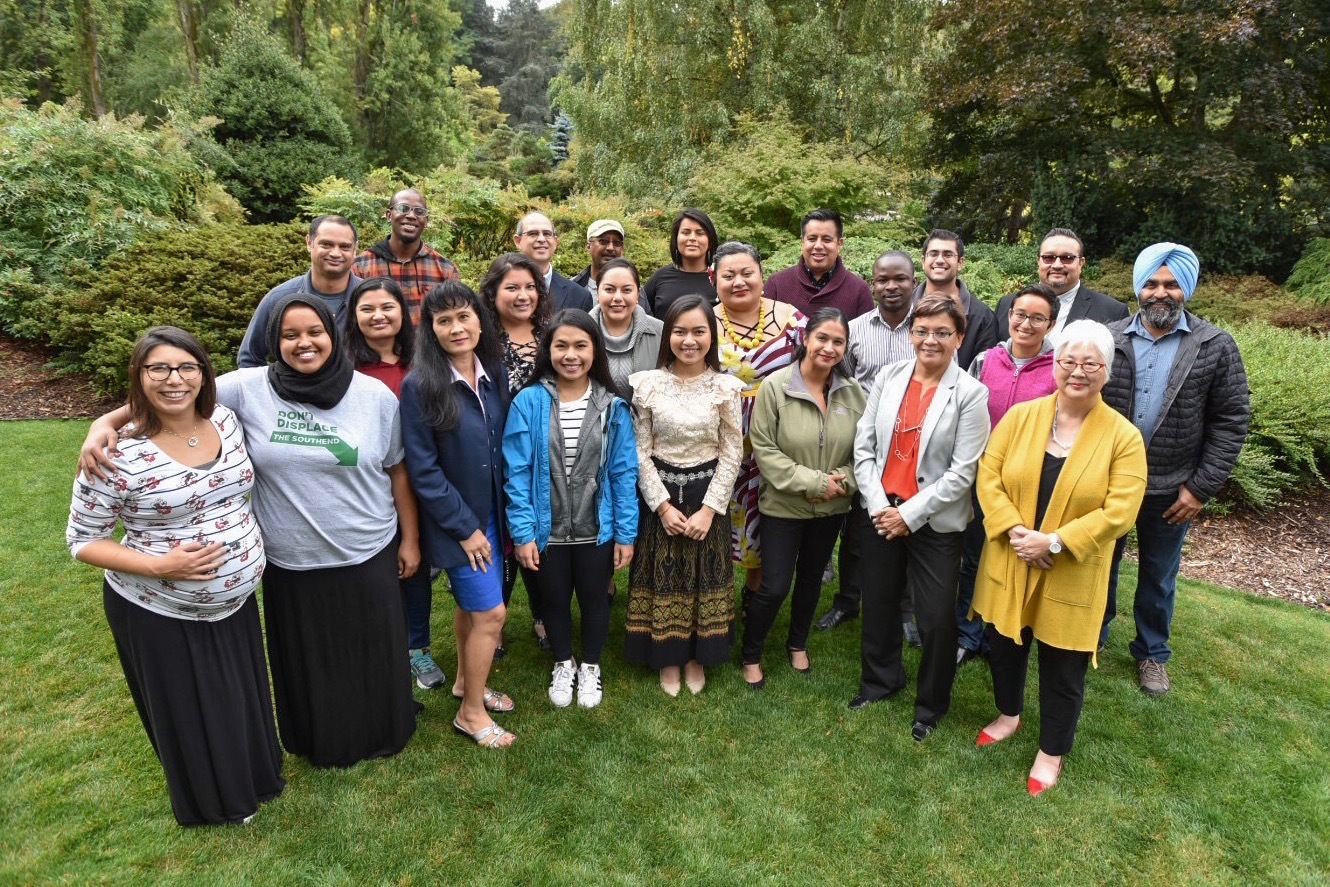 In the photo: Members of the multiracial statewide coalition, Front and Centered, are advocating for climate change policies that decrease carbon emissions and invests in underrepresented communities. Photo credit: Front and Centered.
Equally important to the many efforts to clean up the river and to mitigate the harms of climate change is the need to ensure that the impacted communities are leading the way to the solutions.
Research shows that resources and social cohesion help determine a community’s ability to cope with the impacts of climate change. Given the place-based nature of climate change-related risks, community members are likely to be the experts in developing and deploying solutions that bolster their resilience to climate change. Our Impact Strategy is aimed at building power within underrepresented communities to advance their ability to influence decision makers. We continue to learn a lot from community neighbors in ensuring that philanthropy and the public sector support their needs and voices.
As part of our Impact Strategy, Seattle Foundation recently funded a new academic report on climate justice called An Unfair Share. Authored by the University of Washington’s Climate Impacts Group and Front and Centered, the report explores how who you are, where you work and where you live are all key factors in how you experience the impacts and risks of climate change.
According to the report, high temperatures in the Puget Sound region are projected to increase significantly on the hottest days. This will particularly affect people who work in agriculture, construction and other outdoor jobs – many of whom are people of color – and will increase their exposure to heat-related health risks.
The report also incorporates important community-based perspectives from frontline communities sharing their concerns about climate change. These were gathered in a series of listening sessions across the state, hosted by Front and Centered, an environmental justice coalition of more than 60 organizations, many of whom represent communities of color.
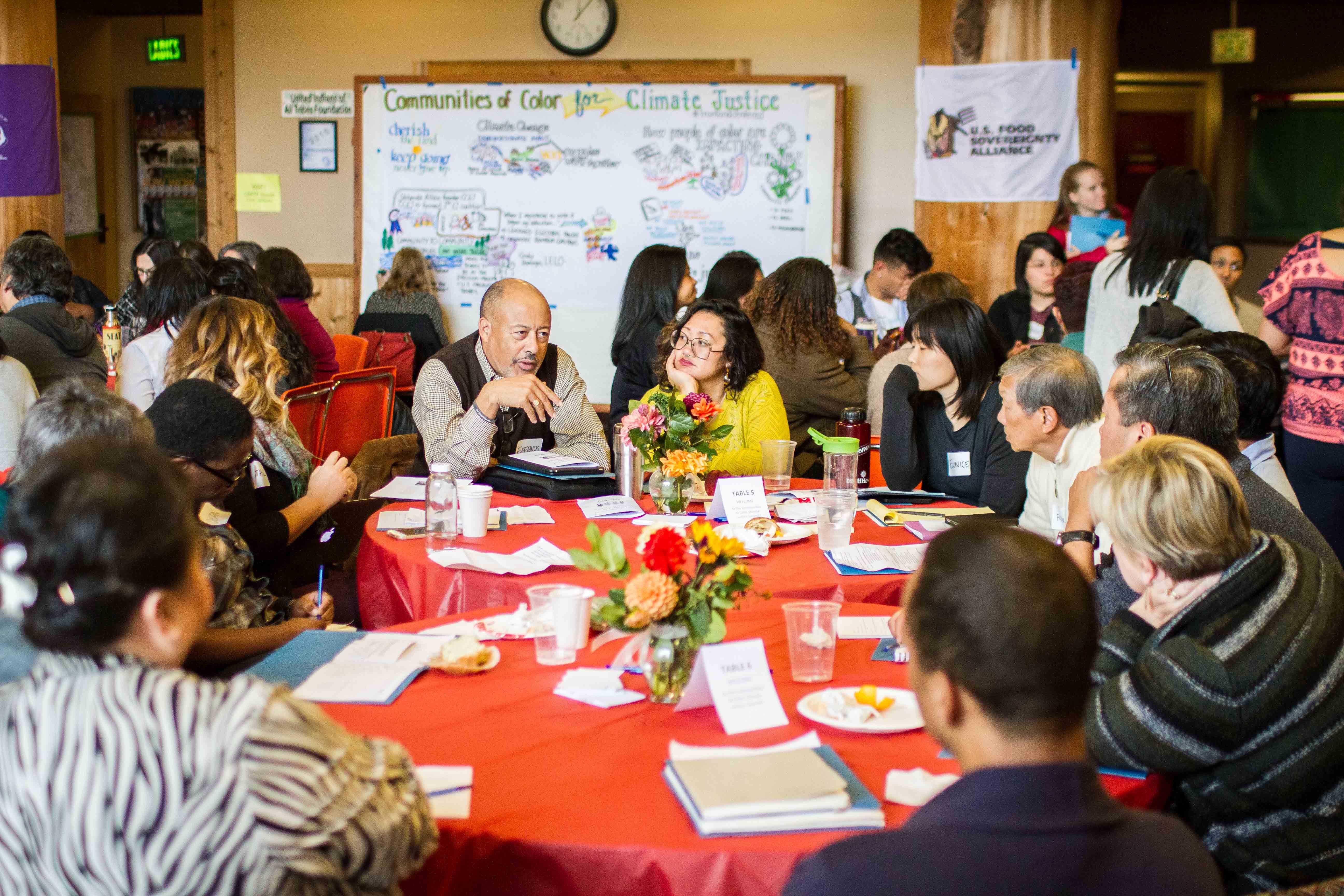 In the photo: Communities of color gather for a summit on climate justice in Seattle.
This November, Washington voters will have an opportunity to pass a first-in-the-nation, voter-approved carbon fee, Initiative 1631, to reduce carbon pollution and reinvest the proceeds in communities and clean energy technology. I-1631 is developed and supported by a broad coalition of diverse social justice, environmental, business and community groups. Revenue from the fee will also provide tools and resources for communities of color and low-income communities to fight the impacts of climate change and to find the solutions that work for them.
Related Articles:
“HOME DESIGN FOR SEATTLE’S URBAN CORE” by Lane Williams
“SEATTLE, WA: ADVOCATING FOR WHAT’S RIGHT, INVENTING THE FUTURE” by Jenny A. Durkan
We are proud to support the organizations leading this critical work toward climate justice and we believe that any path to long-term sustainability must include it.
Ensuring that communities of color and low-income communities are leading and shaping efforts to reduce the disproportionate effects of climate change they experience will benefit everyone and make our region stronger and more sustainable.