
Today’s ESG Updates
- EU to Introduce Limits on Vehicle Imports From China: Following an official meeting in Beijing, a newly confirmed plan for a hybrid vehicle import cap would halve China’s market share to just 3%.
- Saudi Arabia Aims to Disconnect From the Strait of Hormuz: State-controlled Aramco is now studying two new crude export routes targeting the Red Sea, aiming to reach 10 mn b/d of output even amid the U.S.–Iran war.
- The Agenda for the Upcoming UK-EU Summit: The main topics of the Brexit “reset” summit will be agri-food trade, a youth mobility scheme, and emissions trading.
- Italy in a Tough Spot Dealing with Its Debt: Italy’s central bank warned on Monday that the country’s budget plans could derail the government’s intention to exit the European Union’s Excessive Deficit Procedure.
Under 350,000 hybrids from China for the EU
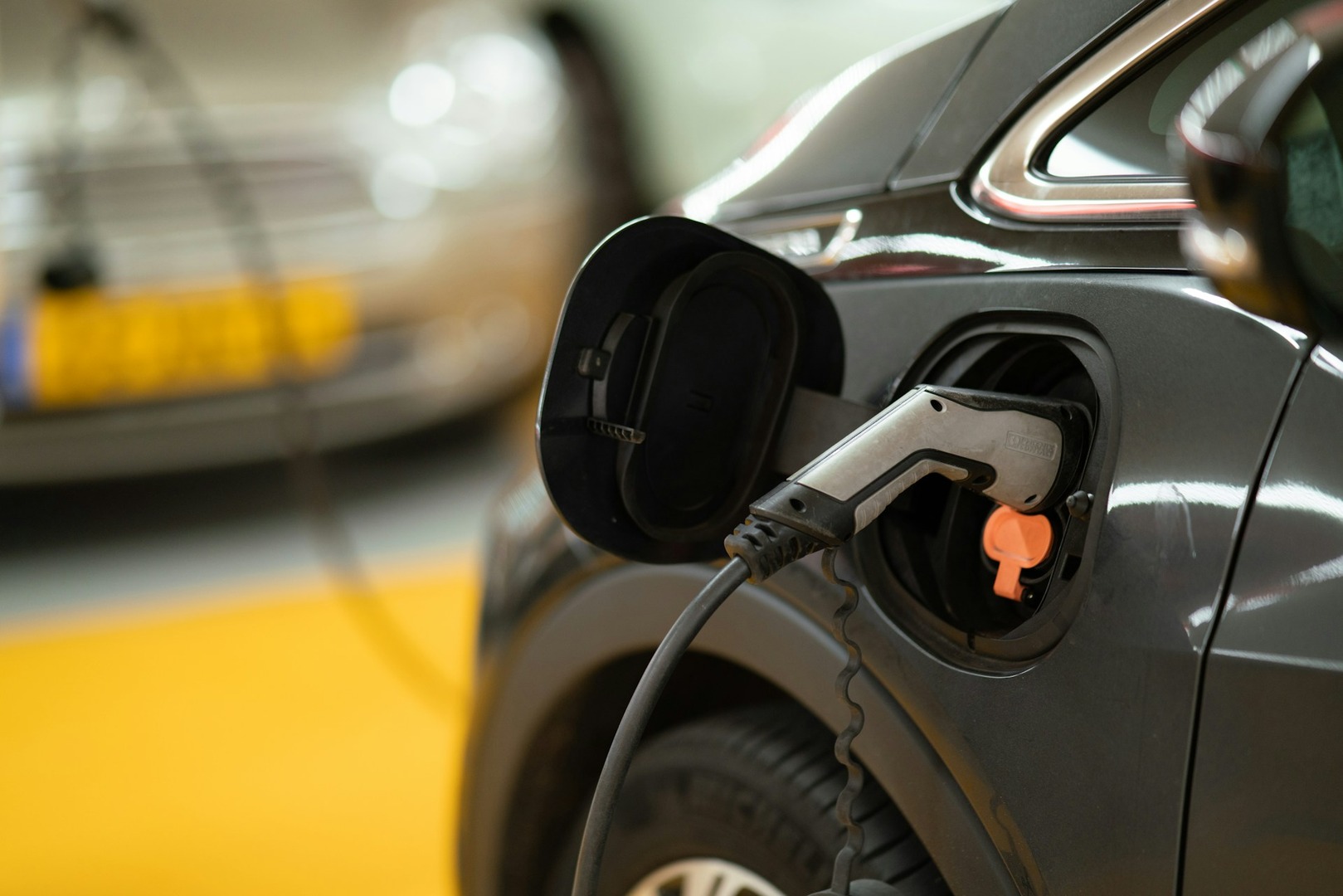
The European Commission has confirmed plans to limit hybrid electric vehicle imports from China. The cap would be 350,000 cars a year, which seems significant because it’s less than half of what’s likely to sell this year: 800,000 vehicles. The quota is expected to decrease China’s market share from 6 to 3%.
Confirmed information suggests the key factor is production location: Chinese vehicles made in Hungary or Spain would not count toward the quota, while EU companies outsourcing production to China would. Chinese customs data show that the country’s hybrid exports to the EU tripled in the first half of this year compared with the same period last year. The value of vehicles reached €6.7bn.
This regulation is part of the deal that followed a meeting between EU and Chinese officials in Beijing last week. The deal also includes China dropping some tariffs on auto parts and cutting duties on EU footwear, olive oil, and ice cream.
Klimado – Navigating climate complexity just got easier. Klimado offers a user-friendly platform for tracking local and global environmental shifts, making it an essential tool for climate-aware individuals and organizations.
Saudi Arabia explores transportation opportunities to bypass the Strait of Hormuz
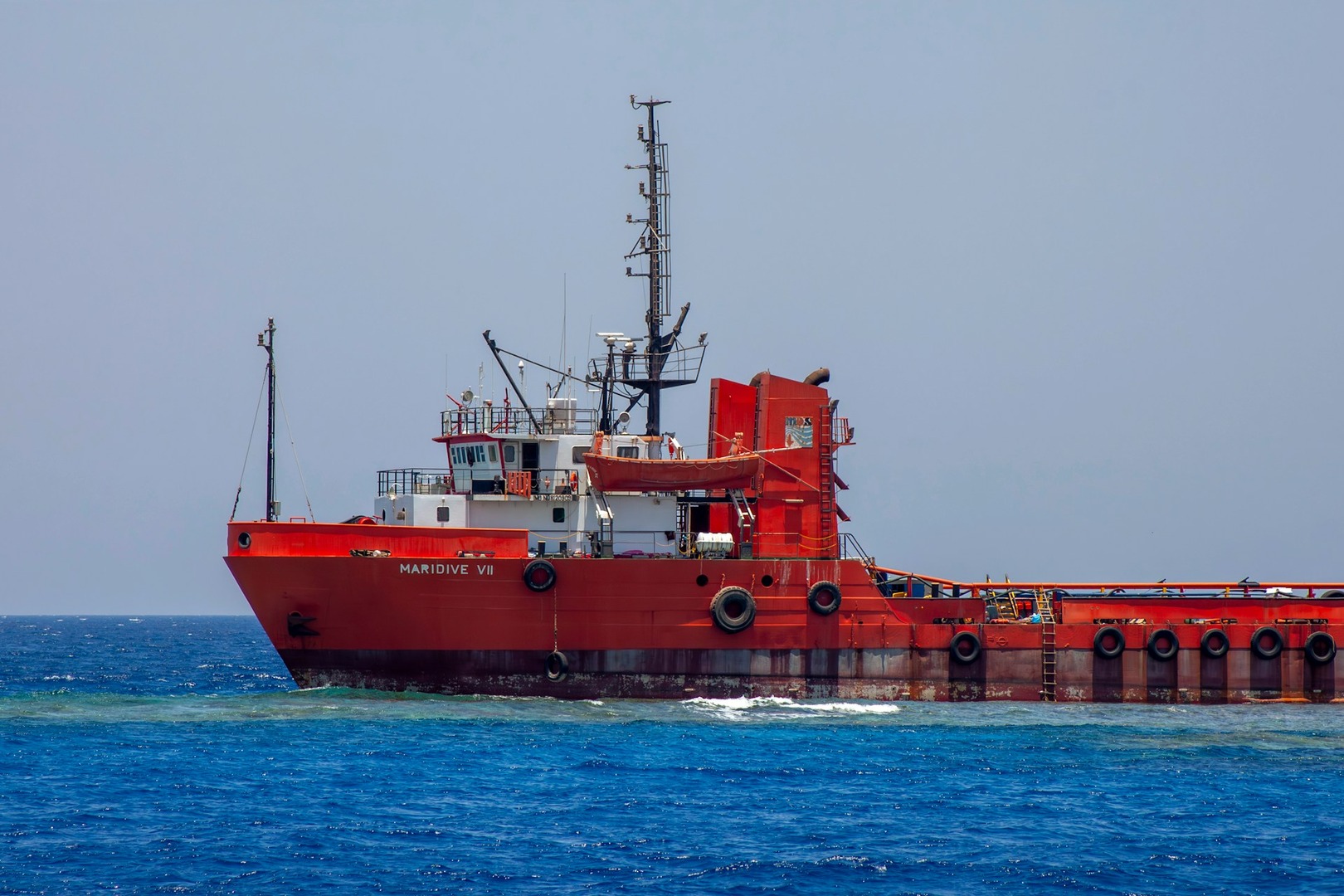
Since the start of the U.S.-Iran war, Saudi Arabia has used the East-West crude pipeline to channel part of its 7 million barrels-a-day production to the Red Sea. The state–controlled Aramco is now looking for new export routes, studying two new ones in addition to the three already used. As a result, Riyadh officials say capacity would increase by 3 million barrels a day, bringing the total to 10 mn b/d.
A new plan also covers a gas pipeline that will also serve dual-use for oil. It would allow the country to send an additional 1.2 mn b/d of crude within seven to eight weeks, but only until May, when it would have to switch back to gas for peak demand season. In addition, Saudi Arabia began exploring partnerships with Kuwait, Qatar, and Bahrain, which had no capacity to divert their oil away from the Strait.
Related Articles
Here is a list of articles selected by our Editorial Board that have gained significant interest from the public:
Upcoming UK Brexit ‘reset’ summit will include emissions trading

Britain and EU officials will hold a yearly summit in Brussels at the end of November. The main topics will be agri-food trade, a youth mobility scheme, and emissions trading. UK Prime Minister Andy Burnham said he wanted to secure a deal on the agreements initiated by Keir Starmer, then move on to forming even closer relations. Antonio Costa, the president of the European Council, said that improving cooperation was essential.
“The European Union and the United Kingdom are like-minded partners, united by common values and shared interests,” he said in a statement.
The summit was postponed from its intended July date after the collapse of Starmer’s administration.

Italy’s hot discussions on country’s deficit

Italy’s central bank issued a warning on Monday that the country’s budget plans could derail the government’s intention to leave the European Union’s Excessive Deficit Procedure.
According to Italian Prime Minister Giorgia Meloni, the country expects its deficit to fall to 2.9% of GDP in 2026, below the EU ceiling of 3%. However, it would then rise to 4% in 2027 and 3.2% in 2028. Defense spending and energy relief under the EU national escape clause will facilitate this.
While the escape clause will make it difficult to initiate a new investigation against Italy, it does not necessarily mean the country under investigation will receive automatic exit clearance. Brussels must be persuaded that the country’s fiscal reforms are sustainable.
Editor’s Note: The opinions expressed here by the authors are their own, not those of impakter.com — Cover Photo Credit: Michael Fousert