In 2025, as in previous years, Impakter readers turned in large numbers to stories examining climate change and pollution, environmental degradation, litigation and activism, threats to global biodiversity, public health vulnerabilities, geopolitics, technology, and business — as interconnected forces reshaping our societies, and always with a strong focus on solutions.
Presented here are the 20 most-read stories on Impakter this year.
20. Toxic ‘Forever Chemicals’ Are Everywhere: How to Address the Global Emergency
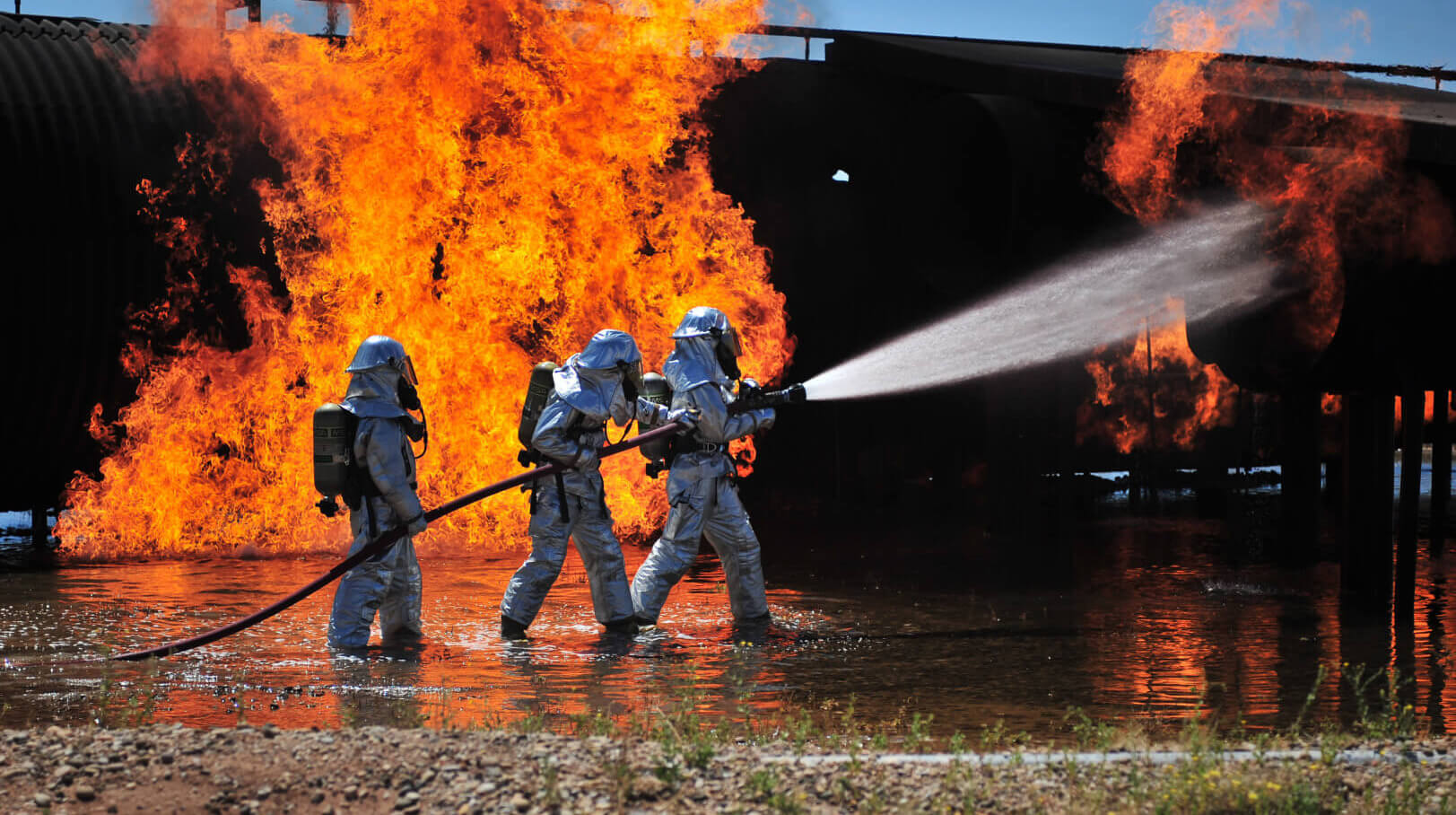
Per- and polyfluoroalkyl substances (PFAS), often called “forever chemicals,” represent an unseen crisis and a growing global threat. These highly durable synthetic compounds are now found virtually everywhere — contaminating water, soil, air, food, and indoor environments.
In this piece, CEO of the Waterkeeper Alliance Marc Yaggi explored ways to address the global health crisis posed by forever chemicals.
19. Extreme Heat Threatens 2026 World Cup, Scientists Warn

This summer, scientists warned that without scheduling changes, extreme heat could put players and fans at serious risk during the 2026 FIFA World Cup, set to be co-hosted by the United States, Mexico, and Canada.
The FIFA Club World Cup in the U.S. offered a troubling preview. Held from June 14 to July 13 across 11 cities, the tournament saw extreme heat and thunderstorms force FIFA to adapt protocols — adding extra cooling breaks, more water, shaded benches, and air fans. Some games were even postponed before kickoff or during the game due to weather conditions. Still, Chelsea midfielder Enzo Fernández said he felt dizzy and called on FIFA to avoid afternoon kickoffs next year.
With rising global temperatures, scientists and players alike have urged football’s governing body to act.
18. Meta to Use Chats With AI to Tailor Ads and Content: Should You Be Concerned?

In October, Meta unveiled plans to use information from users’ chats with AI chatbots embedded in Facebook, Instagram, and Messenger to personalise ads and content across its platforms.
“We will start personalizing content and ad recommendations on our platforms based on people’s interactions with our generative AI features,” the company wrote in its press release announcing the move.
The update signals much more tailored content, including posts and reels, appearing on users’ Facebook and Instagram feeds based on their interactions with Meta AI. However, sensitive information regarding topics like users’ religious or political views, sexual orientation, health, racial or ethnic origin, philosophical beliefs, or trade union membership will not be used for content personalisation, Meta says.
17. Brazil’s Carbon Credit Schemes Linked to Illegal Logging
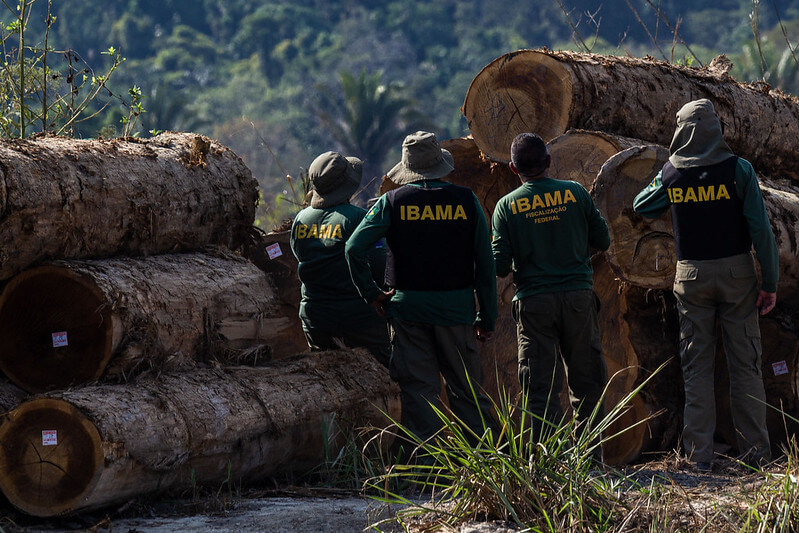
Many conservation projects in Brazil, designed to protect the Amazon rainforest through carbon credits, are linked to individuals and businesses with documented histories of illegal deforestation, according to a Reuters investigation.
In 2023, a similar analysis by the Guardian found that 90% of rainforest carbon offsets by Verra — the world’s leading certifier that had approved carbon credits used by Gucci, Disney, and Shell (among other big corporations) — are likely “‘phantom credits’ [that] do not represent genuine carbon reductions.”
These ongoing findings raise important questions about the effectiveness of voluntary carbon offset schemes in supporting environmental protection efforts.
16. Bird Flu: What the First Death From Rare H5N5 Strain Reveals About US Public Health

A resident of Washington State died in November after contracting the H5N5 avian influenza, according to the Washington State Department of Health (DOH). This was the first reported human infection with the H5N5 strain of the influenza virus.
H5N5 influenza viruses are a type of avian influenza (bird flu) — an influenza A virus that infects birds. Bird flu viruses are classified as either “high pathogenicity” or “low pathogenicity” based on the severity of symptoms they cause in poultry (their severity also varies in other bird species). This H5N5 strain, like the widespread and much-reported-on H5N1 strain, is one of the highly pathogenic forms.
While the good news is that the infection and its origins were quickly identified and follow-on actions taken, the case underscores how important it is to have the necessary expertise, as well as collaboration between state and local health agencies, and the Centers for Disease Control and Prevention (CDC) Epidemic Intelligence Service (EIS) which, if needed, can coordinate a national response and tailor interventions appropriate for different communities.
15. Global Peace Index 2025: War Is on the Rise Everywhere

According to the Global Peace Index 2025, an annual report issued by the Institute for Economics and Peace (IEP), global peacefulness continued to decline in 2025, with more countries dedicating more of their budgets to militarisation as geopolitical tensions rise, traditional alliances weaken, and economic uncertainty continues unabated.
The 2025 results indicate that the average level of global peacefulness fell by 0.36%, marking the 13th decline in peacefulness in the last 17 years, with 74 countries improving and 87 deteriorating in peacefulness.
14. Bee Populations Are Declining Faster Than Ever Before
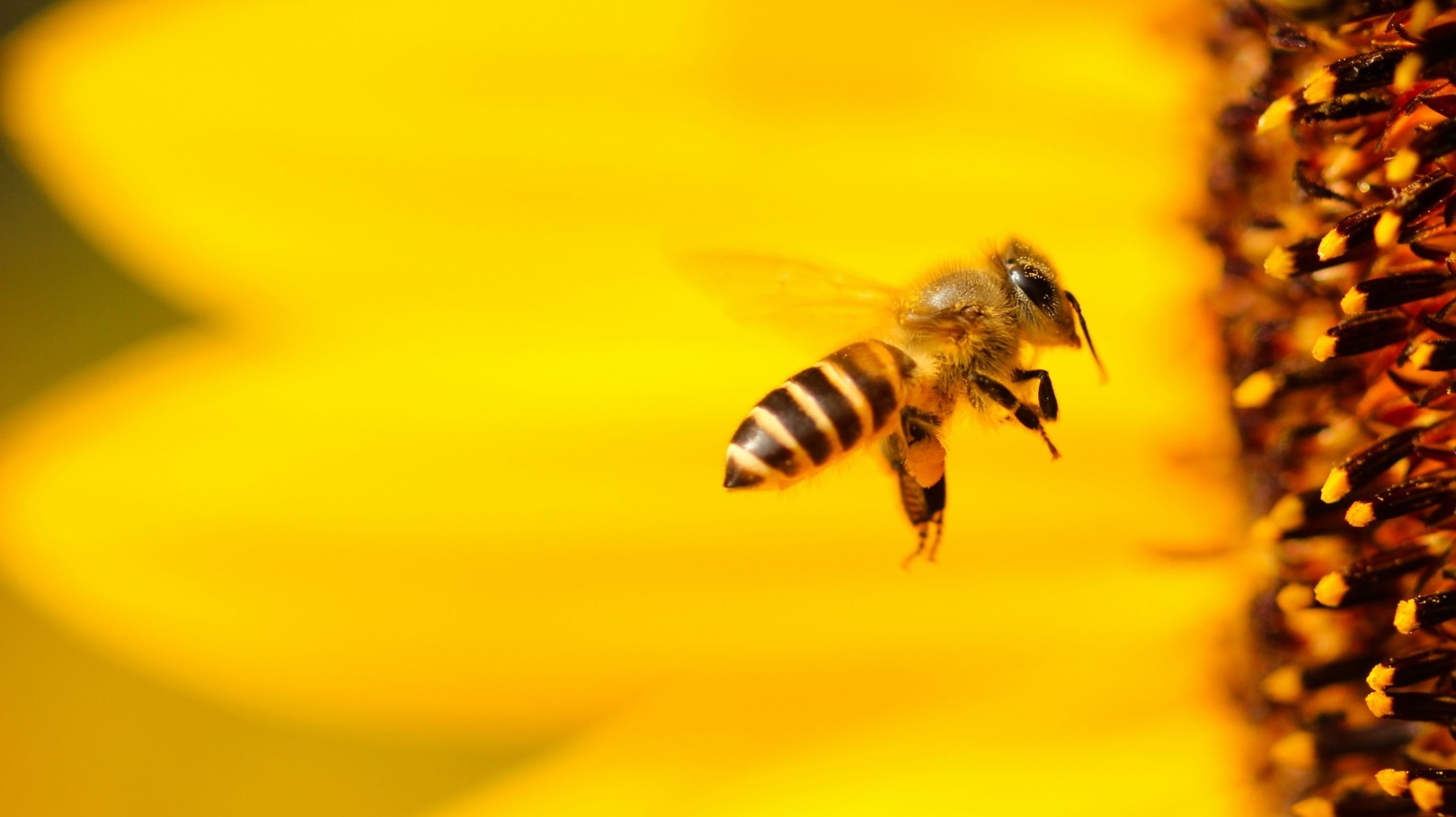
The phrase “the birds and the bees” is a story many parents tell their children to deflect the question, “where do babies come from?” And the title of a song by Jewel Akens, “The Birds and the Bees,” written 60 years ago, is about the natural world, flowers, trees, and, of course, birds and bees.
These are lovely thoughts to be sure, but unfortunately there are far fewer bees now in the United States, in Europe, and elsewhere, posing serious threats to food security and biodiversity. While the same is largely true for birds, which are also pollinators and in serious decline, the focus here is on bees.
In short, their losses are far more damaging than most of us are aware of or think much about.
13. Big Finance Is Making Millions in Lawsuits Against Environmental Legislation
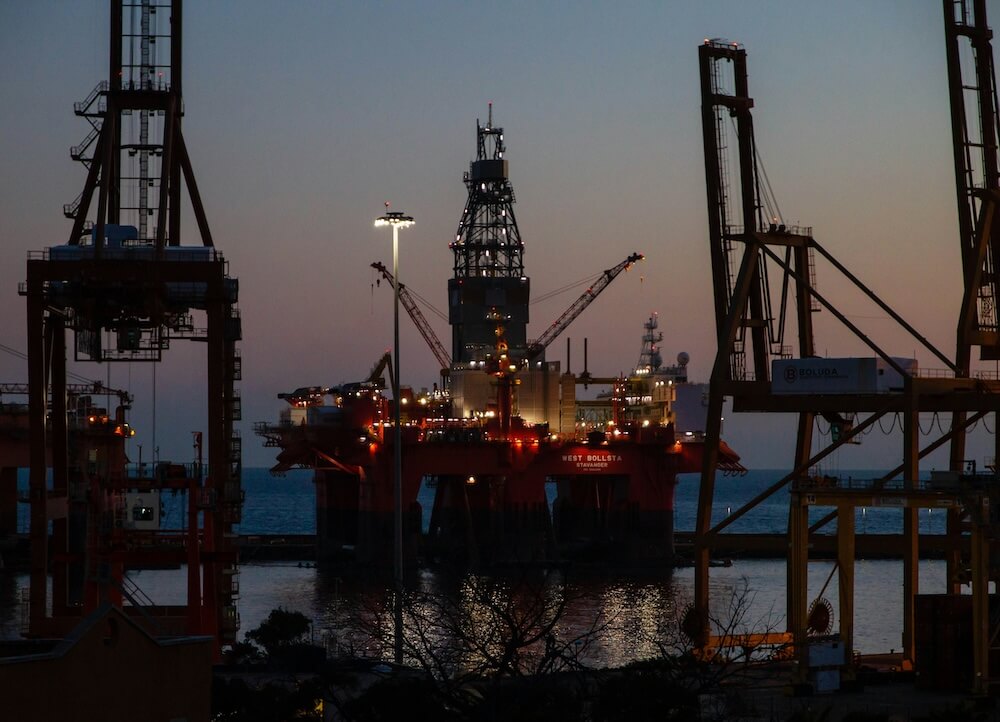
Fossil fuel and mining companies have won almost $92 billion of public money using investor-state dispute settlement laws. It would appear that environmental legislation unwittingly provides them with yet another opportunity to make money and line the pockets of hedge fund shareholders.
Aside from the hefty payouts, financial speculators are investing in these lawsuits submitted by corporations against governments over the effect of environmental legislation that hurts profits.
12. How Big Tech’s Data Centers Are Draining Water-Stressed Regions

In some of the driest areas of the world, Amazon, Microsoft, and Google operate data centers that use large amounts of water. A recent investigation by The Guardian newspaper and SourceMaterial found that the tech giants are planning to expand their data centers across the United States and abroad, potentially impacting already water-scarce areas.
As artificial intelligence (AI) surges and cloud computing becomes the backbone of the digital global economy, the infrastructure powering this transformation — data centers — is under increasing scrutiny. While these facilities drive technological innovation, they also require huge computing power and vast amounts of water to cool their servers, raising serious sustainability concerns.
11. Charlie Kirk: A Very Special Funeral

On September 21 at State Farm Stadium in Arizona, around 60,000 people attended the funeral of Charlie Kirk, a renowned right-wing speaker, photogenic author, on-air personality, promoter of gun rights and a vehement opponent of abortion and transgender rights. He was murdered on September 10 while speaking at a university in Utah.
Kirk had hundreds of thousands of followers spellbound by his passion, good looks and vitriol during his Prove Me Wrong debates across the United States. His book jackets looked terrific.
10. Gun Violence in America Is a Public Health Threat
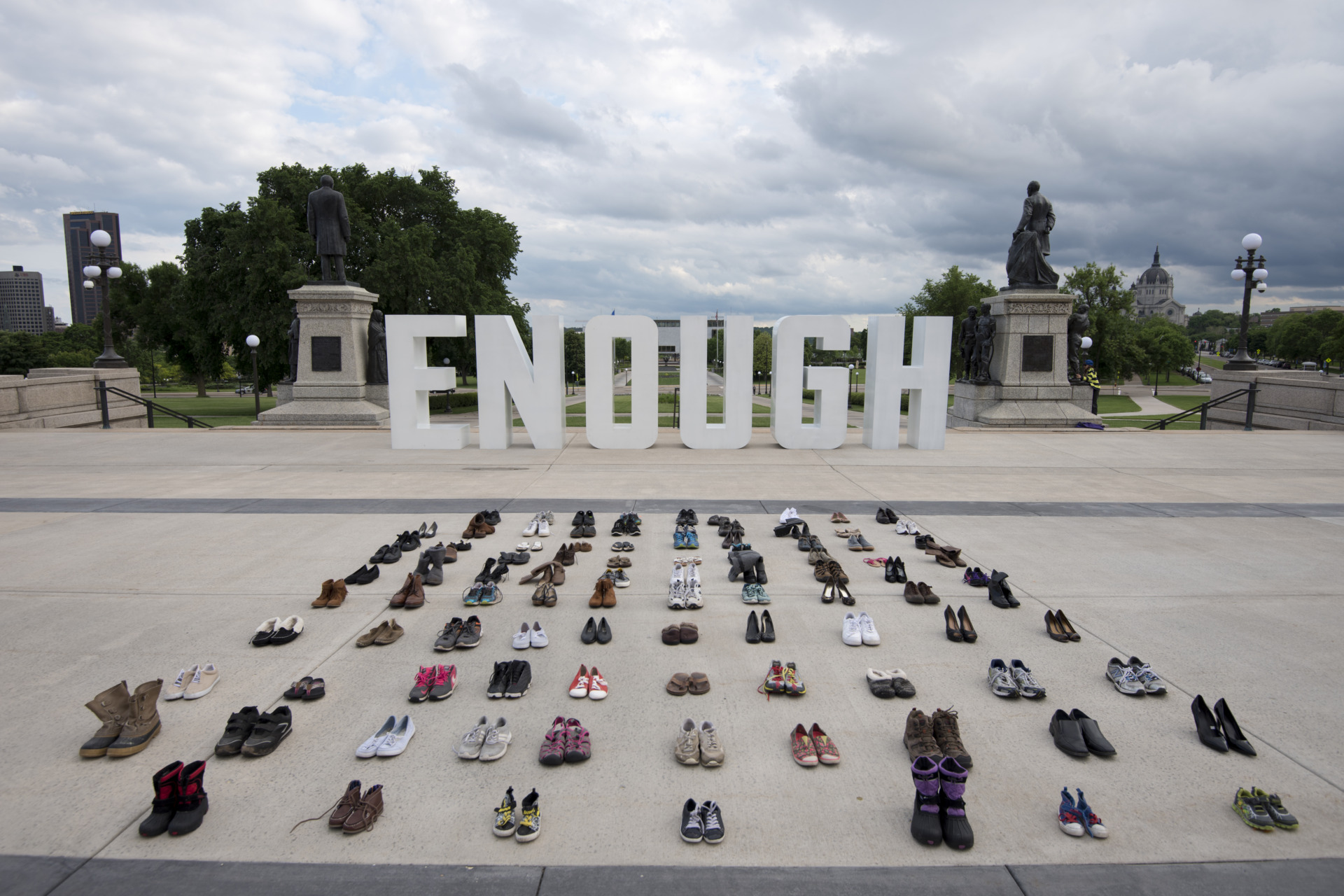
No vaccine or new pharmaceutical is needed to address a uniquely American public health crisis. Although it is a health risk for everyone, it is especially harmful to children, who are the greatest victims of gun violence in America, bearing much of the physical, emotional, and developmental pain.
This public health threat warrants urgent attention. A properly empowered, funded, and staffed Centers for Disease Control and Prevention can make a big difference to the health of all of us.
9. Shein’s Carbon Emissions Skyrocket: What’s Behind the Surge?

The fashion industry accounts for around 8% of global greenhouse gas emissions. It is one of the largest contributors to pollution worldwide and a significant consumer of water. The David Suzuki Foundation, a non-profit environmental organization based in Canada, reported that clothing consumption has increased by 400% over the past 20 years, with approximately 80 billion units of clothing sold annually.
In the world of fast fashion, Shein may be one of the most talked-about brands. From concerns over workers’ rights to TikTok “hauls,” the Chinese fast fashion giant is constantly in the media. Now, Shein is once again facing greenwashing allegations as its carbon emissions have exploded in 2024.
8. The US Dollar Is Falling…Up
The world stands on the precipice of immense geopolitical turmoil, with central banks, once steadfast in their reliance on the US dollar, now turning to gold and silver. This shift is driven by mounting fears surrounding the crippling interest payments on staggering US government debt.
So why is the dollar falling…up?
7. Is the UN in Danger of Financial Collapse?

The United Nations (UN) came into existence in 1945 after 29 countries ratified the Charter. Only about 1% of those who were born between 1930 and the 1940s are alive today, meaning 99% of us have lived our entire lives during a time when the United Nations Charter was in force, and have benefitted from its role in maintaining international peace and security, promoting human rights, and fostering social and economic development.
By the Charter, five countries were given UN Security Council veto power, namely the United States, China, Russia, France, and the United Kingdom. This special authority is implicitly reflected in the most recent mandated UN budget contributions, which “require” the United States and China to contribute 42% of the total (this amount does not reflect contributions to the UN peacekeeping operations and other activities, with expenditures totaling over $67 billion).
Without the United States and China making mandatory payments, this crucial institution’s survival is in jeopardy.
6. The Lawsuit That Could Redefine Environmental Protest

Around the world, a growing number of large corporations are using litigation to deter public criticism. These legal actions, known as Strategic Lawsuits Against Public Participation (SLAPPs), are increasingly being used to drain advocacy groups and activists of time, resources, and credibility.
There is a growing gap between corporate actions and consumer expectations, with 75% of consumers preferring companies with a reputation for sustainable and ethical practices. SLAPPs offer companies short-term control over a narrative, but they can backfire as they erode public trust and signal to investors and consumers that they are unwilling to engage transparently with criticism.
In March, this legal strategy took center stage in North Dakota, where a county jury of nine found Greenpeace liable for defamation over its opposition to the Dakota Access Pipeline. In a $660 million case brought by the oil company Energy Transfer, both Energy Transfer and Greenpeace invoked the First Amendment, raising pressing questions about the limits of free speech in the context of environmental protest.
At the center of the case was a fundamental dispute over how far advocacy can go before it becomes unlawful interference in a company’s operations, and whether Greenpeace crossed that line during the protests at Standing Rock.
5. Tariffs and Toilet Paper: What Happens to the Bottom Line?

In April, the media focused on the enormous impact of the April 2nd Liberation Day tariffs on the projected costs of cars, cell phones, construction materials, and the like. But there was one product — bathroom tissues, aka toilet paper — that is of common use by virtually everyone, from newborns to geriatrics.
Toilet paper is unique in that it is of service for every gender, ethnicity, religious, or political persuasion. There is food, of course, which is something we all consume, but varied diets mean different impacts depending on an individual’s habits and preferences — whether you eat bananas, pasta, or hamburgers, or drink coffee is a personal decision.
It will not be possible to gauge the actual impact on the cost of this necessity, given the unpredictability of what and how the Trump Administration does with the announced tariffs. Nonetheless, looking at where much of the materials come from and the process of making bathroom tissue can offer a glimpse of what to expect in the future.
4. The 2°C Target Is ‘Dead,’ Says Top Climate Scientist

The 2°C climate target, set out by the 2015 Paris Agreement and internationally accepted, is “dead,” said climate scientist Dr. James Hansen in February.
Hansen and his colleagues concluded that the climate’s sensitivity to fossil fuel use and emissions is greater than previously thought. If Hansen’s analysis is correct, while being more extreme than other estimates, extreme weather events will occur with more frequency and intensity going forward, and more “tipping points” will be reached, from which the Earth won’t be able to heal.
Hansen is a former NASA scientist and is considered the father of global awareness of climate change. He famously called the Paris Agreement, a result of the UN Climate Change Conference in December 2015, a “fraud.”
“It’s just bullshit for them to say: ‘We’ll have a 2°C warming target and then try to do a little better every five years,’” said Hansen in response to the conference. “It’s just worthless words. There is no action, just promises. As long as fossil fuels appear to be the cheapest fuels out there, they will be continued to be burned.”
Ten years later, Hansen’s statements ring harsh but true, as 2024 was the warmest year on record according to the World Meteorological Organization. The past ten years all rank in the top ten warmest in history. Now, almost a decade after the 2°C target was set, Hansen is even more pessimistic.
3. What the 3.5% Rule Tells Us About Protest Success
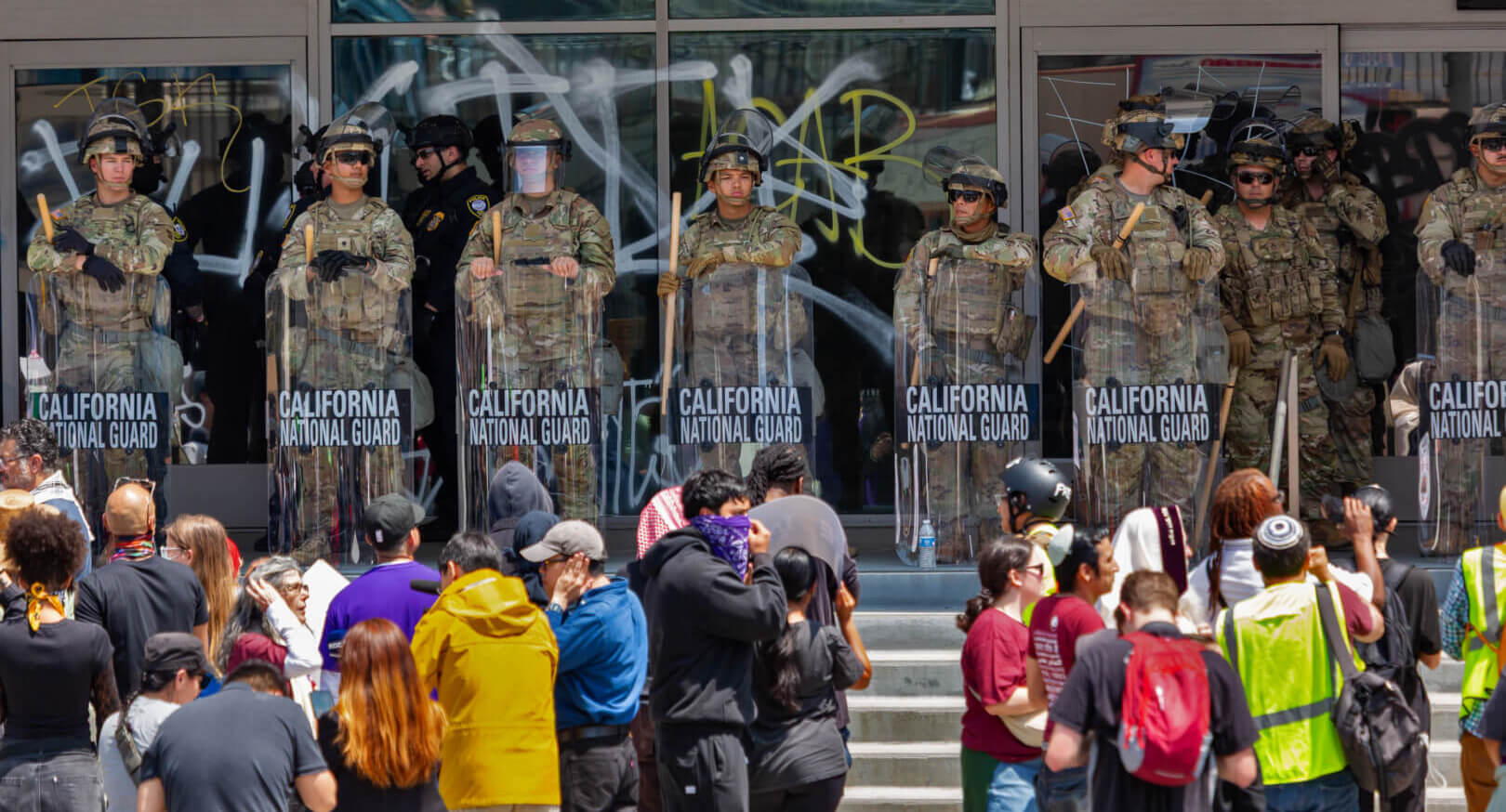
The “3.5 rule” is a set of conclusions from research conducted by Erica Chenoweth and Matthew Stephan, authors of “Why Civil Resistance Works.” They reviewed historical data and found support for the notion that a government could not successfully withstand a challenge when 3.5% of its population actively mobilized against it. Further, comparing violent to nonviolent approaches, they found that violence tends to breed further violence and that nonviolent strategies are often more inclusive, allowing for greater solidarity among diverse groups.
Nonviolent protests can appeal to a broader range of individuals, people who may be empathetic to the cause but unwilling to engage in or support violence. Nonviolent strategies are also better able to undermine the narratives that regimes often utilize to justify crackdowns on dissent.
By portraying demonstrators as violent or aggressive, regimes will seek to galvanize public support against them. Nonviolent movements can challenge such narratives by showcasing their purpose and commitment to peaceful change. Those now engaging in protest or planning to protest in the future could take into account past experience in choosing between violent and non-violent protests.
2. Tesla vs. Waymo: The Trillion Dollar Robotaxi Battle
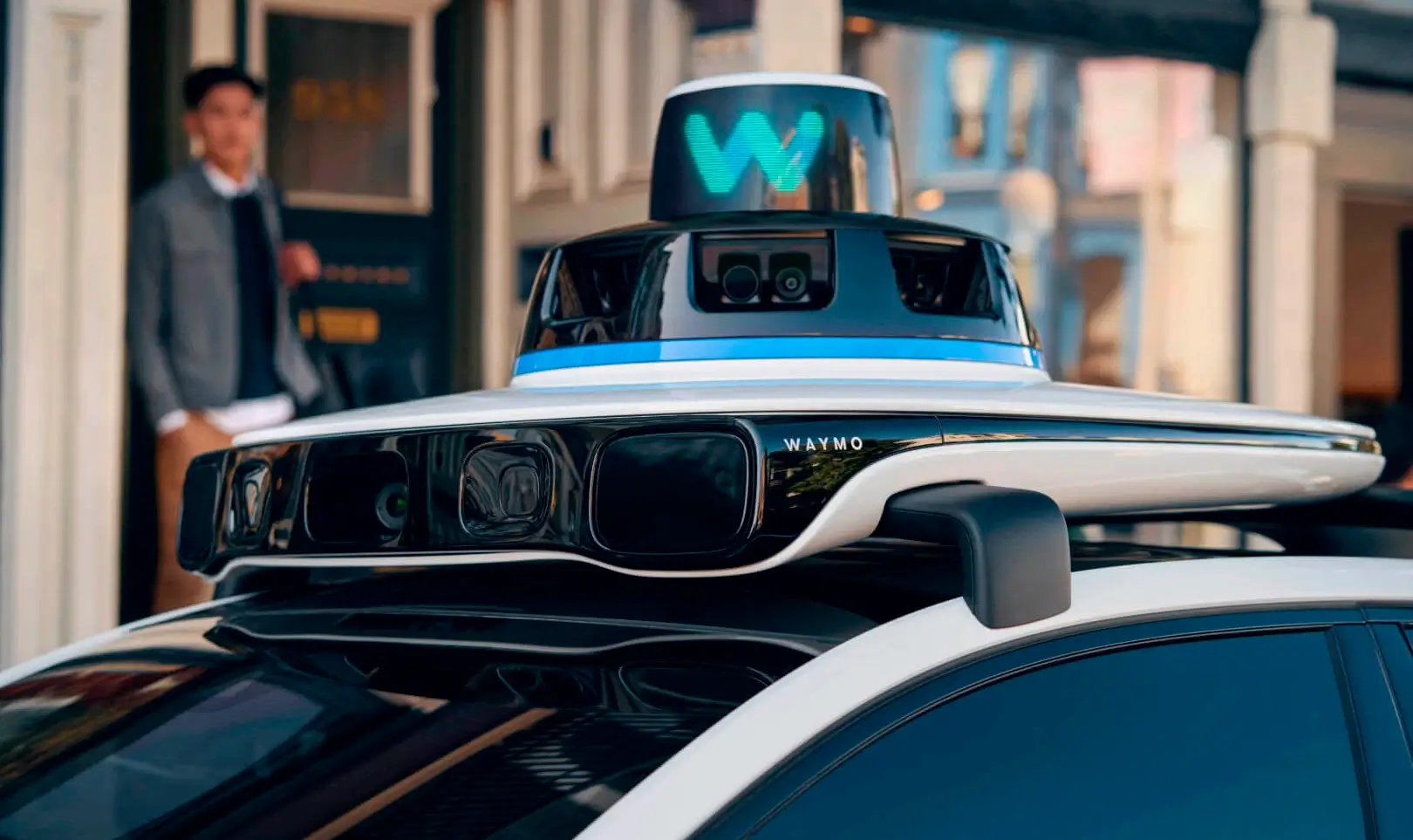
Since the early 2010s, several companies have jumped into the race to have their own fully autonomous self-driving cars. However, the vast amount of research, technical innovation, interdisciplinary domain expertise, and capital required to achieve this has left only a handful of those challengers in the game.
Back in 2022, Cruise, funded by General Motors, was the first to launch a robotaxi service in a major US city. Two years and an accident later, GM decided that it would no longer fund the robotaxi project. Similarly, Uber was very early to the race, but a series of legal battles and involvement in the first known fatality by an autonomous vehicle eventually led to the company pulling out in 2020.
Among the ones remaining in the fight are Tesla and Waymo.
1. Plastic Can Now Help Spread Diseases
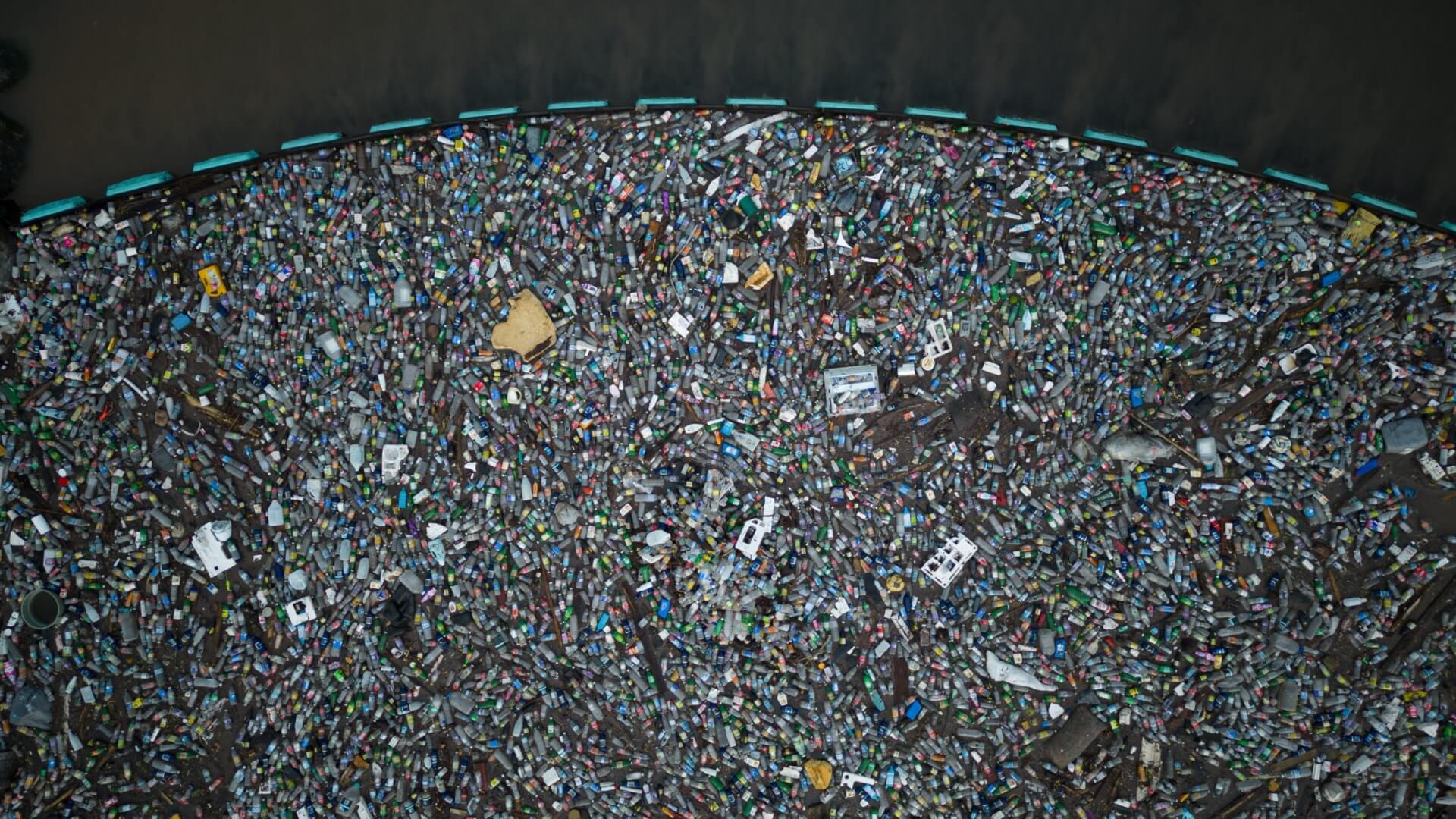
The Great Pacific Garbage Patch is one of the most visible indicators of our ever-expanding plastic addiction. In the North Pacific Subtropical Gyre, the huge rotating current system between California and Hawaii, floating objects tend to get trapped instead of drifting away. This results in a massive accumulation of 1.8 trillion pieces of plastic weighing around 79,000 tons, spread across an area twice the size of Texas.
While the environmental damage is obvious — marine animals entangled in nets, seabirds starving with stomachs full of plastic — the health risks are subtler but potentially more dangerous. Plastics in the ocean act as artificial habitats for microbes and invasive species, creating what researchers call the “plastisphere.”
This environment may incubate pathogens and accelerate antibiotic resistance. Micro- and nano-plastics infiltrate human and animal life through food, water, and the air. The Great Pacific Garbage Patch infiltrates every aspect of the ocean ecosystem, extends to everywhere, and in short, is a public health, One Health challenge.