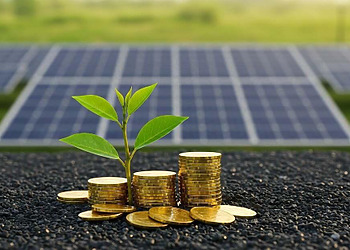
Public funding alone is not enough to achieve the Sustainable Development Goals (SDGs) by 2030. Meeting these ambitious objectives – from ending poverty and hunger to building a more equitable, healthier and greener world – calls for a combination of public and private sector funding.
The FAO Investment Centre works with its partners to promote more and better investment in food and agriculture. The Centre continues to adapt its expertise to respond to new challenges, like COVID-19, and keep pace with a constantly evolving investment landscape. One fairly new trend gaining traction is blended finance – the use of public or philanthropic capital to crowd in private sector investment toward sustainable development.
Nuno Santos, Senior Economist at the Centre, talks about FAO’s work in promoting private sector investment and how blended finance can help small-scale farmers and agribusinesses at risk under COVID-19.
What are some challenges farmers and smaller agribusinesses face now?
Nuno Santos: The global COVID-19 health crisis is a major economic shock that threatens to undermine progress made on the SDGs. Poverty and food insecurity could increase dramatically. The situation is especially difficult for poor rural households in low-income countries that have limited or no options in terms of insurance, credit and risk management. The pandemic is disrupting remittance flows, there are fewer options for casual wage labour, and hotels, restaurants and cafes are facing big challenges to stay afloat. Many small and medium enterprises, or SMEs, in the agrifood sector were credit-constrained and vulnerable to shocks before COVID-19, and even more so now.
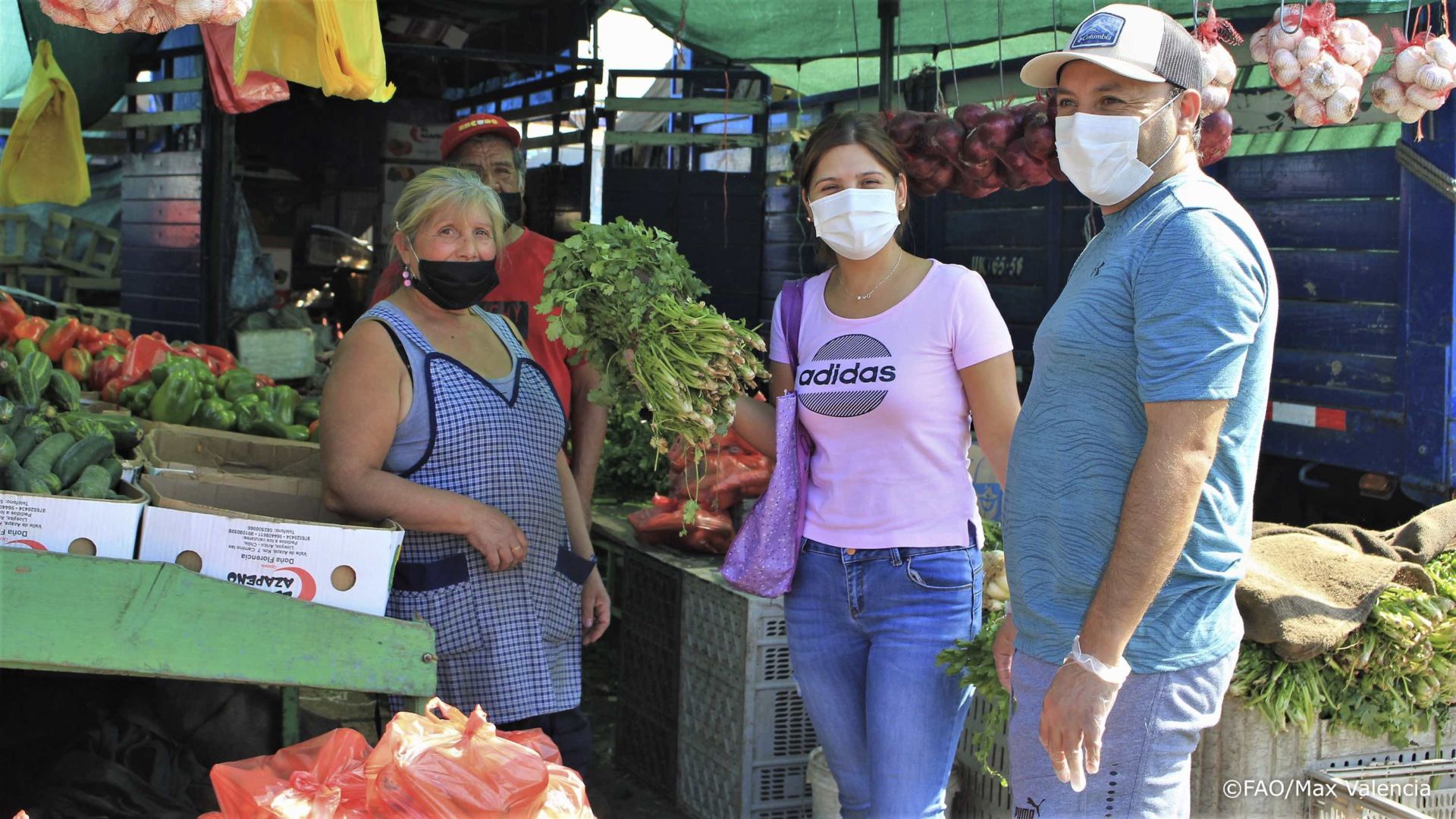
With that said, the pandemic’s negative impacts are not uniform across agrifood chains. Many chains are less affected compared with other sectors like tourism or transport. As a result, there are still many interesting investment opportunities in the agrifood sector.
How can blended finance help?
NS: In recent years, public and private investors have launched blended funds and facilities to finance – via debt or equity – private sector projects that deliver sustainable development impacts while also providing a positive return on investment.
Blended finance can help mobilize much-needed additional capital to keep businesses running and save jobs. And it can reach, often indirectly, smaller underserved farmers and SMEs struggling to access affordable and predictable financing.
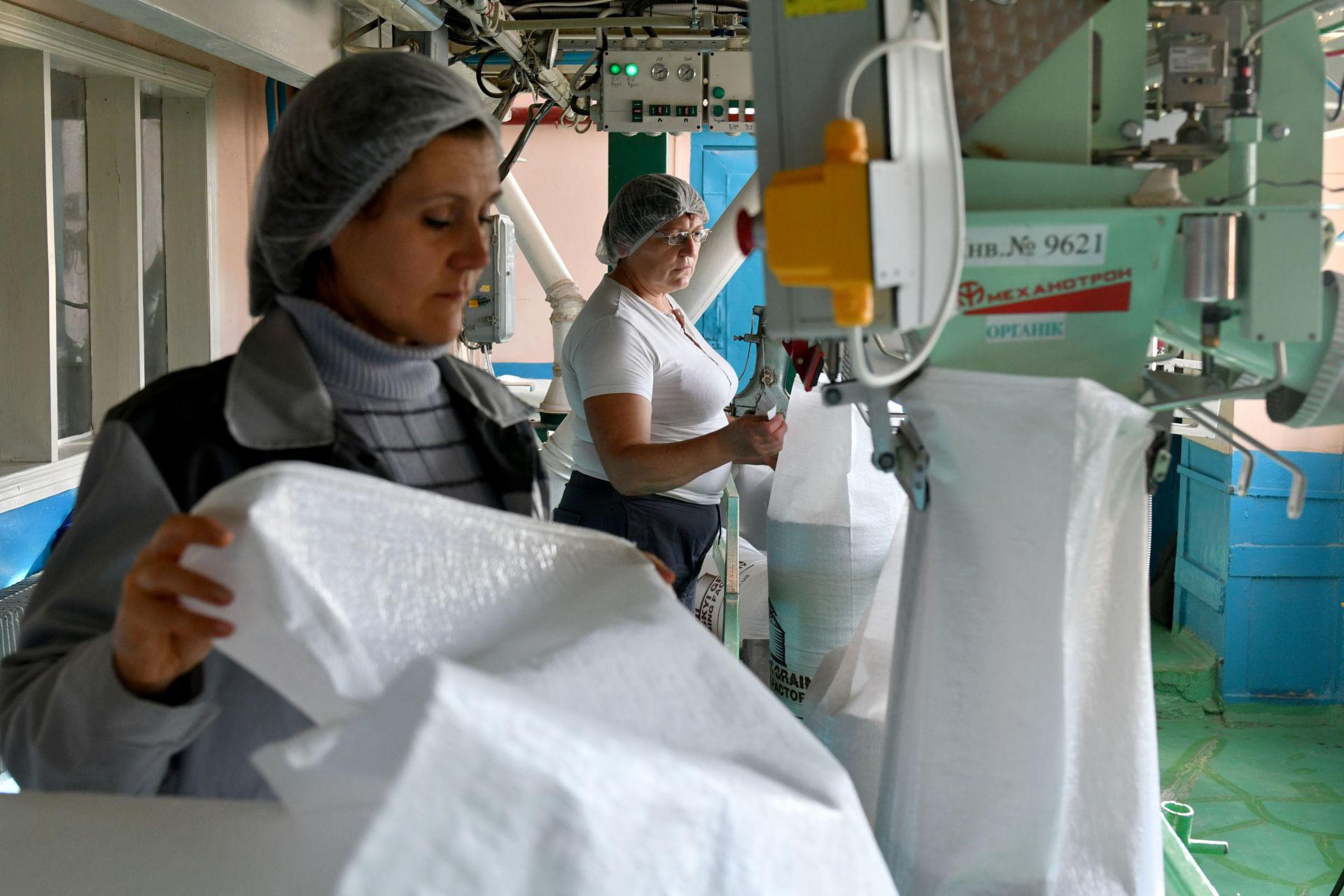
Blended finance is by no means a silver bullet. But it can definitely help lessen the pandemic’s negative impacts and accelerate the agrifood sector’s recovery – including global efforts to “Build Back Better.”
What can funds do to manage these turbulent times?
NS: Blended funds and facilities are obviously focused on managing their portfolios. They need to pay extra attention to how COVID-19 and policy responses affect specific value chains in the countries where they are investing. And they need to closely monitor existing clients so they can anticipate potential problems or liquidity issues leading to breaches of covenants, payment delays or defaults.
Fund managers are fostering communication between their public and private investors, which is important. Blended finance gathers very different stakeholders who often have different objectives. In these uncertain times, sharing information and agreeing on a common approach can help ensure more efficient decision-making. In some cases, covenant breaches will need to be waived and debt service relaxed.
Related Articles: The Importance of Investment and Farmer Innovation | Agripreneurs, COVID-19 & Climate Change
Funds also need to find innovative ways of working under COVID-19 – whether that is by collaborating with other institutions to do due diligence on new deals or working with other funds locally placed to do the field work.
What’s FAO’s role?
NS: One of the characteristics of blended finance is that it is coupled with technical assistance. A lot of SMEs need to adjust their business models to cope with COVID-19. With the type of technical assistance provided by FAO’s Investment Centre, we can help de-risk investments in the agrifood sector – a sector marked by uncertainty and volatility – by sharing information and knowledge, promoting innovations like digital technologies, and strengthening borrowers’ capacity.
We recently published a policy brief where we identify how blended finance can help farmers and SMEs in the short- and longer-term. In the short term, it is about providing additional liquidity to those existing clients still able to keep their heads above water but in need of working capital.
In the longer-term, blended finance can support sustainable economic recovery and build resilience. Such financing could be coupled with technical assistance, capacity development and innovation specifically designed to respond to the pandemic.
What about FAO’s work with the European Union on blended finance?
NS: We’ve been working with the European Union to support sustainable private investment in the agrifood sector to stimulate growth and create jobs. We do this via the AgrIntel initiative, which we jointly launched at the end of 2018. We currently assist the European Union with their blended finance operations in different funds to address the general lack of private investment financing available to micro-enterprises, small and medium enterprises and small holders. The initiative builds on lessons learned from innovative financing instruments, strengthening the European Union’s investment decision making. We also provide technical advisory services, raising the sustainability and development impact for global and regional funds and facilities targeting the agrifood sector.
Since the beginning of 2019, we’ve reviewed blended finance proposals worth more than USD 600 million in investment across the globe. We don’t make the final decisions; the investment committees and the European Union do. Our role is to flag technical and financial problems and sustainability issues. We address concrete and important themes. Are investments additional? What is the impact on smallholders? Are they sustainable? We also suggest possible solutions for their team to look into and foster a constructive dialogue with development finance institutions, donors and others.
Are you optimistic about blended finance?
NS: I am. It is a young and growing field, which is now facing new tests with this pandemic. Blended finance won’t solve the bigger macro problems. That’s clear. But it can be a catalyst for innovation and the adoption of digital technologies in the agrifood sector, helping farmers and SMEs improve their productivity, efficiency and resilience – and ultimately their bankability. It is an extremely interesting space.
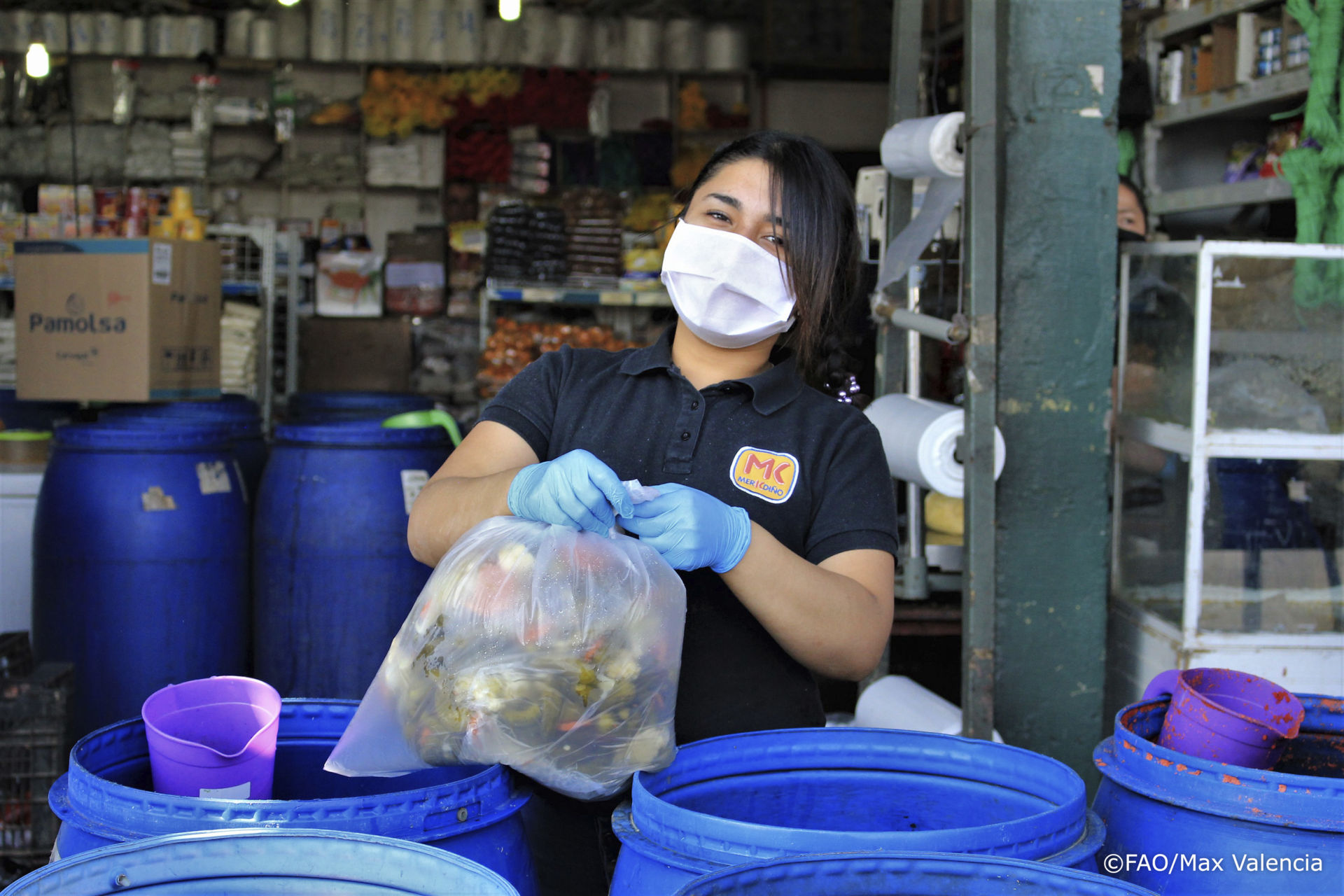
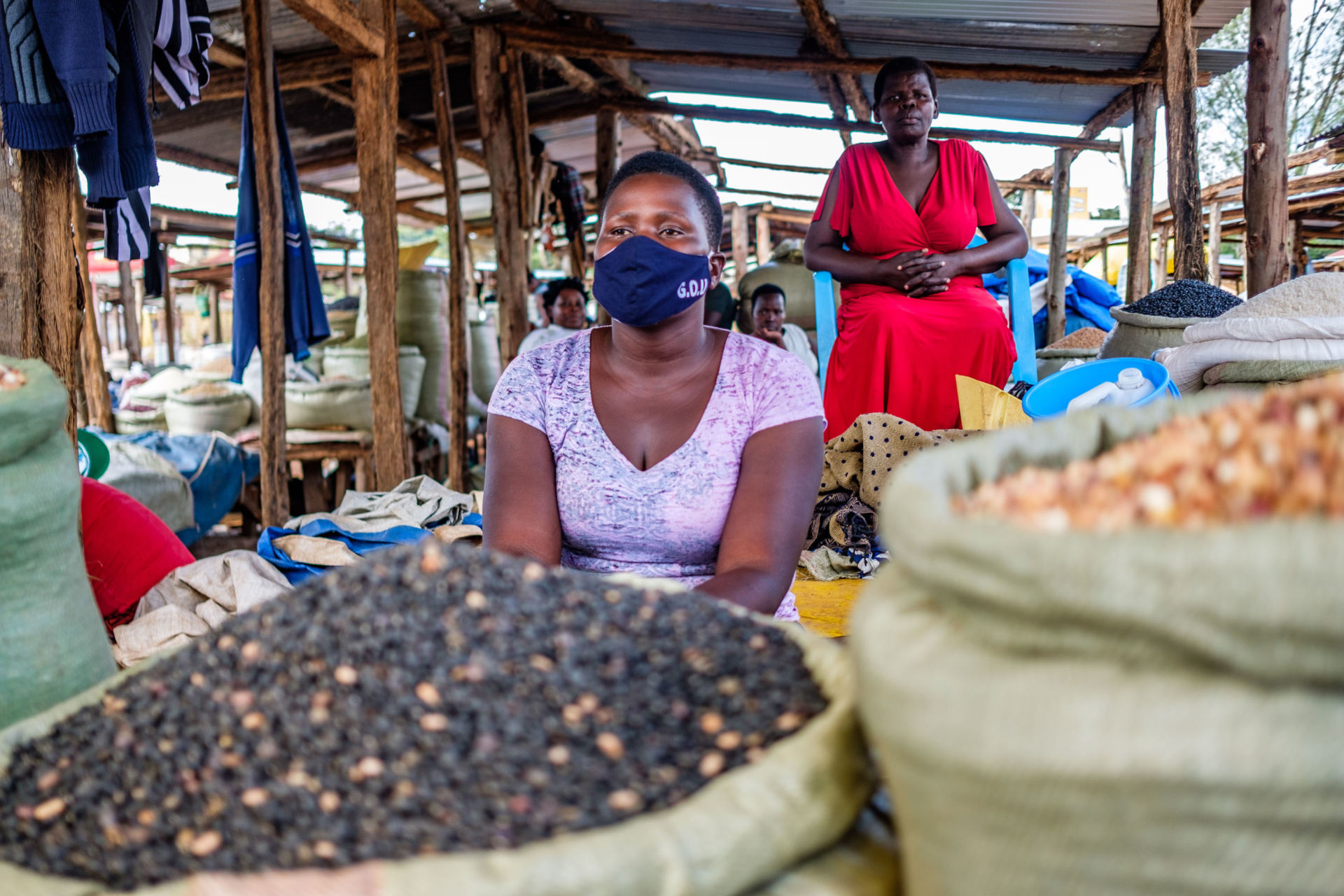
Editor’s Note: The opinions expressed here by Impakter.com columnists are their own, not those of Impakter.com. — In the Featured Photo: A market vendor selling grains with her mask on to stop the spread of COVID-19, Lira, Uganda, Sept. 26, 2020. Featured Photo Credit: ©FAO