“We had a great conference. It was one of the more successful conferences in G20. […] All the Ministers felt this was a very successful conference and the outcomes were very satisfactory.”
These were the words that Shri R. K. Singh, the Minister of Power and New & Renewable Energy in the Government of India, chose to address the press at the conclusion of the Energy Transitions Ministerial Meeting (ETMM) of July 22, 2023.
However, the G20 energy ministers failed to reach a joint communique, and if we delve into the (weak) Outcome Document they agreed on and the issues discussed, the meeting does not seem as “satisfactory” and “successful” as it was expected to be.
As the Indian Prime Minister, Narendra Modi, remarked in a video message addressed to the G20 Energy Ministers
“No talk about the future, sustainability or growth and development can be complete without energy. It impacts development at all levels, from individuals to nations.”
Alongside ongoing geopolitical tensions and the soaring growth in renewable energy, the international community looked to the G20 energy ministerial for an official endorsement of a more ambitious target for renewable energy by 2023.
Their hopes, unfortunately, were met with disappointment as the meeting concluded without crucial mentions or support for vital climate goals.
There was a striking absence of collective support for phasing out fossil fuels, the main driver of the climate crisis.
As the summary states:
“Given that fossil fuels currently continue to play a significant role in the global energy mix, eradication of energy poverty, and in meeting the growing energy demand, the importance of making efforts towards phase down of unabated fossil fuels, in line with different national circumstances was emphasized by some members while others had different views on the matter that abatement and removal technologies will address such concerns.”
The lack of support for a decent global renewable energy pledge raised concerns among climate activists and experts, as ambitious renewable energy targets are essential to curbing greenhouse gas emissions and mitigating the impacts of climate change.
“It was noted that accelerated deployment of zero and low-emission technologies including renewables play an important role in achieving energy transitions,” the summary says. “It was also noted that the current rate of grid-based technologies deployment globally may be insufficient to achieve universal energy access. To that end, and in line with different national circumstances […] there is a need to scale up the deployment of renewable energy at an accelerated pace.”
Crucially, the G20 ministers did not address the urgent need for investment in grids, storage, and other critical infrastructure to support the accelerated deployment of renewable energy, nor did they mention the widely advocated target of limiting global temperature rise to 1.5°C.
This omission further highlighted the lack of commitment to practical measures necessary to achieve ambitious renewable energy goals.
The G20’s failure to agree on doubling energy efficiency was yet another setback in the fight against climate change.
Energy efficiency improvement is a key pillar in reducing emissions by 2030, and the lack of agreement in this area undermines the collective effort to combat the climate crisis effectively.
Moreover, the G20 energy ministers missed a significant opportunity to address the pressing issue of funding decarbonization in developing countries.
Related Articles: G20 Fails Low-Income Countries Yet Again | Fossil Fuel Consumption Subsidies Hit All-Time High in 2022: Will We Ever Abolish Them? | A Just Transition Does Not Leave Anyone Behind: Clean Energy Must Be Worldwide| The Fossil Fuel Industry’s Anti-Climate Formula: ‘Deny, Deceive, Delay’
The richest OECD countries’ commitment to providing about USD 100 billion annually for this purpose was not supported, leaving developing nations grappling with the challenge of transitioning to cleaner energy sources.
Adding to the dismay, nuclear power received disproportionate support compared to solar and wind energy in the meeting. Despite the incredible potential of solar and wind as clean and abundant sources of energy, the focus on nuclear power could raise eyebrows and draw criticism from climate advocates.
As the world’s major economies responsible for 80% of global greenhouse gas emissions, the G20 countries’ lack of alignment with the findings and recommendations of the IPCC and the IEA is deeply concerning.
Reading the chair’s summary, it is clear that the ministers want to highlight their acknowledgment of the situation, with the phrases “we acknowledge” or “it was noted” appearing many times throughout the text.
Nevertheless, acknowledgment alone it’s not enough. As the Global Renewables Alliance’s CEO Bruce Douglas, present at the meeting, stated: “If simply acknowledging the transformative potential of renewable energy could solve the challenge of climate change, then we would have already solved the climate crisis several times over.”
As for now, the ministerial meetings up to now seem to be following a clear and repetitive path, not reaching consensus on important issues.
The G20 energy ministers’ inability to reach a consensus on critical issues sends a worrying message to the global community, once again.
It was just a year ago that the same scene was taking place after the G20 Environment, Climate and Energy Ministers’ Meeting in Naples, as well as a year earlier in Rome.
As we face the escalating impacts of climate change, the need for collective action and bold commitments has never been more apparent.
The year 2023 marks a crucial juncture in the global effort to transition to a sustainable energy future, and the G20’s inability to find common ground raises doubts about their role in shaping effective climate policies.
The world is looking to the G20 leaders’ summit in Delhi in September with anticipation, hoping for a more unified and decisive approach to the urgent climate challenges ahead.
The time for rhetoric and inaction is over; the G20 must seize this opportunity to lead by example and set the course toward a greener and more sustainable future for all.
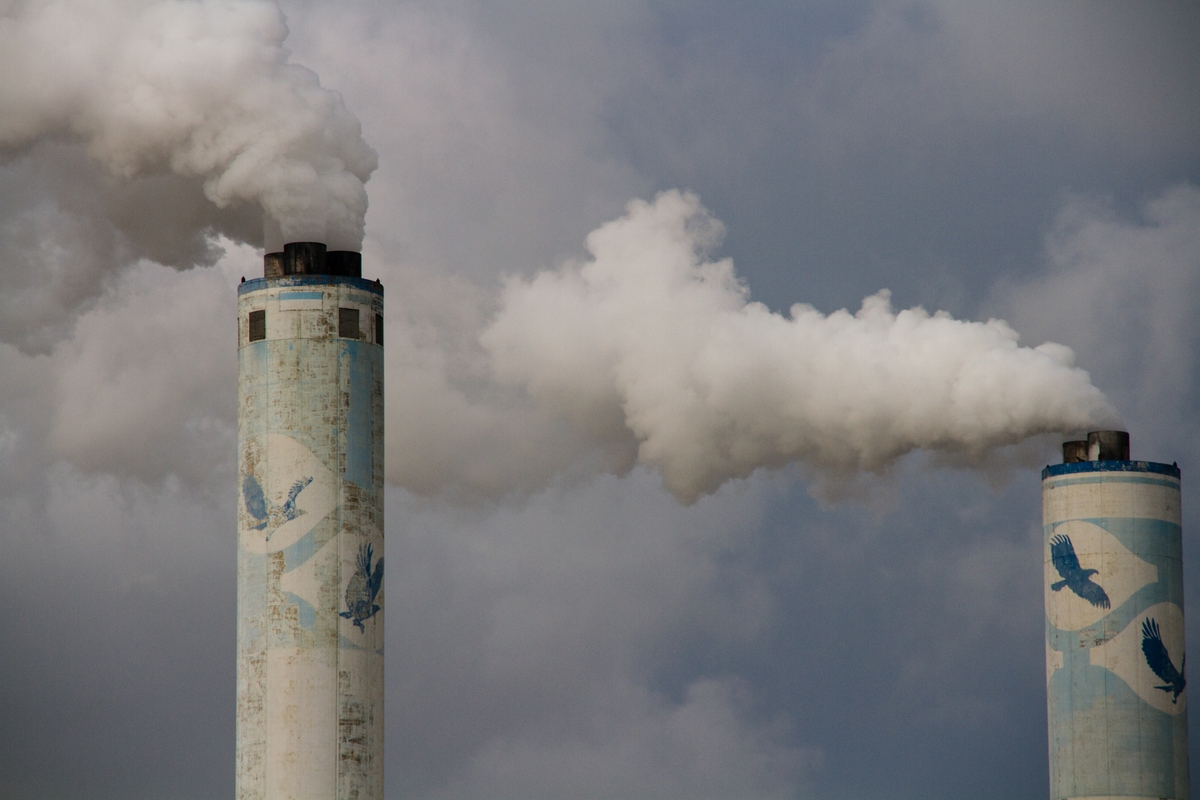
Editor’s Note: The opinions expressed here by the authors are their own, not those of Impakter.com — In the Featured Photo: Energy Infrastructure Glenbard Regional Headquarters. Featured Photo Credit: Daniel X. O’Neil.