
Impakter
  • Environment
    • Biodiversity
    • Climate Change
    • Circular Economy
    • Energy
  • FINANCE
    • ESG News
    • Sustainable Finance
    • Business
  • TECH
    • Start-up
    • AI & Machine Learning
    • Green Tech
  • Industry News
    • Entertainment
    • Food and Agriculture
    • Health
    • Politics & Foreign Affairs
    • Philanthropy
    • Science
    • Sport
  • Editorial Series
    • SDGs Series
    • Shape Your Future
    • Sustainable Cities
      • Copenhagen
      • San Francisco
      • Seattle
      • Sydney
  • About us
    • Our Story
    • Team
    • Partners
    • Write for Impakter
    • Contact Us
    • Privacy Policy
No Result
View All Result
  • Environment
    • Biodiversity
    • Climate Change
    • Circular Economy
    • Energy
  • FINANCE
    • ESG News
    • Sustainable Finance
    • Business
  • TECH
    • Start-up
    • AI & Machine Learning
    • Green Tech
  • Industry News
    • Entertainment
    • Food and Agriculture
    • Health
    • Politics & Foreign Affairs
    • Philanthropy
    • Science
    • Sport
  • Editorial Series
    • SDGs Series
    • Shape Your Future
    • Sustainable Cities
      • Copenhagen
      • San Francisco
      • Seattle
      • Sydney
  • About us
    • Our Story
    • Team
    • Partners
    • Write for Impakter
    • Contact Us
    • Privacy Policy
No Result
View All Result
Impakter
No Result
View All Result

Food Waste in Large Kitchens: Ensuring Sustainable Consumption and Production

bySille Krukow - Developer of the Krukow Methodology
December 18, 2018
in Business, Environment, Foodscape, SDG Series, Society, Style
Sustainable Development Goal number 12 is about consuming and producing within our planet’s natural limit, and for next generations to be able to fulfill their needs. As food is a basic need to be fulfilled and a shortage in large part of the world, goal number 12 is specified in a 50% reduction of the amount of food globally ending as waste throughout the whole value chain before 2030.
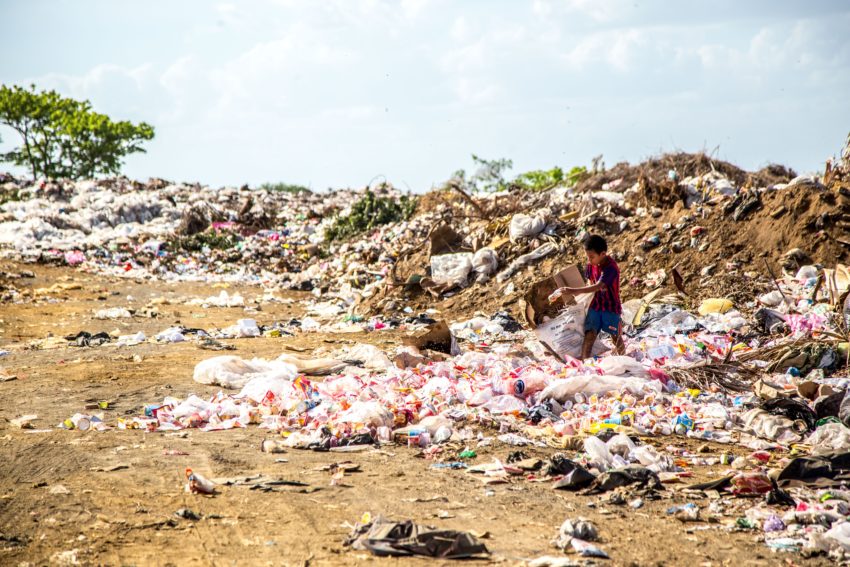
In Photo: boy Holding Cardboard Box.  Photo Credit:  Hermes Rivera on Unsplash
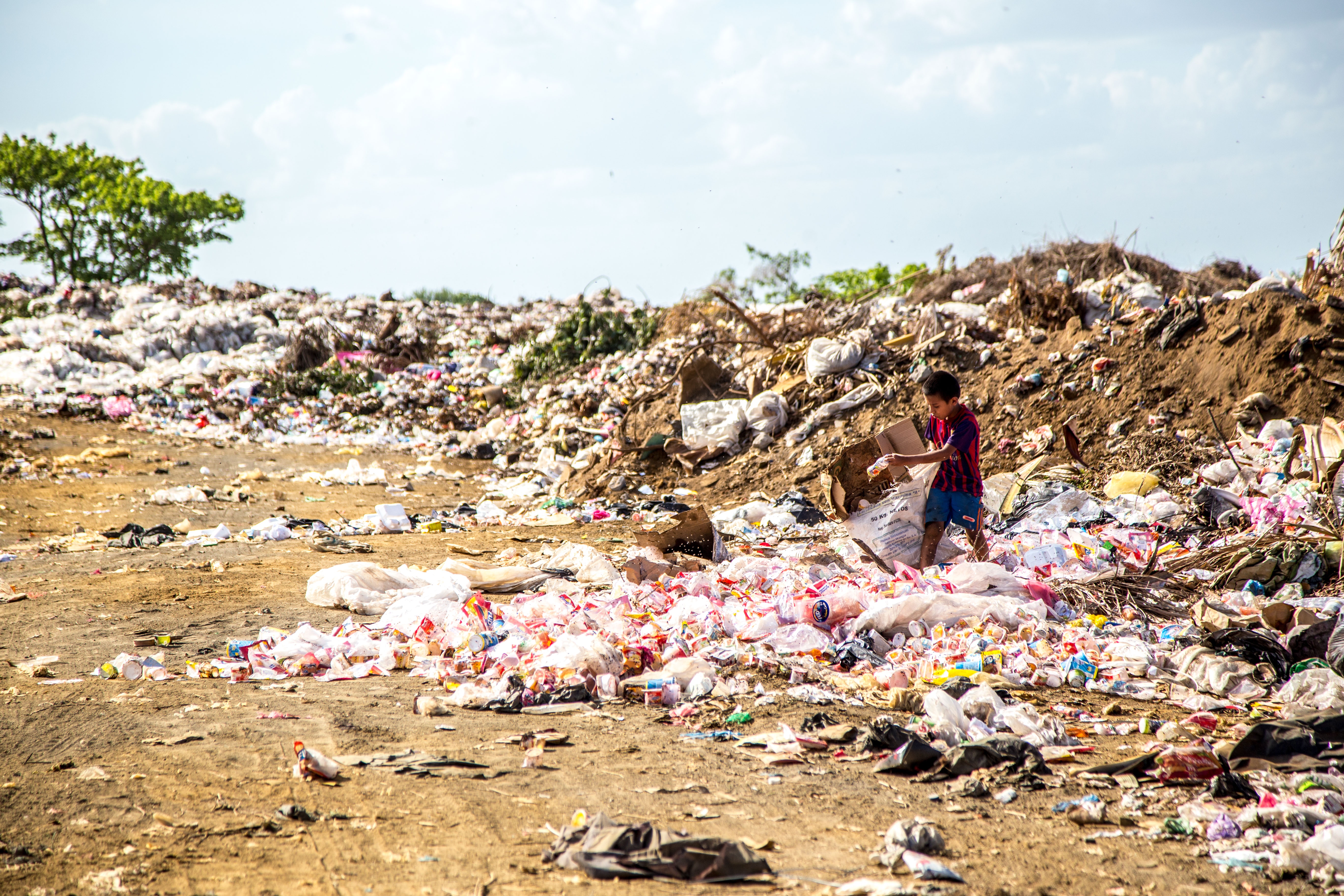
Currently, 30-40% of all produced food globally is thrown out. At the same time, more than 842 million people in the world are starving. This goal is very tangible for all of us to understand and to act upon, but it also entails an obvious opportunity for companies within the food and service industry to work with their supply chain and production of food, as they can both become more responsible and save a lot of money at the same time. One of the most valuable places to start is in the large professional kitchens: A small behavioral change here can have a big impact on the pursuit of goal number 12.
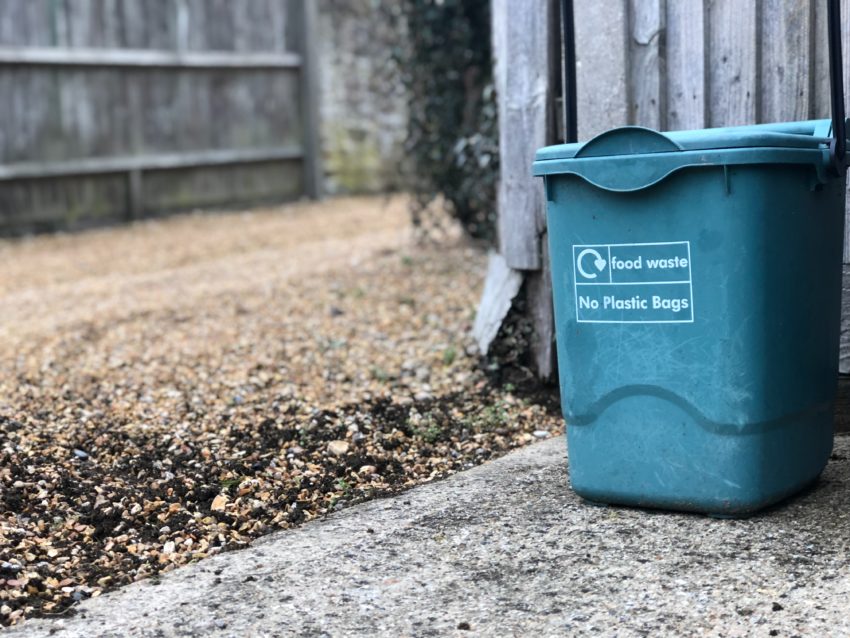
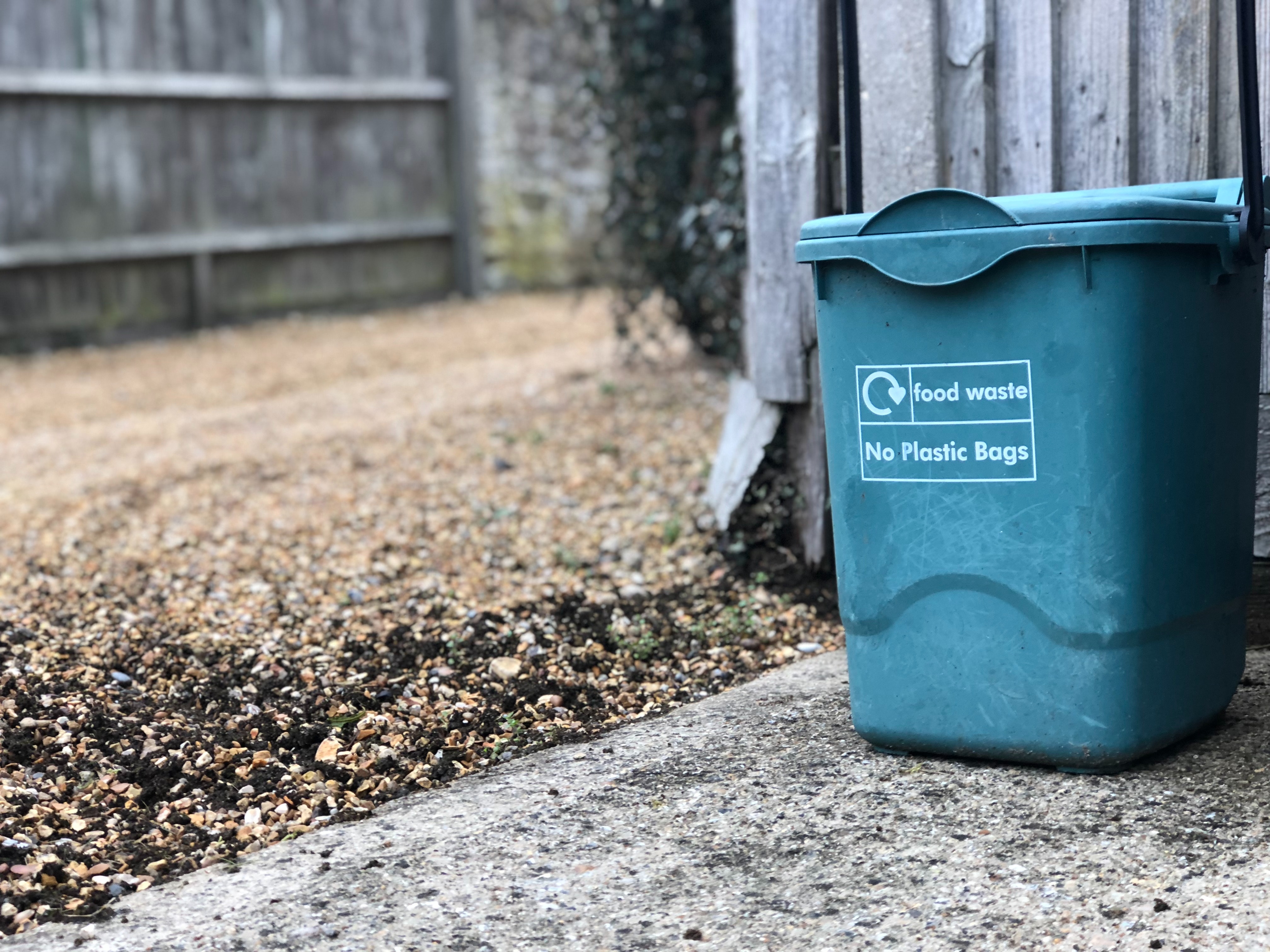
In Photo: Food Recycling Bin. Photo Credit:  Patricia Valério on Unsplash
CASE: FOOD WASTE REDUCTION IN LARGE PROFESSIONAL KITCHENS

In Denmark, hotels and restaurants produce approx. 29,000 tons of food waste on an annual basis. That encouraged us at Krukow to run a pilot within this sector to see whether our approach on behavioral design could help reduce the problem.
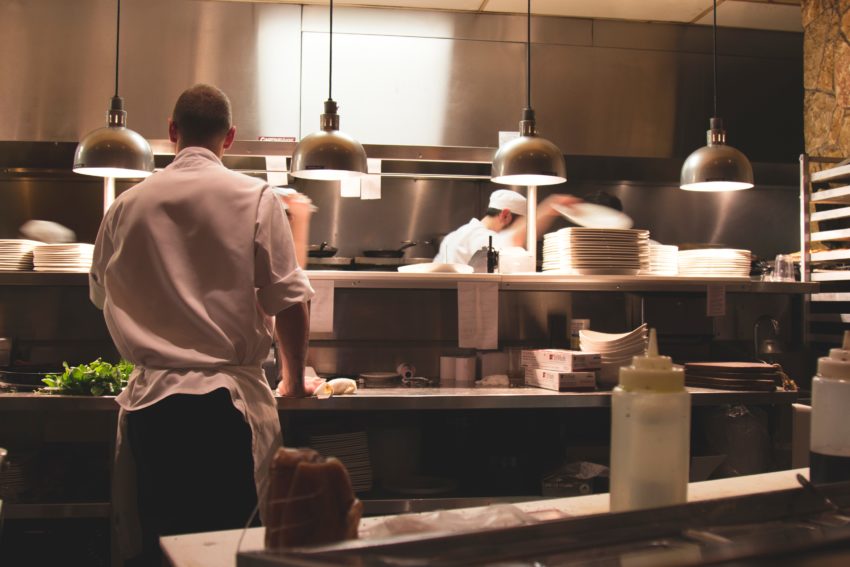
In Photo: Chefs at Work. Photo Credit: Michael Browning on Unsplash

We studied the behavior and daily routines of the kitchen staffs in two large international hotel chains. Here, we mapped their behavior throughout the whole process of work and production line leading to food waste. We found that the majority of the food wasted was not coming from guest’s left overs on plates because they took more food from the buffet than they could actually eat. This was also a part of the problem, but not the largest. The origin of the problem lay in the choices made by the various employees during the whole process from the planning of the menus until the food landed on the plates of the hotel guests. Bad planning and subsequently poor purchasing together with the lack of internal communication were the largest barriers in reducing the amount of wasted food.
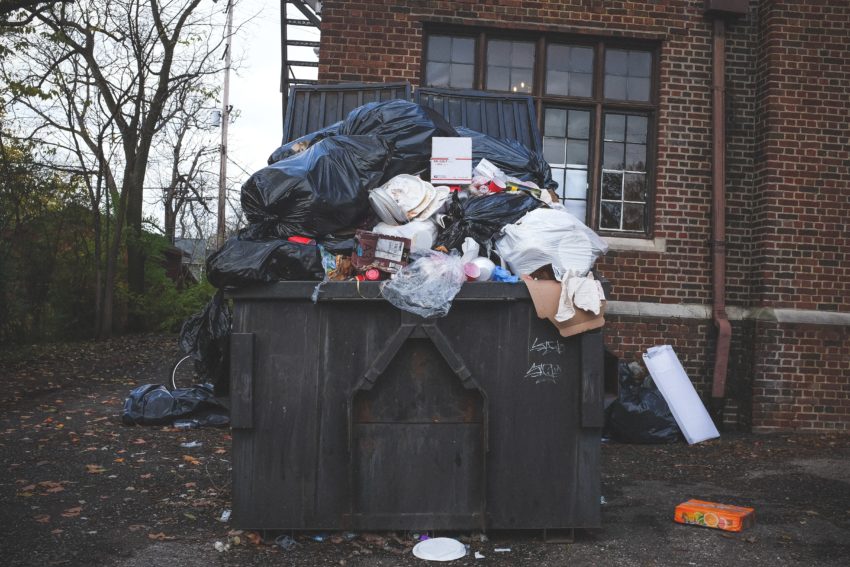
In Photo: Black Trash Bin. Photo Credit: Photo byNeONBRAND on Unsplash
Based on these insights, we optimized all the factors influencing the situation, and when testing the effect of our solutions, it showed a reduction of food wasted by up to 45%. The insights and behavioral design solutions extracted from this project can be of great value to other professional kitchens, the hotel and restaurant industry as a whole and be a big step in achieving goal number 12. How is your process doing? Are you wasting too much food in your company?
Featured Image Photo Caption: Nick Karvounis Photography, København, Denmark Photo Credit:  Nick Karvounis on Unsplash
EDITOR’S NOTE: THE OPINIONS EXPRESSED HERE BY IMPAKTER.COM COLUMNISTS ARE THEIR OWN, NOT THOSE OF IMPAKTER.COM

Related Articles: “Sustainable Cities and Communities: The Evolution” by Sille Krukow

Share: Facebook X LinkedIn
Tags: Denmarkfood wasteFood Waste ReductionGreen EatingImpakterLarge KitchensMegan GrovesSDG 12Sille KrukowSustainability
Previous Post

A Life Dedicated to Refugees: Interview with Kelly Clements

Next Post

The Political Power of Co-Opting Women

Related Posts

Ajay S. Banga
Politics & Foreign Affairs

Is Ajay Banga the Leader the World Bank Needs? No.

May 1, 2026
United Nations General Assembly Hall in the UN Headquarters
Politics & Foreign Affairs

Peace First: Why the Next UN Secretary-General Must Recenter the Organization on Its Founding Purpose

April 30, 2026
People fleeing the military offensive in Ukraine
Editors' Picks

The Small Country Paradox: New Migration Report Exposes the Fault Lines of EU Burden Sharing

April 29, 2026
Next Post
The Political Power of Co-Opting Women

The Political Power of Co-Opting Women

Related News

ESG news on Russia filling in Syria’s energy gap, India turning to biogas to fill LPG gap, Solaria Energia raising €300Million for “ready-to-made” data centre package, and INEOS Enterprises selling one of its chemical plants.

Russia to Fill Syria’s Energy Gap

May 1, 2026
Ajay S. Banga

Is Ajay Banga the Leader the World Bank Needs? No.

May 1, 2026

Impakter informs you through the ESG news site and empowers your business CSRD compliance and ESG compliance with its Klimado SaaS ESG assessment tool marketplace that can be found on: www.klimado.com

Registered Office Address

Klimado GmbH
Niddastrasse 63,

60329, Frankfurt am Main, Germany


IMPAKTER is a Klimado GmbH website

Impakter is a publication that is identified by the following International Standard Serial Number (ISSN) is the following 2515-9569 (Printed) and 2515-9577 (online – Website).


Office Hours - Monday to Friday

9.30am - 5.00pm CEST


Email

stories [at] impakter.com

By Audience

  • TECH
    • Start-up
    • AI & MACHINE LEARNING
    • Green Tech
  • ENVIRONMENT
    • Biodiversity
    • Energy
    • Circular Economy
    • Climate Change
  • INDUSTRY NEWS
    • Entertainment
    • Food and Agriculture
    • Health
    • Politics & Foreign Affairs
    • Philanthropy
    • Science
    • Sport
    • Editorial Series

ESG/Finance Daily

  • ESG News
  • Sustainable Finance
  • Business

About Us

  • Team
  • Partners
  • Write for Impakter
  • Contact Us
  • Privacy Policy

© 2026 IMPAKTER. All rights reserved.

No Result
View All Result
  • Environment
    • Biodiversity
    • Climate Change
    • Circular Economy
    • Energy
  • FINANCE
    • ESG News
    • Sustainable Finance
    • Business
  • TECH
    • Start-up
    • AI & Machine Learning
    • Green Tech
  • Industry News
    • Entertainment
    • Food and Agriculture
    • Health
    • Politics & Foreign Affairs
    • Philanthropy
    • Science
    • Sport
  • Editorial Series
    • SDGs Series
    • Shape Your Future
    • Sustainable Cities
      • Copenhagen
      • San Francisco
      • Seattle
      • Sydney
  • About us
    • Our Story
    • Team
    • Partners
    • Write for Impakter
    • Contact Us
    • Privacy Policy

© 2026 IMPAKTER. All rights reserved.