Impakter
  • Environment
    • Biodiversity
    • Climate Change
    • Circular Economy
    • Energy
  • FINANCE
    • ESG News
    • Sustainable Finance
    • Business
  • TECH
    • Start-up
    • AI & Machine Learning
    • Green Tech
  • Industry News
    • Entertainment
    • Food and Agriculture
    • Health
    • Politics & Foreign Affairs
    • Philanthropy
    • Science
    • Sport
  • Editorial Series
    • SDGs Series
    • Shape Your Future
    • Sustainable Cities
      • Copenhagen
      • San Francisco
      • Seattle
      • Sydney
  • About us
    • Our Story
    • Team
    • Partners
    • Write for Impakter
    • Contact Us
    • Privacy Policy
No Result
View All Result
  • Environment
    • Biodiversity
    • Climate Change
    • Circular Economy
    • Energy
  • FINANCE
    • ESG News
    • Sustainable Finance
    • Business
  • TECH
    • Start-up
    • AI & Machine Learning
    • Green Tech
  • Industry News
    • Entertainment
    • Food and Agriculture
    • Health
    • Politics & Foreign Affairs
    • Philanthropy
    • Science
    • Sport
  • Editorial Series
    • SDGs Series
    • Shape Your Future
    • Sustainable Cities
      • Copenhagen
      • San Francisco
      • Seattle
      • Sydney
  • About us
    • Our Story
    • Team
    • Partners
    • Write for Impakter
    • Contact Us
    • Privacy Policy
No Result
View All Result
Impakter
No Result
View All Result

Sustainable cities and Communities: The evolution

bySille Krukow - Developer of the Krukow Methodology
December 12, 2018
in Copenhagen, Design, Environment, SDG Series, Sustainable Cities, Uncategorized

When working towards sustainable cities, it is essential to make its citizens behave sustainably to overcome environmental exposure. As the population in urban areas is rising it becomes even more important to improve citizen behaviour as inappropriate choices can harm the environment and ruin next generations possibility of enjoying the cities as our generation has.
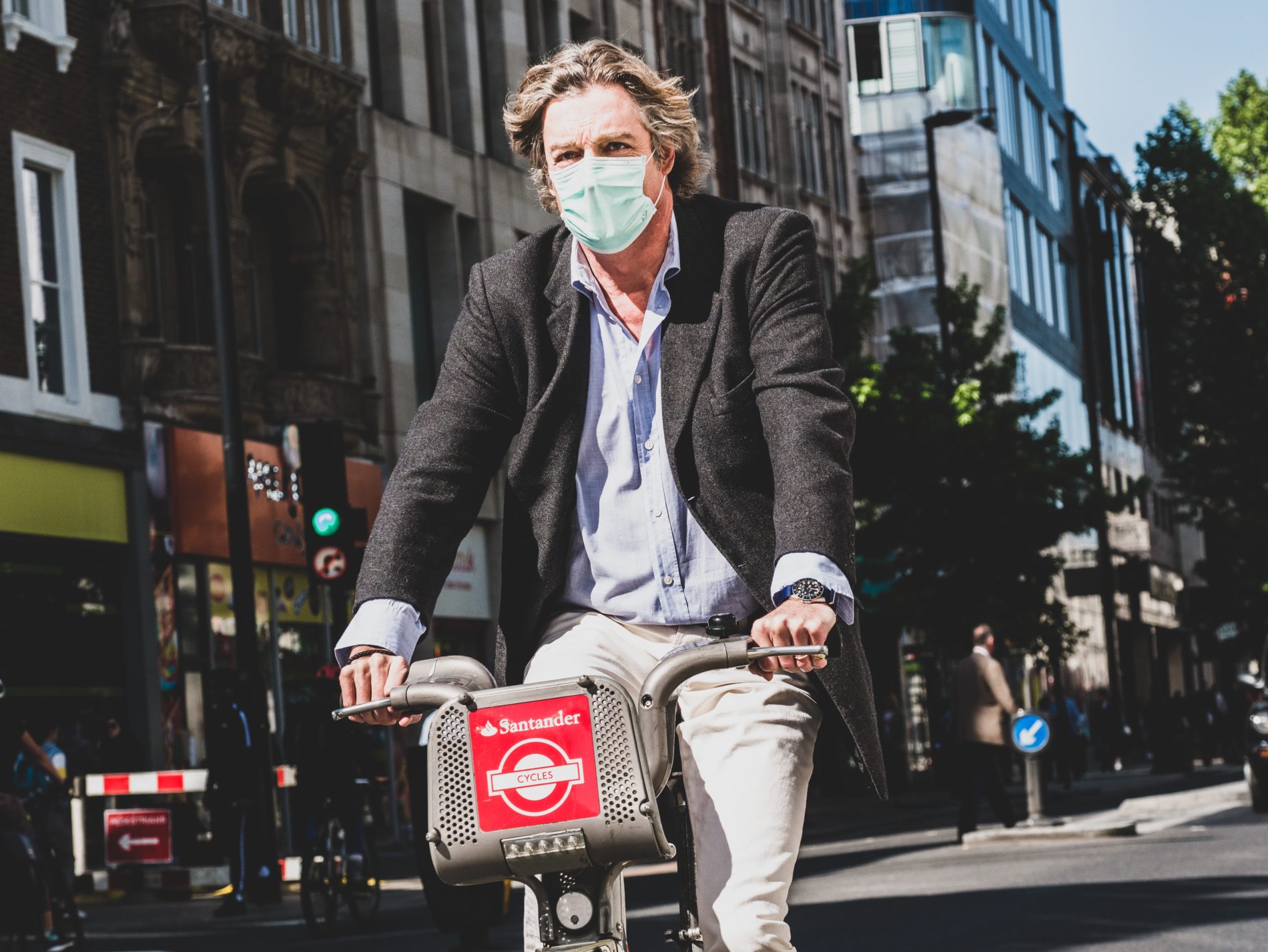
In the Photo: Man wears a mask to keep away smog.  Photo Credit:  Kevin Grieve

Being responsible in our daily life is not always as easy as it sounds. Even though we have intentions of taking care of our surroundings, our choices are not always as sustainable as they could be. In our everyday hurry, our natural tendency to use as less effort as possible can easily make us forget to recycle, take the car instead of the environmentally friendly bike or bus, and throw our waste on the ground instead of in the bin. This factor of actual human behaviour makes it important to organise cities in ways that makes the right choice easy to over- come environmental exposure and ensure sustainability.
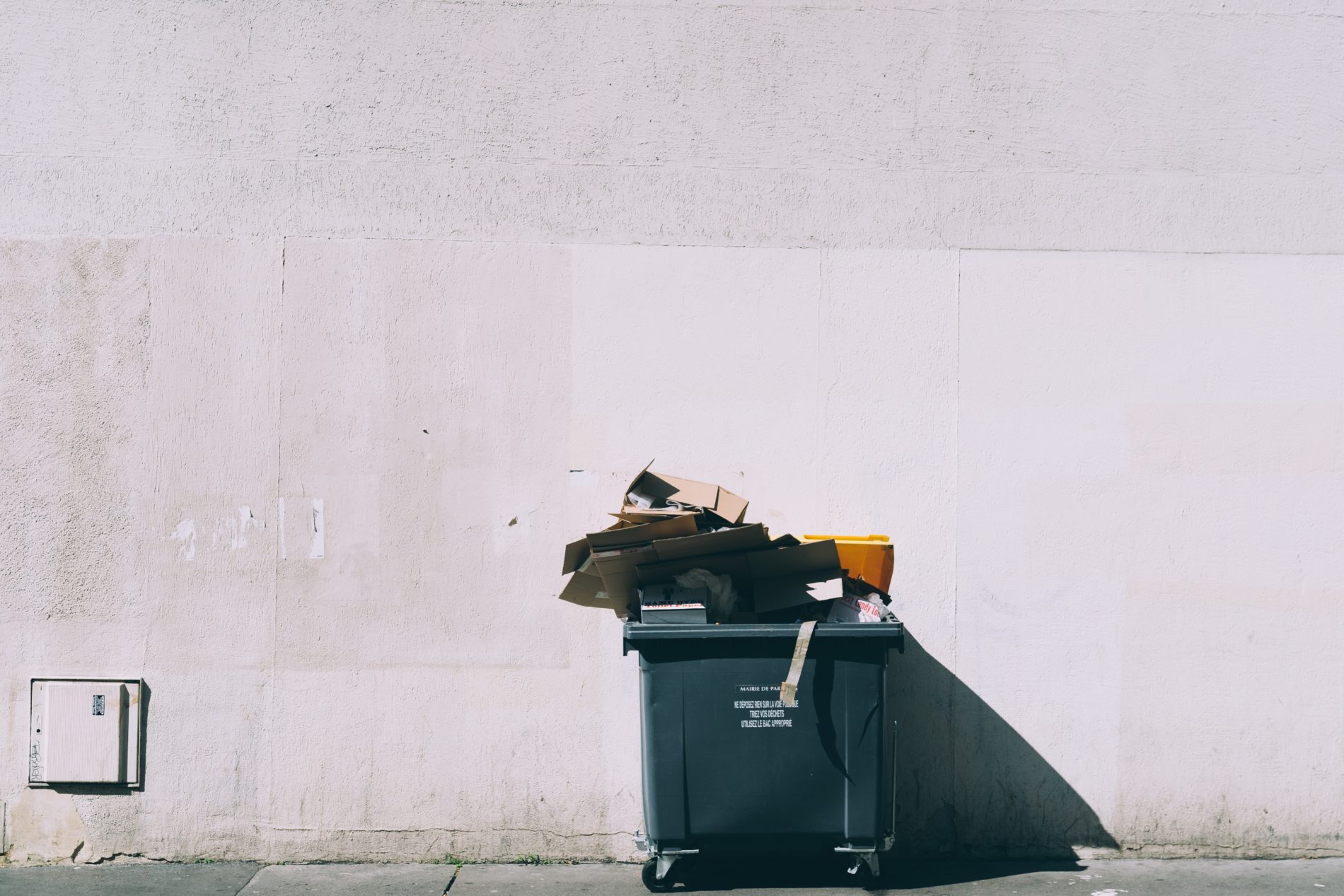
In the photo: Cardboard in a non-recycling bin. The convenient choice isn’t always the most sustainable but behavioural design can fix that Photo Credit: Jilbert Ebrahimi

Case: Preventing cigarette butts around Copenhagen Central Station

Copenhagen Central Station is one of the most frequented public areas in all of Denmark, and more than 100,000 people cross the station every day. Hence, it is important to keep this place safe, clean and sustainable. Despite signs and fines, over 1,150 cigarette butts are collected everyday… and that is just in front of the main entrance. Cigarette butts are not biodegradable and have to be removed.This costs the municipality around DKK 2.00 for every single cigarette butt which has to be cleaned up.That is an annual cost of DKK 840,000 (~$130,000) just in front of the building.
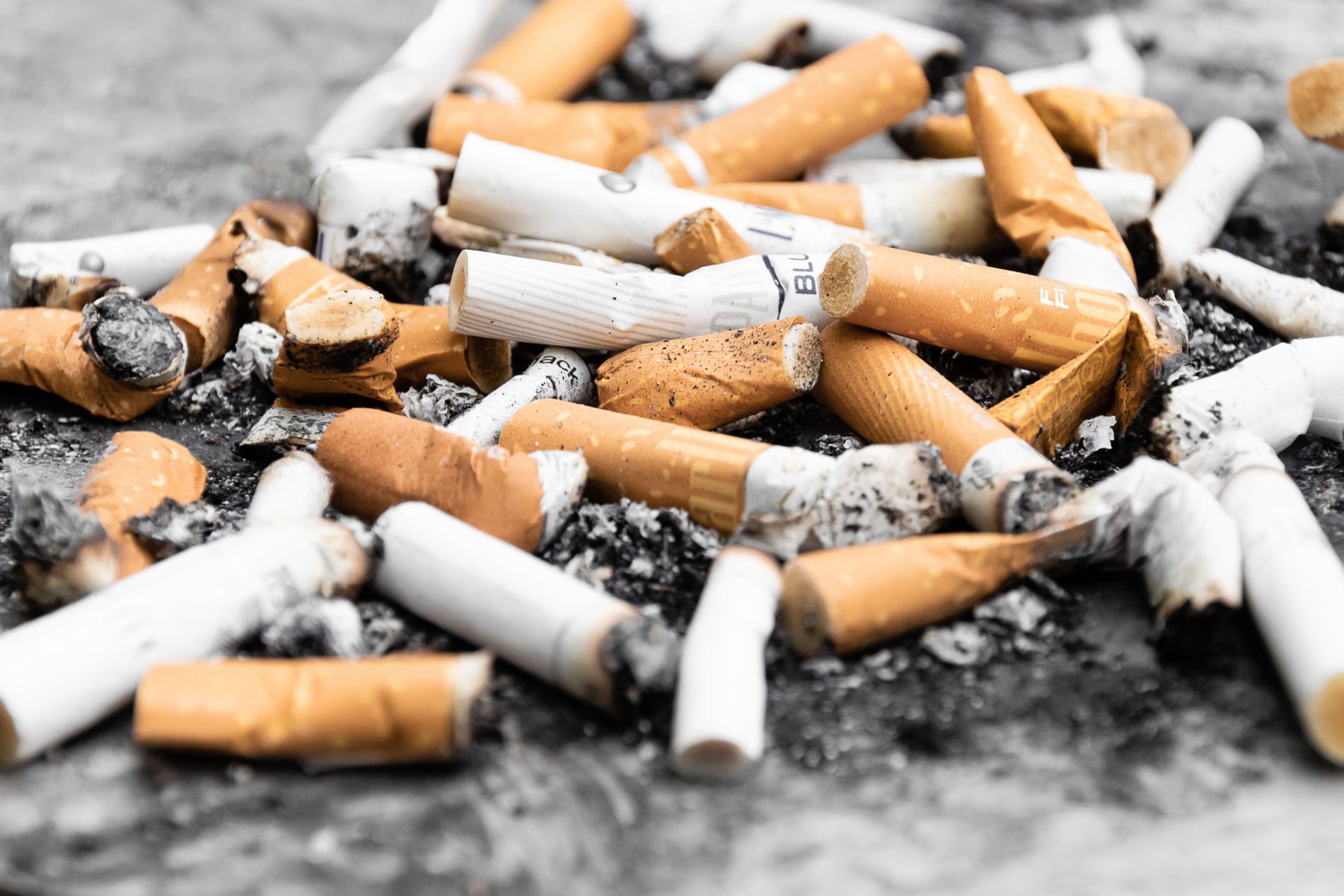
In the photo: Cigarette butts are made from Cellulose Acetate, a non-biodegradable plastic. Photo Credit:  Paweł Czerwiński

To overcome the problem, our strategy was to invite and guide the smokers to make the right choice instead of prohibiting the wrong.The first behavioural design solution was to create obvious, visual guidelines for smoking areas and where to discard your cigarette butt. A tile was also removed from the ground and replaced with a yellow grate, serving as another way to dispose iqos dubai cigarettes .This allowed smokers to follow their normal habits, however, instinctively guiding them to make the correct choice of disposing their cigarettes.

When testing the effect of the interventions, we found that 31% of the cigarette butts ended in the dedicated ashtrays and yellow grate after implementation.This would be a cost reduction for the municipality of DKK 260,000 annually (~$40,000).The insights and solutions could be transferred to other urban areas limiting the waste and consumption volume and secure a sustainable development of cities.


EDITORS NOTE: THE OPINIONS EXPRESSED HERE BY IMPAKTER.COM COLUMNISTS ARE THEIR OWN, NOT THOSE OF IMPAKTER.COM  FEATURED PHOTO CREDIT:  chuttersnap

Share: Facebook X LinkedIn
Tags: 11behaviourbehavioural designCigarettesCitiesDesignrecycleSDGsSustainability
Previous Post

Stop Funding Hate – How a Movement for Ethical Advertising is Making Hate Unprofitable

Next Post

Where New York Creativity Meets For A Green Vision

Related Posts

Aerial view of sand mining operations with machinery and patterned landscape in Reads Landing, MN.
Biodiversity

Inside the Global Sand Gap

May 15, 2026
How Climate Disasters Are Undermining Democracy Worldwide
Climate Change

How Climate Disasters Are Undermining Democracy Worldwide

May 13, 2026
The $1.2 Trillion Problem: Why Every Energy Crisis Strengthens the Case for Clean Public Finance
Energy

The $1.2 Trillion Problem: Why Every Energy Crisis Strengthens the Case for Clean Public Finance

May 13, 2026
Next Post
Where New York Creativity Meets For A Green Vision

Where New York Creativity Meets For A Green Vision

Related News

Aerial view of sand mining operations with machinery and patterned landscape in Reads Landing, MN.

Inside the Global Sand Gap

May 15, 2026
ESG news regarding climate concerns ahead of the 2026 FIFA World Cup, Canada’s proposed industrial carbon pricing agreement with Alberta, U.S. approval of year-round E15 gasoline sales, and Egypt’s new financing deal to support food and energy security.

Climate Study Warns of Extreme Heat Risks at 2026 World Cup

May 14, 2026

Impakter informs you through the ESG news site and empowers your business CSRD compliance and ESG compliance with its Klimado SaaS ESG assessment tool marketplace that can be found on: www.klimado.com

Registered Office Address

Klimado GmbH
Niddastrasse 63,

60329, Frankfurt am Main, Germany


IMPAKTER is a Klimado GmbH website

Impakter is a publication that is identified by the following International Standard Serial Number (ISSN) is the following 2515-9569 (Printed) and 2515-9577 (online – Website).


Office Hours - Monday to Friday

9.30am - 5.00pm CEST


Email

stories [at] impakter.com

By Audience

  • TECH
    • Start-up
    • AI & MACHINE LEARNING
    • Green Tech
  • ENVIRONMENT
    • Biodiversity
    • Energy
    • Circular Economy
    • Climate Change
  • INDUSTRY NEWS
    • Entertainment
    • Food and Agriculture
    • Health
    • Politics & Foreign Affairs
    • Philanthropy
    • Science
    • Sport
    • Editorial Series

ESG/Finance Daily

  • ESG News
  • Sustainable Finance
  • Business

About Us

  • Team
  • Partners
  • Write for Impakter
  • Contact Us
  • Privacy Policy

© 2026 IMPAKTER. All rights reserved.

No Result
View All Result
  • Environment
    • Biodiversity
    • Climate Change
    • Circular Economy
    • Energy
  • FINANCE
    • ESG News
    • Sustainable Finance
    • Business
  • TECH
    • Start-up
    • AI & Machine Learning
    • Green Tech
  • Industry News
    • Entertainment
    • Food and Agriculture
    • Health
    • Politics & Foreign Affairs
    • Philanthropy
    • Science
    • Sport
  • Editorial Series
    • SDGs Series
    • Shape Your Future
    • Sustainable Cities
      • Copenhagen
      • San Francisco
      • Seattle
      • Sydney
  • About us
    • Our Story
    • Team
    • Partners
    • Write for Impakter
    • Contact Us
    • Privacy Policy

© 2026 IMPAKTER. All rights reserved.