The United Nations Security Council’s recent debate on “Food Under Fire” carried a message that the international community can no longer claim not to understand. Armed conflict does not merely leave hunger in its wake. It destroys the systems that produce, transport and distribute food; blocks humanitarian assistance; uproots rural communities; and turns access to food into an instrument of power. Hunger, in turn, deepens displacement, fragility, competition over scarce resources and instability across borders.
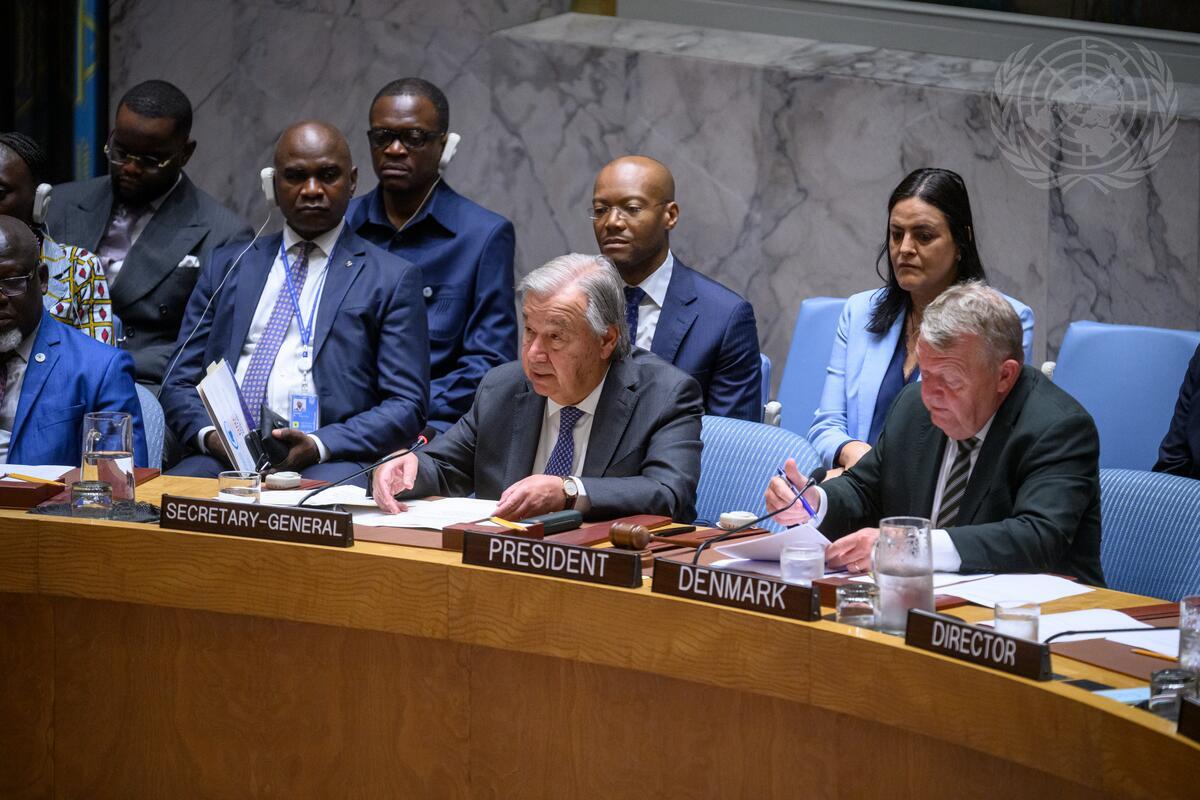
United Nations Secretary-General António Guterres summarized this relationship in terms that closely echo a debate we began a decade ago: the best protection against food insecurity is peace, and the safest condition for peace is a world without hunger.
For me, his appeal carried particular significance. In March 2016, during my tenure as Director-General of the Food and Agriculture Organization of the United Nations (FAO), the relationship between food security, nutrition and peace was brought to the attention of the Security Council through an Arria-formula meeting co-hosted by Angola and Spain.
It was FAO’s first participation in this informal Council format and the first Council discussion focused specifically on these interconnected issues. Our purpose was not to argue that hunger mechanically causes war, or that agricultural assistance could replace diplomacy and political solutions. The relationship is more complex and always shaped by context. Our argument was that conflict is a major cause of hunger and that protecting agriculture, rural livelihoods and food systems can contribute to prevention, resilience and lasting peace.
At that time, this was far from an established Security Council agenda. Food insecurity was still largely treated as a humanitarian consequence to be managed after violence had erupted. We sought to move it closer to the centre of international peace and security discussions — and, crucially, to connect evidence with prevention.
The meeting generated an important operational commitment: FAO and the World Food Programme started to provide Council members with country-specific analysis of conflict-related food insecurity periodically. The updates began in 2017 and later developed into the forward-looking “Hunger Hotspots” reports. The international community gradually built a stronger architecture for identifying where acute hunger was likely to deteriorate and what actions were needed before catastrophe struck.
The political and legal framework also advanced. In May 2018, the Security Council unanimously adopted Resolution 2417. It recognized the link between armed conflict and conflict-induced food insecurity, condemned the starvation of civilians as a method of warfare, denounced the unlawful denial of humanitarian access and requested prompt reporting when conflict threatened to cause famine or widespread food insecurity.
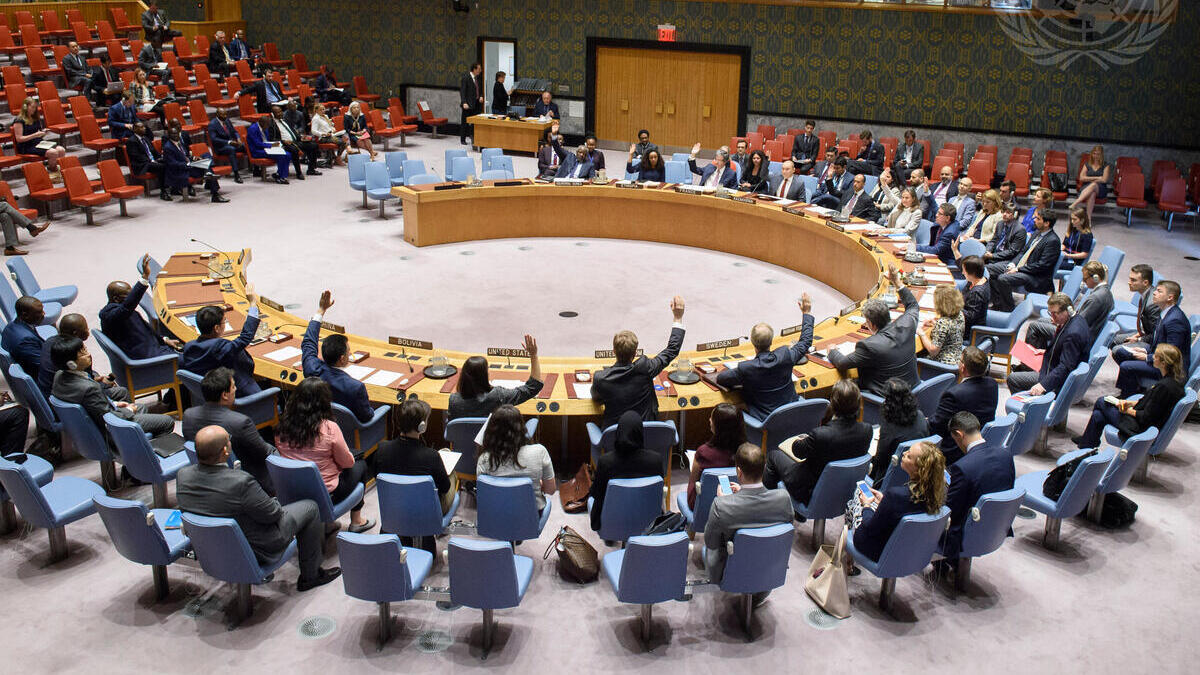
This was a historic achievement. Hunger was no longer only at the margins of humanitarian debate. The Council had recognized that attacks on food production, markets, water systems, livestock and the infrastructure indispensable to civilian survival may have direct implications for peace and security.
Ten years after the 2016 meeting, however, the Secretary-General’s warning exposes an uncomfortable truth: our normative and analytical progress has not been matched by sufficient political action.
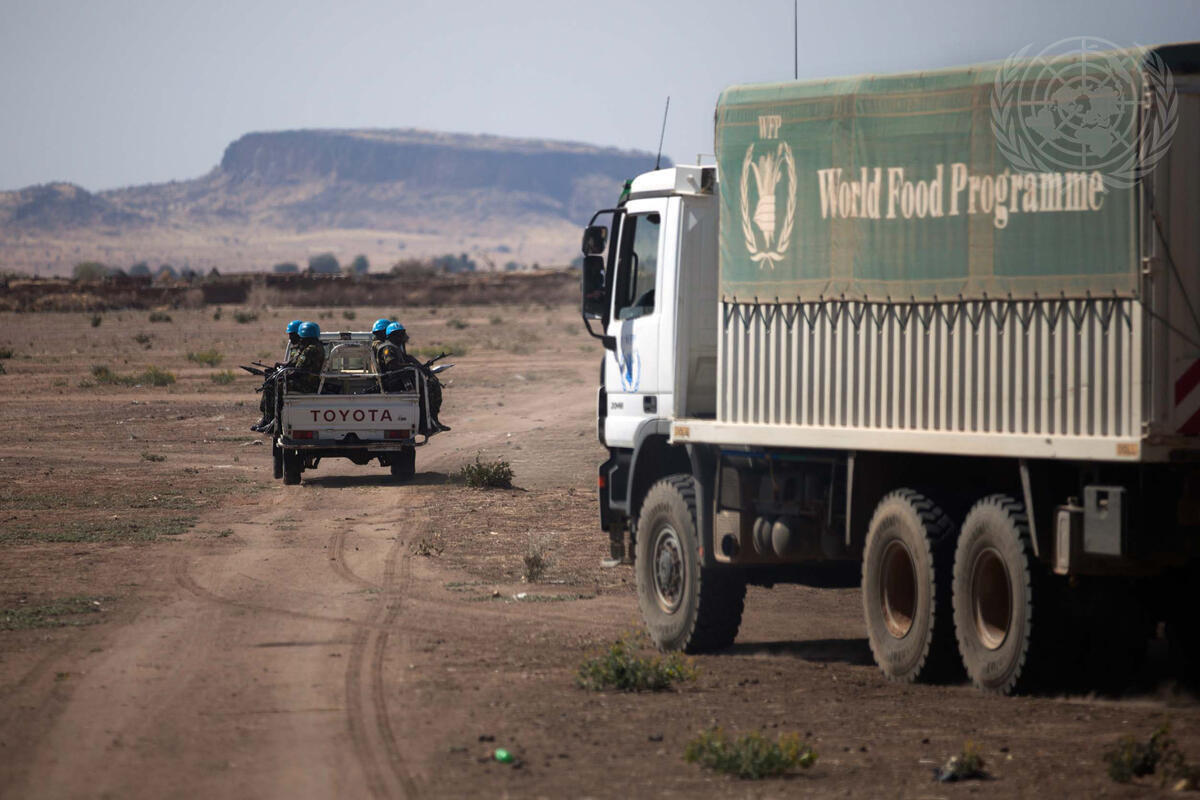
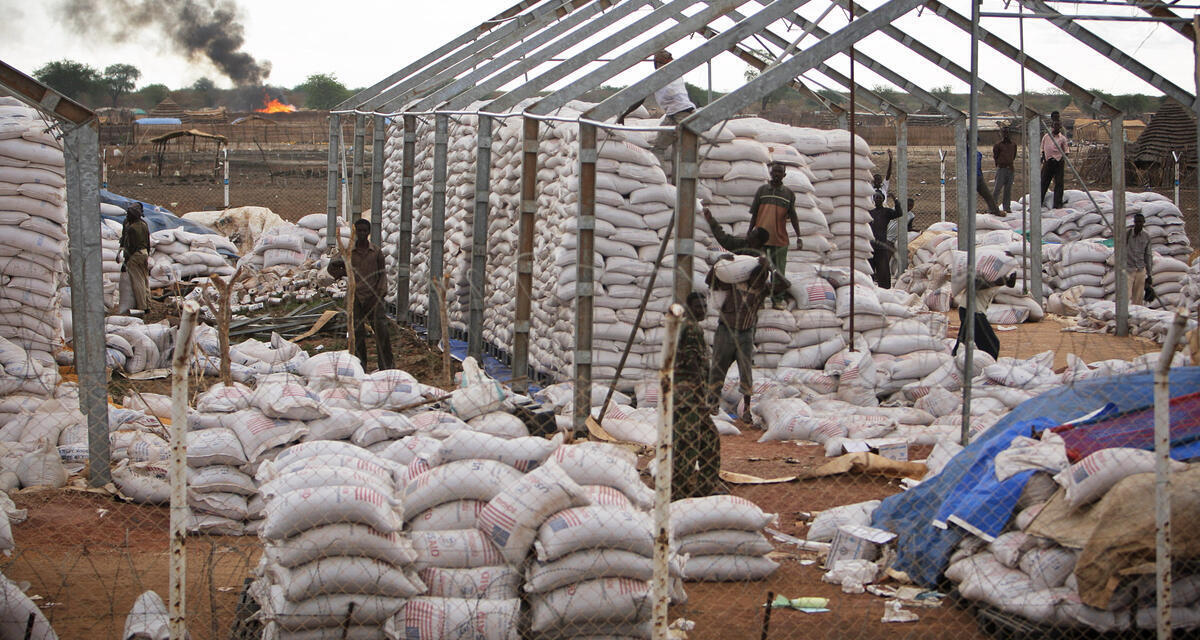
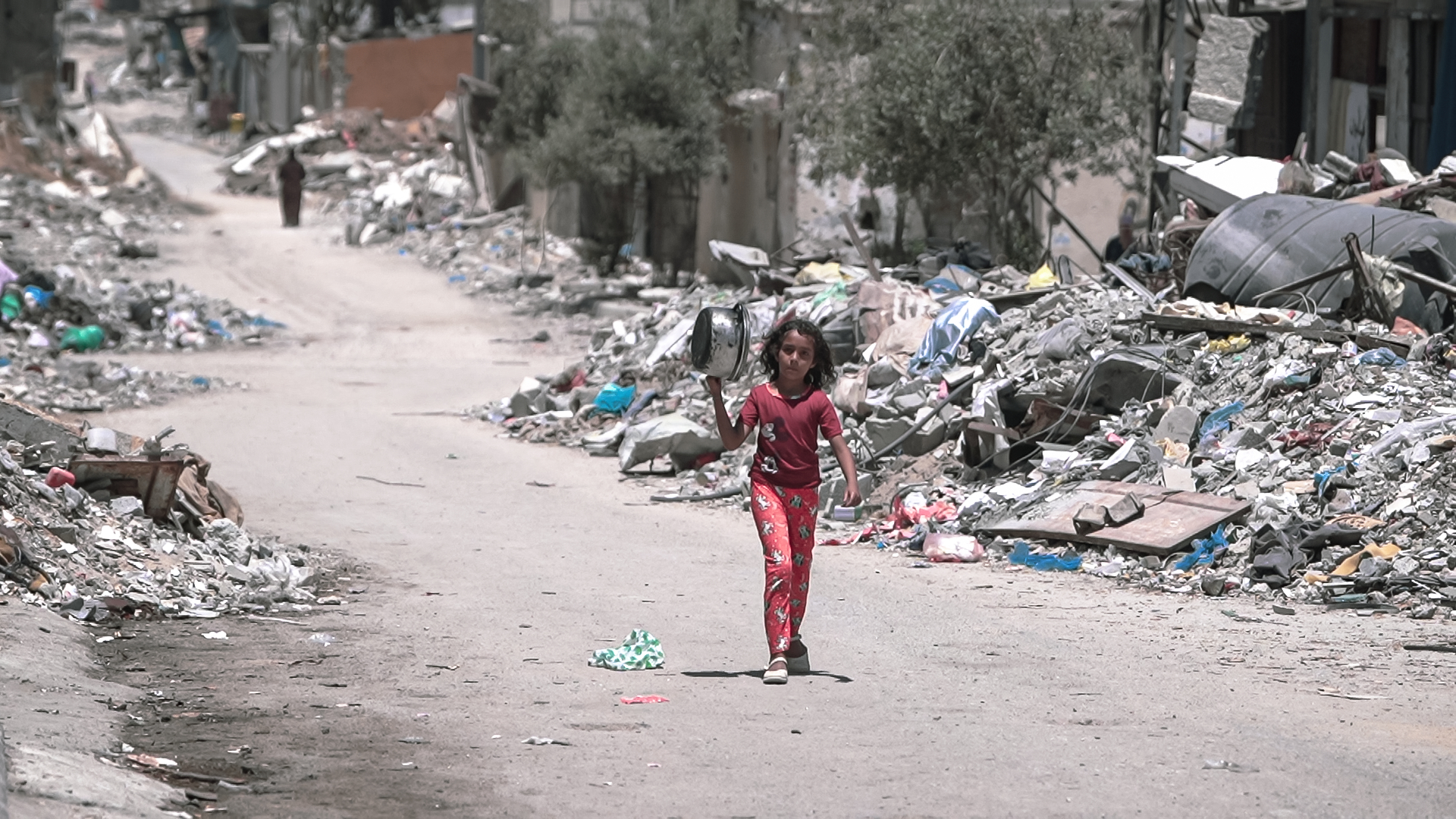
The consequences of this inaction are no longer abstract. In Gaza and Sudan — and in other recent conflicts — the destruction of food systems, the obstruction of humanitarian assistance and the deliberate deprivation of food have allowed hunger to be used increasingly and openly as a weapon of war. What Resolution 2417 unequivocally condemned has become a recurring feature of contemporary warfare, exposing the dangerous distance between the rules adopted by the international community and its willingness to enforce them.
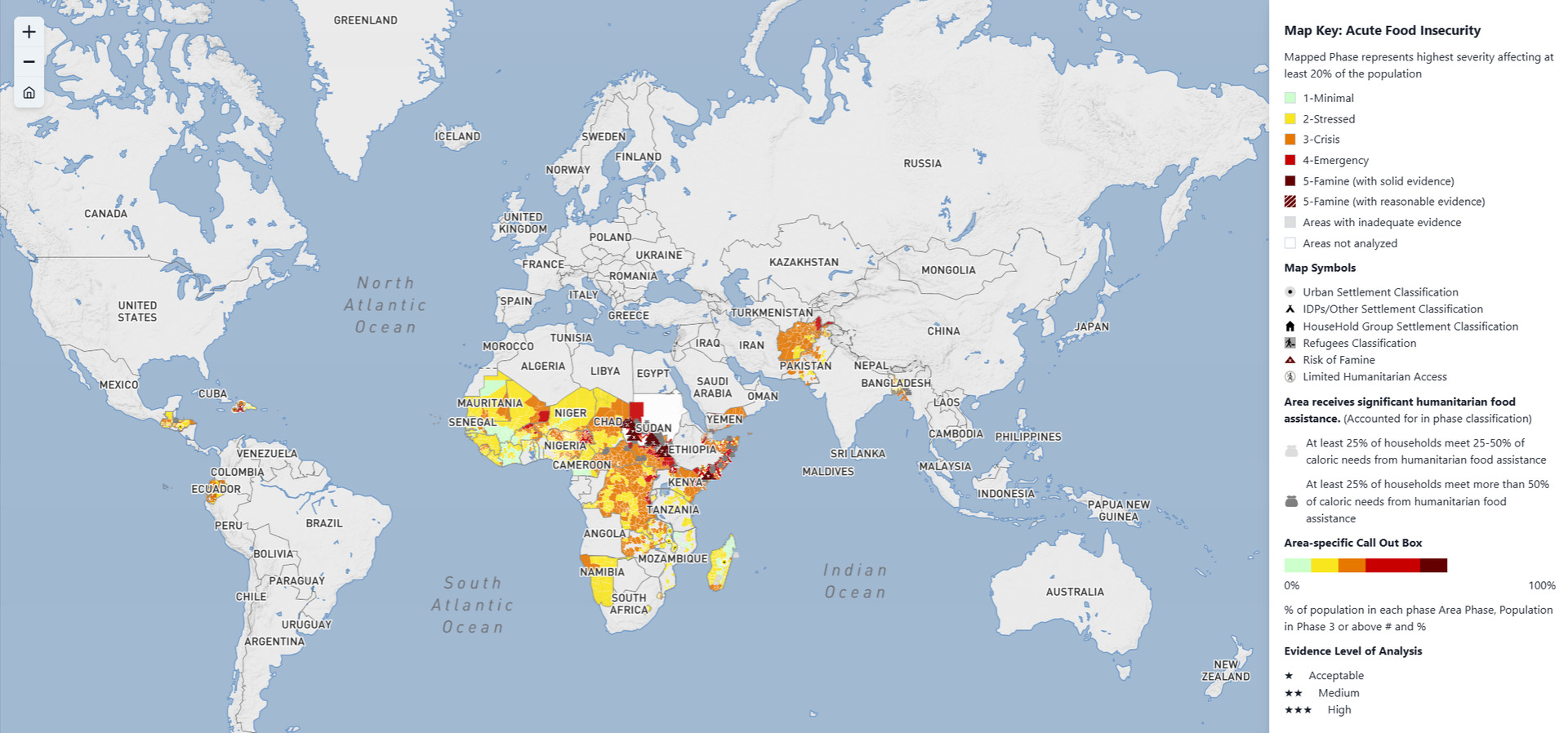
Today, we know where hunger is worsening. We have satellite data, market monitoring, climate forecasts, conflict analysis, the Integrated Food Security Phase Classification, the Global Report on Food Crises and the FAO–WFP Hunger Hotspots series. The greatest failure is no longer the absence of data. It is the failure to act on warnings early, collectively and at the necessary scale.
The new debate must therefore go beyond reaffirming the link between conflict and hunger and focus on concrete actions. Three commitments are essential.
First, international humanitarian law must be upheld and accountability strengthened. Civilians, humanitarian workers and the objects indispensable to survival must be protected. Starvation cannot be normalized as an unavoidable by-product of war, and those who deliberately obstruct food and assistance cannot act with impunity.
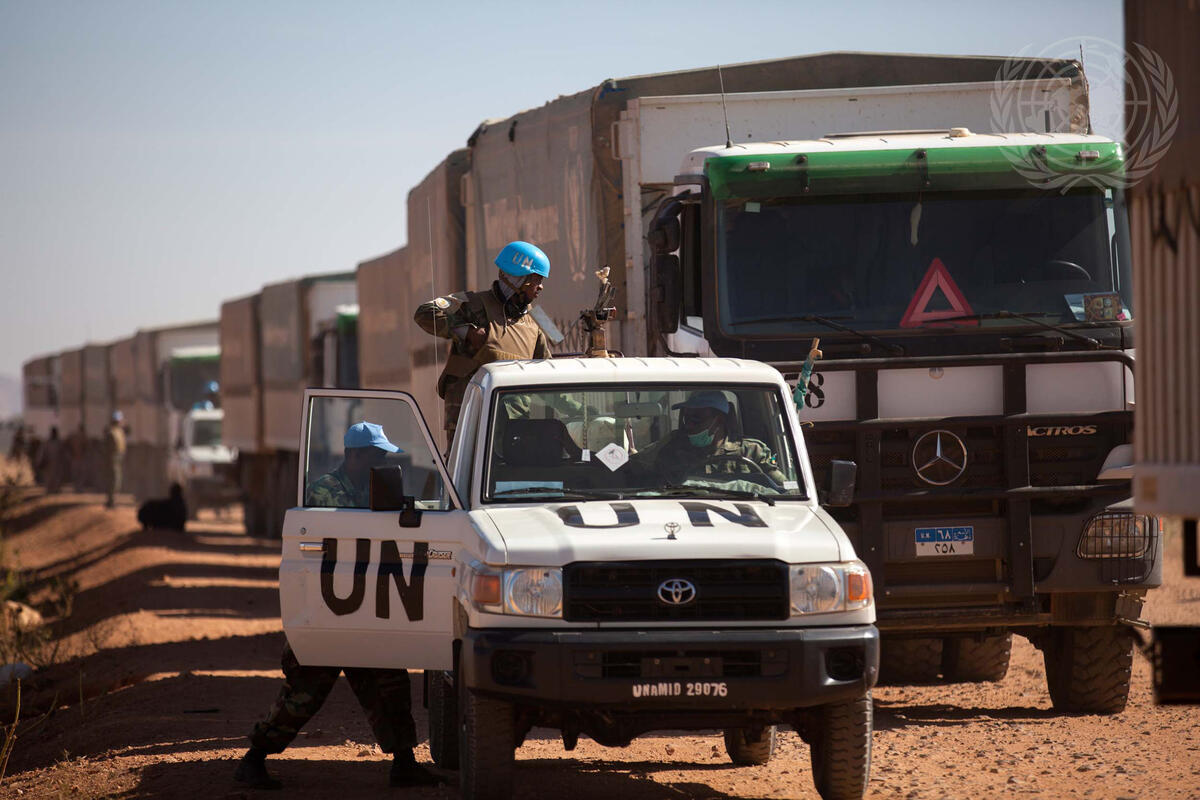
Second, humanitarian access must include support for emergency food assistance that saves lives. But farmers, herders, fishers and rural communities also need protection to their livelihoods to avoid displacement and the long-term cost of recovery.
Third, early warning must automatically trigger early action. Anticipatory financing should be agreed before crises peak, not improvised after famine warnings dominate the headlines. Diplomatic engagement, protected humanitarian access and livelihoods assistance must respond to evidence while there is still time to prevent the worst outcomes.
In conclusion, the Security Council must use all the instruments at its disposal to prevent conflict-related hunger, demand compliance with international law and ensure systematic follow-up to Resolution 2417. If they don’t do it, they become co-responsible for the genocides that are happening in several conflicts around the World nowadays.
Related Articles
Here is a list of articles selected by our Editorial Board that have gained significant interest from the public:
But responsibility does not belong to the Council members alone. Governments, humanitarian and development agencies, financial institutions and regional organizations must connect peacebuilding, food-system resilience and social protection rather than treating them as separate agendas.
The long journey from the 2016 Arria-formula meeting to “Food Under Fire” shows that the international community has learned to describe the vicious cycle linking conflict and hunger. The task now is how to break it.
The central lesson remains as simple — and as urgent — as it was ten years ago: there can be no sustainable food security without peace, and there can be no sustainable peace while people are condemned to hunger.
Editor’s Note: The opinions expressed here by the authors are their own, not those of Impakter.com