Impakter
  • Environment
    • Biodiversity
    • Climate Change
    • Circular Economy
    • Energy
  • FINANCE
    • ESG News
    • Sustainable Finance
    • Business
  • TECH
    • Start-up
    • AI & Machine Learning
    • Green Tech
  • Industry News
    • Entertainment
    • Food and Agriculture
    • Health
    • Politics & Foreign Affairs
    • Philanthropy
    • Science
    • Sport
  • Editorial Series
    • SDGs Series
    • Shape Your Future
    • Sustainable Cities
      • Copenhagen
      • San Francisco
      • Seattle
      • Sydney
  • About us
    • Company
    • Team
    • Global Leaders
    • Partners
    • Write for Impakter
    • Contact Us
    • Privacy Policy
No Result
View All Result
Impakter logo
No Result
View All Result
Europe fossil fuels

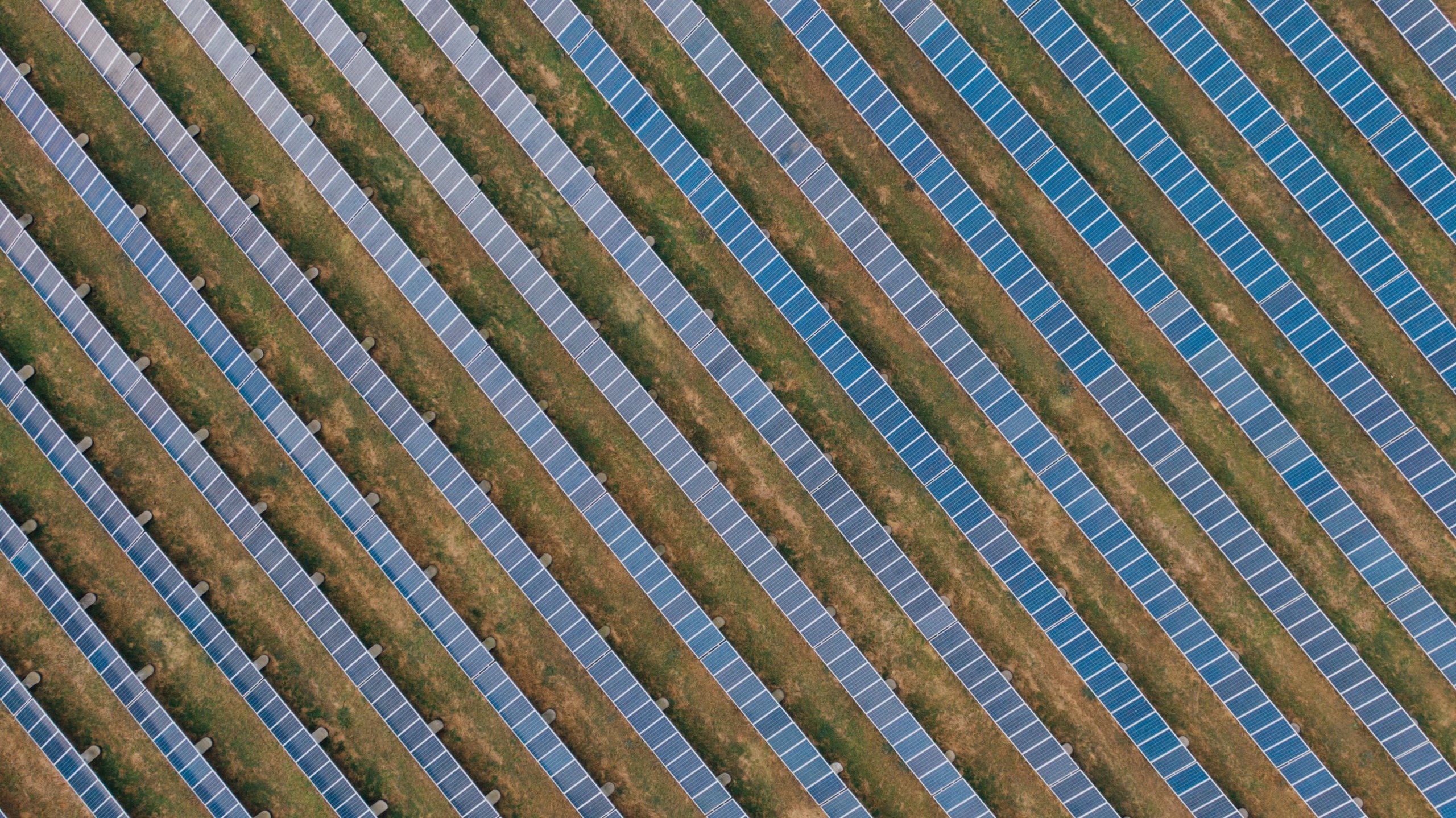
Solar power from above, by Kelly, Pexels.com

Europe on the Brink of a Clean Power Revolution 

A new report from Ember, an energy think tank, shows a dramatic drop of -17% in coal and gas in the first half of 2023 while wind and solar power continue to grow and nuclear recovers from historic lows; at this point, only 33% of energy generated in the EU comes from fossil fuels

David BassbyDavid Bass
September 5, 2023
in Climate Change, Energy, Environment, Future of Europe Series, Science
0

The report demonstrates the results of the drive in Europe to end the use of climate change-causing fossil fuels and move towards cleaner, more sustainable energy generation such as wind and solar. Solar energy is clearly on the rise with an increase of 13% in use.    

“The decline in fossil fuels is a sign of the times. Coal and gas are too expensive, too risky, and the EU is cutting them out. But we need to see clean power replacing fossil fuels faster. A massive push, especially on solar and wind, is urgently needed to underpin a resilient economy across Europe.”

— Matt Ewen, Europe data analyst, Ember.

Why is this happening?

The driving force behind this change is a commitment across EU governments, business and society to turn to climate–friendly energy sources. The EU Commission’s own efforts, including the Fit-for-55 package, despite misgivings, is clearly having an impact on the ground, among citizens opting to go green and use clean power. 

However, another driving force is the current crisis in Ukraine and the cut-off of gas from Russia on which Europe had come to blindly rely without realising the geopolitical risks. This caused a spike in energy prices, meaning that many countries in Europe were forced to find alternative sources of power to provide energy security, with the continued use of fossil fuels looking risky. Many governments also introduced measures to cut energy use overall. 

Where is this happening?

Although fossil fuel use is down right across Europe, five member states seem to be making substantial progress. Portugal, Austria, Bulgaria Estonia and Finland have all seen a drop of 30% in fossil fuels use.  

However, the move to renewable energy is happening at a swift rate globally, too. A report from the World Economic Forum shows that several countries are leading the way in the move away from fossil fuels.


Related articles: EU Fit for 55: Parliament Approves Crucial Parts of the Climate Package |  Impakter Joins Climate Coverage Initiative | REPowerEU: The EU’s Plan to Rapidly Reduce Dependence on Russian Energy and Tackle the Climate Crisis |

In their report, three European countries top the global rankings, first Sweden, followed closely by Norway and Denmark. But, interestingly, China and India have also been making  progress: China is betting on electric vehicles while heavily investing in solar and wind energy. China has been active in clean energy expansion, accounting for 40% globally. But it still relies heavily on coal production (61% of its total energy mix).

While India has an urgent need to electrify its vast rural areas and fossil fuels appear as the cheaper option (especially as it benefits from Russian supplies at cut rates), India has also identified solar power as a desirable, pollution-free option. A report shows that this is not only due to a commitment to environmental issues but also to address its concerns about India’s environmental security in a time of economic expansion

Where will this lead?

The evidence shows a growing commitment by leading economies to the move from fossil fuels to cleaner and more environmentally friendly power sources.  

Greta Thunberg confidently declared: “The world has had enough fossil fuels. We must have the courage to change”. Alas, it would appear that not all the world has had enough or is willing to change, or change fast enough to avoid the worst impacts from climate change. Whether the world’s two largest countries by population – India and China – are willing to take the lead remains to be seen but at least a modest start has been made, and the hope is that they will continue on this positive road. 

A positive road already taken by Europe – but certainly Europe, with only half-a-billion people, cannot be expected to do it alone. 


Editor’s Note: The opinions expressed here by the authors are their own, not those of Impakter.com — In the Featured Photo: Earth heating up. Featured Photo Credit: Geralt.

Tags: Climate ChangeEuropeEuropean Unionfossil fuelRenewable energy
Previous Post

Beyoncé’s Call for Silver Outfits: A New Unsustainable Fashion Trend?

Next Post

How Climate Change Increases the Risk of Mosquito-Borne Diseases

Related Posts

ESG News regarding U.S. lifting more sanctions on Venezuela, Egypt securing $1.8 billion renewable energy deals, U.S. pushing G7 allies to reduce reliance on China for critical minerals, richest 1% exceeding annual carbon share in just 10 days.
Business

U.S. Considers Lifting More Venezuela Sanctions

Today’s ESG Updates US May Lift Venezuela Sanctions to Boost Oil & IMF Aid: US could ease sanctions to support...

byAnastasiia Barmotina
January 12, 2026
ESG News regarding China restricting industrial renewable exports, UN warning that US climate treaty exit harms economy, UK firms lowering wage forecasts despite inflation, Meta partnering with TerraPower for new nuclear reactors.
Business

To Save the Grid, China Forces Industries to Go Off-Network

Today’s ESG Updates China Limits Grid Exports for New Industrial Solar & Wind: China is encouraging companies to store green...

byEge Can Alparslan
January 9, 2026
Solid-State Batteries: The Bet Promising to Change Electric Vehicles
Energy

Solid-State Batteries: The Bet Promising to Change Electric Vehicles

The way we power cars is changing. Not only because electric vehicles are becoming more common, but because the technologies...

byLuis Guillermo Valdivia Chavez
January 8, 2026
ESG News regarding critical minerals and Greenland
Business

Greenland’s Melting Ice and the Race for Critical Minerals

Today’s ESG Updates Vast Resources Under Greenland's Ice: Untapped critical and rare-earth mineral deposits emerge, along with questions about mining...

byAriq Haidar
January 8, 2026
coal mine
Business

Can the War on Coal Still Be Won?

Ten years ago, I embedded in the war on coal. I spent a month inside the Sierra Club’s Beyond Coal campaign, watching an organization...

byCanary Media
January 6, 2026
Impakter’s Most-Read Stories of 2025
Society

Impakter’s Most-Read Stories of 2025

In 2025, as in previous years, Impakter readers turned in large numbers to stories examining climate change and pollution, environmental...

byImpakter Editorial Board
December 31, 2025
Year in Review: Trump 2.0 and the Environment
Editors' Picks

Year in Review: Trump 2.0 and the Environment

So much has happened this year. It seems that every day there is a new headline that is just as...

bySarah Perras
December 30, 2025
Is It Time to Recognize Climate Refugees?
Climate Change

Is It Time to Recognize Climate Refugees?

Climate displacement has become a defining feature of our present. Climate shocks now shape human (im)mobility, humanitarian crises, and political...

byDr. Shepherd Mutsvara - Research Fellow at the University of Münster, Germany
December 30, 2025
Next Post
How Climate Change Increases the Risk of Mosquito-Borne Diseases

How Climate Change Increases the Risk of Mosquito-Borne Diseases

Recent News

ESG News regarding Economic Collapse Fuelling Iran Protests Amid Rising Death Toll, U.S. Pressure on Iran Tests Beijing as Tariffs Could Push China Duties Above 70%, EU Offers China Price Pledge Option to Avoid EV Tariffs, Atmosphere Emerges as Major Pathway for Plastic Pollution

Iran Acknowledges 2,000 Deaths as Protests Enter Third Week

January 13, 2026
Five Keys to Understanding Venezuela’s Oil History

Five Keys to Understanding Venezuela’s Oil History

January 13, 2026
First of Its Kind One Health Book: A Review

First of Its Kind One Health Book: A Review

January 13, 2026
  • ESG News
  • Sustainable Finance
  • Business

© 2025 Impakter.com owned by Klimado GmbH

No Result
View All Result
  • Environment
    • Biodiversity
    • Climate Change
    • Circular Economy
    • Energy
  • FINANCE
    • ESG News
    • Sustainable Finance
    • Business
  • TECH
    • Start-up
    • AI & Machine Learning
    • Green Tech
  • Industry News
    • Entertainment
    • Food and Agriculture
    • Health
    • Politics & Foreign Affairs
    • Philanthropy
    • Science
    • Sport
  • Editorial Series
    • SDGs Series
    • Shape Your Future
    • Sustainable Cities
      • Copenhagen
      • San Francisco
      • Seattle
      • Sydney
  • About us
    • Company
    • Team
    • Global Leaders
    • Partners
    • Write for Impakter
    • Contact Us
    • Privacy Policy

© 2025 Impakter.com owned by Klimado GmbH