Today’s ESG Updates
- Global Scientists Slam U.S. Climate Report as Misleading: Over 85 climate experts have denounced a U.S. Department of Energy report that downplays climate change, citing misuse of their work and cherry-picked data.
- EU Weighs 10-Year Fuel Tax Delay for Aviation and Shipping: A draft proposal suggests postponing aviation and maritime fuel taxes to 2035 to protect EU competitiveness, sparking debate ahead of Friday’s negotiations.
- Brazil’s BNDES Launches $3.3B Climate Fund: Brazil’s state bank has initiated a climate investment fund with a mix of public and private capital, aiming to accelerate green projects from forest restoration to decarbonization.
- La Niña Could Return, But High Temperatures Remain: Despite cooling ocean temperatures expected with La Niña, global temperatures are expected to remain higher than average.
Klimado – Navigating climate complexity just got easier. Klimado offers a user-friendly platform for tracking local and global environmental shifts, making it an essential tool for climate-aware individuals and organizations.
Scientists around the world criticize climate report from the United States
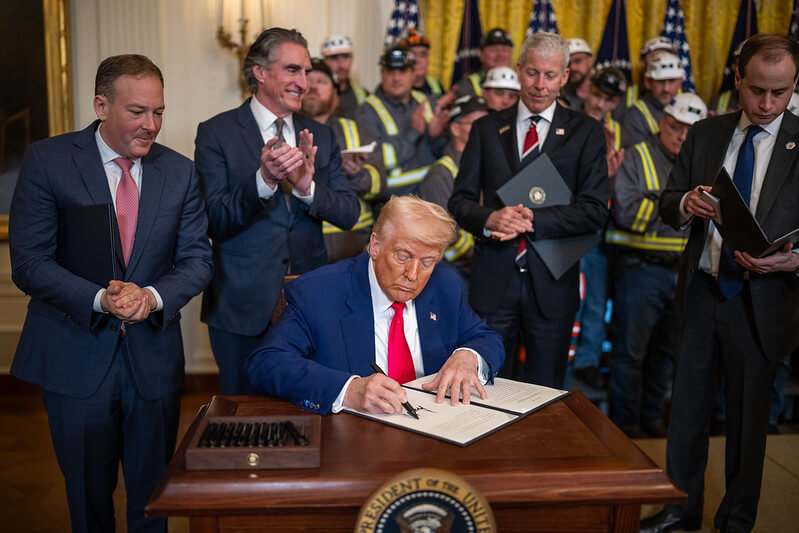
A report published in July by the U.S. Department of Energy claimed that climate change is exaggerated and not nearly as bad as the public perceives. Over 85 scientists from around the world have publicly condemned this report, stating that it is full of handpicked data, errors, and misrepresentations. Many of the scientists calling for the report to be discredited produced work cited in the report. The Trump administration aims to use this report as a justification for removing limits on fossil fuel use in the United States. Andrew Dessler, a professor of atmospheric sciences at Texas A&M University, said, “Their goal was to muddy the waters, to put out a plausible-sounding argument that people can use in the public debate to make it sound like we don’t know whether climate change is bad or not.” On Tuesday, over 2,300 comments had been submitted concerning the report.
***
Further reading: Scientists Denounce Trump Administration’s Climate Report
European Union evaluating a 10-year delay for fuel taxes

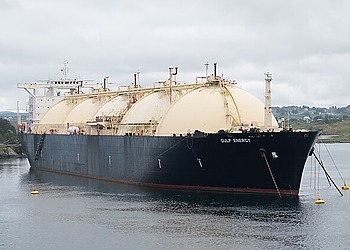
The European Union is reviewing its shipping and aviation fuel tax plan, seeking to delay the plan until 2035. The tax on aircraft and shipping fuels was introduced in 2021 when the European Commission proposed a complete rework of energy tax rules. Governments across the EU resisted the changes, drafting an EU negotiating proposal seen by Reuters to delay the tax system by 10 years. Private airplanes and boats considered to be “private pleasure craft” may see taxes before 2035, as per the draft. The proposal states that the delay was an effort to “maintain the competitive position of Union companies.” Governments heavily influenced by tourism and shipping have been especially vocal about this delay. Negotiations are expected to take place in Brussels on Friday.
***
Further reading: EU mulls 10-year tax holiday for jet and shipping fuels, draft shows
Brazil’s BNDES bank calls for climate-focused investments

BNDES, Brazil’s state development bank, has launched a public call for climate investment. The bank put up 5 billion reais in seed capital and is expecting 13 billion reais in private capital. The 18 billion reais ($3.32 billion) in investments would be significant for the country’s green economy transition. President Luiz Inacio Lula da Silva seeks to position Brazil within the global sustainability agenda. Projects funded by the investments will range from forest restoration and green agriculture to industrial decarbonization. Foreign investors are encouraged to submit proposals through October 20. Companies focused on green investments can track their progress with ESG tools.
***
Further reading: Brazil’s development bank BNDES launches $3.3 bln green economy fund initiative

Higher than average temperatures to continue despite the return of La Niña

Beginning in September, La Niña will return to affect weather patterns on and around the Pacific Ocean. La Niña is a phenomenon that cools the surface of the central and eastern equatorial Pacific periodically. Neither El Niño nor La Niña has developed since March, leading to neutral conditions. According to the World Meteorological Organization, there is a 55% chance that La Niña conditions will be present from September until November, increasing to 60% in October. Despite cooling ocean temperatures, surface temperatures are expected to be higher than average worldwide. If La Niña conditions do occur, areas globally could see flooding or droughts, specifically near the equator.
***
Further reading: La Niña may return but temperatures are likely to be above average
Editor’s Note: The opinions expressed here by the authors are their own, not those of impakter.com — In the Cover Photo: Energy Secretary Chris Wright behind Trump signing an executive order on coal. Cover Photo Credit: U.S. Department of Energy