Although not unique among the countries of the world, the United States is especially blessed with a diverse range of plants and animals, creating a breathtaking and inspiring landscape. A landscape with a biodiversity that requires protection to survive the onslaught of human expansion. That protection was framed into law as long ago as 1973 – but that protection is now threatened and it could soon stop if nothing is done. More about that below.
But first consider the magnitude of what is at stake: From the tiniest microbes to the grandest trees, every species plays a crucial role in maintaining the delicate balance of our planet. Biodiversity ensures ecosystem stability – something that is especially important in times of climate change and weather extremes.
Rich forests absorb carbon, mitigating climate change, while wetlands act as natural buffers against floods and storms.
Biodiversity also supports agriculture by providing pollinators and natural pest controllers, enhancing crop yields and food security.
From the forests of the Pacific Northwest to the Appalachian Mountains, as well as biodiversity-rich areas like the Florida Everglades, the country is a living showcase of nature’s brilliance and resourcefulness.
Preserving biodiversity is crucial as its loss can have significant impacts on human health – the One Health movement is there to remind us how the environment, the flora and fauna and humans make one, their destiny tied to each other. And for us humans, the impact will inevitably be felt in the economy and our cultural heritage. Therefore, it is necessary to protect endangered species by law.
How the US Protects Its Wildlife
In the US, the Endangered Species Act (ESA), which was signed into law in 1973 by the Republican President Richard Nixon, protects and conserves endangered and threatened species and the ecosystems on which they depend.
In his signing statement of the ESA, Nixon wrote:
“Nothing is more priceless and more worthy of preservation than the rich array of animal life with which our country has been blessed. It is a many-faceted treasure, of value to scholars, scientists, and nature lovers alike, and it forms a vital part of the heritage we all share as Americans.”
The Act provides a framework for identifying and listing species that are in danger of extinction or are likely to become endangered in the foreseeable future.
The Endangered Species Act has prevented the extinction of nearly every species it’s protected and supports biodiversity across our nation to ensure future generations see a world with wildlife of all kinds. https://t.co/7GXsubEB6e
— The White House 46 Archived (@WhiteHouse46) May 19, 2023
Once a species is listed as either “endangered” or “threatened,” it receives legal protection, and measures are put in place to help its recovery and ensure its survival.
50 years after its enactment, the Endangered Species Act is still instrumental in preventing the extinction of numerous species and has been credited with protecting iconic American animals like the bald eagle, the grey wolf, and the American alligator.
In fact, 99% of the plants and animals that have been listed on the ESA over the last half-century have survived.
However, the act has also faced criticism over the years, with some arguing that its strict regulations impede economic development and property rights.
Undeniably, the law has sparked much controversy and has not been revised by Congress since 1992. In recent years, there has been growing concern that it may not be able to endure for another 50 years.
As Mike Leahy, a senior director of the National Wildlife Federation, said: “Science is supposed to be the fundamental principle of managing endangered species. It’s getting increasingly overruled by politics. This is every wildlife conservationist’s worst nightmare.”
Endangered Species Act vs Economic Development
The first controversies regarding the act arose a few years after its enactment, when a small fish called the Snail Darter stopped the building of a 116 million dollar dam in 1978, which would be 468 million dollars in 2022 adjusted to inflation.
Even though the construction of the dam was continued later, the case showed for the first time how protecting endangered species becomes controversial when it endangers profits and property.
In line with this sentient, Holly Doremus, a University of California, Berkeley law professor, commented: “It’s easy to get everybody to sign on with protecting whales and grizzly bears, but people didn’t anticipate that things they wouldn’t notice, or wouldn’t think beautiful, would need protection in ways that would block some economic activity.”
All NYC families deserve respect & protection, even if they have feathers. Join us to fiercely protect our shorebird friends! #protecttheoystercatchers #protecttheplovers pic.twitter.com/jBDEtVhdT6
— NYC Plover Project (@NycPlover) August 3, 2023
When Donald Trump became president in 2016, his administration ended the blanket protection for all species that were recently listed as threatened.
Related Articles: What History Can Teach Us About the Conservation of Endangered Species | Conservation Actions Work to Save Species | We Collectively Have Only One Health | Climate Change? No Worries, It’s ‘Just Natural.’ Or is it?
This resulted in federal authorities considering the economic costs of preserving an animal or plant instead of the severe impacts on biodiversity or climate change.
Even though the Biden administration repealed some of his predecessor’s actions and announced plans to restore the ESA, this spring, the Senate narrowly voted to remove protections for the lesser prairie chicken and the northern long-eared bat, with the House of Representative following suit in July.
Tell the Biden Administration to fully restore the #EndangeredSpeciesAct https://t.co/fJP5TsURUq #ESA50 pic.twitter.com/v6LUnXuAT2
— Endangered Species Coalition (@endangered) August 2, 2023
On August 3, US senators sent a letter to the Biden administration, expressing their concerns with the ESA and the changes the President is intending to make.
“We urge your agencies to fully consider the impact these proposed rules will have on communities across the nation,” the senators wrote. “Instead of returning the ESA to an overly burdensome and ineffective statute, the Biden Administration must prioritize efforts that empower private landowners and other stakeholders to achieve the goal of removing species from the ESA list.”
In addition, there is a pending bill in the US Congress that aims to prevent new listings that would cause “significant” economic harm.
Another bill currently being considered aims to remove grey wolves and grizzly bears from the list of protected animals; it also intends to prevent courts from reinstating their protected status in the future.
The recent votes in the Senate and House of Representatives, letters to the government and the pending bills regarding wildlife conservation have highlighted the potential weaknesses of the ESA and how quickly it can be overruled.
Moreover, the growing divide between Democrats and Republicans is also impacting the ESA.
While many Democrats are committed to safeguarding the law, Republicans are becoming increasingly reluctant to support it.
Since passing the Endangered Species Act, we’ve made strides in protecting species facing extinction.
But we have our work cut out for us. We need to make real conservation efforts in order to #StopExtinction. #EndangeredSpeciesDay https://t.co/uQBSDwBgni
— Senator Bob Menendez (@SenatorMenendez) May 17, 2019
In the current political climate of the United States, it appears as though every issue faced is becoming increasingly polarised between two opposing sides – the protection of endangered species included.
“The atmosphere is incredibly partisan. A slim Democratic majority in the Senate is the difference between keeping the law on life support and blowing it up,” said Rappaport Clark, who headed the US Fish and Wildlife Service under President Bill Clinton.
Ultimately, the preservation of endangered animals hinges on two precious resources: time and money.
Unfortunately, recent history has revealed a disheartening trend – the willingness to allocate these resources for the protection of animals, especially the ones deemed less visually appealing, tends to wane.
One can only hope that the combined efforts of environmental activists, animal rights activists, scientists and the public will be sufficient to maintain the act in these uncertain times.
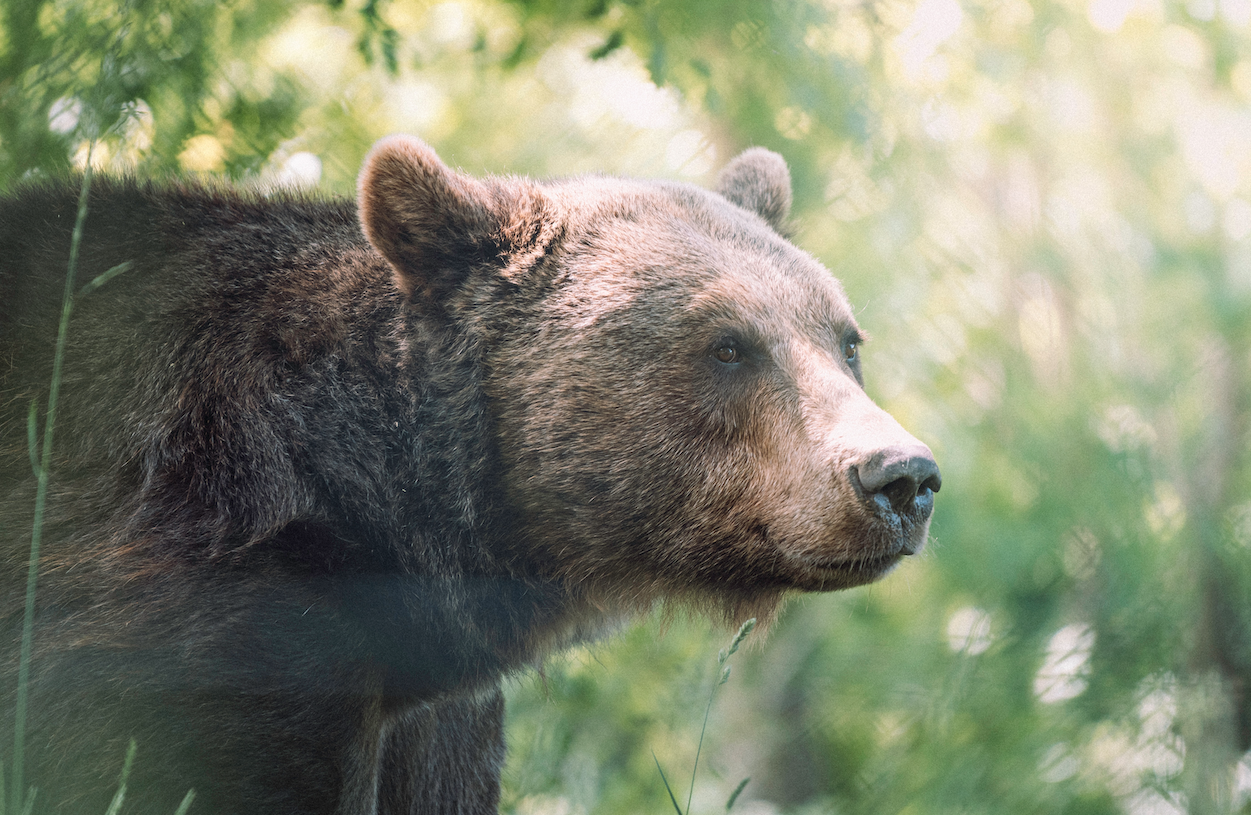
Editor’s Note: The opinions expressed here by the authors are their own, not those of Impakter.com — In the Featured Photo: Grizzly Bear. Featured Photo Credit: Max Saeling.