It was a target the world spectacularly missed: “By 2020, the extinction of known threatened species has been prevented and their conservation status, particularly of those most in decline, has been improved and sustained.” It was an Aichi Target, set in 2010, that stemmed from the United Nations Convention on Biological Diversity. By the time of a 2020 review, most indicators of the 20 Aichi Targets had continued to decline.
But research from 2020 shows the goal is in fact, “eminently feasible.” Conservation efforts between 1993-2020 prevented the extinction of 28–48 bird and mammal species. Were the same approach applied to other creatures many could be saved from extinction.
It’s information that augurs well for the future of other threatened species.
Researchers around the world collaborated on the study, which was published in the journal Conservation Letters, and featured in the Convention’s 2020 review. To be included in the study, species had to have been listed on the International Union for the Conservation of Nature’s “Red List” of threatened species at any time since 1993.
The researchers looked only at birds and mammals listed in the categories of extinct in the wild, critically endangered or endangered at some point since 1993. They also needed to have ongoing threats at that time, and to have benefitted from conservation action.
Frogs, lizards, fish, plants and other life are still hugely important to ecosystems around the world, but the researchers focused on birds and mammals because they had the most comprehensive Red List data available to make realistic and comparable assessments. These criteria left them with a shortlist of 39 birds and 21 mammals.
At least 28–48 bird and mammal extinctions were prevented between 1993–2020. At the same time, 15 confirmed or strongly suspected bird and mammal extinctions were documented, including one since 2010, a pretty brown bird called the Alagoas foliage-gleaner (Philydor novaesi), that lived in the forests of Brazil.
This means the number of extinctions would have been up to 4.2 times higher for 1993–2020, had conservation efforts not intervened.
Related Articles: How Much Does it Cost to Let a Species Go Extinct? | Earth’s ‘Sixth Mass Extinction’ Has Begun, Study Warns | On Extinction, Food, Climate and Inequality | Good Sign for Ocean Recovery: Whales May be Coming Back to the UK | What Have Cats Got to do With Climate Change? An Interview with Dr. John Goodrich | Women in Conservation — Azzedine Downes Shares His Views
For some species, such as the Hawaiian crow or ʻalalā (Corvus hawaiiensis), it was clear how humans had intervened: these creatures were “extinct in the wild” meaning their only remaining examples were in zoos and conservation breeding programs. Captive breeding programs helped 63% of species overall.
For many of the creatures, their remaining population was on islands, where they were able to persist away from invasive predators, such as cats and rats. Controlling invasive species helped 66% of species. The other winning strategy was to protect the remaining habitat of the threatened species, as human expansion through hunting and farming were two of the biggest threats. Introducing legislation to protect animals from hunting or collecting was especially helpful for the mammals in the study.
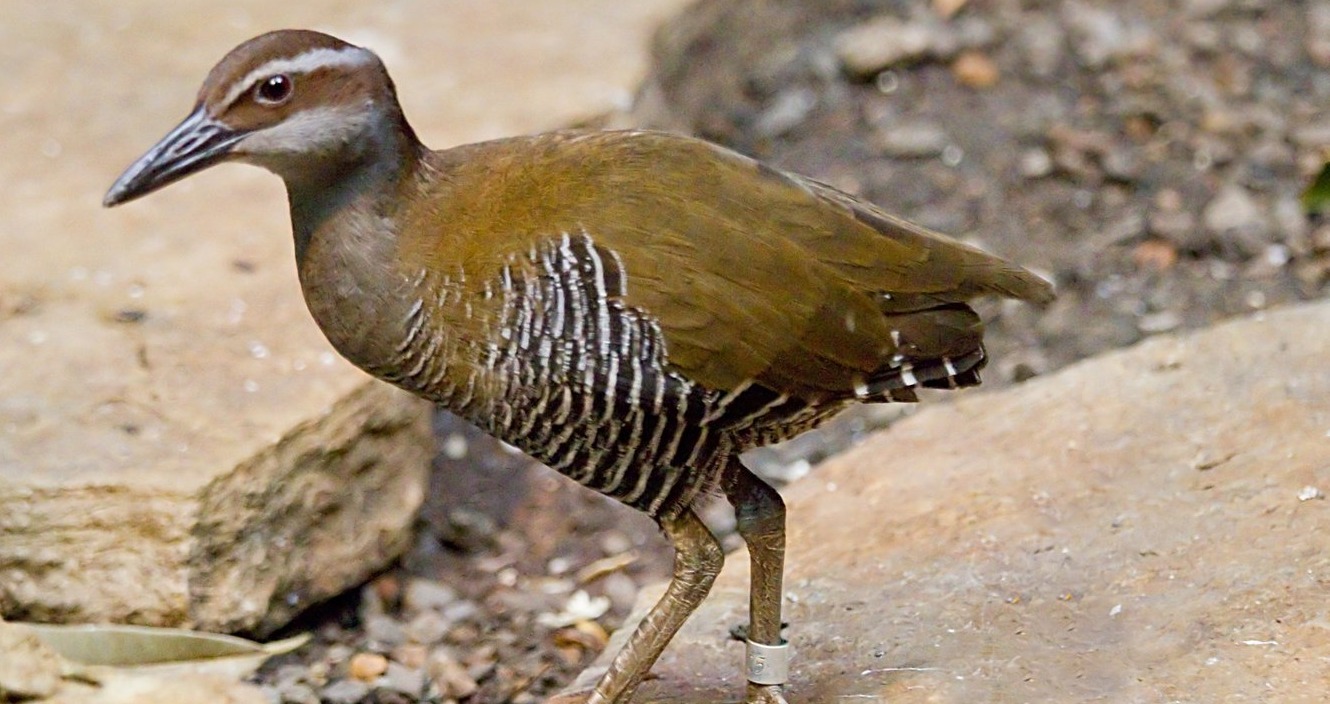
Two formerly extinct in the wild species were successfully reintroduced to their former homelands since 1993: Przewalski’s horse (Equus ferus) and Guam rail (Hypotaenidia owstoni).
Not all species in the study have been complete conservation successes. For example, for the vaquita (Phocoena sinus), a Mexican porpoise, just six individuals were known to remain in September 2018. A costly ban on gill-net fishing may have slowed the catastrophic decline but with illegal use still rife, it appears to be failing to halt it. Conservation may have avoided extinction so far, but it is still a significant possibility, if not likely.
The conservation actions were implemented by a combination of governments, non-government organisations, zoos, scientists, volunteers and others. Despite the good news, many of the species in the study remain highly threatened. Most require continued care and substantial investment to ensure their survival. The threats to these and other species remain present and growing. Even greater efforts will be needed to prevent the extinction and improve the status of the 6,811 species currently assessed as critically endangered on the Red List.
Early action to prevent decline and critical endangerment would be a more cost-effective approach to prevent species loss than captive breeding programs and reintroduction. The strategies to save species are available and, as this study showed, effective. What remains lacking is the widespread support for and adoption of these and emerging approaches. Extinction is not inevitable.
— —
This article was originally published February 28, 2022, by 360info™.
Editor’s Note: The opinions expressed here by the authors are their own, not those of Impakter.com — In the Featured Photo: Guam Rail at the Cincinnati Zoo. The Guam rail was successfully reintroduced to Guam from captive breeding programs. Featured Photo Credit: Greg Hume.