Dave Chang suffers no fools. He is obsessed with culinary innovation, unwilling to be in stasis for even a millisecond. The disruptively popular chef burst onto the food scene with Momofuku noodle bar (a first for the West) and hasn’t looked back since. The man collects accolades almost dismissively, because there is never time to dwell on the past. There’s always something newer, better and more creative to be working on.
This doesn’t stop at restaurants or food companies; through his Majordomo Media production company, Chang has produced a slew of docu-series looking at food through the lens of cultural shifts, undiscovered or underrepresented traditions, and idolises a future of diversity and sustainability from farm to table.
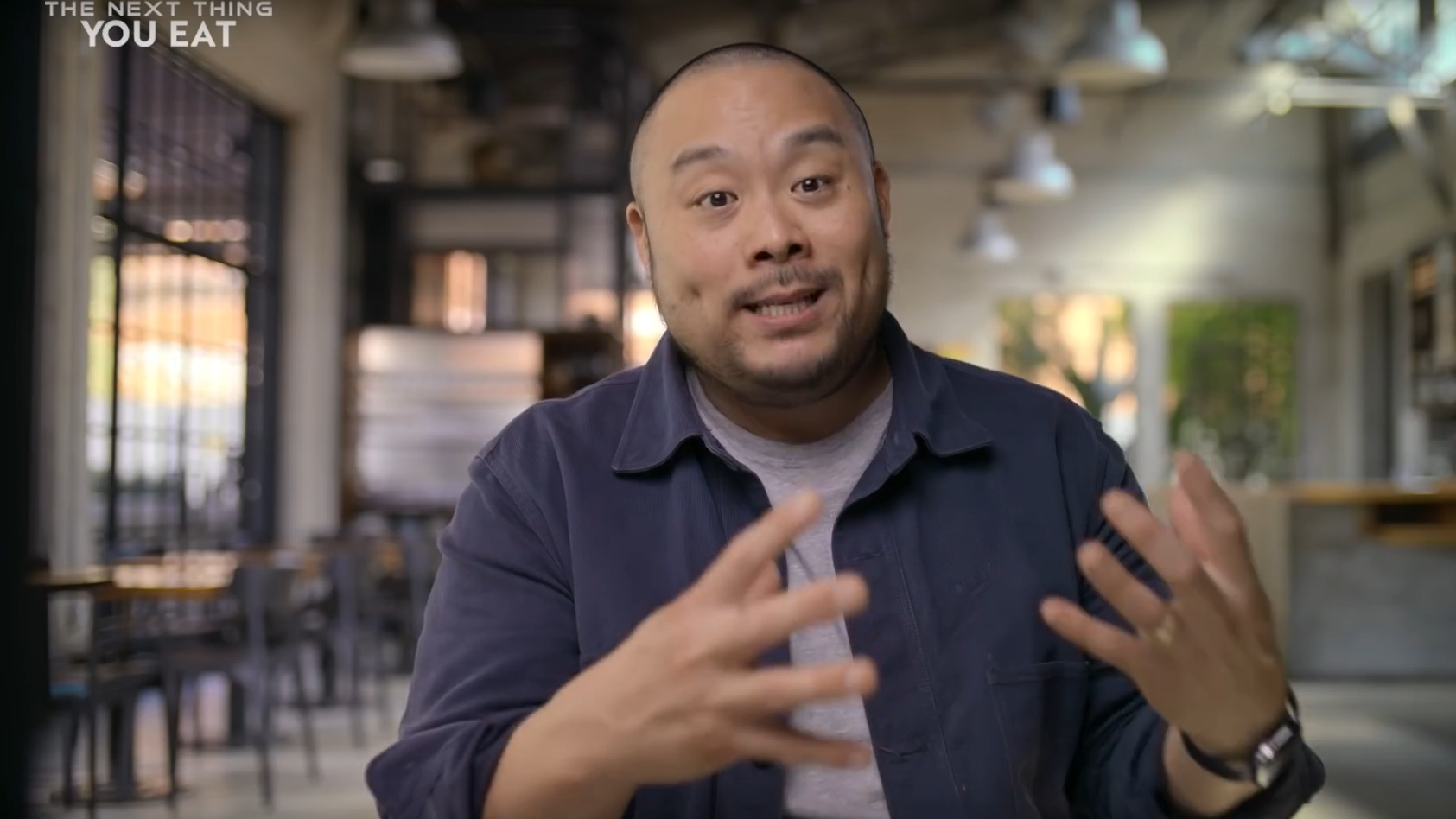
This is all exemplified through his latest venture, the Hulu series “The Next Thing You Eat,” which examines the likely and ideal futures of food and the people who make it (from the farmers, to the waitstaff).
We are taken through extremely human stories, from the gut-wrenching to heartwarming; The very first episode examines food delivery as it is right now, telling the tale of anguish of delivery drivers biking on freeways, and the untenable tragedy of the unemployment that could result from automating food delivery.
A moral dilemma presented to the viewer is the reduction of carbon emissions from delivery drivers using motorised vehicles at the cost of countless minimum wage jobs lost, especially given the high proportion of immigrant labour, and those with few other options.
This does emerge as a theme, the immigrant perspective, as with all of Chang’s work. Even outside the culinary world, there is a strong tendency for the Silicon Valley citadels to develop solutions to a greener future without consideration given to the human cost. Look at automated agriculture, explored in the final episode of the show – indoor vertical farms are all well and fine if you also have solutions for the agricultural workers you displace, over half of of whom, in the USA are undocumented immigrants.
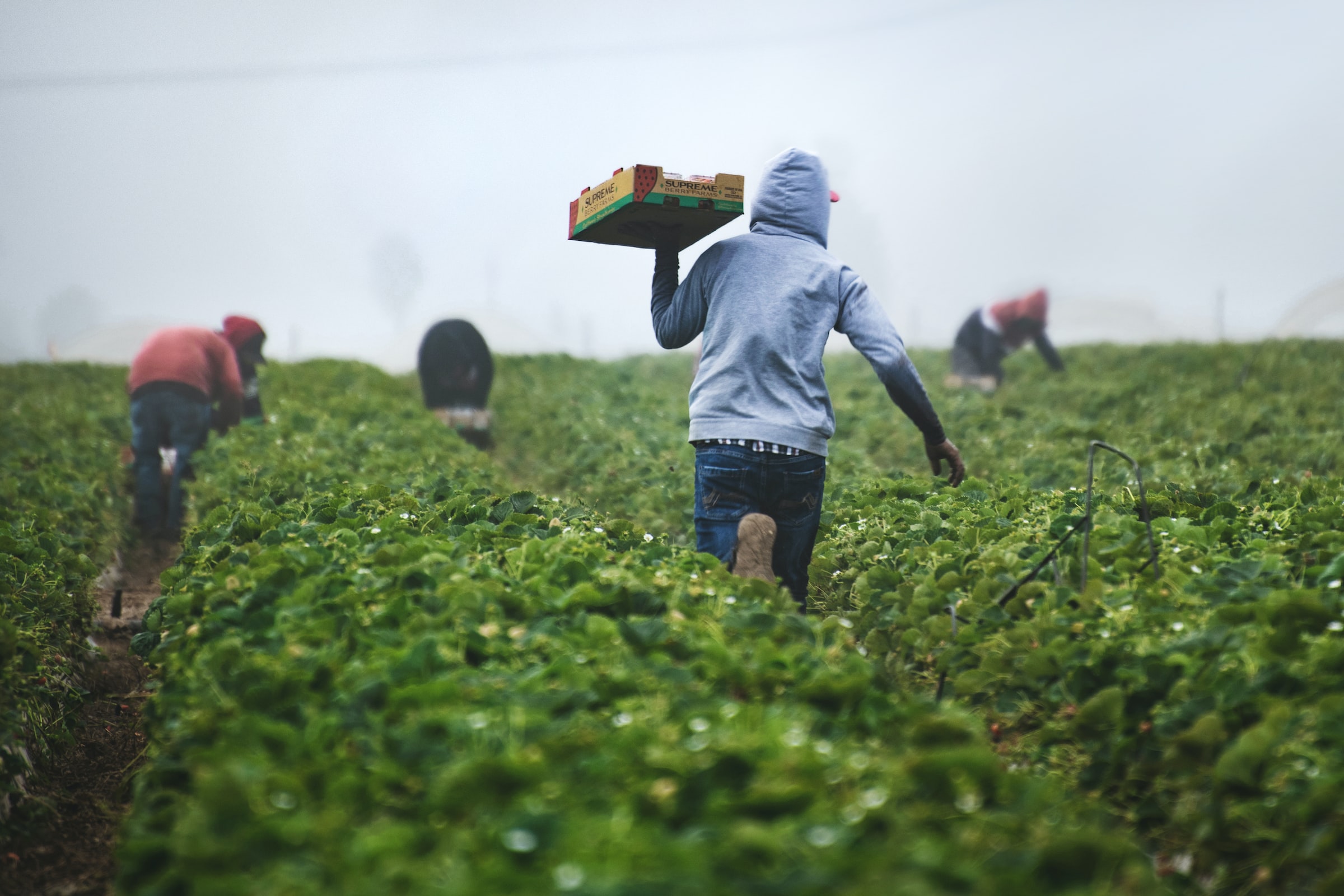
The immigrant conversation is important: in its final episode, the show discusses the creation of climate migrants and refugees and how these waves of migration could create new intermingling of food culture. Hope is offered that non-western, sustainable food habits will travel with these people.
Related Articles: Our Ocean, Our Future: global action to achieve SDG 14 | Taxing Cow Farts
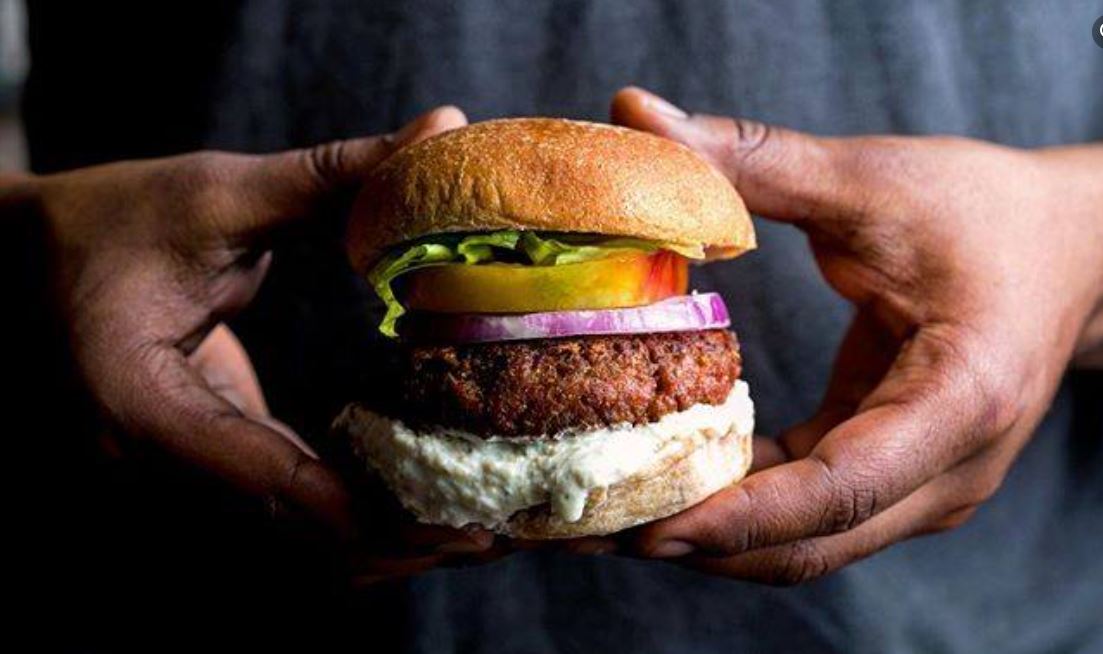
There are episodes dedicated to Burgers and Sushi, the former offering much more hope than the latter. The argument that a burger doesn’t need beef is hardly novel, and lab-grown meat isn’t that hard to find anymore. Two new perspectives are offered: The first, of the practice of traditional cattle farming, which, according to the show, removes 3.5 lb of carbon pollutant for every 1 lb of beef produced.
The second is the idea that the essential elements of a burger are the sensation and flavour, that don’t even need to resemble beef to be enjoyed-Crispy, meaty, umami and seasoned.
Sushi, on the other hand, requires intervention as an industry: Much was made of the cost of Japanese bluefin tuna fishing driving the species to extinction, following Time Magazine’s reporting in the early 2010s.
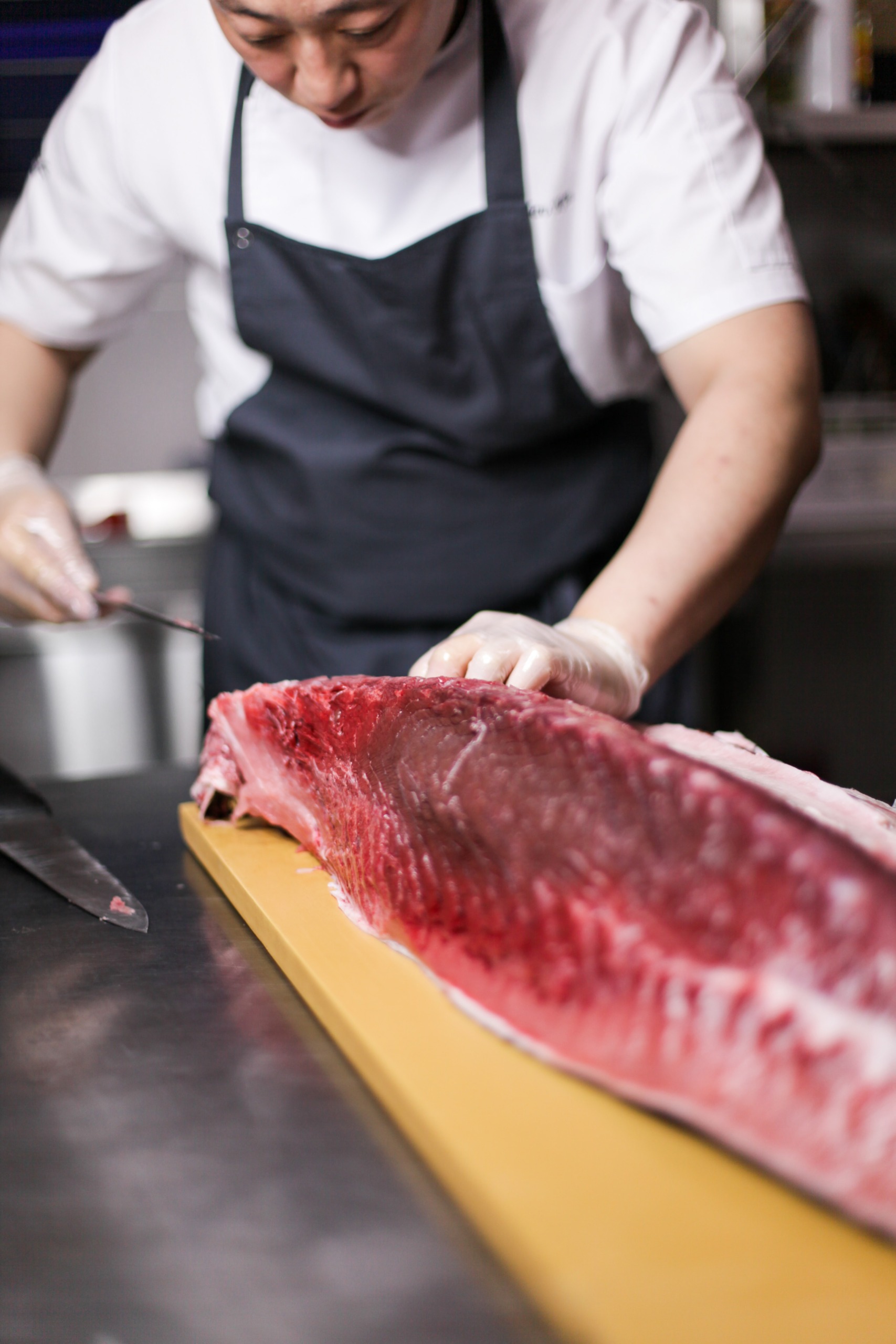
While partially true, the Japanese sushi industry is not to blame – it is the westernisation of the industry.
As explained in the episode, the Japanese way has always been to serve according to season and locale. The demand for unseasonable fish perennially due to the modern scale of the industry is what has caused the real harm here.
Chef Yumi Chiba of Anago No Uotake Sushi in Shizuoka, Japan gives us her expert perspective in this episode, with the tragically simple:
“The more convenient our lives become as humans, the less fish can live in the ocean.”
Sustainable fishing is one solution, as offered by the show, with california’s Morning Star Fisheries following stringent guidelines |(willingly) set by conservationists. Outside of the show, the sushi world has found even more drastic solutions, like sushi chef Kuniaki Yoshizawa, who is so dedicated to serving bluefin tuna that he farms his own. There is a carbon cost to having it flown to his New York Restaurant from Nagasaki, Japan, but he does his best by this fish, adopting a nose-to-tail approach to his omakase, minimising waste to almost zero.
All the above, along with the final episode’s exploration of mealworms and edible insects, operate under the assumption of a desire and need to eat animal protein, or at least something that emulates it. As a pescatarian, I can wholeheartedly testify to the constant “need for meat protein” retorts that come unsolicited upon, even breaching the cleaner eating conversation.
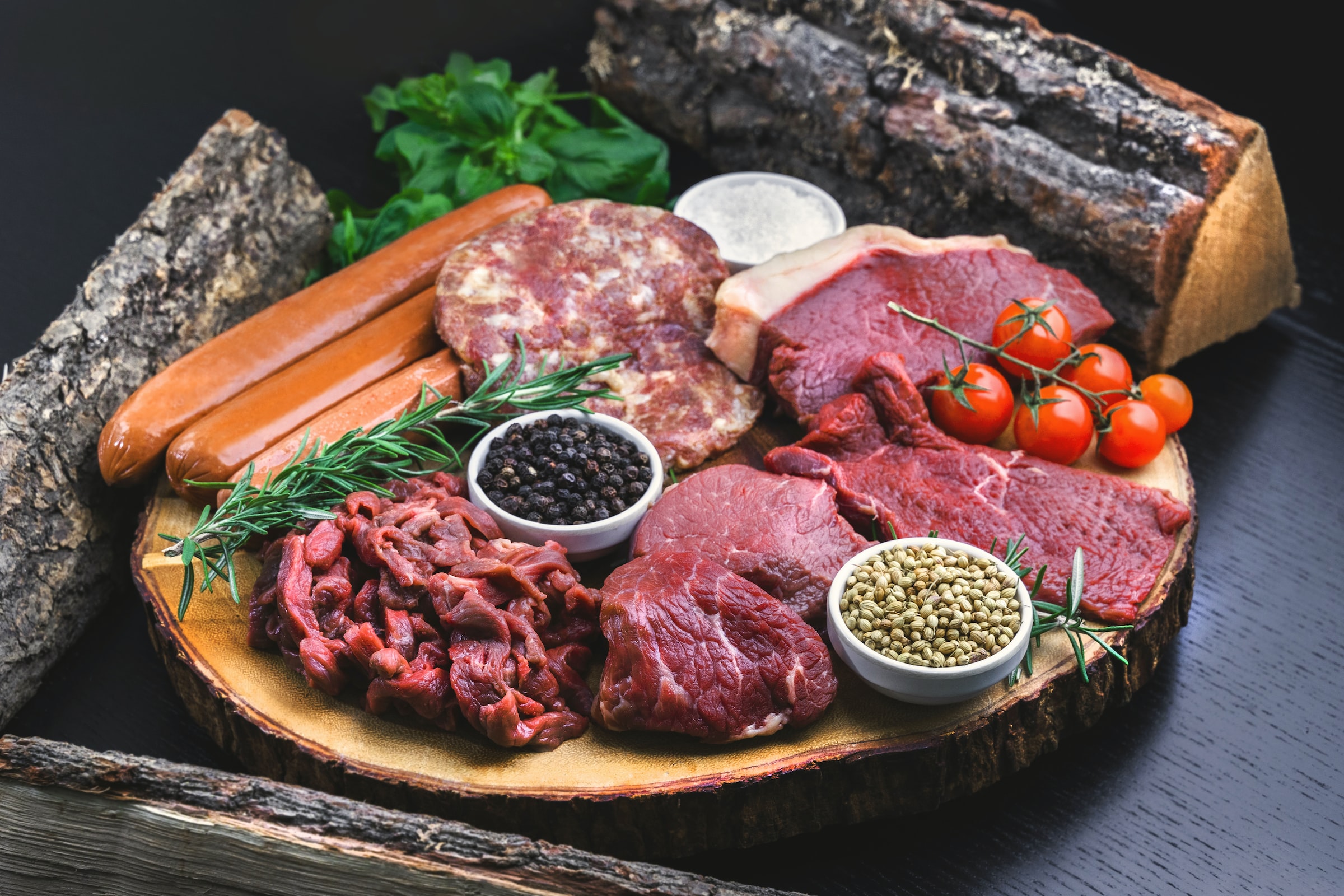
The science, however, shows an inconvenient truth for the carnivorous narrative. According to this study published last month by the American Journal of Clinical nutrition:
“…it appears that vegetarian (including pescovegetarian) diets, which are more respectful of the environment and natural resources, can meet nutritional references, even for nutrients provided mostly by animal-based food sources”.
So, the future of food we should be striving toward is a more diverse palate, a reduced meat diet with agricultural practices that fuse the futuristic and the traditional. Does that really sound so bad?
Editor’s Note: The opinions expressed here by the authors are their own, not those of Impakter.com — In the Featured Photo: A beyond meat burger pictured in “The Next Thing You Eat” series. Featured Photo Credit: Screenshot from Dave Chang’s series “The Next Thing You Eat.”