Coffee has long been treated as a stable global commodity — a daily ritual woven into cultures, economies, and identities. But a new analysis suggests that stability may be eroding. What consumers experience as rising prices or occasional shortages reflects something far more structural: climate change is intensifying extreme heat in key coffee-growing regions, pushing the crop closer to its biological limits.
The analysis, published this month by Climate Central, found that carbon pollution is significantly increasing the frequency of “harming heat” days across major coffee-producing countries, signaling that climate change is already reshaping where and how the crop can survive.
According to the analysis, all of the 25 coffee-growing countries studied — which account for about 97% of global coffee production — experienced more coffee-harming heat over the past five years because of climate change.

What Is “Harming Heat”?
The term “harming heat” refers to extreme temperatures that exceed thresholds known to damage crops. For coffee, which is highly sensitive to temperature fluctuations, even short periods of excessive heat can disrupt flowering, reduce bean quality, and lower yields.
Unlike general warming trends, harming heat isolates temperature spikes that directly impair agricultural productivity. Through climate attribution science, researchers can now determine how much more likely these heat events are because of human-caused carbon emissions.
In coffee-growing regions, that difference is becoming increasingly visible. Climate Central’s analysis shows that many countries are experiencing dozens of additional extreme heat days every year because of fossil fuel-driven climate change.
How Carbon Pollution Is Reshaping Coffee Regions
Coffee thrives within a narrow climatic band. The widely cultivated Arabica variety, prized for its flavor complexity, grows best in relatively cool tropical highlands. When temperatures rise beyond optimal ranges, plants become stressed. Prolonged exposure can stunt growth, reduce bean size, and increase vulnerability to pests and diseases such as coffee leaf rust.
The Climate Central analysis reveals just how widespread the shift has become. The five largest coffee-producing countries, responsible for about 75% of global supply, now experience an average of 57 additional days of coffee-harming heat every year because of climate change.
Brazil, the world’s largest coffee producer, has been particularly affected. The study found that Brazil experienced an average of 70 extra days of coffee-harming heat annually due to climate change.

Countries like Brazil and Vietnam, the world’s two largest coffee producers, are increasingly exposed to extreme heat events. Meanwhile, producers in Colombia and Ethiopia, where coffee cultivation supports millions of smallholder farmers, face rising temperature variability layered onto existing climate risks. Together, these four countries account for roughly 40–41% of global coffee exports, meaning climate disruptions in just a few regions can ripple across the global market.
The implications extend beyond annual harvest volumes. Heat stress can affect bean density and flavor profile, altering quality grades and market prices. In high-end specialty markets, even subtle climatic shifts can change the chemical composition of beans, reshaping taste.
“Climate change is coming for our coffee,” said Dr. Kristina Dahl, Climate Central’s Vice President for Science. “Nearly every major coffee-producing country is now experiencing more days of extreme heat that can harm coffee plants, reduce yields, and affect quality. In time, these impacts may ripple outward from farms to consumers, right into the quality and cost of your daily brew.”
Researchers warn that while some farms may adapt by moving cultivation to higher elevations, suitable land is finite. Expansion uphill can also accelerate deforestation, undermining biodiversity and climate mitigation goals.
Why Coffee’s Future Matters Beyond Your Morning Cup
Globally, the coffee industry supports an estimated 125 million people, many of them small-scale farmers in low- and middle-income countries, according to the International Coffee Organization. For these communities, climate change is not an abstract environmental issue but a direct threat to income stability.
Agriculture already accounts for about 70% of global freshwater withdrawals, according to the Food and Agriculture Organization, and coffee cultivation is increasingly affected by water scarcity as temperatures rise.
In regions where infrastructure and financial buffers are limited, farmers are left exposed to volatile harvests and fluctuating global prices.
Dejene Dadi, General Manager of Oromia Coffee Farmers Cooperatives Union (OCFCU) — one of the largest coffee producer cooperatives in Ethiopia — says farmers are already feeling the pressure:
“Coffee farmers in Ethiopia are already seeing the impact of extreme heat. Ethiopian Arabica is particularly sensitive to direct sunlight. Without sufficient shade, coffee trees produce fewer beans and become more vulnerable to disease. To safeguard coffee supplies, governments need to act on climate change. They must also work with, and invest in, smallholder coffee farmers and their organisations so we can scale up the solutions we need to adapt. For example, our Union is distributing energy-efficient cookstoves that reduce the need for firewood and protect forest areas that serve as natural shelters for coffee cultivation.”
From Ethiopian coffee ceremonies to Italian espresso bars and Brazilian plantations that shaped national development, the crop is embedded in social life across continents.
Related Articles
Here is a list of articles selected by our Editorial Board that have gained significant interest from the public:From Agricultural Risk to Climate Accountability
The Climate Central analysis underscores a critical point: the intensifying heat affecting coffee farms is closely tied to carbon pollution. Climate attribution science now allows researchers to quantify how much more frequent or intense certain heat events have become because of human activities.
That link reframes the narrative. This is not merely a story about changing weather patterns or unlucky harvest seasons. It is about fossil fuel emissions altering agricultural systems in measurable ways.
Adaptation measures such as shade-grown techniques, improved irrigation, and heat-tolerant varieties can provide partial relief. But they have limits. Coffee’s biological thresholds cannot simply be engineered away indefinitely.
Without significant reductions in global greenhouse gas emissions, the zones suitable for coffee cultivation are projected to shrink further in the coming decades.
What Happens Next?
The warning that “climate change is coming for our coffee” is more than a headline-ready phrase. It encapsulates a broader reality: climate change is steadily constraining global food systems.
Coffee is particularly symbolic because of its global reach and everyday familiarity. When a staple woven into daily life becomes vulnerable, it signals the fragility of systems often taken for granted.
Policy responses will determine how disruptive the transition becomes. Treating climate change as a distant environmental issue detached from economic planning ignores its direct impact on agriculture and trade. Integrating emissions reduction with food system resilience is no longer optional.
As extreme heat continues to intensify in coffee-growing regions, the question is no longer whether climate change will affect production — it already is. The deeper question is whether governments, corporations, and consumers will respond quickly enough to prevent more severe and irreversible losses.
Coffee’s future may well depend on decisions made far from the farms where its beans are grown.
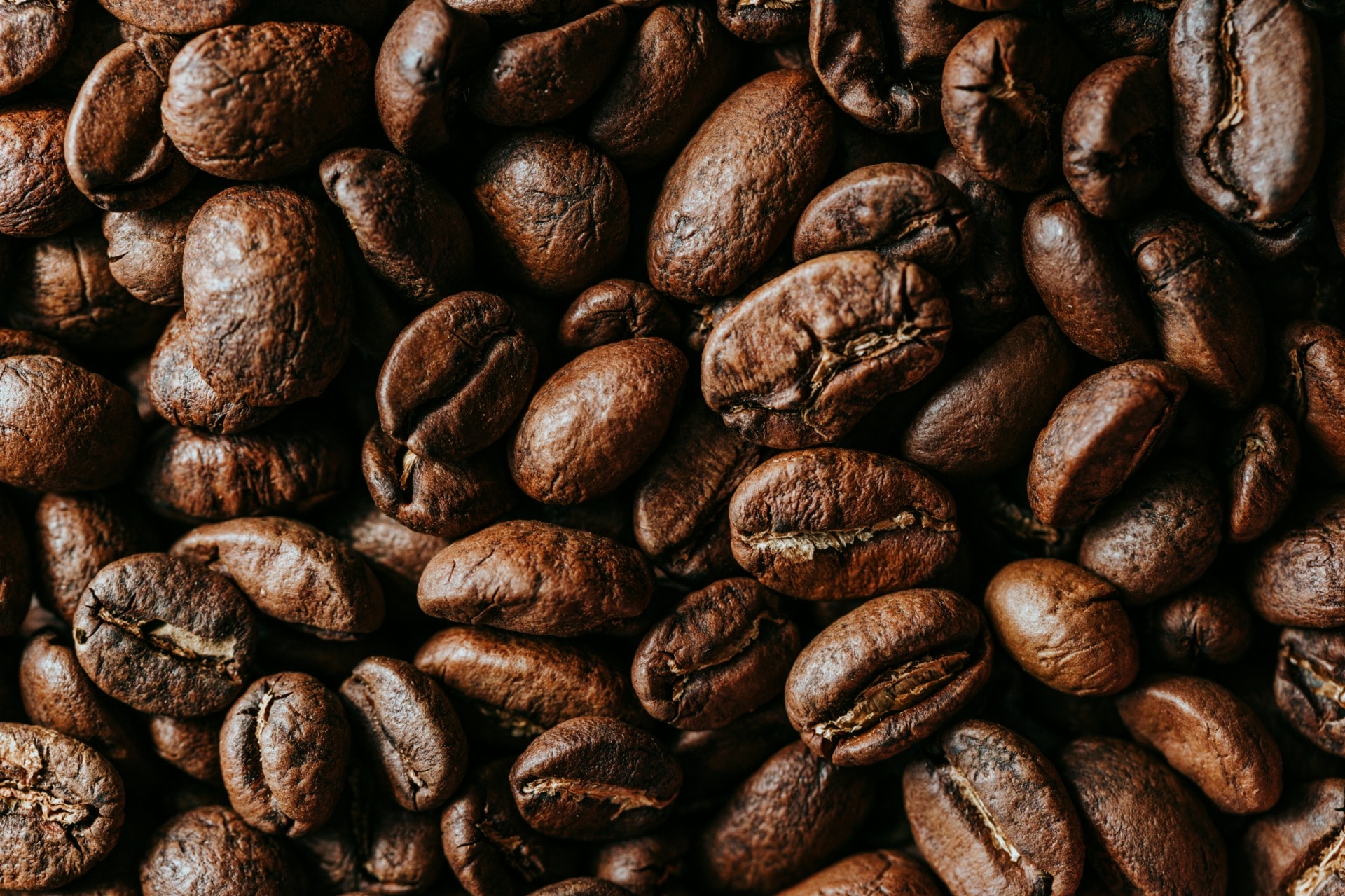
Editor’s Note: The opinions expressed here by the authors are their own, not those of impakter.com — In the Cover Photo: Coffee beans. Cover Photo Credit: Nathan Dumlao.