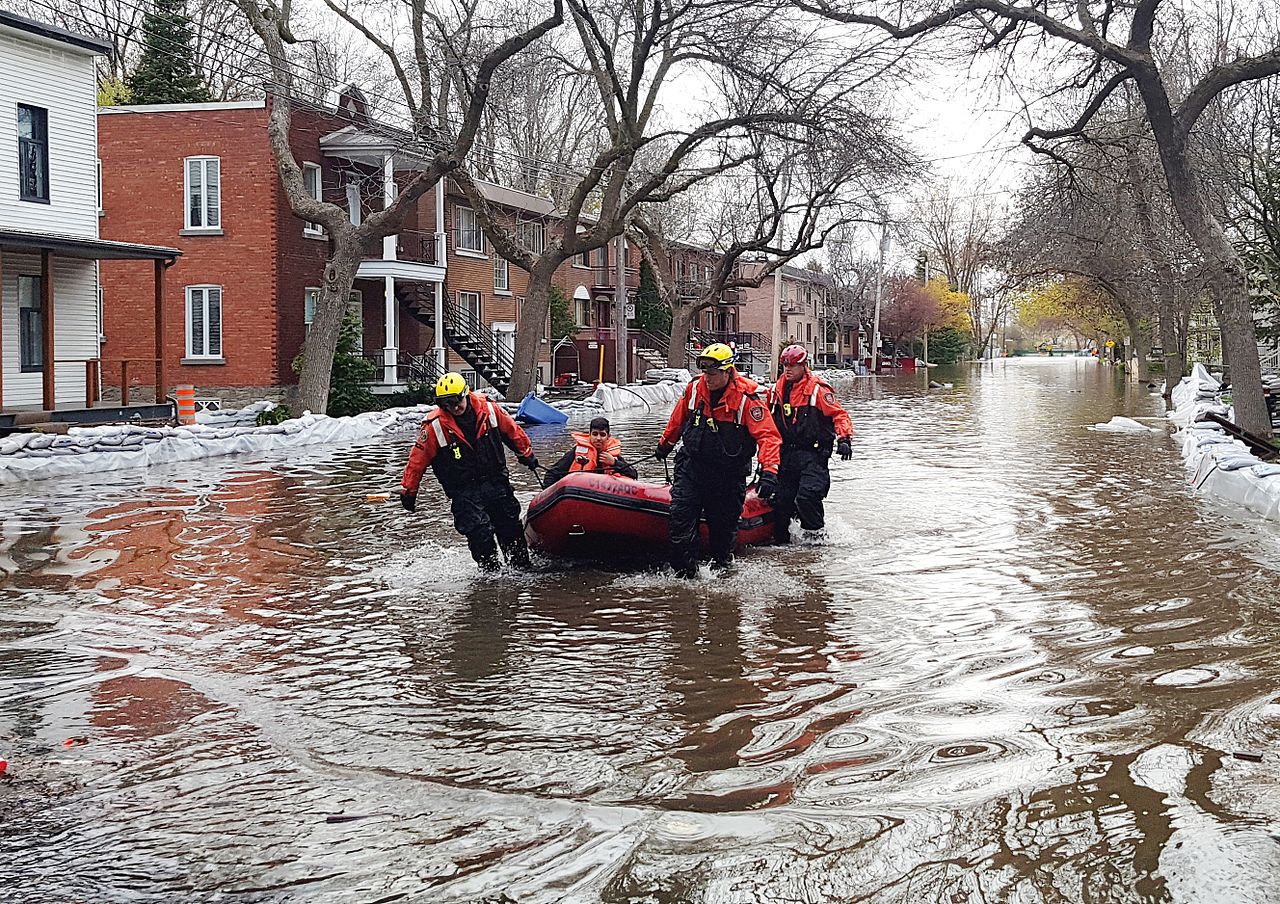
Canadian households face an insurance conversation that has shifted meaningfully in the past decade. Wildfire smoke seasons grew longer across British Columbia and Alberta. Atmospheric-river events battered the Pacific coast, while spring floods reached neighbourhoods that historic flood maps had marked as low risk. Hailstorms intensified across the Prairies. The conversation around homeowner, auto, and personal-property coverage now sits inside a climate-shifted risk picture where the broker relationship matters more than policy paperwork suggests.
The same disciplined evaluation that informs other consequential household decisions translates to broker choice. The right Canadian insurance broker reads the household’s specific exposure, regional risk profile, and long-horizon claim history before quoting. Consumers weighing their options can evaluate candidates against the same six-criteria checklist that climate-aware households apply to other long-horizon vendor decisions. The decision rewards a few hours of structured homework before signing.

Why Has Climate Risk Reshaped Canadian Insurance Choices?
A climate-aware broker is one who actively tracks regional risk shifts and quotes carriers whose appetite matches the household’s exposure profile. Three structural shifts have moved insurance brokerage into more demanding territory for Canadian households. The first is the catastrophe-frequency curve. Federal natural-disaster reporting and Canadian Climate Institute modelling both point to higher annual claim severity tied to weather-related losses than the prior decade.
The second is the underwriting-discipline shift. Insurers have tightened wildfire and flood underwriting in many regions, with some carriers exiting specific postal-code ranges or pricing their offerings high enough to discourage take-up. The third is the regulatory-disclosure environment. Provincial regulators have pushed climate-risk transparency requirements down through the carrier side, which reaches consumers via more nuanced policy language.
The same long-tail-cost thinking visible in coverage of hidden price of oil reaches the household-insurance side of the ledger. Severe-weather payouts in Canada have crossed the 3 billion dollar mark in multiple recent years, up from the 400 million dollar baseline of the early 2000s. The carrier-side response shapes broker conversations meaningfully.
What Should Canadian Households Verify Before Engaging a Broker?
Six criteria belong on every shortlist. The table below summarises what households should weigh before commitment.
| Criterion | What to Verify | What a Strong Answer Looks Like |
| Specialisation | Climate-risk-aware brokerage | Recent wildfire, flood, hail experience |
| Carrier-panel breadth | Multiple-carrier access | 6+ carriers actively quoted |
| Coverage-gap reading | Endorsement-level review | Detailed gap report at quote stage |
| Claim-handling track | Past claim outcomes | References from comparable households |
| Fee-and-commission structure | Disclosed compensation | Written disclosure document |
| Communication cadence | Update rhythm and named contact | Documented protocol, not improvised |
A broker who provides clear answers across these six points signals counsel worth retaining. A broker who deflects on any of them signals a generalist taking on climate-aware work occasionally rather than as a specialty. Asking these questions early saves real money over the relationship lifetime.
Which Coverage Categories Reward Specialist Broker Counsel?
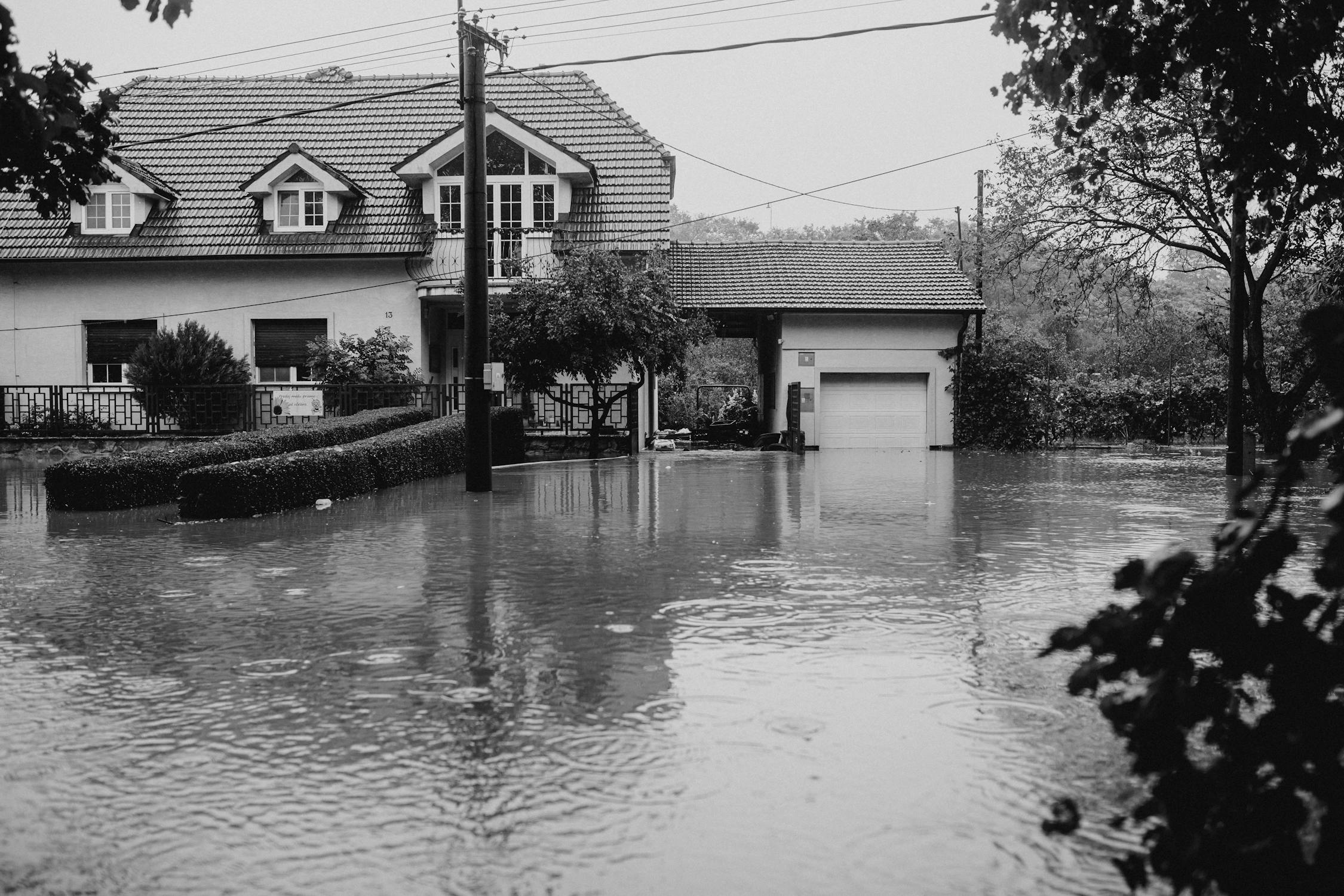
Three categories reward broker depth more than the others. The first is homeowner property insurance with overland-flood and wildfire endorsements. The endorsement structure varies meaningfully across carriers, and the broker’s reading of the household’s specific exposure shapes both premium and claim outcomes.
The second is auto insurance for households with multiple vehicles or telematics-eligible drivers. The mix of usage-based discounts, accident-forgiveness terms, and at-fault-claim history requires the broker’s full attention. The third is liability and umbrella coverage for households with substantial assets, home-based businesses, or rental properties.
The Insurance Information Institute’s homeowners insurance coverage overview outlines the policy fundamentals that translate cleanly to Canadian endorsements. The National Association of Insurance Commissioners’ climate risk disclosure page covers the supervisory framework carriers operate within across regulated markets. Predictive-thinking visible in coverage of AI in water systems extends to predictive-risk thinking in household insurance choice. Each of the three categories above produces meaningfully different premium and claim outcomes when the broker matches the household profile to the right carrier appetite.
What Common Errors Surface in Canadian Broker Selection?
Several patterns recur. The first is choosing on price alone. The premium difference between two quotes often reflects a coverage-gap difference rather than a true savings.
The second is treating the broker as a one-touch contact. Annual renewal review and post-claim debriefs both pay back across the relationship.
The third is overlooking the regional-risk specifics. A British Columbia wildfire-zone household needs different broker attention than a Prairie hail-zone household or a Maritimes hurricane-zone household.
The fourth is forgetting the documentation discipline. A photographic inventory and digital copies of major receipts make claim handling materially smoother. The fifth is signing an auto-renewal without comparison shopping at the 3-to-5-year mark. An auto-renewal is the carrier’s default annual extension at the adjusted premium without active broker-side comparison shopping. The sixth is treating mortgage-required insurance as a satisfied checkbox rather than as a real coverage decision worth periodic review.
What Is the Bottom Line for Canadian Households?
The insurance-broker decision rewards Canadian households who run real evaluation processes early. The window for thoughtful preparation typically runs from the renewal-notice date through the quote-comparison phase. The right broker coordinates property, auto, liability, and any specialty coverage rather than treating each as a separate engagement.
Whether the household sits in Vancouver, Calgary, Toronto, Montreal, or a smaller community, the criteria translate cleanly. The first conversation should answer specific questions about specialisation, fee structure, claim-handling track record, and projected outcomes. Canadian households who run real broker evaluation early end up with cleaner long-run outcomes than households who default to whichever broker was recommended first. The climate-shifted risk picture rewards the discipline rather than the improvisation. Pre-engagement preparation pays back across the entire policy term and into any future claim event the household experiences.
Frequently Asked Questions
How Often Should Canadian Households Review Broker Choice?
Review the broker relationship every 3 to 5 years and after any major life or property event. A move, renovation, vehicle purchase, business start-up, or claim event all justify a broker conversation. Earlier review is fine when carrier appetite shifts, particularly in wildfire or flood-prone areas. The annual renewal letter is also a natural prompt to ask whether the household’s coverage still matches the carrier’s current pricing model. The review usually takes a couple of focused hours rather than a full reset of the household’s coverage.
What Should I Expect to Pay for Broker Services?
Brokers are typically compensated through carrier commission rather than direct household fees. The commission is built into the premium, so the household does not see a separate line item. Some brokers charge service fees for specific tasks like commercial endorsements or complex placement. Confirm the structure during the first conversation. Disclosed compensation is the baseline standard.
Should I Bundle Home and Auto With the Same Broker?
Often yes. Bundling produces multi-policy discounts in many carrier programs and gives the broker a fuller picture of the household’s risk profile. The bundling discount typically lands in the 10 to 25 percent range across Canadian carriers. Bundling does not lock the household in. Comparison shopping at the 3-to-5-year mark stays available.
How Do I Verify a Broker’s Climate-Risk Specialisation?
Ask about recent wildfire, flood, or hail-related claim handling across the past 24 to 36 months. Ask which carriers offer the best wildfire and overland-flood endorsements in the household’s postal-code range. Check the broker’s regulatory standing through the provincial insurance council. Ask for references from households at comparable risk profiles. Specialist brokers can answer specific carrier-by-carrier questions about endorsement pricing without checking notes.
Editor’s Note: The opinions expressed here by the authors are their own, not those of Impakter.com — In the Cover Photo: Climate aware insurance broker. Cover Photo Credit: TravelScape