Today’s ESG Updates
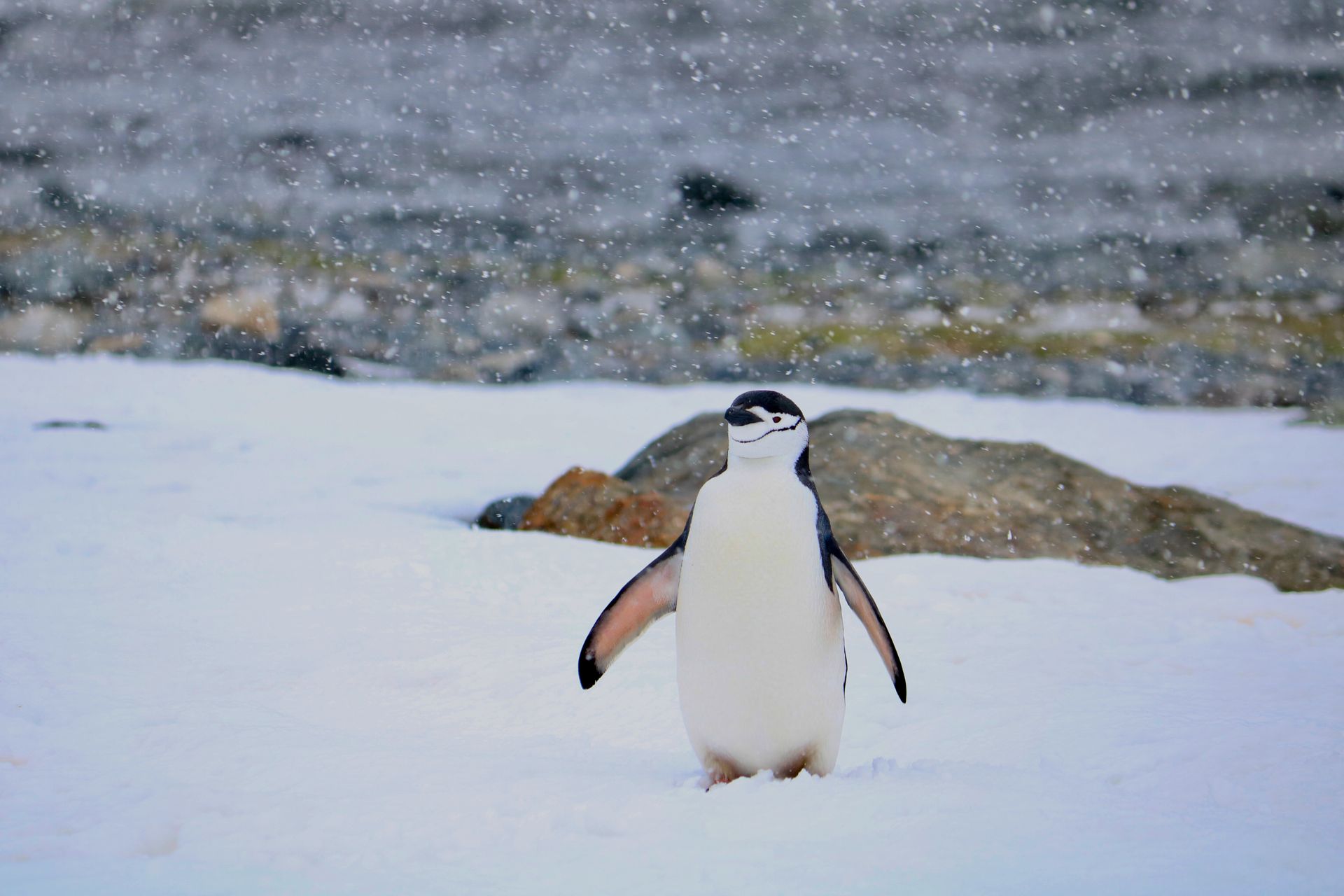
- World’s Biggest Penguin Colony Loses Two-Thirds of Its Chinstraps: Zavodovski Island in Antarctica has lost two-thirds of its chinstrap penguins since 2011, a study found. Scientists blame warmer seas that have pushed krill south and say the species may need endangered status.
- Kingspan Penalised €40 Million by EU Over Incorrect Trimo Deal Data: Regulators found the Irish firm gave wrong details on panel penetration rates, tender data and board involvement. The probe followed its scrapped bid for Slovenian rival Trimo.
- Tracked Wildlife Populations Shrink 73% in 52 Years, WWF Report Finds: Freshwater species fell furthest at 85%, and South America had the worst regional drop at 95%. WWF says targeted conservation has helped some populations of tigers, bluefin tuna and green sea turtles recover.
- El Niño Set to Peak in December With Record Ocean Heat, WMO Says: The UN weather agency expects tropical Pacific waters to run 3.7C above normal, far past the 2015-16 record. It says the event will almost certainly last until February 2027.
Chinstrap penguin decline hits world’s largest colony
A new study in Current Biology reports that the chinstrap penguin population on Zavodovski Island, part of the South Sandwich Islands in Antarctica, has fallen by two-thirds since 2011. British Antarctic Survey researchers estimate that roughly half a million adult birds have vanished. The island held the planet’s biggest penguin colony until now; Cape Adare in the Ross Sea has probably taken the title.
Climate change is the most likely factor, as winter temperatures near the Antarctic Peninsula have climbed 5C above preindustrial levels. Warmer seas have pushed krill, the main food of chinstraps, further south. Macaroni penguins eat a wider range of prey, and their numbers grew 30%, though that gain is small.
Lead author Prof Norman Ratcliffe warned that each lost component raises the risk of ecosystem collapse. The team dismissed volcanic activity and food competition as causes. The study suggests the chinstrap may deserve endangered status.
Klimado – Navigating climate complexity just got easier. Klimado offers a user-friendly platform for tracking local and global environmental shifts, making it an essential tool for climate-aware individuals and organizations.
Kingspan fined €40 million over misleading data

Kingspan, the Irish construction materials maker, has received a €40 million fine from EU antitrust regulators after it gave the European Commission incorrect and deceptive information. The penalty relates to the firm’s abandoned bid for Trimo, a Slovenian rival. The Commission announced the decision on Thursday after a four-year investigation.
Kingspan unveiled the Trimo deal in 2021 and dropped it in April 2022, once regulators warned that it could raise prices and lower quality. A probe into the information Kingspan had submitted began in November 2022.
Regulators found that Kingspan misstated how it tracks penetration rates for mineral fibre sandwich panels and the availability of tender data. It gave wrong details on board members’ involvement in certain matters.
Antitrust chief Teresa Ribera said the Commission will act firmly against firms that withhold the truth. The maximum penalty for this offence is 1% of total global turnover.
Related Articles
Here is a list of articles selected by our Editorial Board that have gained significant interest from the public:
Wildlife populations fall 73% since 1970, WWF says
Monitored wildlife populations worldwide shrank by an average of 73% between 1970 and 2022, WWF said on Thursday in its latest biodiversity report. The index, run with the Zoological Society of London, covers 5,790 species of mammals, birds, reptiles, amphibians and fish, across 35,803 populations.
Freshwater species dropped 85%, land species 69%, and marine species 59%. South America saw the steepest regional decline at 95%, and Africa recorded 80%. Habitat loss and degradation were the most commonly reported threat. Other threats include overexploitation, climate change, pollution, invasive species, and disease.
The figure averages across tracked populations rather than counting animals lost, and small populations can skew it. Targeted conservation helped some populations recover, such as tigers, bluefin tuna, southern African elephants and green sea turtles. WWF director general Kirsten Schuijt said recovery is within reach, but energy, food and finance systems must change.

El Niño to peak in December, WMO warns

The World Meteorological Organization has forecast that this year’s El Niño will grow stronger and peak in December. The UN agency said in its monthly bulletin on Thursday that the event is almost certain to last until February 2027. It could rank among the strongest since at least 1950.
Sea surface temperatures across the central and eastern tropical Pacific are forecast to reach a record 3.7C above normal between October and December. The previous record was 2.6C, set from November 2015 to January 2016. WMO Secretary General Celeste Saulo said the ocean is the warmest ever measured, so more heat is available to release.
El Niño typically occurs every two to seven years and raises global temperatures, with dry spells in some places and downpours elsewhere. University of Chicago researchers projected last month that the super-El Niño could cause as many as 451,000 excess deaths between June and February 2027.
Editor’s Note: The opinions expressed here by the authors are their own, not those of impakter.com — Cover Photo Credit: Nacho Canepa