Let’s start at the beginning, and by the beginning, I mean now. You are currently reading this on some bound slices of dead tree, or a glowing screen. You are sitting, standing or lying somewhere on a planet that is going through certain… changes: there’s an area of the Pacific Ocean twice the size of France that’s full of trash; melting permafrost is unleashing large amounts of methane and mercury into the ecosystem; San Francisco’s airport is sinking into the sea, millions of algorithms are trying to pit billions of people against each other on social media … You know the kind of thing I mean.
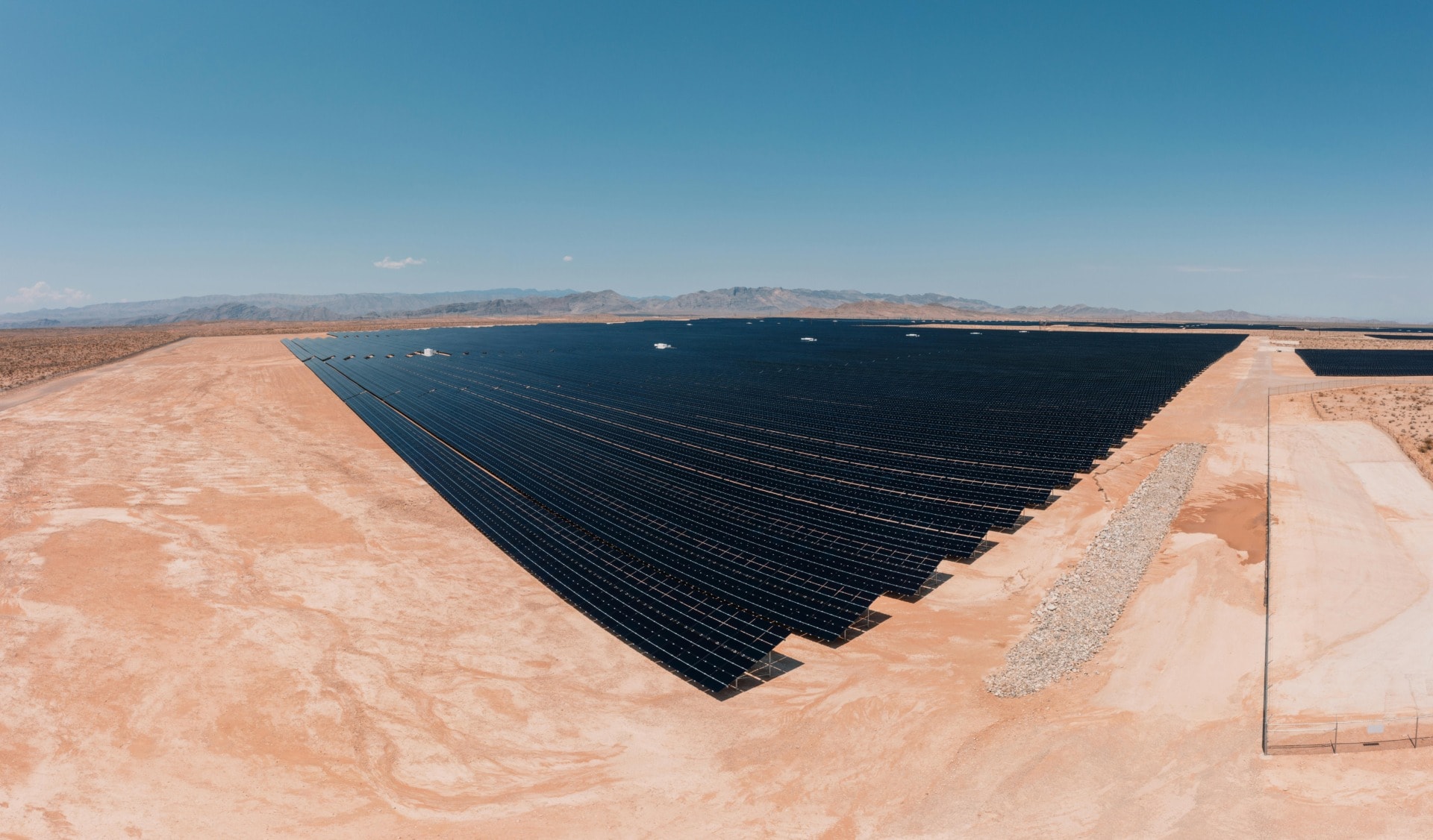
So the world could do with becoming more workable, and there are many ways in which that could happen: female education, the replacement of fossil fuels with renewable energy, legislative curbs on the most damaging excesses of the internet, restrictions on the ownership of military weapons, free healthcare for all Americans…
But there’s a problem with those initiatives: they’re difficult. The vast majority of us take one look at them, realize there’s no clear path to bringing them about, and turn our attention elsewhere. So, in a sense, they’re no solution at all; after all, the only actions with any power or possibility are the ones we’re actually prepared to take.

Why is this the case? That’s a much more complicated question, one whose answer is buried deep in human nature.
Despite the extent to which their own futures are being planned and created by people who have an entirely different agenda, less than 30% of 18-to-29-year-old Americans bother to vote. That’s compared to over 85% of those who are 65+. Which group is going to have to live with the consequences of climate change and underfunded infrastructure? Which group is going to be saddled with billions of dollars of student debt? Which group is going to make up 75% of the workforce within the next ten years?
Look at climate change: the number of simple, inexpensive actions we could take to mitigate the effects of global warming is massive, but for most people the ideas of eating less meat, making fewer plane journeys, or even taking reusable bags to the supermarket just take too much effort and are too inconvenient to be worth the bother. A global Armageddon of extreme weather and its consequences vs a minor increase in inconvenience and/or cost appears to be a home win every time.
This isn’t to place blame on people, or suggest that we’re all insane – I’m just as guilty as anyone else of ignoring the long term pain for a bit of short term gain. But at first glance this does seem to be a fundamental element of human nature that amounts to an extended suicide pact of massive proportions.
I occasionally point out to people that the current increase in the strength and longevity of weather systems is a consequence of the actions we took in the 1980s, and that far, far worse is on the way. The general reaction is around five seconds of concern, followed by a helpless shrug and a return to whatever they were doing before I opened my big mouth.
It’s been said that people only take action when that action seems preferable to its absence. To that suggestion I would add the paralysis of insignificance: even if you feel that the probable future may well be worse than the idea of doing something about it, too much power lies in the subsequent thought, ‘Well, what difference can I make?’ When problems seem a long way distant, and the chances of affecting them seem small at best, doing something to improve the situation feels akin to being a mammoth trying to remove itself from a tar pit.
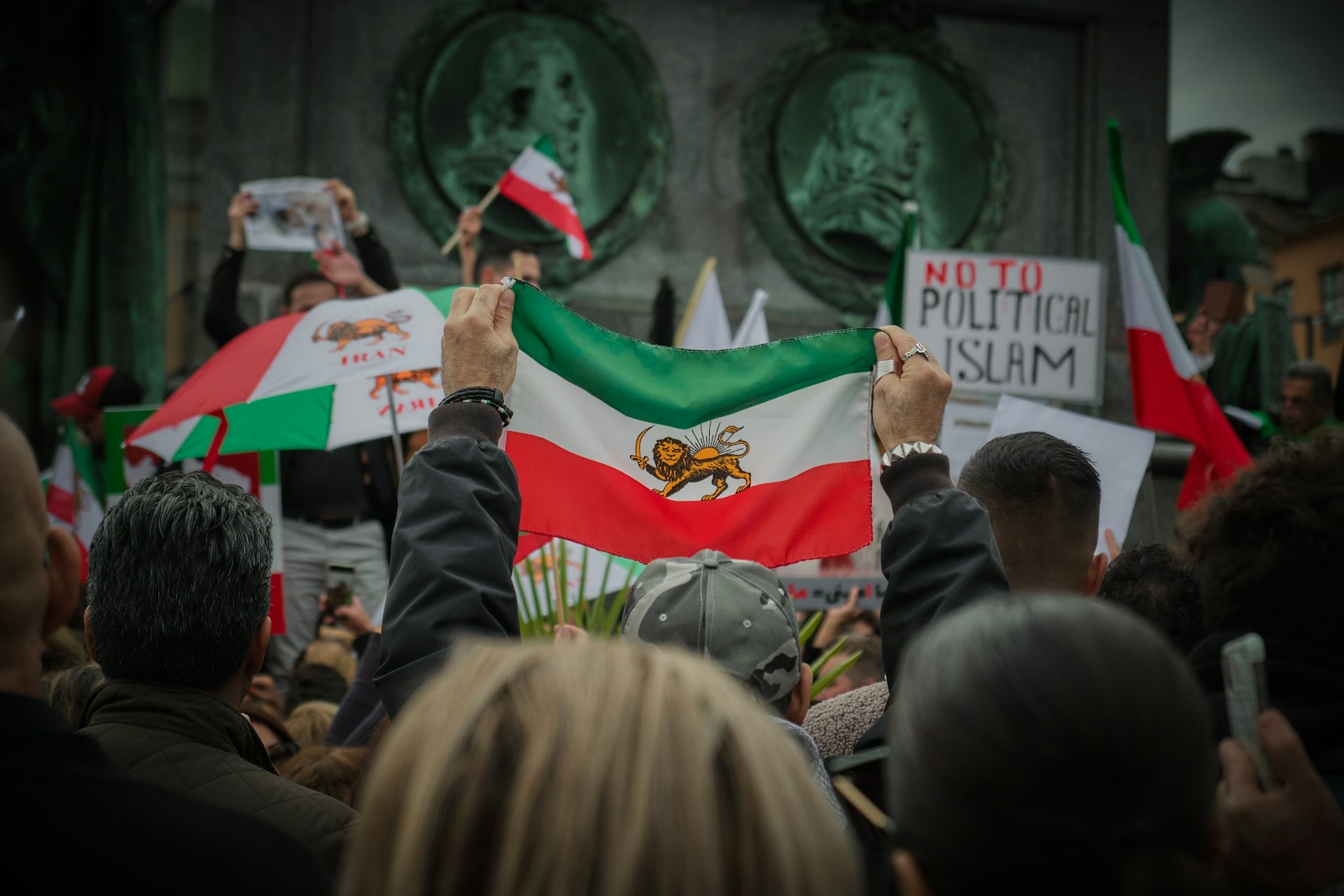
But it’s also the case that this sense of hopelessness does not extend to all humans. Many millions of us are taking daily actions against apparently distant threats, and that includes people of an age where they could reasonably think climate change won’t come soon enough to affect them. Millions have marched for gun control, female empowerment and regime change, some of whom have spent thousands of dollars traveling many miles in the off-chance that walking together with like-minded people they will bring about change. And for all the people who don’t vote, vast numbers do.
That means this isn’t a fundamental human issue, but one of persuasion. If we can frame problems in such a way that they look as if they require immediate action, then immediate action will be taken. No one wanted to fight in World War Two, but the dangers of not doing so were both clear and present: take on the terrifying nightmare of storming the beaches of Normandy, or face life under the thumb of a fascist dictator. Neither choice would have seemed at all tempting, but one of them won out for enough people to make a difference.
 So what will make the difference this time?
That depends on one thing: how people see the issue. Going back to World War Two, barely anyone from Britain or America would have witnessed the German invasions of its neighboring countries, or the bombing of Pearl Harbor, but millions of people from each country felt the need to put their lives at risk to prevent further atrocities. This can only have been a result of communication, of how the situation was presented to those people. Yes, it was a simpler time, where obedience to authority was expected and the recollection of the First World War was still fresh in the minds of many, but persuading anyone to risk their life for a greater good still required a strength of message that went far beyond voting for gun control or lower fees for students.
What do such communications require? That’s easy: A credible, noticeable, memorable, persuasive message delivered by a person or organization worthy of trust. If the message breaks down on any of these elements its power will be reduced, possibly to the point where it might as well not have existed in the first place.
The tricky part comes when we realize that those elements are both changeable and subjective: what’s memorable and credible today may not be so tomorrow. Equally, what works well on ten particular people might leave ten others cold. An entity worthy of trust for fifty years could lose that asset in a single scandal.
So here we are: to change the world we have to persuade people to change their behavior. How does that work?
- People’s values are increasingly taking the form of purpose-based, ethical concerns.
- Those same people care a great deal about whether a company operates in a way that is consistent with those values.
- If a company wants to be more successful its operations should include the purpose-based, ethical behavior that people increasingly care about.
- It should then tell people about this in a noticeable, memorable, persuasive, positive, trustworthy way, so that they feel their values are in alignment.
Simple, yet fiendishly tricky. Like losing weight, the steps are clear, but the willingness and ability to take those steps is often elusive.
One thing that will make it easier is finding a partner who can help. Modesty prevents me from pointing out my own ethical advertising agency, Invincible Unicorn, so I won’t. Instead I’ll just say that we’re gaining momentum by creating effective communications for organizations that want to make a positive difference in the world. If that sounds like what you’re up to, perhaps we can do the same for you, or at least point you in the direction of someone who can.
The clock is ticking.
EDITOR’S NOTE: THE OPINIONS EXPRESSED HERE BY IMPAKTER.COM COLUMNISTS ARE THEIR OWN, NOT THOSE OF IMPAKTER.COM — FEATURED PHOTO CREDIT: Photo by JOSHUA COLEMAN