
On October 25, Brazilians re-elected Luiz Inácio Lula da Silva for a fourth term. The significance of this victory reaches far beyond Brazil. Lula’s new mandate runs from 2027 to 2030, exactly the final stretch of the 2030 Agenda. The world’s most successful anti-hunger leader will be in office for the last push on the United Nations’ Sustainable Development Goals (SDGs).
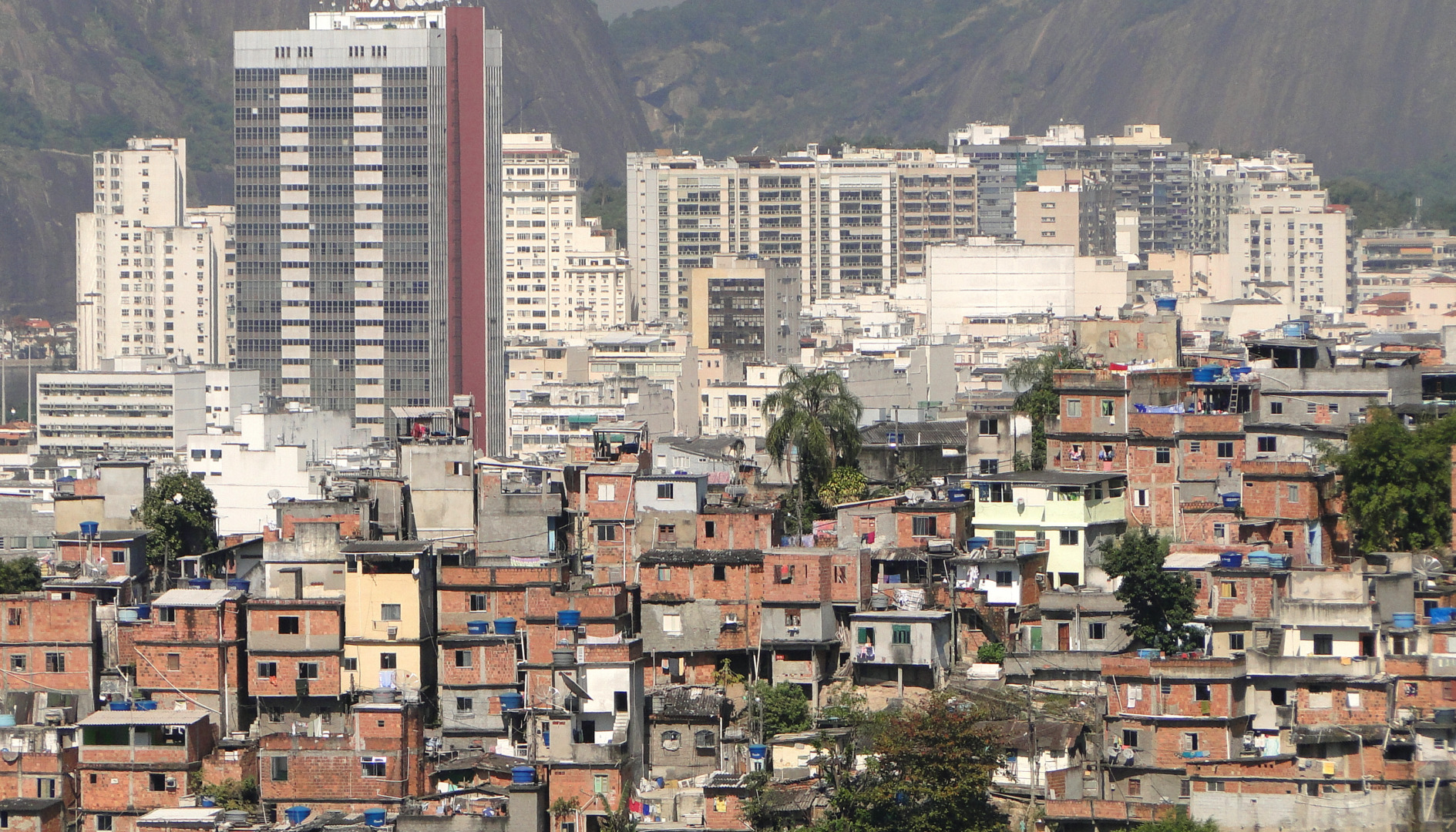
That record is not rhetoric. When Lula first took office in 2003, he made ending hunger the priority of his government. The Zero Hunger strategy combined cash transfers through Bolsa Família, school meals, public purchases from family farmers and a minimum wage that rose above inflation. Within a decade, tens of millions of Brazilians escaped poverty, and inequality fell to levels the country had never seen. Under his successor, Dilma Rousseff, these policies were sustained, and in 2014 Brazil left the FAO Hunger Map for the first time.
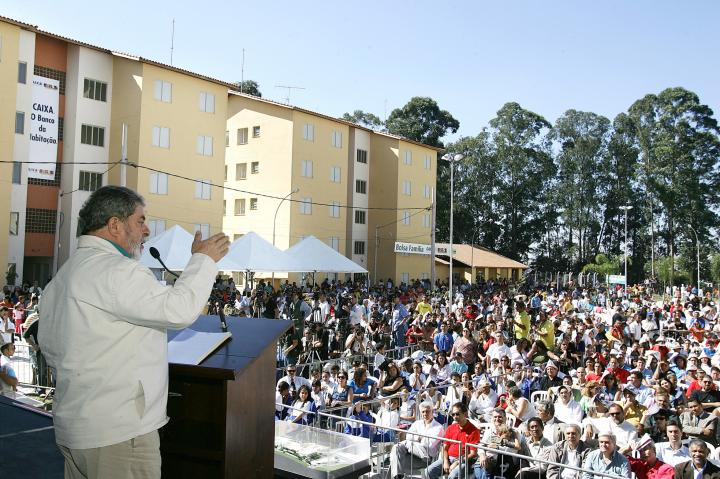
Then came the setback. Social programmes were dismantled, the pandemic struck, and in 2024 Brazil was back on the map. Lula’s return in 2023 brought the same recipe back, and in 2025 the FAO confirmed that Brazil had left the Hunger Map again, a decade after the first time. Few countries can claim to have won the race against hunger twice. Brazil has.
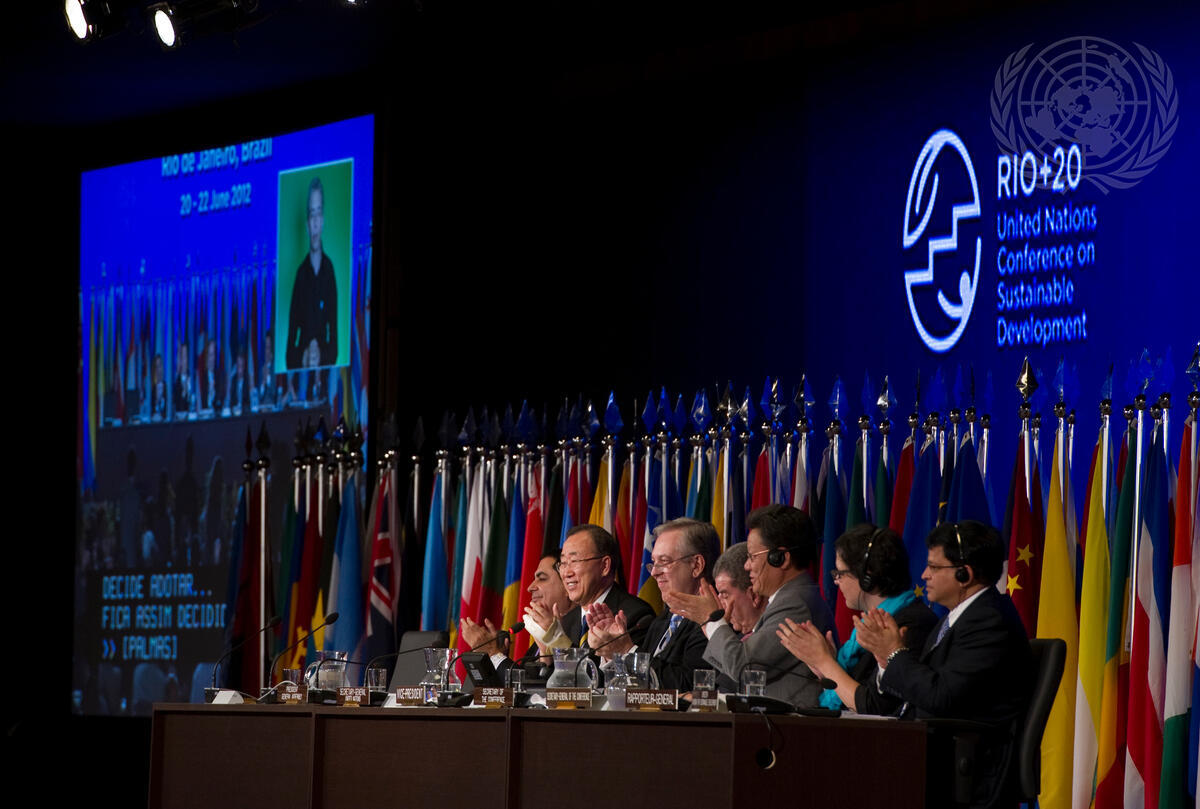
Brazil’s role in the global agenda is not new either. In 2012, at the Rio+20 Conference hosted by Brazil, governments launched the process that would give birth to the SDGs. At the same conference, the UN Secretary-General launched the Zero Hunger Challenge, inspired by the Brazilian experience. The idea that hunger can be eradicated within a generation, now enshrined in SDG 2, has Brazilian roots.
Which brings us to the present. On November 18, the Global Alliance against Hunger and Poverty, launched by Lula at the G20 summit in Rio de Janeiro two years ago, presented its anniversary report, “The Race to 2030.” The picture has two sides.
The good news: global hunger has fallen for three consecutive years, to an estimated 645 million people in 2025, some 14 million fewer than in 2024. The Alliance is delivering: 81 members have reported 146 concrete actions. The World Bank has reached about half of its goal of covering 500 million people with social protection. The Inter-American Development Bank has approved US$10 billion of the US$25 billion it pledged. African Union member states expanded school meals from 66 to 87 million children, mostly with their own resources.
The bad news: at the current pace, more than 500 million people will still be hungry in 2030, and about one in eleven will still live in extreme poverty. There are still more hungry people today than in 2015, when the SDGs were adopted. Development aid fell by 23% in 2025, while a strong El Niño could push 49 million more people into acute hunger. And the poorest are increasingly concentrated in fragile, indebted countries, especially in sub-Saharan Africa.
Related Articles
Here is a list of articles selected by our Editorial Board that have gained significant interest from the public:
Yet the resources exist. According to the report, lifting everyone above the extreme poverty line would cost around US$311 billion a year, just 0.17% of global GDP. That is a fraction of what the world spends on weapons. Ending hunger is not a technical challenge. It is a political choice.
This is why Lula’s fourth term matters. With Brazil co-chairing the Alliance alongside Spain, the world will have a leader in the final four years who has already shown that political will can defeat hunger. Brazil must now help turn country-led plans into fully financed programmes.
Governments cannot do it alone. Civil society, which kept the flame alive in Brazil during the dark years, must be part of this last push. The Instituto Fome Zero, a founding member of the Alliance, is ready to share what Brazil has learned and to hold everyone, including our own government, to the promises made.
The race to 2030 is not lost. But the last mile is always the hardest: it is where the poorest and most fragile are left behind, and where political will is tested most. That is exactly where Lula’s leadership will count.
Editor’s Note: The opinions expressed here by the authors are their own, not those of impakter.com