
Today’s ESG Updates
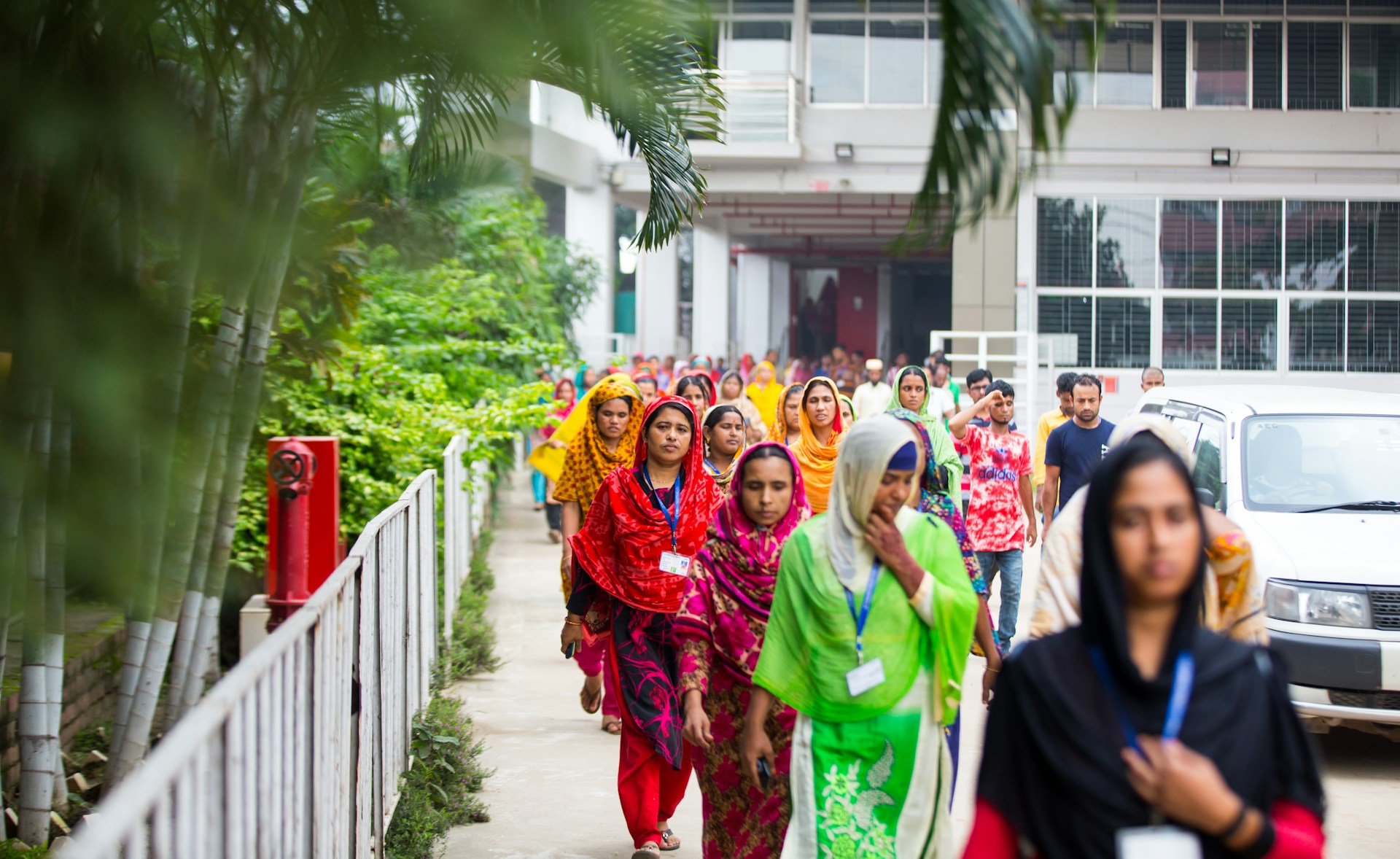
- Bangladesh Garment Workers’ Protests Continue: Labour rights advocates warn that the newly approved minimum wage of $138 per month falls short of workers’ demands and remains insufficient to ensure a decent standard of living.
- EU Launches €10 Million Programme to Support Yemen:As climate risks increasingly threaten Yemen’s cultural heritage, the EU has launched a new programme in partnership with UNESCO to protect historic sites and strengthen climate resilience.
- Global Warming Reaches New Record: Global temperatures remained at least 2°C above pre-industrial levels for six consecutive days, raising further concerns about climate change following COP31.
- Global Fragrance Makers Fined Nearly €472 Million by the EU: Three major fragrance manufacturers participated in a cartel targeting Unilever, sharing confidential pricing information and agreeing not to poach each other’s employees working with Unilever.
Bangladesh garment workers’ protests continue
Bangladesh approved a minimum wage increase of 36% for RMG workers after weeks of protests and calls to double the salary, which led to blocking highways, closing factories, and disruption in production with more than 4 million workers. A monthly salary was raised to $138, indicating the smallest percentage increase in the last four decades.
“These negotiations result in poverty wages time and time again”, said Anne Bienias, coordinator of the Clean Clothes Campaign. Advocates for labour rights explained the increase is not enough to provide a living wage and does not meet the requirements of employees.
The Bangladesh Garment Manufacturers and Exporters Association (BGMEA) informed 397 factories were unable to work on Tuesday, while 84 were closed relying on the labour law’s “no work, no pay” provision. $428 million have been lost in production by 317 factories during 18 days of disruption.
The Clean Clothes Campaign also criticized brands for not supporting higher rates. ACT, a group including brands and trade unions, called for respect for workers rights, explaining its brand members, such as Primark, H&M, Inditex, promised to ensure that the wage increase is reflected in their purchase prices.
Klimado – Navigating climate complexity just got easier. Klimado offers a user-friendly platform for tracking local and global environmental shifts, making it an essential tool for climate-aware individuals and organizations.
EU launches €10 million programme to support Yemen

Today, the EU introduced a €10 million programme to support communities in Yemen to prepare for climate risks. The programme was announced during the ‘Cultural Resilience and Development in Yemen’ event in Brussels. It is important as it can help in protecting cultural heritage and create economic opportunities.
The Safeguarding Heritage and Advancing Climate Mitigation, Inclusion and Livelihoods (SHAMIL) programme is going to be carried out in collaboration with UNESCO over 30 months in Aden and Hadramout. SHAMIL will provide help for communities through restoration of traditional water management systems, development of adaptation plans to disaster preparedness, and strengthening flood early warning capacity.
The cultural heritage of Yemen is under threat by rain and flooding, and the programme will also provide infrastructure rehabilitation, training opportunities and advice to national institutions in developing policies.
“Protecting Yemen’s cultural heritage also means protecting the livelihoods, knowledge and identity of its communities”, Commissioner Šuica claimed.
Since 2015, the EU has financed around €2 billion for humanitarian and development assistance in Yemen.
Related Articles
Here is a list of articles selected by our Editorial Board that have gained significant interest from the public:
Global warming reaches new record
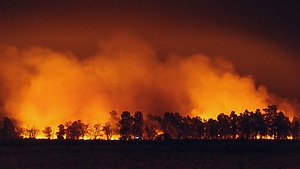
For the first time ever, the temperature was 2 degrees above the pre-industrial level for six days in a row, The Guardian has reported. Scientists warn it is an early sign of what to expect if people continue to use fossil fuels in everyday life. There are also scientific concerns that global heating is speeding up.
“This is an exceptional global temperature anomaly,” claimed Samantha Burgess, the strategic lead for climate at the Copernicus Climate Change Service.
Sudden temperature spikes are the result of global warming, which in turn is driven by El Niño, approaching its peak, and constant burning fossil fuels. Extreme heat has already worsened the climate crisis, bringing droughts and fires in the tropical rainforests of Indonesia and in the Amazon. Weather disasters also threaten people’s lives, as this year summer heat killed 5 thousand in the UK, and 50 thousand in the EU.
After the COP31 failure, the UN secretary general has also warned of global warming acceleration.

Global fragrance makers fined nearly €472 million by the EU

Global fragrance makers Firmenich, Givaudan, and International Flavors & Fragrances were fined €471.9 million by the EU antitrust regulators for participating in a four-year cartel aimed at Unilever. The European Commission announced the companies shared confidential commercial information, such as prices, about their dealings with Unilever.
The largest fine was received by Givaudan, around €252.4 million. Companies exchanged strategies on how to deal with requests from Unilever, and also came to terms to not to poach employees working with Unilever.
These fragrances are widely used in cleaning products, shampoos, washing powders, and deodorants. All companies have admitted their violations in exchange for a 10% reduction in their fines. As Reuters reported, the cartel operated between March 2019 and March 2023.
“We have zero tolerance for cartels in any sector, but today I would like to stress that it matters in particular when household budgets are stretched,” said Teresa Ribera, EU antitrust chief, during a press conference.
Editor’s Note: The opinions expressed here by the authors are their own, not those of impakter.com — Cover Photo Credit: Shanjir H