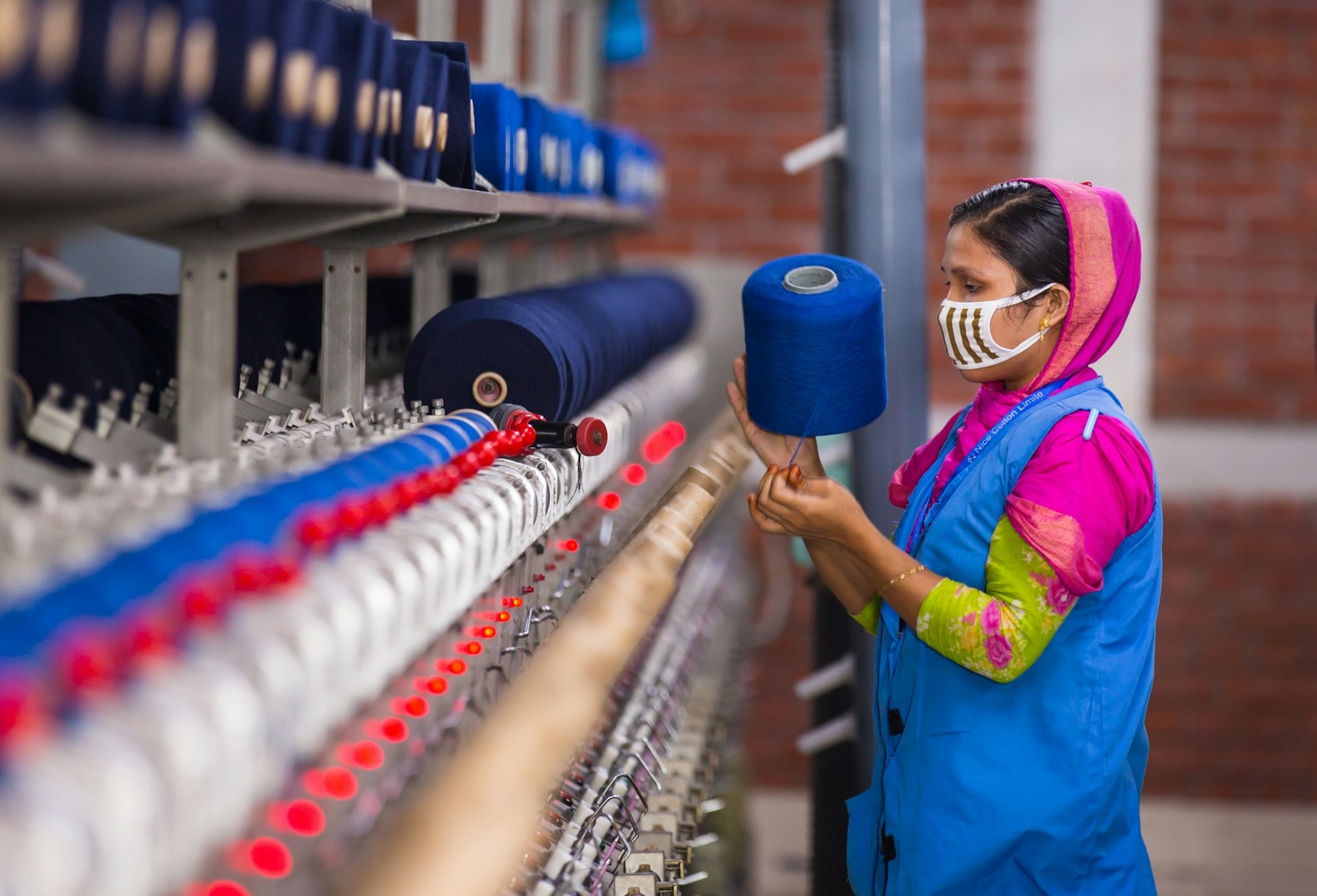
When we buy new clothes, we probably rarely think about the people who made them. However, with most of the 40 to 75 million garment workers globally facing forced labour conditions every day, labour exploitation in the industry remains a major challenge in many countries. This is particularly the case in India, Bangladesh, Cambodia, Vietnam, and Myanmar.
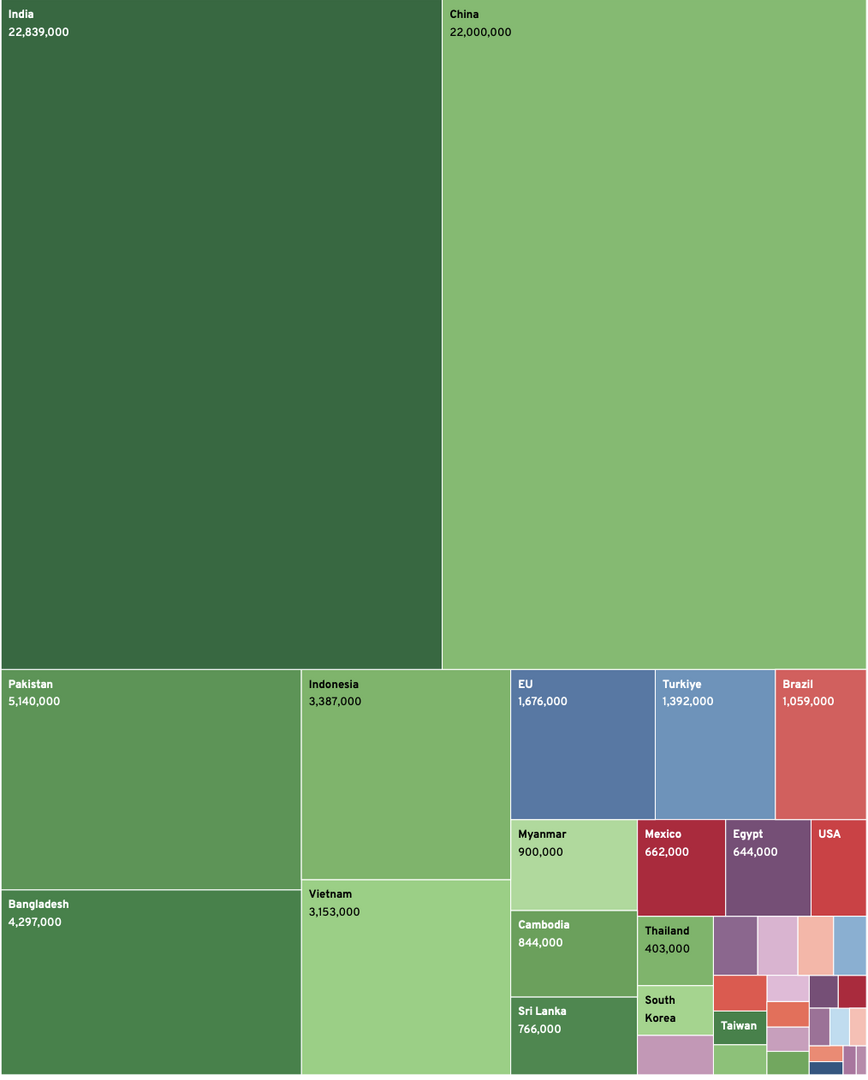
The fashion industry is trying to move towards sustainability, but the ethical side remains unsecured. The human cost of cheap fashion has become a systemic issue, involving many factors and players rather than a few irresponsible factories. While the garment and textile sectors are economically important for developing nations, what is the cost to real workers’ lives when they are trapped in unfair labor practices?
Let’s look at Bangladesh. The ready-made garments (RMG) sector has contributed to the growth of the country’s GDP, provided jobs, and made Bangladesh one of the world’s top RMG exporters. Data from 2025 indicates that RMG accounted for 81.46% of Bangladesh’s total exports and 8.5% of GDP, earning around 39.34 billion dollars in exports, with main export markets in the European Union and the United States. But at the same time Bangladeshis, working day in and day out, can barely make ends meet.
A report from the University of Nottingham’s Rights Lab and GoodWeave International underlines real circumstances that average workers, most of whom are women, have been facing for many years. They include low and sub-minimum wages, excessive working hours with no payment for overtime, discrimination and abuse, including verbal abuse, especially for women and young workers, and child labour. Most of these factories do not provide basic safety standards, including fire detection and alarm systems, evacuation routes, and temperature measures, which sometimes could rise as high as 41°C.
Why Does Labor Exploitation Persist Despite Widespread Awareness?
The Rana Plaza tragedy that happened in Dhaka in 2013 raised awareness of unfair labour practices in Bangladesh, drawing significant attention to illegal labour conditions of garment workers. The Guardian reports that after the tragedy, around 56,000 security checks were conducted on local fabrics, and that international brands allocated $3 million to fabric reconstruction, while some fashion companies paid $30 million to victims of the disaster. Unfortunately, this did not eliminate the problem as it lies deeper, particularly in the subcontracting system.
Since the 1980s, global brands have been buying from Bangladeshi factories directly, but during heavy workloads and peak seasons, factories outsource responsibilities to subcontractors, creating a hidden subcontracting system. The complex network of subcontractors leads to labour exploitation and raises risks of minor labour, as the lack of oversight makes it difficult to keep track of how work is conducted.
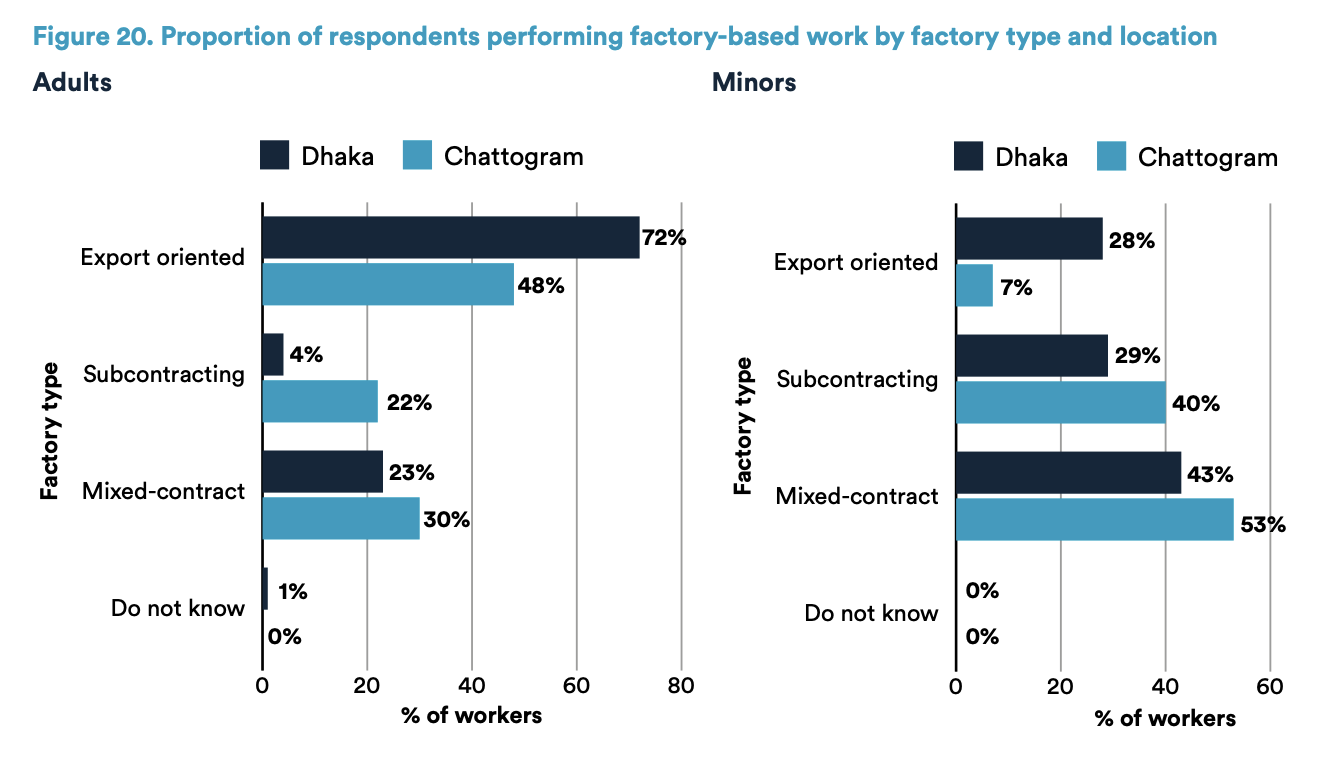
Manufacturing provides jobs, but the price is high. Jobs in garment and fashion factories are accepted by citizens because there are no alternative sources of income. High poverty also means that minors often leave school to work and provide for their families.
Another factor to consider is the suppression of trade unions. A report by Amnesty International highlights the significance of this problem in Bangladesh, India, Pakistan, and Sri Lanka — the top producers of the global garment industry. Workers are trapped as they get intimidated and physiologically terrorized, but “freedom of association is the key to unlocking change in the industry,” as the report underlines.
Finally, climate change in the Bangladesh region leads to migration across the mainland, encouraging people to accept jobs despite unfair working conditions. While migrating outside Bangladesh exists as an alternative to avoid labour exploitation, it comes with its own dangerous risks, such as falling victim to human traffickers as a result of the lack of finance and necessary documents.
What Can Be Done?
The University of Nottingham report suggests solutions on various levels. At the national level, authorities can enforce laws to strengthen control over subcontracting systems to avoid invisible supply chain channels, increase labour inspections to reduce the risk of minor labour and control basic safety and ethical standards at factories, and implement new laws or strengthen the existing ones when it comes to minimum wages, discrimination, abuse, and trade unions. The emphasis should be placed on labour-law enforcement and social protection, the report recommends.
Related Articles
Here is a list of articles selected by our Editorial Board that have gained significant interest from the public:
Global buyers are recommended to map suppliers beyond Tier 1 to track all supply chain channels to ensure that garments are produced under just and safe conditions. Inspection of subcontracting parties is urgently needed; laws cannot solve the problem alone.
Distributing orders prudently to avoid overwork during peak seasons can also help avoid transferring orders to subcontractors or home-based workers. Inspections are also indispensable to ensure strict compliance with social and ethical standards.
Moreover, governments, NGOs, and civil society should work together to raise awareness of the existing problems, maintain independent reports and data to share findings with other players, and lobby for regular wage payments.
These solutions are based on the example of Bangladesh, but they can be implemented in other states. Governments and international fashion brands hold the greatest power to drive change, and meaningful progress will depend on their willingness to take responsibility and act. Only with their support can garment workers have a greater opportunity to make their voices heard and challenge the conditions they face. Without the commitment of these key players, workers’ concerns risk remaining unheard.
Editor’s Note: The opinions expressed here by the authors are their own, not those of impakter.com — Cover Photo Credit: Shanjir H