
Impakter
  • Environment
    • Biodiversity
    • Climate Change
    • Circular Economy
    • Energy
  • FINANCE
    • ESG News
    • Sustainable Finance
    • Business
  • TECH
    • Start-up
    • AI & Machine Learning
    • Green Tech
  • Industry News
    • Entertainment
    • Food and Agriculture
    • Health
    • Politics & Foreign Affairs
    • Philanthropy
    • Science
    • Sport
  • Editorial Series
    • SDGs Series
    • Shape Your Future
    • Sustainable Cities
      • Copenhagen
      • San Francisco
      • Seattle
      • Sydney
  • About us
    • Company
    • Team
    • Global Leaders
    • Partners
    • Write for Impakter
    • Contact Us
    • Privacy Policy
No Result
View All Result
Impakter logo
No Result
View All Result
A Wild Plant Spreads Throughout The African Diet

A Wild Plant Spreads Throughout The African Diet

Jean Armand Bokally Dande - JournalistbyJean Armand Bokally Dande - Journalist
February 6, 2019
in Environment, GFAR Series, SDG Series
1


Only a few decades ago, hardly anyone knew Gnetum africanum, a vascular plant of the Gnetopsida group. Now the plant’s growth has increased in popularity both on African food tables and within its industry.

Gnetum africanum is a climbing plant found in the wildlife of the tropical African rainforest. The plant can reach up to ten meters in height and eight centimeters in width, and is recognized by its long leaves which resemble thick paper. When the plant grows, it produces small flowers and fleshy fruits with seeds.

The plant is eaten and known by alternative names in different countries; these countries include Cameroon (the plant is known as Eru or Okok),  Nigeria (Eru, Ukase or Afang), Congo and Angola (Koko), Gabon, Central African Republic, and in Democratic Republic of Congo (M’fumbua or Fumbua). Gnetum africanum can be compared with wild spinach, and has been known to improve the lives of many poor farmers by offering them a new source of nutrition.
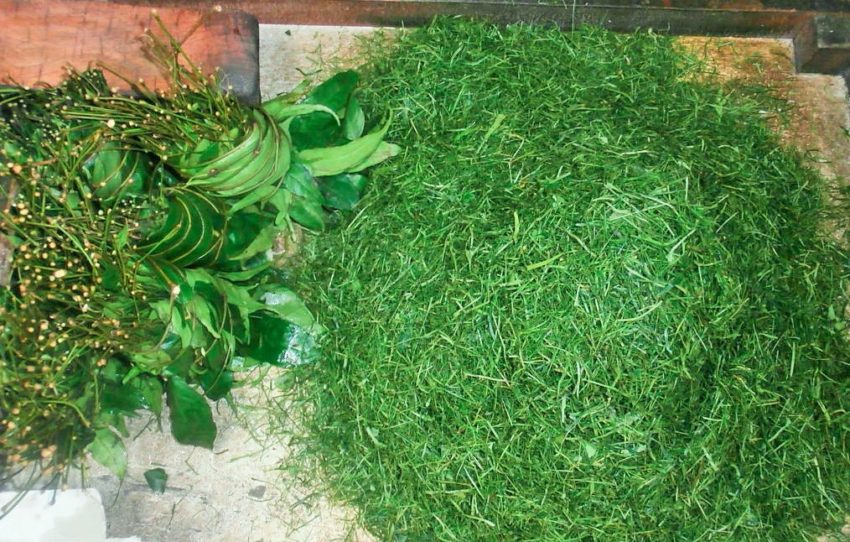
In the Photo: Okok, Congo. Photo Credit: Jean Armand Bokally Dande.

A Green Gold Rush

 Just a few years ago, “Okok”, as the plant is alternatively known, was a specialty in Cameroon, Gabon and Nigeria. According to experts, the southern Saharan crisis in 1988 forced many households to search for cheaper foods. As a result, Okok initially became popular amongst the poorest households, as they could utilise this little plant to feed the whole family. Consequently, the use of the tropical plant is now spreading as the population grows, through new cooking methods and also through a broader utilization of the new spices. Today, wholesalers pick up bales of the plant directly from the villagers, in almost every area where it grows. The bales are transported by trucks to the major cities, especially to Nigeria where its demand is great.

For example, Paul Magani, from Cameroon, abandoned his job as a salesman of chicken kebabs to instead sell Okok in Boumnyebel, Douala Yaounde road.

“Every week I send motorcycles and cars to the nearby villages to pick up bales of Okok that people have gathered in the bush. A ball may contain up to 75 small packages, which I sell for 700 CFA francs (about one euro) per piece.”

“The trucks make pickups on Monday, Wednesday and Saturday, and drive to the Nigerian limit. The sellers called “Bayam-sellam”, also come from Douala and Yaoundé in order to download goods.”

“When it is high season, we sell the green gold for 400 CFA francs (about 60 cents) per package, and when there is a lack of plant, we sell a package for the double. Competition has increased market.” says seller of Okok, Paul Magani.

“Eru” Bringing Life – The Many Uses in Many Countries

The benefits of the plant are well-known among herbalists, traditional healers and others who still believe in the benefits of using natural products. Firstly, the leaves are used as a vegetable in soups and pots (corn soup or afang soup), but they can also be eaten raw. In addition, the sheets are used against many diseases such as high blood pressure, gout, hernia, poisoning, worms, nausea, sore throat, or as a dressing for warts. The tribe can also be eaten for medical purposes, for example – pain relief at childbirth.

The rootstock, which resembles jam, can also be used for starvation. Even the seeds from the fruits can be eaten when cooked; there is clearly a value of the plant as a traditional medicine.

In Nigeria, the leaves are used during treatment of enlarged spleen and sore throat. In Congo, it is used for nausea and as an antidote to marriage for traditionally married couples. In Congo-Brazzaville, the leaves serve against warts and abominations; also, the strain is eaten to decrease pain in childbirth. In Cameroon, the leaves are sometimes chewed to reduce the effects of intoxication. Finally, the rankings are often used in repackaging.
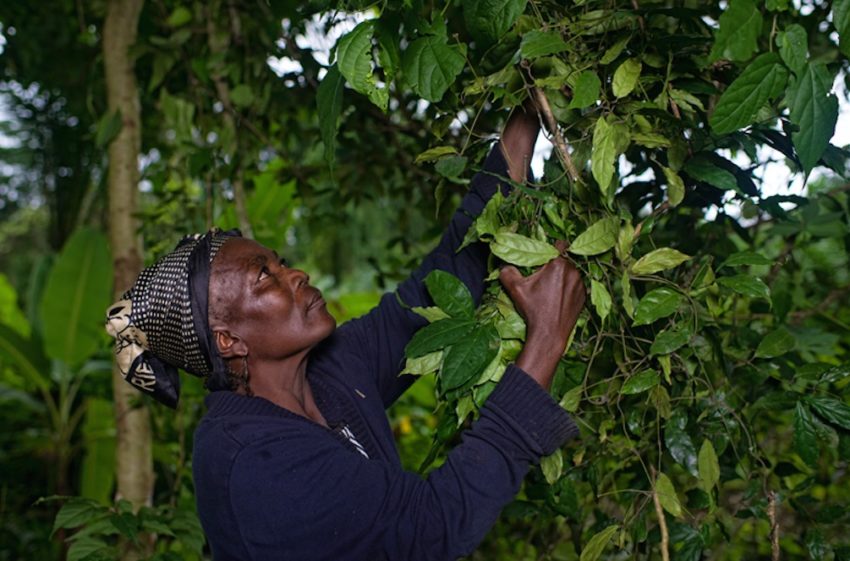
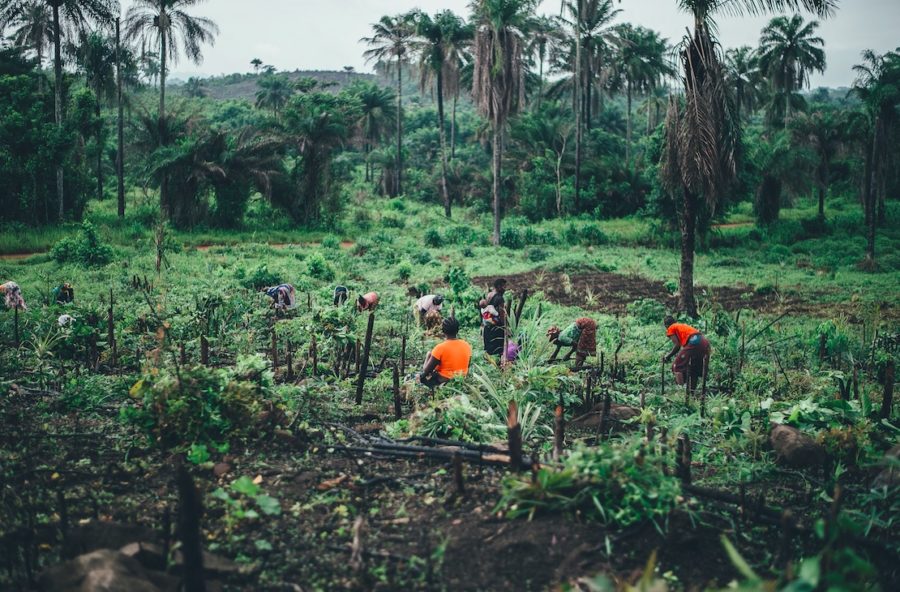
In the Photo: Okok Farmer. Photo Credit: Jean Armand Bokally Dande, CIFOR.

 Own Market Economy

Cameroon consumes over 350,000 tons of Okok every year and exports over 250,000 tons, under the promotion program of Okok. The plant is an important resource for the country and hones its own market economy. In this way, as the leaves are consumed as a vegetable, and the root as a food preventing starvation, the plant has increased overall food supply in rural areas.

Now, an exhibition is held every year named “Agri-okok”, which aims to promote the plant and the products resulting from it. With new products such as juice, whiskey and pharmacopoeia, Gnenum africanum is now considerably more than a simple wild plant.

The International Center for Forest Research (CIFOR) exclaims Okok also brought on the Idenau Stock Exchange at the Nigerian border. Extra income for farmers can be offered in the African countryside, as the plant is available all year round and remains untaxed on local markets. Restaurants in larger cities vary the price of this precious meal between 1,000 and 3,000 CFA franc (1.5-4.5 euros). For small scale agriculture in Africa, the plant can offer better nutrition, environment, as well as improved social and economic conditions.
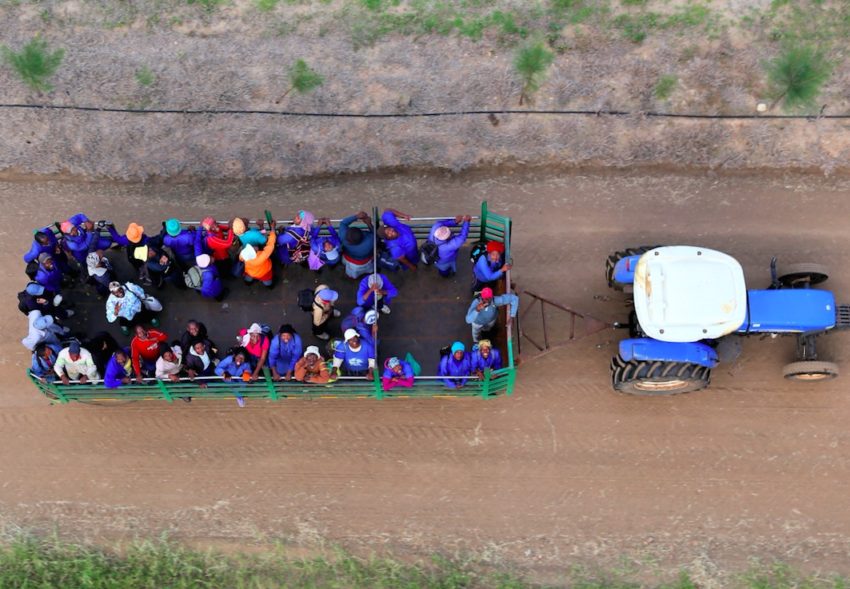
Photo Credit: Wynand Uys on Unsplash

Growing in the Future

The climbing plant has now become an important income and nutritional source for many of the poor in central African communities. It has become so incredibly popular it is now harvested at an unsustainable rate, and unfortunately it is wild. Thus, the destructive harvesting methods mean the climbing plant itself does not recover; it is torn down from the trees it grows on, which is equal to roots of perspiring trees being pulled up or damaged.

In some cases, the whole tree is folded in order to gain easier access to the plant. Many rural communities travel deep into their woods to find the plant, and in some places there is now devastatingly nothing more to find. Worryingly, there are more and more regions where the plant has become endangered or entirely extinct.

Therefore, sustainable cultivation of the plant is vital due its potential in reducing poverty and increasing food security in Africa’s poorest societies. CIFOR is launching education for locals in some of these countries, in order for families to learn the methods on which the plant can be domesticated; also, CIFOR is teaching marketing in its education, so producers will be able to raise the value of its production and their product. Evidently, the goal is to achieve sustainable production.

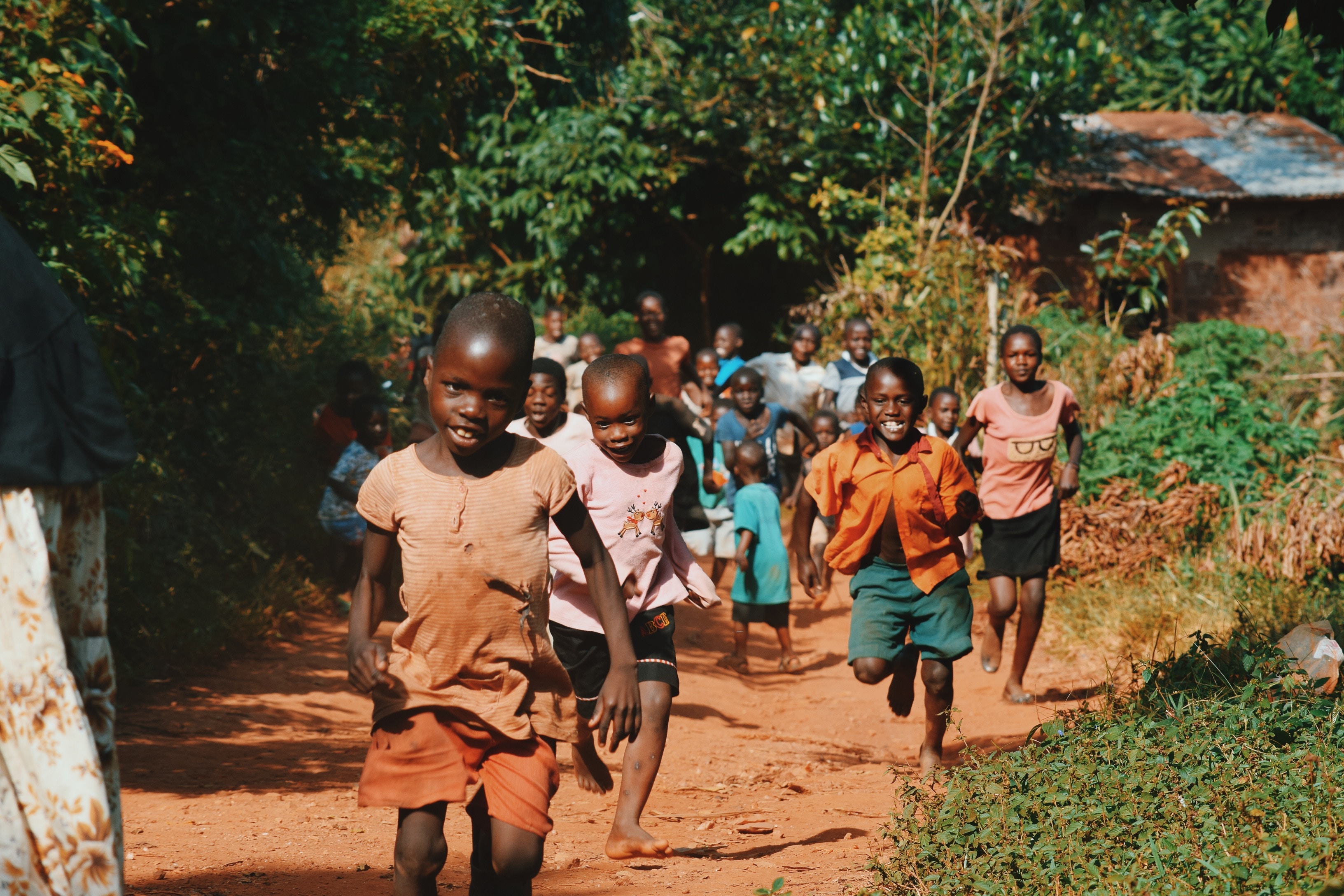
In the Photo: People in the Street. Photo Credit: Benny Jackson on Unsplash

Editors Note: The opinions expressed here by Impakter.com columnists are their own, not those of Impakter.com. — In the Featured Photo caption: Tropical African Rainforest. Photo Credit: Annie Spratt on Unsplash
Tags: Africa EnvironmentAfrican FlowersAgriculturedietGFARGFARimpaktersGnetumJean Armand Bokally Dandemarket economyNutritionWildplant
Previous Post

Howard Schultz: The Rise of Billionaire Candidates

Next Post

Catalytic Fund from African Solidarity Transforms Rural Lives

Related Posts

soil
Biodiversity

To Prevent Ecological Collapse, We Must Start With the Soil

Soil is the single most biodiverse habitat on Earth, home to at least 59% of all species, including over 80%...

byMarcela Quintero - Associate Director General of Research Strategy and Innovation at the Alliance of Bioversity International and CIATand1 others
January 8, 2026
How Climate Change Could Help Foster Peace in Yemen
Climate Change

How Climate Change Could Help Foster Peace in Yemen

Yemen's tragedy is traditionally depicted through the limited perspective of humanitarian need and political divisiveness, but there is a greater...

byTareq Hassan - Executive Director of the Sustainable Development Network Canada (SDNC)
December 17, 2025
Animal Health
Biodiversity

Better Animal Health Is the Low-Risk, High-Reward Climate Investment We Need

Imagine if there was a way to reduce emissions from the meat, egg and dairy sector by nearly a quarter,...

byCarel du Marchie Sarvaas
November 26, 2025
COP30: Countries’ Climate Agrifood Ambitions Undermined by Funding Gaps, Report Finds
Biodiversity

COP30: Countries’ Climate Agrifood Ambitions Undermined by Funding Gaps, Report Finds

Developing countries recognize the urgent need to adapt agrifood systems to climate change, but most National Adaptation Plans (NAPs) are...

byThe Food and Agriculture Organization of the United Nations (FAO)
November 19, 2025
Bill Gates memo
Climate Change

Climate, Gates and COP30

Bill Gates’ recent article on the “three tough truths” of the ongoing environmental changes makes an essential point: we must...

byJosé Graziano da Silva - Former Director-General at FAO, Founder and Director of the Instituto Fome Zero, and Professor Emeritus at the University of Campinas
November 12, 2025
climate change and food
Biodiversity

COP30: Climate Extremes Are Already Impacting Food Yields Today

The 30th United Nations Climate Change Conference (COP30), taking place in Belém, Brazil, brings together world leaders, scientists, non-governmental organizations, and...

byThe Food and Agriculture Organization of the United Nations (FAO)
November 7, 2025
heat stress
Climate Change

3 Things to Know About Heat Stress and How to Prevent It

The World Meteorological Organization reported that 2024 was the first entire year with global temperatures exceeding 1.5° Celsius above pre-industrial...

byThe Food and Agriculture Organization of the United Nations (FAO)
September 3, 2025
ESG news regarding Google signing largest US hydropower deal, Trump’s 30% tariff threat EU exports, BlackRock hits record $12.5 trillion, farmland falls to solar expansion
Business

Google Signs Largest Hydropower Deal to Power AI

Today’s ESG Updates Google Signs Largest US Hydropower Deal: $3B deal secures 3GW of clean energy for data centres, supporting...

byPeter Vigh
July 15, 2025
Next Post
Catalytic Fund from African Solidarity Transforms Rural Lives

Catalytic Fund from African Solidarity Transforms Rural Lives

Please login to join discussion

Recent News

ESG News regarding BHP and Rio Tinto are teaming up to expand their iron ore production pipeline

BHP and Rio Tinto to Boost Australian Iron Ore Production

January 15, 2026
ESG News regarding Dimon warning that Trump’s attacks on Fed could raise inflation and rates, Venezuelan oil shipments to China setting to plunge under U.S. blockade, UK awarding offshore wind contracts to power 12m homes, 2025 being the third-hottest year on record as climate science faces political pushback

Dimon Warns Trump’s Attacks on Fed Could Raise Inflation and Rates

January 14, 2026
Billionaires Became Richer Than Ever in 2025: Who Are They and What Drove Their Wealth Growth

Billionaires Became Richer Than Ever in 2025: Who Are They and What Drove Their Wealth Growth

January 14, 2026
  • ESG News
  • Sustainable Finance
  • Business

© 2025 Impakter.com owned by Klimado GmbH

No Result
View All Result
  • Environment
    • Biodiversity
    • Climate Change
    • Circular Economy
    • Energy
  • FINANCE
    • ESG News
    • Sustainable Finance
    • Business
  • TECH
    • Start-up
    • AI & Machine Learning
    • Green Tech
  • Industry News
    • Entertainment
    • Food and Agriculture
    • Health
    • Politics & Foreign Affairs
    • Philanthropy
    • Science
    • Sport
  • Editorial Series
    • SDGs Series
    • Shape Your Future
    • Sustainable Cities
      • Copenhagen
      • San Francisco
      • Seattle
      • Sydney
  • About us
    • Company
    • Team
    • Global Leaders
    • Partners
    • Write for Impakter
    • Contact Us
    • Privacy Policy

© 2025 Impakter.com owned by Klimado GmbH