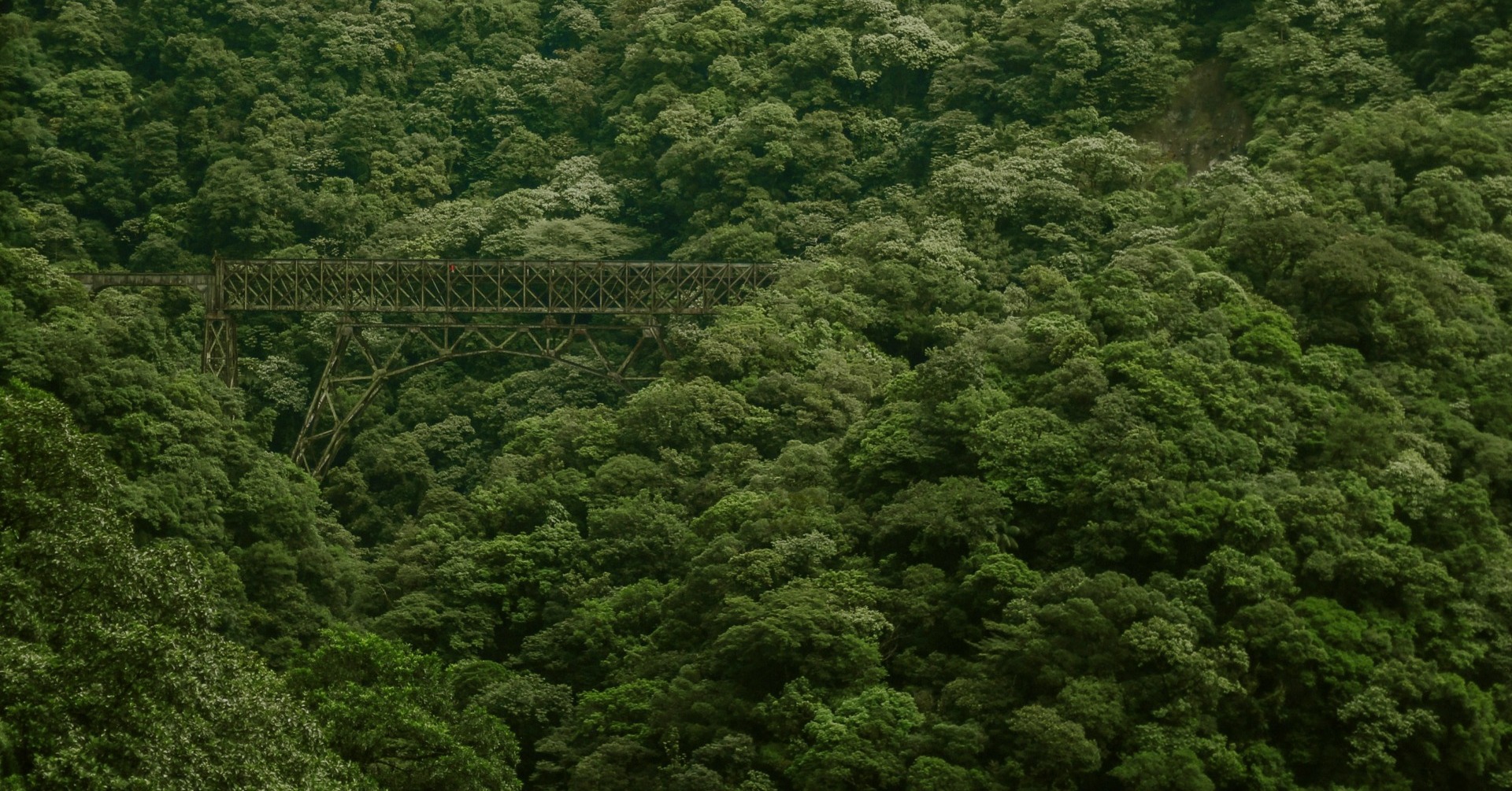
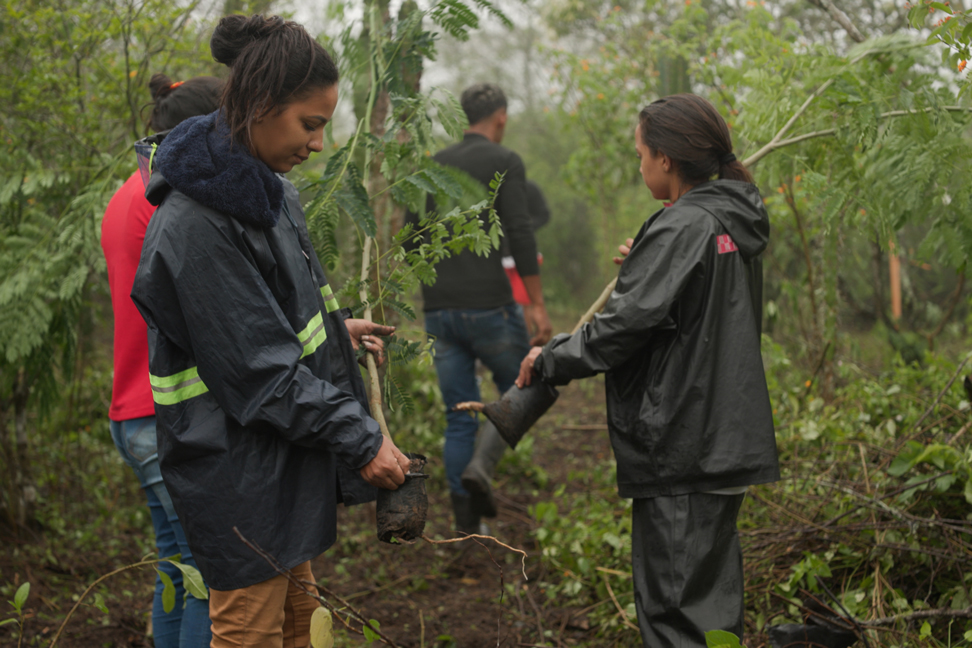
As dawn breaks over the Ororubá Mountains in Pernambuco, Brazil, a group of Indigenous youth of the Xukuru do Ororubá people gather at the edge of a nursery. They tend to native plant and tree seedlings: especially species used for medicinal purposes which were once lost but are now being revived.
The working team, a dozen strong, form a human chain to pass along the more mature seedlings into an old white Kombi van which then transports them to chosen forest restoration sites.
Ângela Neves Pereira or “Bella” as she’s called — a spiritual guardian of ancestral knowledge — leads the team. The plant and tree seedlings she has grown — 20,000 so far, almost all native — are emblematic of a vision much bigger than restoring and reforesting the land, it’s the work of restoring their cosmogony, identity, culture and balance.
“We face many challenges, but we face them with calm, patience and wisdom,” says Bella. “We transform challenges into strength and resilience to continue our work of resistance, reforesting, living, changing and recovering degraded areas that we see as being ‘ill’ and in need of care.”
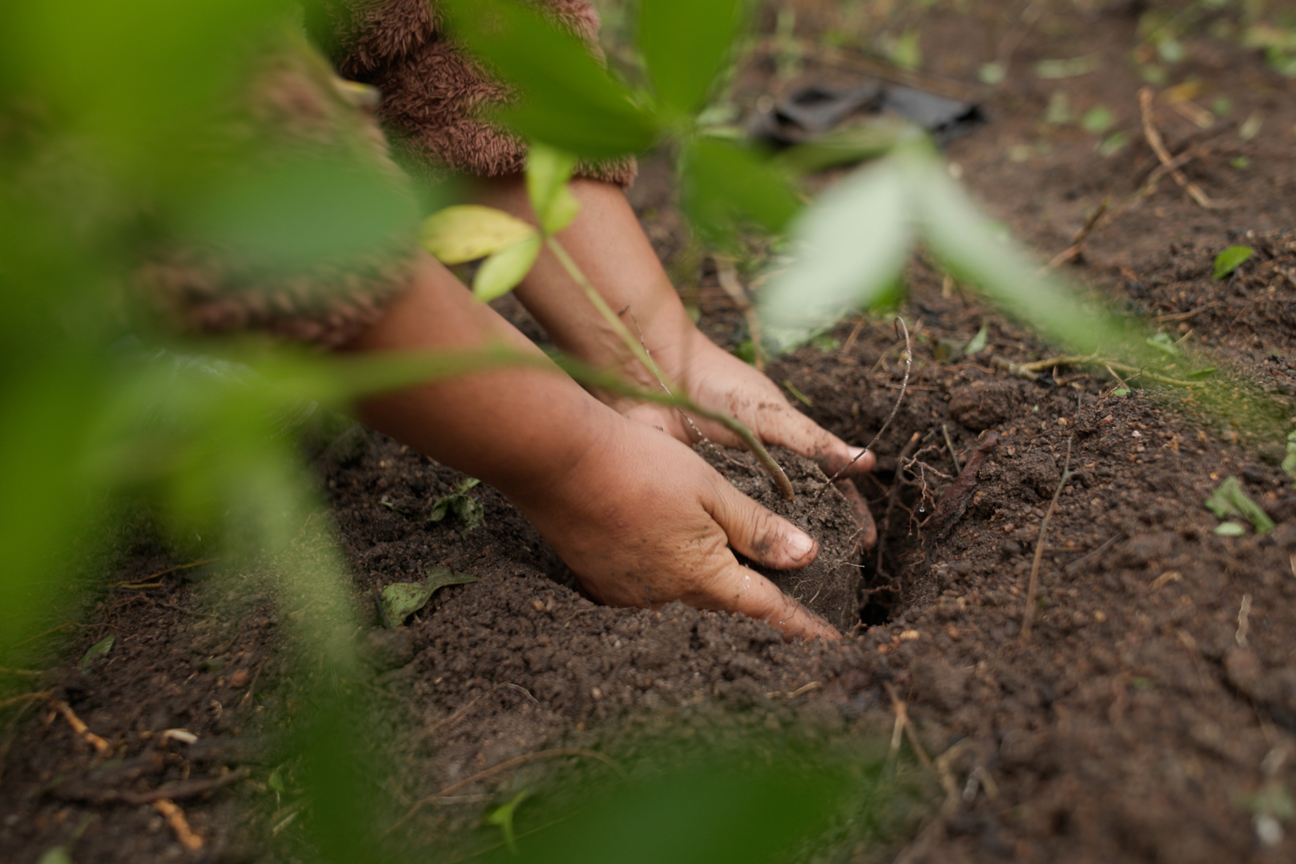
Since 2023, the Indigenous Peoples Unit of the Food and Agriculture Organization of the United Nations (FAO) and the Xukuru people, represented by the Jupago Kreká Collective, have been working together on restoring the Ororubá forests within the frame of the Global Programme of Indigenous Peoples Biocentric Restoration, a programme co-designed by FAO Indigenous Peoples Unit and Indigenous Peoples’ organizations that started in 2019 in India, Thailand, Ecuador and Peru, and which later expanded to Brazil, Costa Rica, Bolivia and Nepal.
At the heart of this initiative is Indigenous Peoples’ biocentric restoration, a method that prioritizes the well-being of all living things within an ecosystem and puts Indigenous Peoples at the centre of restoring the lost memory of their territories. They do so through their food and knowledge systems, spiritual beliefs, territorial management practices and cosmogony. This method is inter-generational, engages elders, youth, traditional healers and re-foresters, and acknowledges women as protectors of biodiversity and custodians of knowledge.
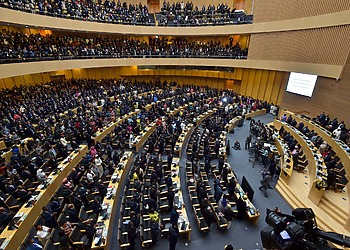
On November 19, the Government of Brazil and FAO’s AIM4Forests programme have joined these efforts of the Global Programme of Indigenous Peoples Biocentric Restoration to upscale the successful results.
The AIM4Forests programme includes USD 9 million of funding from the United Kingdom for an initiative called Accelerating Innovative Monitoring for Nature Restoration, or AIM4NatuRe. This initiative works to improve how countries and actors monitor and report progress on ecosystem restoration to restore at least 30% of degraded ecosystems by 2030.
AIM4NatuRe’s support to the Indigenous Peoples Biocentric Global Programme work in Brazil and Peru is good news for Indigenous Peoples. This collaboration, which started in 2025, reinforces training on management of community nurseries, supports the recovery of Indigenous Peoples’ knowledge, while enhancing ecosystem restoration monitoring capabilities and enabling the scaling up of Indigenous Peoples‑led biocentric restoration.
After decades of struggle to reclaim ancestral land, lost during the time of European settlements, the Xukuru — some 12,000 people — received legal recognition to repossess and control the territory in 2001. But much of the land had been degraded over this time, deforested, eroded and its biodiversity lost.
A goal of this collaboration is to support more Indigenous Peoples’ communities as rights and knowledge holders, like the Xukuru, in the process of reclaiming degraded land, protecting biodiversity and restoring forest health.
Chief Marcos of the Xukuru peoples embodies this sacred mission. For him, land, spirit and identity are inseparable. “We believe that taking care of this territory, where we live today and will return to as ancestors, is part of becoming an enchanted being,” he says, standing in Espaço Mandaru – the spiritual assembly grounds.
At 70 years old, medicine woman Dona Socorro leads lessons in the Xukuru’s “Schools of Life,” which teach children and youth about the healing properties of plants, sacred forests and the interconnection of all living things. Together with Bella and others, she helps keep alive the spiritual and medicinal knowledge that often lies outside textbooks. To Dona, plant medicine and restoration are inseparable; the act of healing land is also healing people.
Located in Brazil’s Caatinga biome — one of the critical areas recognised under the United Nations Convention to Combat Desertification — the Xukuru’s land is especially vulnerable to species loss due to unsustainable land use, particularly livestock management, and the effects of climate change.
While FAO’s assistance has helped with training, knowledge and tools to monitor restoration, it is the leadership and science of the Xukuru themselves that is steering the restoration in meaningful cultural and spiritual ways.
Iran Neves Ordonio, a Xukuru lifelong environment restorer and storyteller, speaks of the need for the Xukuru, and all Indigenous Peoples, to recover their ancestral roots both symbolically and practically.
“If the forest isn’t healthy, nothing is. Nature speaks — even in silence, when the birds no longer sing,” he shares when talking about biocentrism. Iran believes to honour familial and cultural inheritance is to move his community, especially its youth, toward restoring the land’s biodiversity and therefore its spirit.
Related Articles
Here is a list of articles selected by our Editorial Board that have gained significant interest from the public:
Brazil has committed to restoring 12 million hectares of native vegetation by 2030. A key pillar of this initiative is working with Indigenous Peoples to restore their territories. The Xukuru are the first Indigenous Peoples to formally participate in the Global Programme on Indigenous Peoples’ Biocentric Restoration, now supported by AIM4NatuRe. This strategic collaboration is serving as a model for other Indigenous Peoples as both programmes scale up.
When Indigenous Peoples’ leadership, cultural inheritance and scientific support combine, restoration can be not only ecological but also spiritual and cosmogonic, educational and social, ensuring that restoration is lasting and that nature is recognized with the same respect and dignity as humankind.
For the Xukuru people, protecting Brazil’s forests is a sacred duty. When the forest is healthy, birds sing and healing plants flourish, the territory thrives. And that benefits not just the Xukuru people, but all of Brazil, and ultimately the planet.
** **
This article was originally published by the Food and Agriculture Organization of the United Nations (FAO) and is republished here as part of our editorial collaboration with the FAO.
Editor’s Note: The opinions expressed here by the authors are their own, not those of Impakter.com — Cover Photo Credit: Nathália Arantes.