
Editor’s note: This piece on biobased and biodegradable materials is written in collaboration with GO!PHA, a non-profit initiative promoting the use of renewable carbon-based and sustainable materials to help transition to a circular economy
Linear life cycles have historically been the foundation of the plastics industry, using fossil resources to make polymers like conventional plastics. Over the years, most of these plastics have been disposed of in landfills and oceans, causing alarming environmental, social, and economic consequences.
As per the United Nations, 19-23 million tonnes of plastic waste leaks into water bodies globally every year. In a minority of cases, plastics are incinerated or mechanically recycled into lower-grade products that release microplastics.
Shifting from this linear material life cycle to a framework that eliminates problematic substances, maximizes resource reuse, and revitalizes the natural environment is seen as a potent strategy to combat plastic pollution – a concept encapsulated in the idea of a circular economy.
The more recent understanding and practices of circular economy reveal that a systemic transformation that
gives equal importance to innovating the “beginning-of-life” options along with end-of-life considerations (like reuse and recycling) is essential for a transition to a circular economy.
For example, The Ellen MacArthur-UNEP Global Commitment Report emphasizes the RRC (Reuse, Recycle, and Compostable) benchmark to make a successful leap toward system change by enabling compostable substitutes. Here, in addition to reducing the use of new fossil plastics by recycling and reuse, they suggest using compostable materials to substitute conventional plastics in a regulated and sustainable way. This article explores what these substitutes are, their role in a circular economy, and systemic considerations to enable the transition toward a circular economy.
Biobased, biodegradable and circular materials: A sustainable approach to reach SDGs
Biobased and biodegradable materials produced from natural renewable carbon feedstocks prevent the emission of additional (fossil) carbon into the environment. Several properties of biobased materials include compostability, biodegradability, and renewability.
RELATED ARTICLES: We Need a Century of Citizen Action to Build a Peaceful and Sustainable World | Climate Solutions Are Already in Our Nature | WWF Sets Out Blueprint to Save Forests as New Data Reveals ‘Devastating’ Increase in Global Deforestation |
Such substitute materials that can replace plastics are generated from renewable feedstock, and products that are made by using such materials at their end of life can also be reused and/or recycled. They are an ideal replacement for fossil plastics, providing us with the benefits of fossil plastics and meeting all the requirements of a truly circular economy.
The Beginning and End-of-life of Materials and Products
It is rightly recognized that “we cannot recycle our way out of the plastic pollution crisis” (Inger Andersen, UNEP Executive Director). The Ellen MacArthur Foundation recognizes that the 2025 goals for a circular economy involving RRC (Reuse, Recycling, and Compostable) would be missed, with the “compostable” mandate being significantly underutilized. Making use of the bioeconomy and tapping into the potential of biobased products is essential for reducing dependence on fossil fuels. This requires major interdisciplinary and holistic strategies that
emphasize innovation in enabling truly circular substitutes.
Circularity design requirements, facilitating recycling, and use of green(er) infrastructure would not be complete without addressing the root cause of plastic pollution – the use of problematic, non-biodegradable materials. We must support long-term solutions that tackle the issue from its inception or at the beginning of life and lessen the burden on waste and pollution control systems, which handle materials at the end of their intended use.
The achievement of environmental goals and SDGs may be greatly aided by focusing on the materials utilized while creating a product rather than merely depending on reuse and recycling to solve problems in the long run.
Biobased and biodegradable materials, drawing inspiration from natural processes, hold promise as suitable substitutes for traditional plastics.
Enabling positive change
It’s crucial to use recyclable materials as much as feasible in today’s society. Additionally, we should choose materials that degrade in organic waste or the natural environment, particularly in cases where recycling facilities are insufficient or where items are prone to littering. This can be achieved by utilizing renewable and natural resources that draw inspiration from natural processes to make materials and products.
Such materials can be created by biosynthesis in animals, fungi, plants, and algae, hold proven advantages as suitable substitutes for traditional plastics, and align with the waste management hierarchy – being renewable,
recyclable, compostable, and biodegradable. One notable example is Polyhydroxyalkanoates (PHA), which are naturally occurring polymers with properties akin to fossil plastics.

The growing bioeconomy and biobased materials industry currently face complex challenges that hinder comprehensive adoption efforts. The gap between science and policy also leads to misconceptions and misunderstandings about such materials. It is crucial to address claims to avoid greenwashing under the umbrella of “biodegradable” and “compostable” and specify which items won’t cause harm to the environment and other living organisms.
There is also a need for clearer labeling and definitions to avoid confusion in global and regional policymaking
and among consumers. Global policymakers can support industry transformation and the development of a sustainable future by taking proactive steps to promote substitute materials and the bioeconomy.
According to the UN, by carefully replacing problematic plastic products with products made from sustainable resources like compostable materials, plastic pollution may be decreased by 17%. Alternative materials may also lower greenhouse gas emissions compared to standard plastics, and it is anticipated that by 2040, the paper and compostables businesses will have created over three million new jobs globally.
In practice, cities like Milan are already replacing plastic bags with biodegradable ones in order to support increased organic waste collection, which is then turned into biogas, reducing CO2 emissions by 8,800 tons and decreasing reliance on fossil fuels.
An assessment by the United Nations Conference on Trade and Development highlights that biodegradable and compostable alternatives are preferable in developing countries, particularly in sub-Saharan Africa and South Asia. This preference stems from the lack of waste management and recycling facilities in these regions. Additionally, these substitutes bring economic benefits to rural communities and have no harmful end-of-life impacts, making them a better choice compared to conventional plastics.
With appropriate labeling, standardization, effective waste management practices, and supportive policies, biobased and biodegradable materials can replace traditional plastics in various mainstream applications. The reduction of the gap between scientific findings and policy decisions is of utmost importance and can be achieved by fostering open dialogues to enhance understanding about biobased and biodegradable natural substitutes. Extending their accessibility, establishing technology transfer frameworks, and ethical, regulated advancement and consumption of substitutes to plastics on a global scale are all pivotal steps toward a
sustainable future.
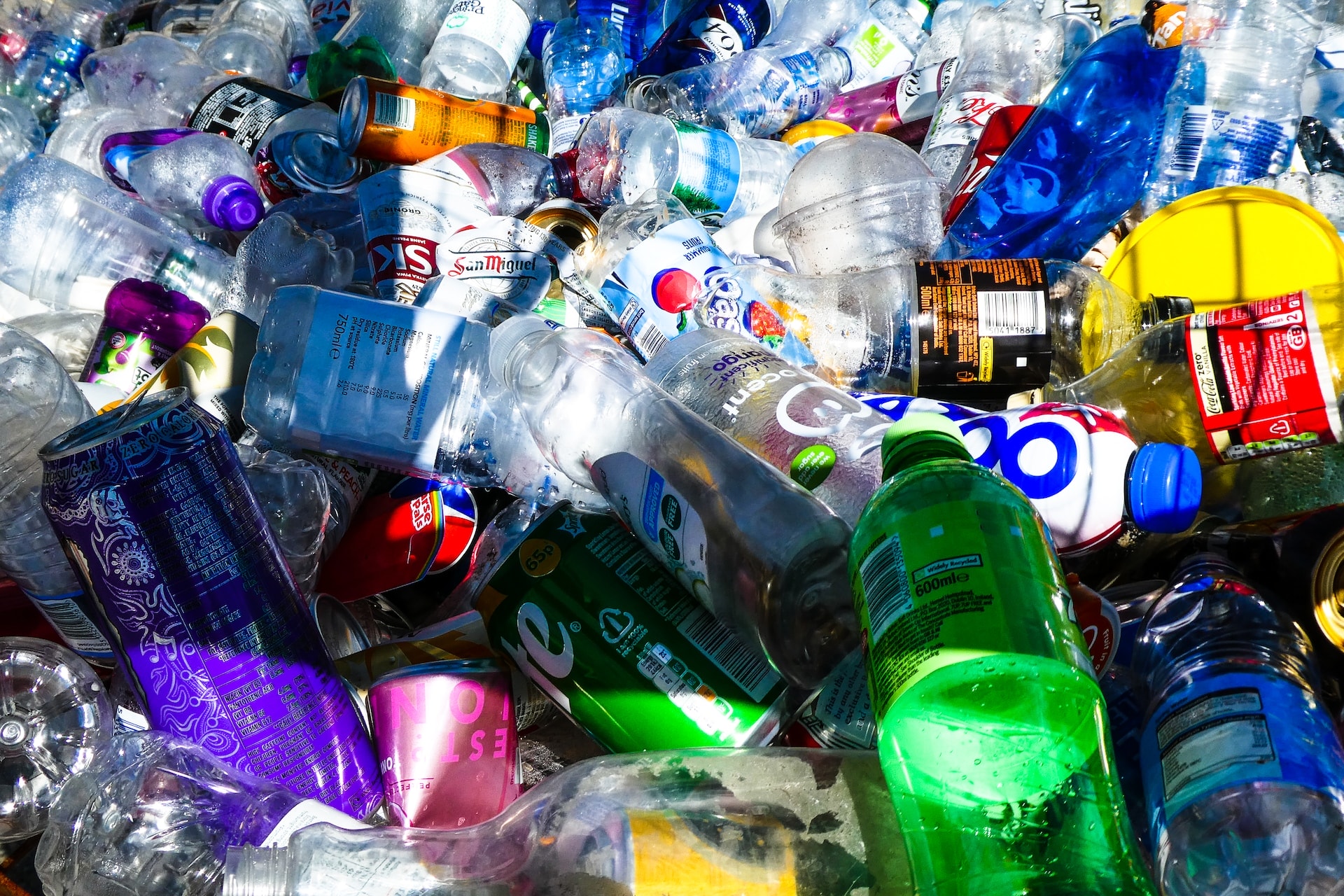
Editor’s Note: The opinions expressed here by the authors are their own, not those of Impakter.com — In the Featured Photo: Plastics pollution. Source: Unsplash.