The G20 Finance Ministers and Central Bank Governors (FMCBGs) meeting, that took place on July 17 and 18, convened to address critical global issues. Attended by finance ministers from the world’s leading economies, the meeting failed to achieve any significant breakthroughs on debt restructuring.
This lack of progress on the debt crisis, raises serious concerns, especially for low-income countries.
The meeting, organized under the presidency of India, had an ambitious agenda aimed at addressing critical global challenges. It sought to advance discussions on key issues, including “progress in the debt treatment for countries under the Common Framework; a guidance note for developing a globally coordinated framework for the regulation and supervision of crypto-assets.”
The overall objective of the 3rd G20 FMCBGs was “to review the outcomes of the G20 Finance Track and to seek guidance from Ministers and Governors on the way forward.”
Despite this hefty agenda, the meeting witnessed low attendance from several finance ministers. As reported by Reuters, officials stated that many finance ministers “were forced to skip the meetings due to domestic issues that were a ‘ ‘priority’,” leading to a lack of engagement and slow decision-making. The British and German finance ministers didn’t even bother to show up.
This lack of results and general disarray probably reflects the fact that the G20 comprises widely diverse economies with different political priorities and finding common ground among member states is especially difficult when complex issues like climate change finance and global tax frameworks are discussed. They impact low income countries in particular and can prove challenging as countries, depending on their level of economic development, hold differing views and often eschew responsibilities to other poorer countries.
Bottom line, it should come as no surprise that G20 members should avoid commitment to non-G20 countries.
Nevertheless, the problem of debt was raised during the meeting, and by the United States in particular. US Treasury Secretary Janet Yellen, who had already urged on the need to speed up debt relief to developing countries ahead of the meeting, tried to encourage talks on the matter.
As I meet other G20 counterparts, a key goal of mine is to encourage countries to deliver faster on debt relief for countries in distress. Doing so can stimulate growth, attract investment, and restore economic stability in emerging markets and developing countries. pic.twitter.com/VoMwb6Lr1r
— Secretary Janet Yellen (Archived) (@SecYellen) July 18, 2023
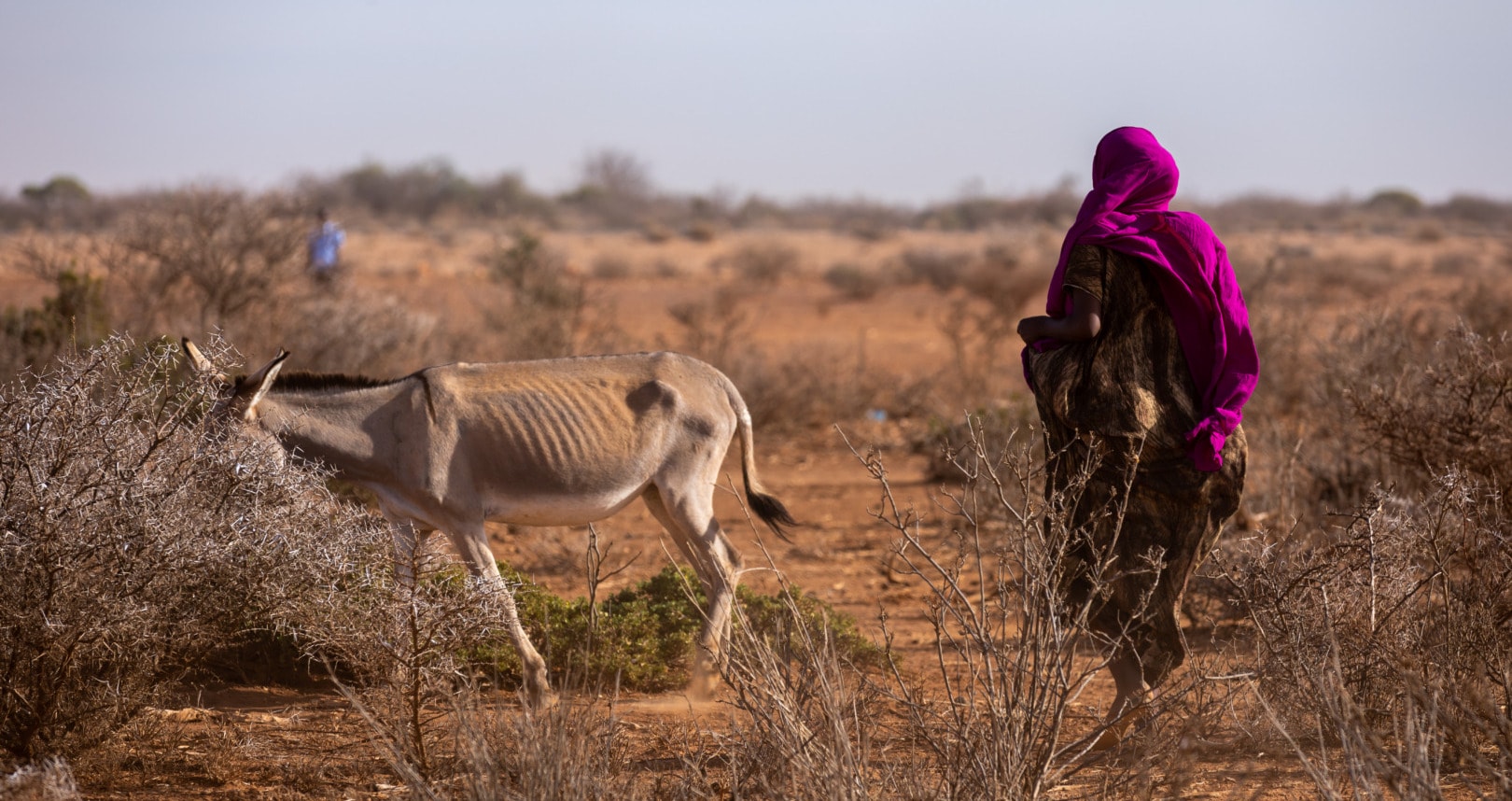
The numbers are disheartening. According to the World Bank, climate change will drive over 130 million people into poverty over the next decade. And according to a recent UNDP report, poverty rates in poor countries have surged in the past three years, with “the number of additional individuals living on less than $3.65-a-day reaching 165 million by 2023.”
165 million more poor as debt service payments crowd out social protection, health & education expenditures in developing countries. Top priority for @G20 & #IFIs to speed & scale up #debt response & restructuring. @UNDP report proposes Debt-Poverty Pause👉https://t.co/kCt7gDYLw2 pic.twitter.com/6hunBLuvP0
— Achim Steiner (@ASteiner) July 14, 2023
At the end of last year, the UK Guardian reported that almost 50 countries around the world faced what could soon become unstainable record levels of debt. Yet the cost of measures that would enable some relief corresponds, according to current calculations, to a very modest “0.065 percent of global GDP.”
The report urged “adaptive social protection” measures and a “Debt-Poverty Pause” to “redirect debt repayments” towards critical social expenditures, emphasizing the need for an international financial architecture capable of stabilizing economies during crises.
Related Articles: The Heat Is On: The World Bank Needs To Change | “A World of Debt”: A Call For Change To the International Financial Architecture | Can Developing Countries Close the Wealth Gap With the Developed World?
All these measures and requests build on a previous UN crucial report, “A World of Debt”, published just a few days earlier and tackling the inherent unequal nature of the current international financial architecture.
All of these points were expected to come up in the meeting and be discussed with a view to finding solutions.
In an interview released for France24, UNDP Administrator Achim Steiner commented on this issue:
“In so many respects we are seeing two worlds right now, countries that can afford to borrow, and countries that can afford the service of debt and then countries where there is no fiscal space. […] not addressing this issue now, particularly for low-income countries that are most vulnerable, means literally leaving them in paralysis.”
However, as demonstrated by the lack of a joint communique on the issue, the debt burdens faced by low-to-middle-income countries were not accorded the necessary attention and urgency by representatives of the world’s largest economies.
As the G20 Summit and COP28 approach, member states must prioritize meaningful actions to address the debt crisis, promote climate change finance, reform global tax frameworks, and strengthen multilateral development banks.
Failure to do so risks exacerbating economic inequalities and impeding progress towards a more equitable and resilient future.
This lack of seriousness regarding the debt issue of vulnerable nations will soon exacerbate their economic challenges and perpetuate a cycle of poverty that climate change is set to make even worse: Not a cycle, but a downward spiral.
Editor’s Note: The opinions expressed here by the authors are their own, not those of Impakter.com — In the Featured Photo: G20 Arrival at Gandhinagar. Featured Photo Credit: UN DRR.