Impakter
  • Environment
    • Biodiversity
    • Climate Change
    • Circular Economy
    • Energy
  • FINANCE
    • ESG News
    • Sustainable Finance
    • Business
  • TECH
    • Start-up
    • AI & Machine Learning
    • Green Tech
  • Industry News
    • Entertainment
    • Food and Agriculture
    • Health
    • Politics & Foreign Affairs
    • Philanthropy
    • Science
    • Sport
  • Editorial Series
    • SDGs Series
    • Shape Your Future
    • Sustainable Cities
      • Copenhagen
      • San Francisco
      • Seattle
      • Sydney
  • About us
    • Company
    • Team
    • Global Leaders
    • Partners
    • Write for Impakter
    • Contact Us
    • Privacy Policy
No Result
View All Result
Impakter logo
No Result
View All Result
human slavery

Fighting Human Slavery: Why the Private Sector Should Care

Matt Friedman - CEO of The Mekong ClubbyMatt Friedman - CEO of The Mekong Club
January 23, 2020
in Business, Corporations, Politics & Foreign Affairs
0

Human trafficking, which represents the recruitment, transport, receipt, and harboring of people for the purpose of exploiting their labor, affects almost all parts of the world. Globally, it is estimated that there are over 40 million men, women, and children in situations of modern day slavery today, with about half in Asia alone. These victims, who can be found in factories, construction sites, fisheries, and sex venues, are forced to work for little or no pay, deprived of their freedom, and often subjected to unimaginable suffering.

While most people think that human trafficking focuses primarily on women and girls forced into the sex industry, this represents only about 25% of the total cases. The remaining 75% fall under the category “forced labor.” Out of this figure, about 60% of victims are associated with manufacturing supply chains, which begin with a grower or producer and end with a finished product purchased by consumers in the retail market.

human slavery
In the Photo: Worker dormitory buildings. Photo Credit: Institute for Global Labour and Human Rights on Flickr

For over a decade, the international human trafficking community has not come close to meeting its full potential. While individual, small-scale success stories exist, many victims are never identified. For example, the 2019 Trafficking in Persons Report (TIP Report) was only able to account for 78,000 victims receiving assistance globally. During the same time period, there were less than 7,000 convictions. This means that less than 0.2% of the victims are identified and assisted each year. This number has remained unchanged for several years.

In fact, the UN has indicated that there are more slaves in the world today than at any other time in history.

Why are these numbers so low? According to the International Labor Organization (ILO), the profits generated from this illicit trade are estimated to exceed US$150 billion annually. But despite the size of the problem, annual global donor contributions add up to only around US$350 million, which represents approximately 1% of total profits generated by the criminals. With this in mind, it is not surprising that the number of trafficked persons continues to increase. In fact, the UN has indicated that there are more slaves in the world today than at any other time in history.

For the world to really make a difference in addressing this problem, the private sector must become a player in this fight. Why should the business world care about this? First, most forced labor cases have some direct or indirect link with the private sector. Unlike the United Nations and other civil society organizations, the private sector knows how to root out bad businesses and already has the necessary skills and capabilities to tackle the problem, e.g. legal, compliance, accounting, communications, and financial expertise. Second, labor trafficking often under-cuts the price of legitimate businesses, offering an unfair advantage to those involved. Third, when human trafficking conditions are found in a given business sector, it can result in an entire industry receiving a “bad name.” This trend is emerging in the electronics, garment, chocolate, and seafood sectors. Fourth, this topic is becoming a growing public concern (similar to environmental issues), with more and more consumers asking questions about whether the products they buy are “slave free.” Fifth, with new legislation out of North America and Europe, it will be expected that most CSR declarations address this topic. Finally, and most importantly, slave-like conditions have been and will always be incompatible with good business.


Related Articles: Fighting Modern Slavery. Interview with Elise Groulx | Human Rights, Technology and Partnerships  |Unpicking Modern Slavery From Fashion Supply Chains


What can retail and manufacturing companies do to play a role in addressing the problem? First, they can look at their business to determine if there are any risk factors. Based on this risk, companies can take specific measures to maintain a slave-free supply chain, including:

  • Conducting investigative audits that illuminate the real conditions faced by workers throughout the continuum of the supply chain. Then describing them in qualitative and quantitative degrees to top-level corporate decision-makers
  • Conducting action-oriented training for staff in global corporations and their suppliers with the goal of expanding awareness and reducing the negative impacts of global sourcing
  • Consulting at points of maximum leverage on how to implement effective human rights protections within global businesses
  • Facilitating multi-stakeholder initiatives that join private sector business, workers, labour, civil society, and governments to focus on both strategic and practical levels with the goal of achieving positive social change.
human slavery
In the Photo: Worker dormitory room. Photo Credit: Institute for Global Labour and Human Rights on Flickr

In addition to these internal actions, companies can also ask themselves the basic question — “What if this was our problem — how would we go about addressing it?” Every corporation is encouraged to explore ways of using their skills, expertise, and comparative advantage to be part of the solution. For example, a law firm could come up with legal remedies. A communications corporation could come up with technology and IT solutions. And these contributions would help with the development of new, innovative approaches.


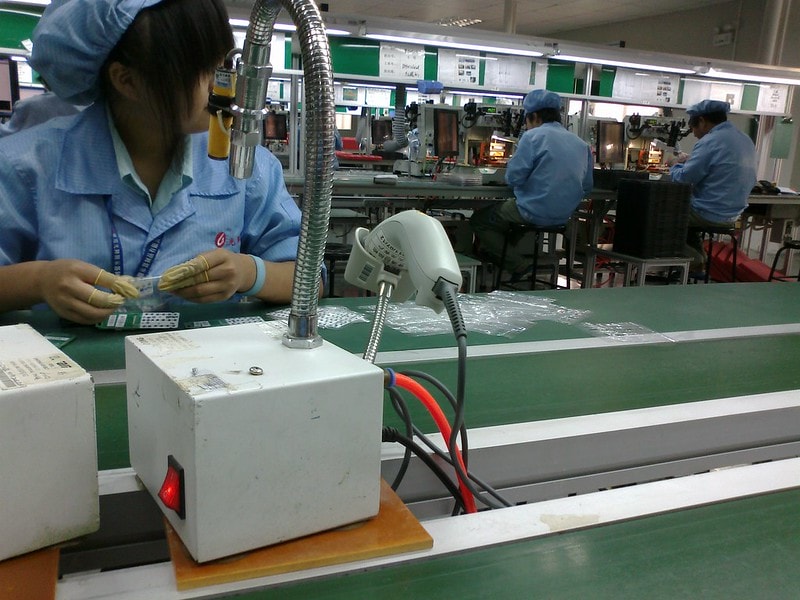
Editor’s Note: The opinions expressed here by Impakter.com columnists are their own, not those of Impakter.com  — In the Featured Photo: Assembly line workers — Photo Credit: Institute for Global Labour and Human Rights on Flickr
Tags: forced laborHuman traffickingPrivate Sectorsupply chain
Previous Post

Aggie Global, Connecting Two Worlds for a Sustainable Food Supply Chain

Next Post

Bold Move or Status Quo? Is the New UN Funding Compact Enough?

Related Posts

Warehousing done with robots helping with building an efficient supply chain.
Business

Smarter, Smoother Warehousing: Practical Ways Companies Can Strengthen Their Supply Chain

Improving warehouse supply chain operations isn’t just about moving faster. It’s about building a system that can breathe a little,...

byHannah Fischer-Lauder
December 12, 2025
Bill Gates memo
Climate Change

Climate, Gates and COP30

Bill Gates’ recent article on the “three tough truths” of the ongoing environmental changes makes an essential point: we must...

byJosé Graziano da Silva - Former Director-General at FAO, Founder and Director of the Instituto Fome Zero, and Professor Emeritus at the University of Campinas
November 12, 2025
Burberry Shares Jump 18% With Workforce Layoffs
Business

Burberry Shares Jump 18% With Workforce Layoffs

Today’s ESG Updates Burberry Cuts 17,000 Jobs: As part of a turnaround strategy, Burberry announces major global layoffs to cut...

byPeter Vigh
May 14, 2025
Climate Change
Climate Change

The Alarming Intersection Between Climate Change and Modern Slavery

By 2050, the World Bank predicts 143 million will be displaced in Africa, Asia & Latin America due to climate...

byTaida Nando
September 14, 2023
Amazon Shopping
Business

How Sustainable Is Amazon?

While Amazon may be waving the "Climate Pledge" flag, a closer look reveals that not everything is as green as...

byTaida Nando
September 12, 2023
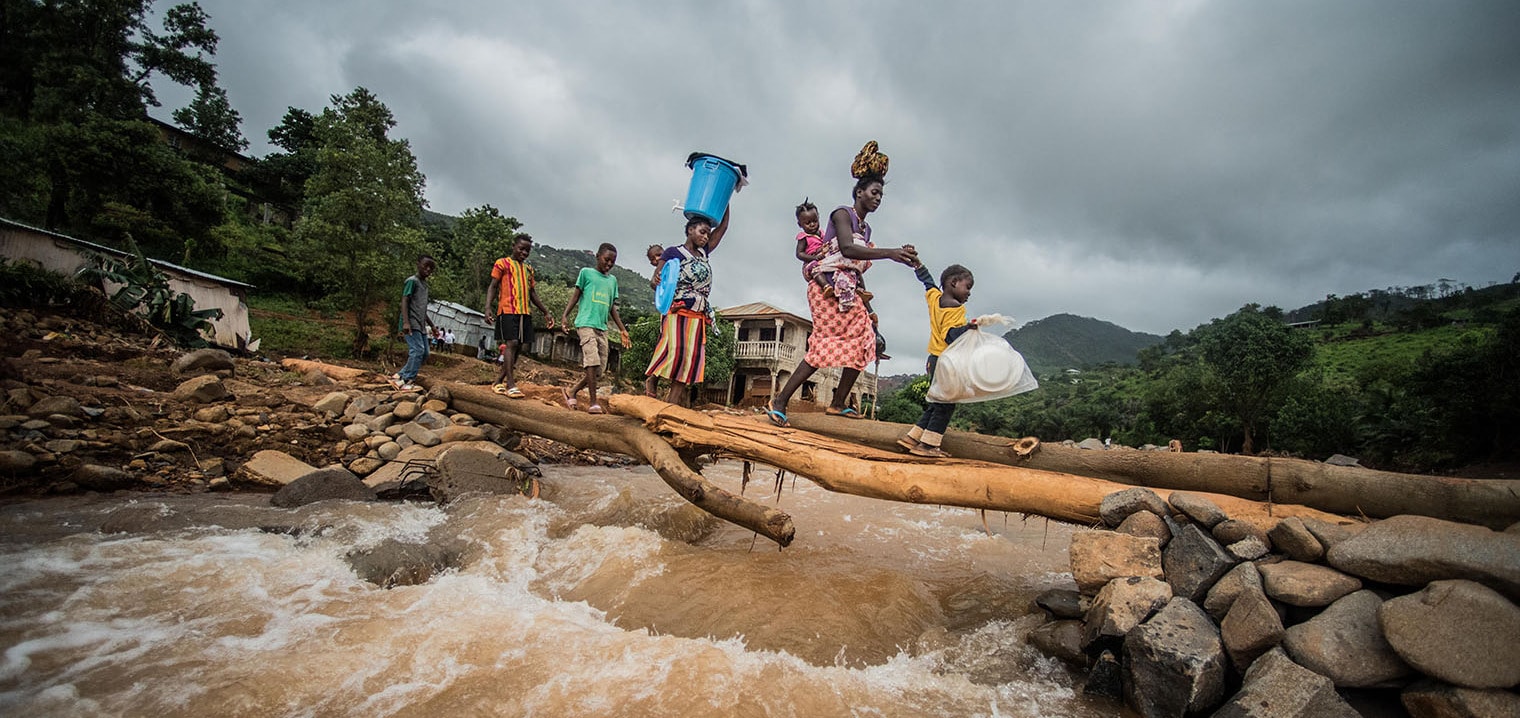
When Disaster Strikes Poor Communities: How the Private Sector Can Help
Business

When Disaster Strikes Poor Communities: How the Private Sector Can Help

The Connecting Business initiative (CBi), a joint initiative by the United Nations Office for the Coordination of Humanitarian Affairs (OCHA)...

byGrace Stinson
October 16, 2022
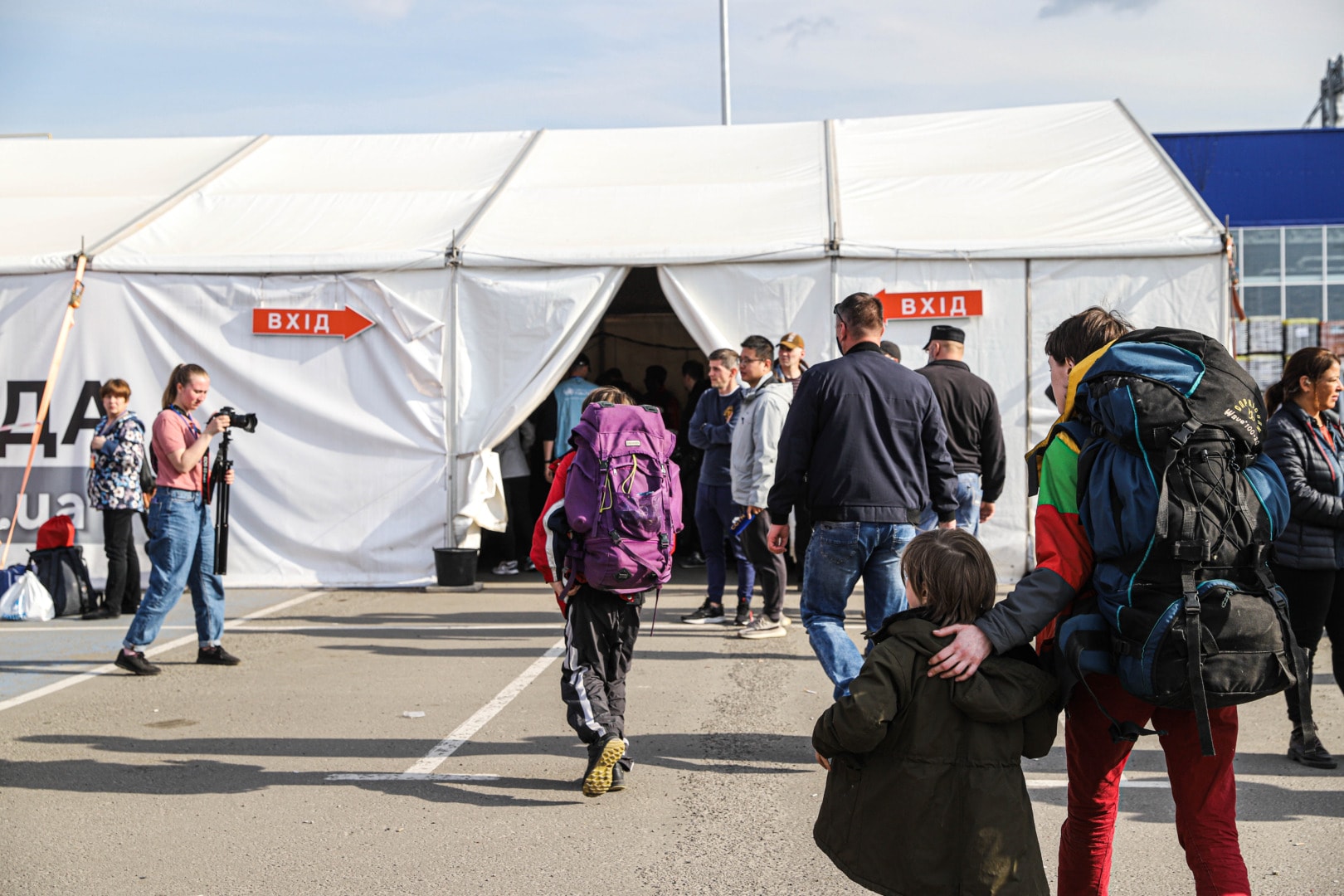
How Businesses Save Lives in Emergencies
Business

How Businesses Save Lives in Emergencies

The war in Ukraine has led to the fastest-growing humanitarian crisis since World War II. At least 13 million people...

byKareem Elbayarand1 others
June 3, 2022
5 sins of greenwashing
Business

The 5 sins of Greenwashing In The Fashion Industry

Editor’s Note: Greenwashing is turning more sophisticated. Two months ago, the news spread that something was wrong with MSCI, an...

byAnam Rahman
February 9, 2022
Next Post
Bold Move or Status Quo? Is the New UN Funding Compact Enough?

Bold Move or Status Quo? Is the New UN Funding Compact Enough?

Recent News

ESG News regarding Microsoft’s wind power deal with Iberdrola in Spain, OECD and EPO findings on the quantum sector’s maturation, SBTi’s pilot of a net-zero standard for power companies, and the European Commission’s proposed expansion of the Carbon Border Adjustment Mechanism.

Microsoft Signs 150 MW Wind Power Agreements in Spain With Iberdrola 

December 17, 2025
Australia Social Media Age Ban

What Australia’s Social Media Age Ban Really Means

December 17, 2025
women and extreme heat

Women and Extreme Heat: Simple Adaptations Make a Big Difference

December 17, 2025
  • ESG News
  • Sustainable Finance
  • Business

© 2025 Impakter.com owned by Klimado GmbH

No Result
View All Result
  • Environment
    • Biodiversity
    • Climate Change
    • Circular Economy
    • Energy
  • FINANCE
    • ESG News
    • Sustainable Finance
    • Business
  • TECH
    • Start-up
    • AI & Machine Learning
    • Green Tech
  • Industry News
    • Entertainment
    • Food and Agriculture
    • Health
    • Politics & Foreign Affairs
    • Philanthropy
    • Science
    • Sport
  • Editorial Series
    • SDGs Series
    • Shape Your Future
    • Sustainable Cities
      • Copenhagen
      • San Francisco
      • Seattle
      • Sydney
  • About us
    • Company
    • Team
    • Global Leaders
    • Partners
    • Write for Impakter
    • Contact Us
    • Privacy Policy

© 2025 Impakter.com owned by Klimado GmbH