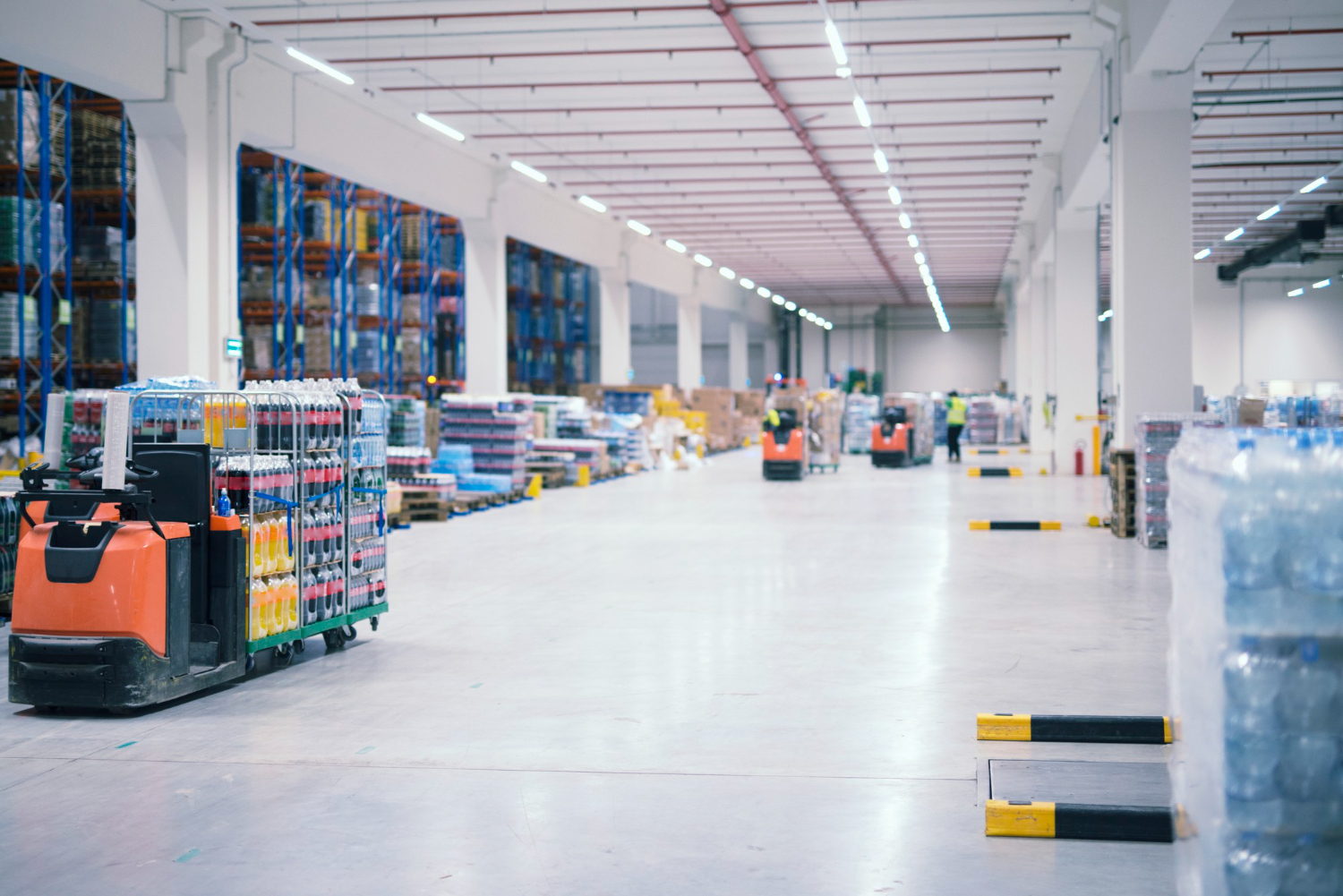
Improving warehouse supply chain operations isn’t just about moving faster. It’s about building a system that can breathe a little, one that stays steady even when things get messy or unpredictable. I guess that’s the part people don’t talk about enough. A warehouse isn’t just racks and forklifts. It’s people, pressure, and timing all woven together.
Most teams already know where things feel slow or clunky. The harder question is what you fix first and what’s actually worth changing. Honestly, those are the questions that keep managers up at night, staring at a screen that still glows long after everyone’s gone home.
The encouraging part is that improvement doesn’t always come from big moves. Sometimes it’s the small tweaks that shift everything.
A clearer view of inventory.
A cleaner workflow.
A conversation that wasn’t happening before.
These moments matter. More than most people realize.
Strengthening Warehouse Visibility
Visibility is the heartbeat of a strong warehouse. When teams know where inventory lives, how quickly it moves, and what’s starting to pile up, the day feels calmer. Utilizing GPS and Passive RFID tracking is the best way to track your assets indoors and in transit. You can almost feel it in the room. That slight drop in tension when people aren’t guessing anymore.
But when information lives in scattered spreadsheets or someone’s notebook, things fall apart fast. You know that feeling when you’re searching for a number you swear you entered yesterday. It’s frustrating. And it slows everything down.
A unified view of inventory clears away the noise. It gives managers something solid to stand on and gives teams a shared truth. And that clarity makes forecasting easier. Why wait for a problem to surprise you when patterns can tell you what’s coming?
Streamlining Internal Workflows
Inside any warehouse, the small delays are the ones that sting. A picker doubling back because a label wasn’t where it should be. An aisle clogged at the wrong time of day. It doesn’t sound dramatic, but stacked together, those moments drain momentum.
Simplifying those everyday steps gives workers room to breathe. Clear routes. Better labels. Shelves that actually make sense. People shouldn’t have to waste time figuring out where to go next.
Automation helps too. Barcode scanners, sorting tools, light prompts. Nothing flashy. Just quiet helpers in the background. Maybe it sounds small, but it matters. These tools save attention for the work that truly needs it.
And sometimes, it’s that saved attention that turns a stressful shift into a manageable one.
Improving Communication Across Teams
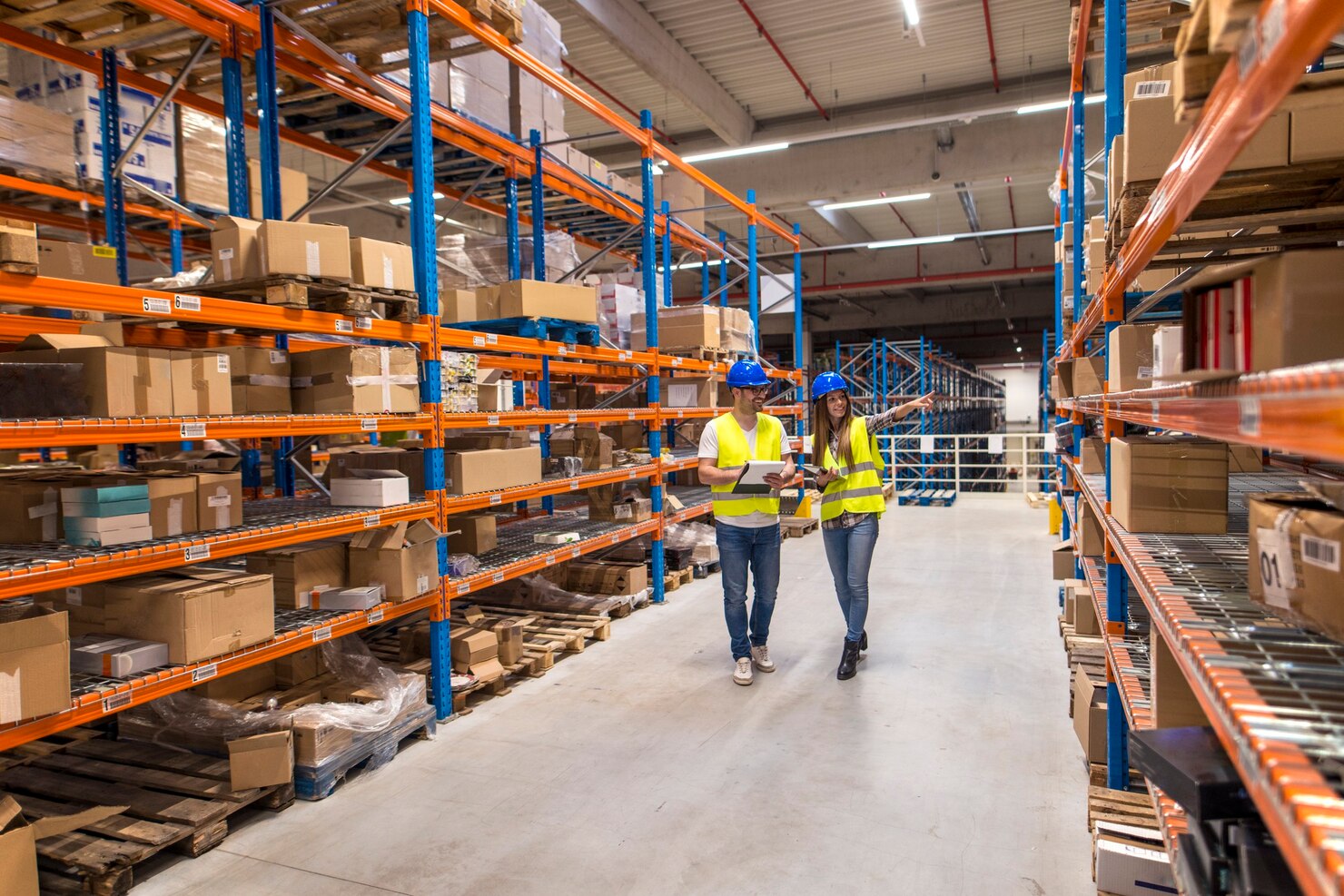
Communication shapes the entire tone of a warehouse. You can feel when it’s off. Updates get lost. People step on each other’s tasks. Tension creeps in. And suddenly a minor issue becomes a real headache.
Daily huddles, clear notes, and quick check-ins create a rhythm everyone can follow. They’re simple habits, but they keep the day from drifting off course.
And since warehouses don’t operate alone, cross-team communication matters just as much. Purchasing, transportation, customer service. They’re all pulling on the same thread. A small update at the right moment can prevent a bigger mess later. Honestly, how many problems could be avoided if the right person heard the right thing ten minutes earlier?
Using Data for Smarter Decision-Making
Data doesn’t need to be complicated. Even a simple report can show where time is leaking or where inventory isn’t moving. The key is looking at it often enough that the patterns become clear.
When companies build the habit of reviewing metrics, they start noticing things earlier. A slowdown. A recurring mistake. A staffing mismatch. And those early signals let them fix problems before they turn into fires.
Over time, the warehouse shifts from reactive to intentional. And that subtle change makes daily operations feel steadier.
Data also helps you plan for the future. Which products move steadily? Which spike unexpectedly? These insights help companies prepare instead of scrambling. And honestly, avoiding the scramble is half the battle.
Investing in Employee Training and Support
Warehouses run because people make quick choices, spot risks, and adapt in real time. Technology helps, but humans carry the load in ways software can’t.
Training shouldn’t be something you rush through on day one. Work changes. Tools change. Expectations shift. And when workers feel prepared, they take pride in the job. You can see it in the way they move, how confidently they handle tasks.
Support matters too. Managers who step onto the floor. Leaders who listen. A culture that values teamwork instead of panic. These things sound soft, but you can feel their impact. People lift a little more when they know they matter.
And that’s the point.
Preparing for Flexibility and Future Growth
Supply chains shift quickly. Some days feel predictable, and others feel like they’re being rewritten in real time. Flexibility is the buffer that keeps a warehouse from cracking under pressure.
Cross-training helps. Backup plans help. Even evaluating a warehouse layout with future expansion in mind can make a big difference. Maybe that’s the part companies overlook. Growth isn’t just about more space. It’s about systems that won’t collapse under new demands.
Regular check-ins on tools, staffing, and infrastructure keep companies ahead of the curve instead of chasing it.
Elevating Customer Satisfaction Through Better Operations
Customers never see the aisles or the late-night restocking, but they feel the effects. Faster shipping. Fewer mistakes. Orders that arrive the way they should. These details build trust.
And strong warehouse operations sit at the center of that trust. Not frantic speed. Not rushed workers. Just systems that run cleanly behind the scenes.
It’s quiet work. But it shapes the entire customer experience.
Building a Sustainable Supply Chain Mindset
Sustainability isn’t just about greener choices. It’s also about durability. A warehouse that runs well is one that can last. It wastes less time, less energy, and fewer resources. It feels steadier.
Most companies start small. Cleaner tracking. Better layouts. More consistent communication. Tiny steps that slowly transform the operation from the inside out.
And maybe that’s the real takeaway. You don’t need dramatic changes to make progress. You just need steady effort, month after month, watching the systems get a little stronger each time.
That’s how warehouses grow into their full potential.
Editor’s Note: The opinions expressed here by the authors are their own, not those of Impakter.com — In the Cover Photo: Content writing service — Cover Photo Credit:Rawpixels