Zalando and Asos are among the largest dedicated online fashion retailers. They both offer many similar brands, incredibly wide choices, and constantly changing designs. But which one is doing more to make affordable online fashion more sustainable?
In terms of sales and revenues, neither company seems to be doing great right now. Zalando reported a 3.2% decline in revenue in Quarter 3 of 2023 while Asos seems to be having more serious problems, projecting sales losses of up to 15% for 2024.
According to some, Asos might be going through an identity crisis of sorts, catching neither the ultra-cheap crowd nor the more luxury or sustainable-minded consumers.
However, the two companies aren’t quite as similar as they seem. For one, Zalando is much larger, while Asos operates in more markets. Zalando is only active in Europe, while Asos ships pretty much everywhere. And unlike Zalando, Asos used to have a much larger place in fashion culture, thanks in part to a dedicated fashion magazine.
How sustainable is Zalando?
Zalando, like Asos, is a retailer that produces only a minority of the goods it sells. That’s probably why the company’s is more interested in reducing the company’s own emissions and less so those coming from its supply chain.
Zalando seems to be successfully tackling its Scope 1 and Scope 2 emissions and energy usage. It has reported a 78% decrease in those emissions since 2017 and aims to use 100% renewable energy before 2025.
Scope 3 emissions, those tied to the supply chain and third-party partners, are Zalando’s weak spot. The company’s Scope 3 emissions have grown significantly between 2017 and 2022, going from 183.425 to 5.881.358 metric tons of CO2.
The company only promises to reduce emissions per profit. This is expressed in the confusing formula of “40% per million-euro gross profit.” Zalando is growing, and the more it grows, the more it pollutes. That’s bad, no matter how the ratio of growth to pollution increases.
Related Articles: How Sustainable Is Zalando? | How to Shift to, Grow, and Build Circular Economy | Companies Are Hiding Their Climate Progress. A New Report Explains Why.
What’s slightly better is Zalando’s approach to third parties. The company says it will require 90% of brands sold on the website to adhere to science-based sustainability goals.
Zalando doesn’t currently have a repair policy, but it recently ran a pilot program offering repairs for its brand, ZIGN. It’s unclear whether a permanent repair system will be established soon, if ever. It’s also unclear whether it will be available for a larger number of products.
How sustainable is Asos?
Like Zalando, the majority of Asos’ pollution comes from the products it sells, but that’s not where most of its promises are. The company established significant emission reduction targets for their Scope 1 and 2 emissions (87%) and for shipping (58%). Both aim for 2030 as their target year (five years later than Zalando’s 2025).
Like Zalando, Asos ties emission reductions to profit margins; it doesn’t promise to reduce emissions, but emissions per order and per Pound of profit. As the company grows, it will almost certainly pollute more.
But while Zalando only uses this tactic for Scope 3 emissions, Asos uses the same wording across the board. Scope 1 and 2 emissions, shipping, and even Asos’ own brand promise emission reductions per profit made.
Asos doesn’t have a repair system, but it does have a return policy and a second-hand marketplace hosted on its website.
Recognizing the importance of packing their store with sustainable products, Asos promises to increase the number of partners with science-based sustainability goals to two out of every three partners. That’s not bad, per se, but it is far from Zalando’s 90% of partners.
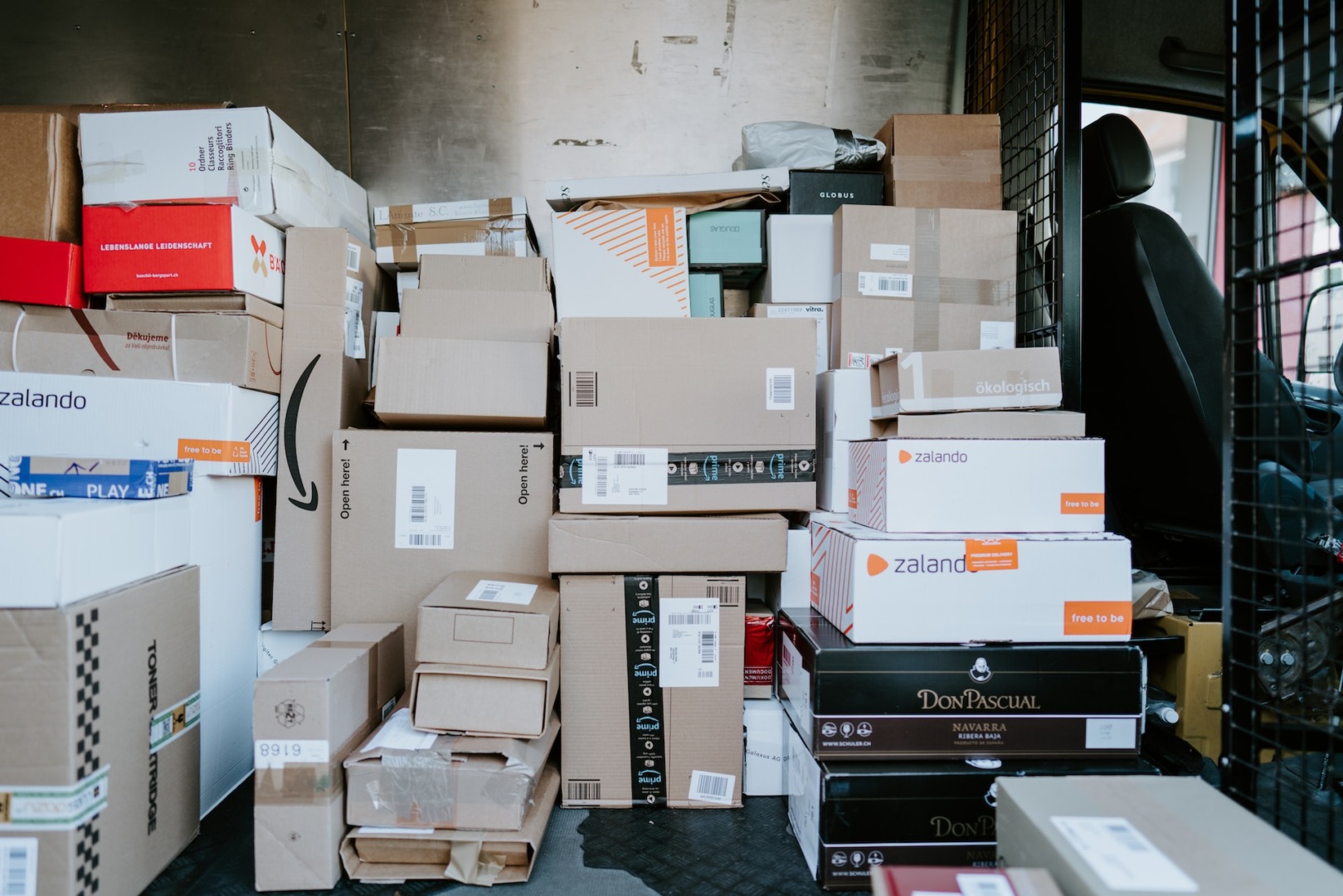
Editor’s Note: The opinions expressed here by the authors are their own, not those of Impakter.com — In the Featured Photo: Shipping boxes from Zalando and other online retailers. Featured Photo Credit: Claudio Schwarz.