FAO Investment Centre Director Mohamed Manssouri speaks about the impacts of COVID-19 on investment in agriculture and smallholder farmers, illustrating what his organization is currently implementing to offset these impacts.
The COVID-19 pandemic has brought unprecedented disruption to our agriculture and food systems, increasing pressure on farmers and agribusinesses around the world. Farmers, old and new, must be ready to adjust their production depending on the demand brought about by the pandemic. Agricultural supplies and equipment like Tillage disc blade tools must be at the ready should the demand for agricultural products soar. Therefore, new farm equipment will be purchased, machineries like tractors need to be maintained and the tractor parts that need to replaced should be replaced now. Farm owners may also invest in Pre Engineered Agricultural Steel Building Kits to build their storage bins or warehouse for their crops.
In an earlier article, FAO Investment Centre Deputy Director John Preissing highlighted the importance of investment and farmer innovation. FAO Investment Centre Director Mohamed Manssouri re-confirms these priorities and stresses the need to tailor the response to the specific needs of each country to avoid a health crisis from becoming a food crisis.
An agricultural economist, Mohamed Manssouri specialises in issues of agricultural and rural development, food security and poverty reduction. He has led many investment strategies for various countries, including the development of resilience-building strategic plans and investment programmes in the Horn of Africa, and is familiar with the unique difficulties a food crisis can pose, having served on the multi-agency team that prepared the Comprehensive Framework for Action in response to the 2007 and 2008 food crisis as part of the United Nations High-Level Task Force on Food Security Crises. He heads up a team of 150 staff members and 500 consultants working on improving investments in agriculture and rural development in partnership with developing countries and international financing institutions.

What are some challenges posed by COVID-19?
Mohamed Manssouri: This pandemic is unprecedented, causing tremendous uncertainty and hardship across the globe — on the public health front but also in terms of people’s social and economic wellbeing, their access to food and nutrition. What makes this situation so challenging is how unpredictable it is. While the crisis is slowing down in some countries, it is resurging or continuing in others. Restrictions on movement, quarantines, trade barriers and shipping delays have disrupted food supply chains, trade and logistics, with food supply chains in developing countries disproportionately affected.
A business as usual approach wasn’t cutting it before the crisis, even less now.
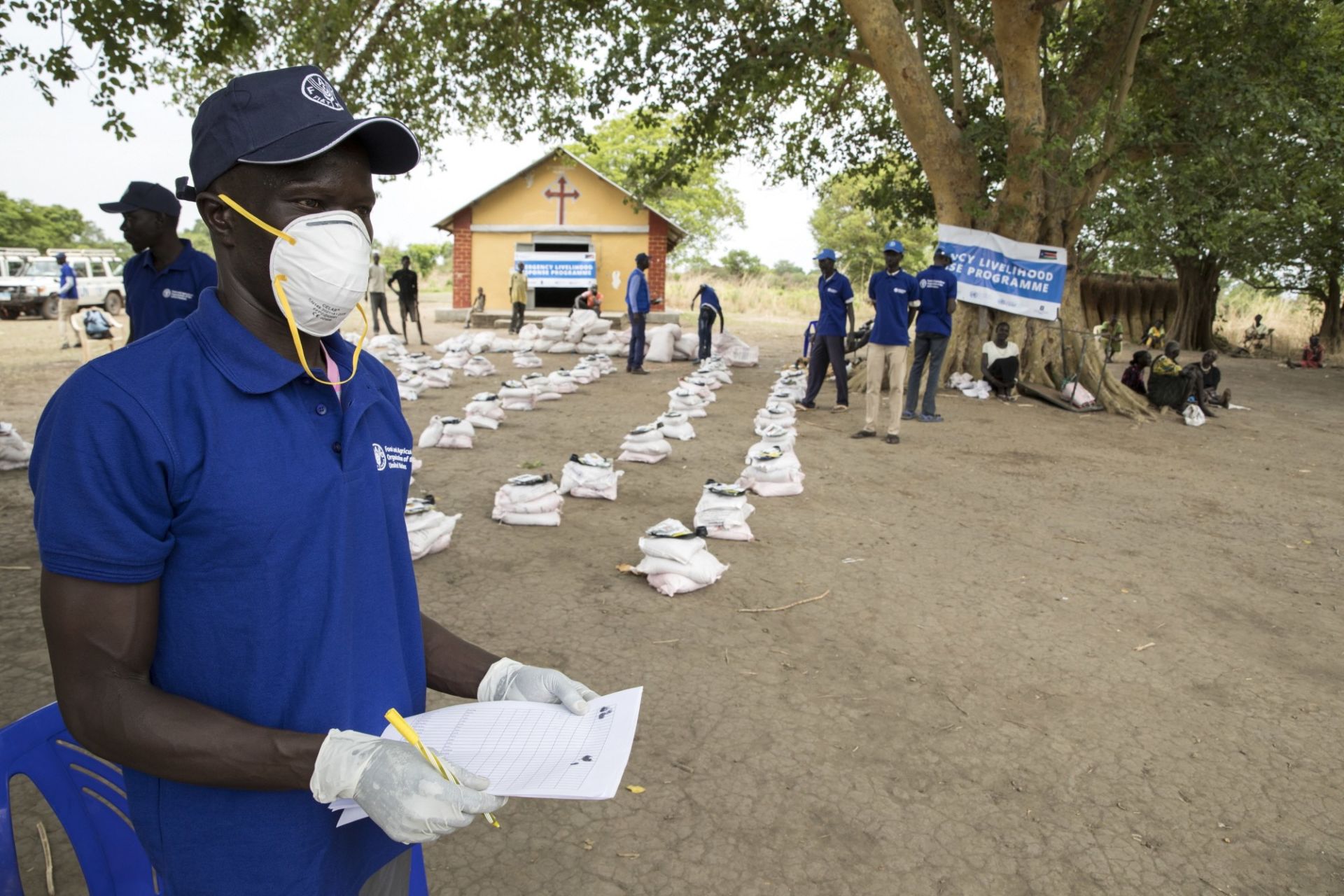
The focus of governments and donors is, rightly, on meeting the immediate needs of the poorest and most vulnerable communities. People have lost their jobs or have had their earnings slashed. Emergency food assistance, nutrition interventions and stronger safety net and social protection programmes can help them cope during these troubled times.
It is also critical that agricultural and food supply chains continue to function effectively — especially during periods of lockdown — while complying with COVID-19 safety measures. Food that meets existing food safety requirements needs to be able to flow across borders. Farmers need to be able to access productive inputs, financing and markets so they can produce, harvest and sell their food. And, consumers need to be able to safely access healthy, nutritious and affordable food.
How are farmers and agribusinesses coping with this new reality?
MM: The crisis, which is affecting both food supply and demand, also offers unique opportunities. We’re seeing big shifts in how people are shopping and what they are eating. Digital technologies are being used to set up e-commerce platforms, shortening supply chains by connecting farmers directly with retailers and customers, particularly in urban and peri-urban areas.
Governments and the banking sector could cooperate to alleviate disruptions through blended finance by providing credit lines and guarantee schemes for small and medium businesses. Small-scale farmers and cooperatives in rural areas may have more difficulties accessing finance and credit for the coming planting and harvesting seasons. Physically visiting a bank can be impossible due to restrictions. Banks can help people comply with physical distancing rules and minimize delays by fast-tracking mobile banking.
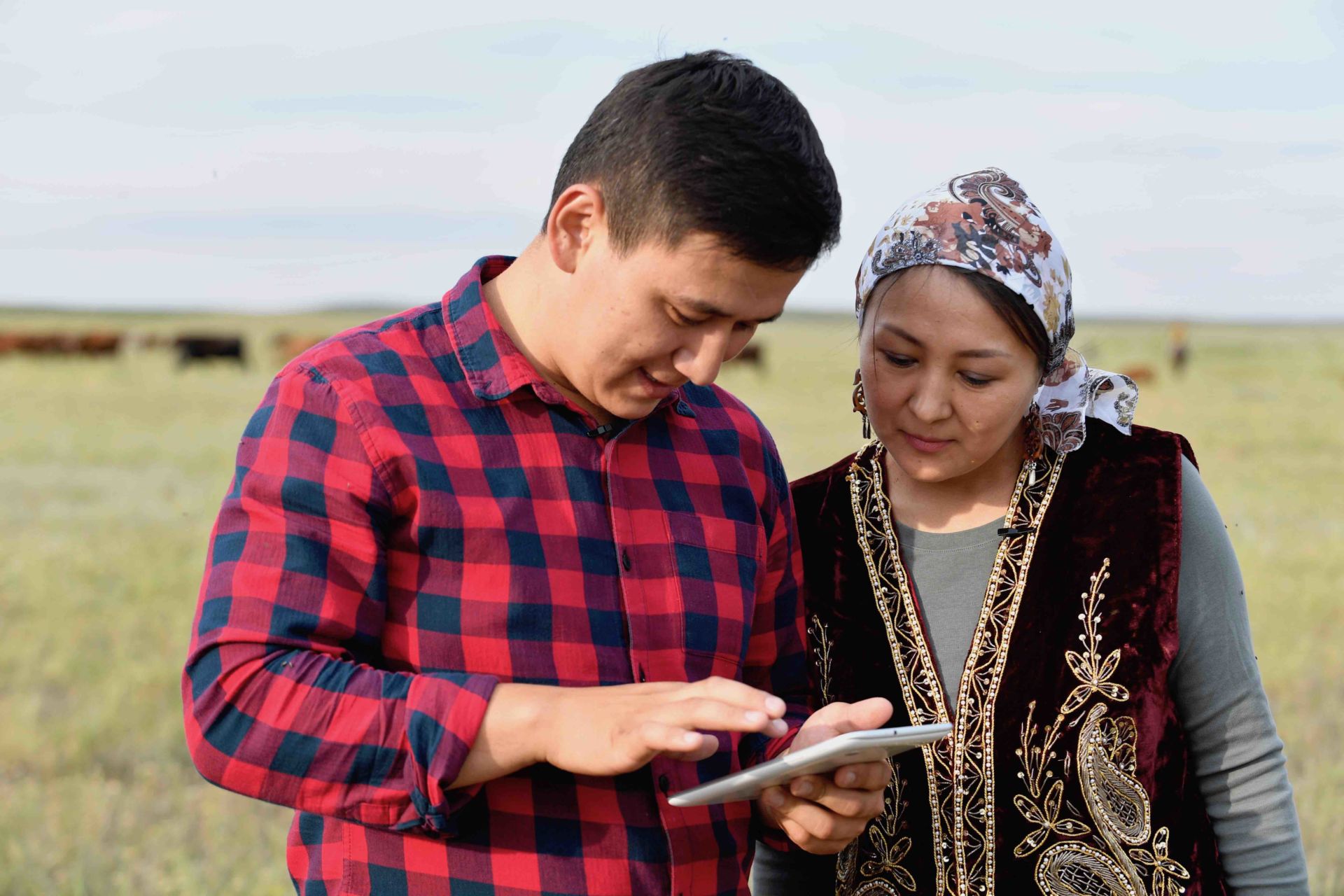
In Bangladesh, a pilot initiative is using virtual call centres that provide advisory services to farmers, helping them use existing digital corridors for e-commerce and cashless payments. These and many other measures are relatively easy to use and ensure wide reach and real-time communication with minimal infrastructure.
What needs to be done?
MM: We need prompt action, both in terms of policy and investment. But we must be careful to avoid blanket solutions.
Achieving the Sustainable Development Goals (SDGs) by 2030, especially zero hunger and poverty, will be even harder now. We need to redouble our efforts to build sustainable agrifood systems that are better able to withstand crises and shocks.
A business as usual approach wasn’t cutting it before the crisis, even less now.
In the last 20 years, we’ve faced the food price crisis in 2008 coupled with the 2009 financial crisis, and now COVID-19. We need to ask ourselves, “What did we get right in 2008, what did we get wrong, and what can we learn from this current crisis?”
We know that policies and investment plans need to be tailored to the specific realities and needs in the country. Doing so calls for good data and quick analysis that can pinpoint the problems and identify possible solutions.
What is the FAO Investment Centre doing?
MM: There is a great sense of urgency to help countries navigate this new reality — we are contributing to FAO’s COVID-19 Response and Recovery Programme to avert a food crisis. We are restructuring ongoing investment projects to designing new ones that tackle COVID-19 challenges in agrifood systems head on. Many of our investment specialists are working solely on this issue.
When the pandemic began to spread, we collaborated with the World Bank, one of our oldest financing partners, to develop an investment diagnostic assessment tool that rapidly collects and analyses food security and agrifood sector information. This data will enable project proposals to be reworked to respond to COVID-19 challenges, and also inform new investments to help countries cope with the crisis and accelerate their recovery. Assessments are underway in many countries.
Countries are looking to FAO for policy guidance on responding to COVID-19. We are contributing to FAO’s online policy tools, like the use of big data for real-time information on the impact of COVID-19 on food and agriculture, value chains, food prices and global food security. And, we are leveraging FAO’s convening power supporting high-level ministerial meetings on the crisis, including one co-convened by our Director-General and the African Union on food security in Africa.
We are working across 26 countries with other longstanding financing partners like IFAD (International Fund for Agricultural Development) and the EBRD (European Bank for Reconstruction and Development) to restructure investment operations to include financing for COVID-19 emergency and mid-term responses.
With the EBRD, for example, we’re preparing a joint COVID-19 package to finance technical assistance in Central and Eastern Europe, Central Asia, Turkey and the Southern and Eastern Mediterranean. The idea is to limit short-term disruptions to agrifood value chains while also supporting a transition towards more resilient and sustainable food systems.
We are also integrating COVID-19 response activities into Global Agriculture and Food Security Program (GAFSP) projects that are being finalized, including in Cote d’Ivoire, the Democratic Republic of Congo, Liberia and Central African Republic. And, we’re working with other FAO Departments, namely Agriculture and Fisheries, on COVID-19 response studies in various countries.
FAO’s mandate compels us to focus first on the most vulnerable and their needs. We will continue to rely on these longstanding partnerships to help countries minimize disruptions to food and agriculture caused by COVID-19.
We have a good track record of bringing stakeholders together from the public and private sectors, including farmers and their organizations, to discuss policy issues and resolve bottlenecks.
And, we are advising these partners on entry points for blended finance to address liquidity constraints and financing gaps to build more resilient agrifood value chains. Through the European Union-funded Agrlntel initiative, FAO has been providing regular advice to funds and facilities investing in the agrifood sector.
As the crisis evolves, we will continue to advocate for policy dialogue, provide technical assistance where needed, share knowledge and innovation, and raise awareness of the situation in the media.
Making the right investments today, whether in infrastructure, human capital, capacity or technology, will help build more resilient and inclusive food systems for the future.
—
Follow: @FAOInvest
Don’t miss the FAO Investment Centre Annual Review 2019.
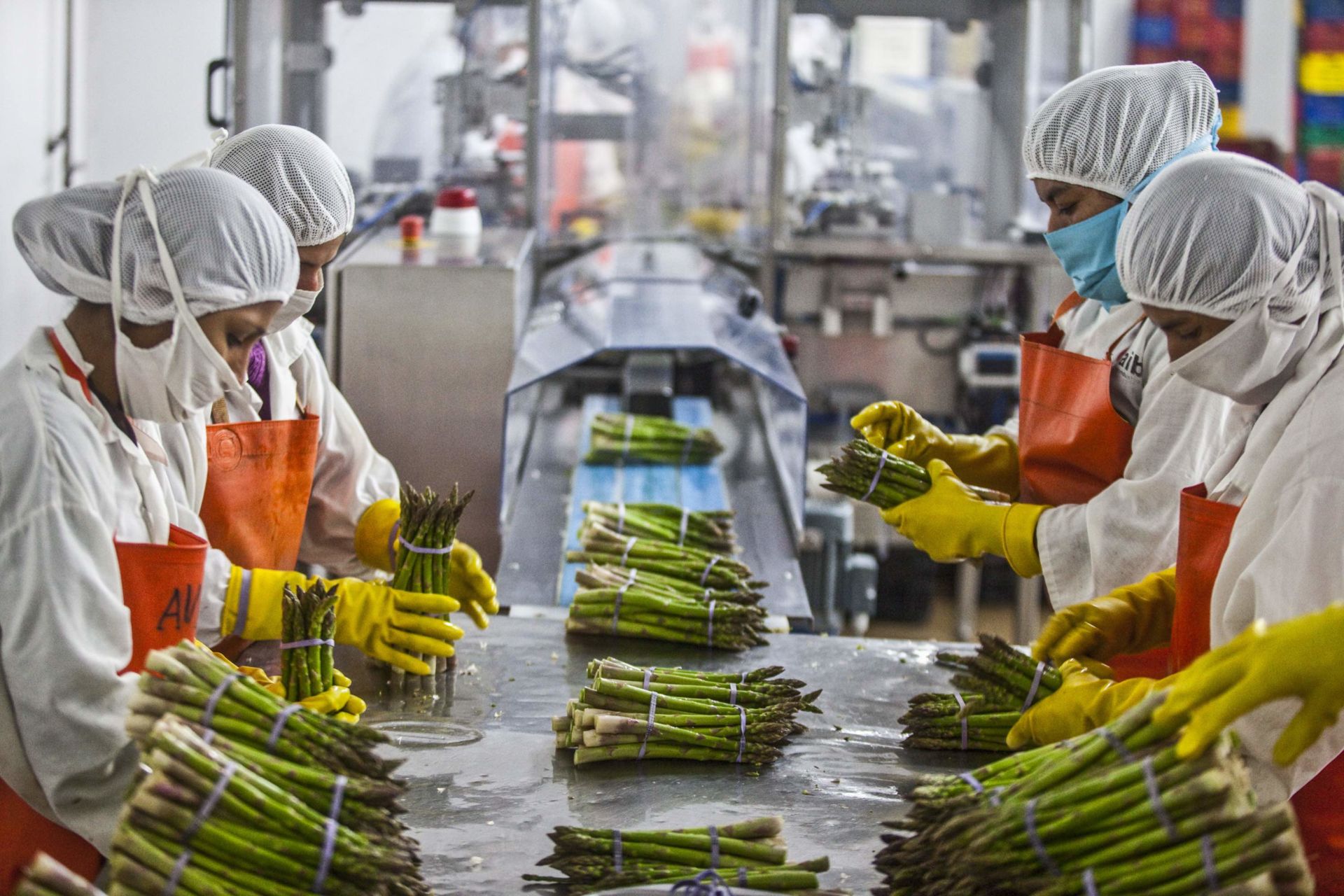
Editor’s Note: The opinions expressed here by Impakter.com columnists are their own, not those of Impakter.com. — In the Featured Photo: Workers at asparagus food packing plant in Chincha, south of Lima, March 2011. Photo Credit: ©UNIDO