Impakter
  • Environment
    • Biodiversity
    • Climate Change
    • Circular Economy
    • Energy
  • FINANCE
    • ESG News
    • Sustainable Finance
    • Business
  • TECH
    • Start-up
    • AI & Machine Learning
    • Green Tech
  • Industry News
    • Entertainment
    • Food and Agriculture
    • Health
    • Politics & Foreign Affairs
    • Philanthropy
    • Science
    • Sport
  • Editorial Series
    • SDGs Series
    • Shape Your Future
    • Sustainable Cities
      • Copenhagen
      • San Francisco
      • Seattle
      • Sydney
  • About us
    • Company
    • Team
    • Global Leaders
    • Partners
    • Write for Impakter
    • Contact Us
    • Privacy Policy
No Result
View All Result
Impakter logo
No Result
View All Result
We Can’t Wait 267 Years to Achieve Equal Economic Participation for Men and Women

We Can’t Wait 267 Years to Achieve Equal Economic Participation for Men and Women

Anna Jardanovsky - Communications Expert at the United Nations Industrial Development Organization (UNIDO)byAnna Jardanovsky - Communications Expert at the United Nations Industrial Development Organization (UNIDO)
June 11, 2021
in Climate Change, Education, Equal Rights, Society
0

How Can We Boost Progress and Green Growth?

Since the beginning of the COVID-19 pandemic, the world has seen numerous industries stumble as the crisis has hit many sectors’ productivity and employment rates. And in this scenario women have been the hardest hit. According to the International Labour Organization, 5% of all employed women lost their jobs, compared with 3.9% of working men. The crisis has exacerbated the existing gender inequality in the labour market, widening gaps even further across several sectors.

A report from the World Economic Forum (WEF), released in March 2021, shows that at the current rate of progress it will take around 267 years to close the gender gap in economic participation and opportunity. It’s a striking number that is the result of two conflicting trends. First, even though at a slow pace, the proportion of skilled women professionals is increasing. On the other hand, there is still an overall income disparity and women in leadership positions are a minority — women represent only 27% of all managerial positions, according to the same report from the WEF.

Sustainability cannot exist when inequality runs rampant.

Advocating for economic equality means also advocating for a more sustainable and greener economy, and the post-COVID recovery is an opportunity to build back greener and more inclusive societies and economies. Sustainability cannot exist when inequality runs rampant. According to ILO, women have the tools and networks to create tangible sustainable solutions and influence how we produce, consume and market sustainable products.

Supporting the European Union Green Deal can be the driver for the global transition to a green economy, and this will only be possible if women are also among the protagonists of such transformation. Ensuring that women have equal access to skills development programmes for green jobs can be the pathway for a more inclusive and sustainable future. Women are globally poorly represented in crucial sectors to the greening of the economy, such as construction (9% of female participation), engineering (12%), and manufacturing (24%). The lack of targeted training and supportive policies may exacerbate already existing gender inequalities when progressing towards the green economy.


Related Articles: Promoting Gender Equality for Industrial Development – What Can We Do? | Invest in Young Women for the Future of Africa’s Public Leadership

Women are important actors to achieve the Sustainable Development Goals (SDGs), and promoting women’s access to high-quality green skills training programmes in high-demand sectors leads to a better future for all.

Thandiwe Banda, a beneficiary of one of the United Nations Industrial Development’s (UNIDO) programmes in Zambia, graduated from the course in Heavy Equipment Repair and set the example on how women can successfully partake in male-dominated fields. “Some of my colleagues would think that because I am a female, I wouldn’t deliver according to my supervisors’ expectations. But, when I was told that I was the first female to ever work in the mechanical department, I became more confident and aware that if I worked very hard I would open more doors for other females,” says Banda.
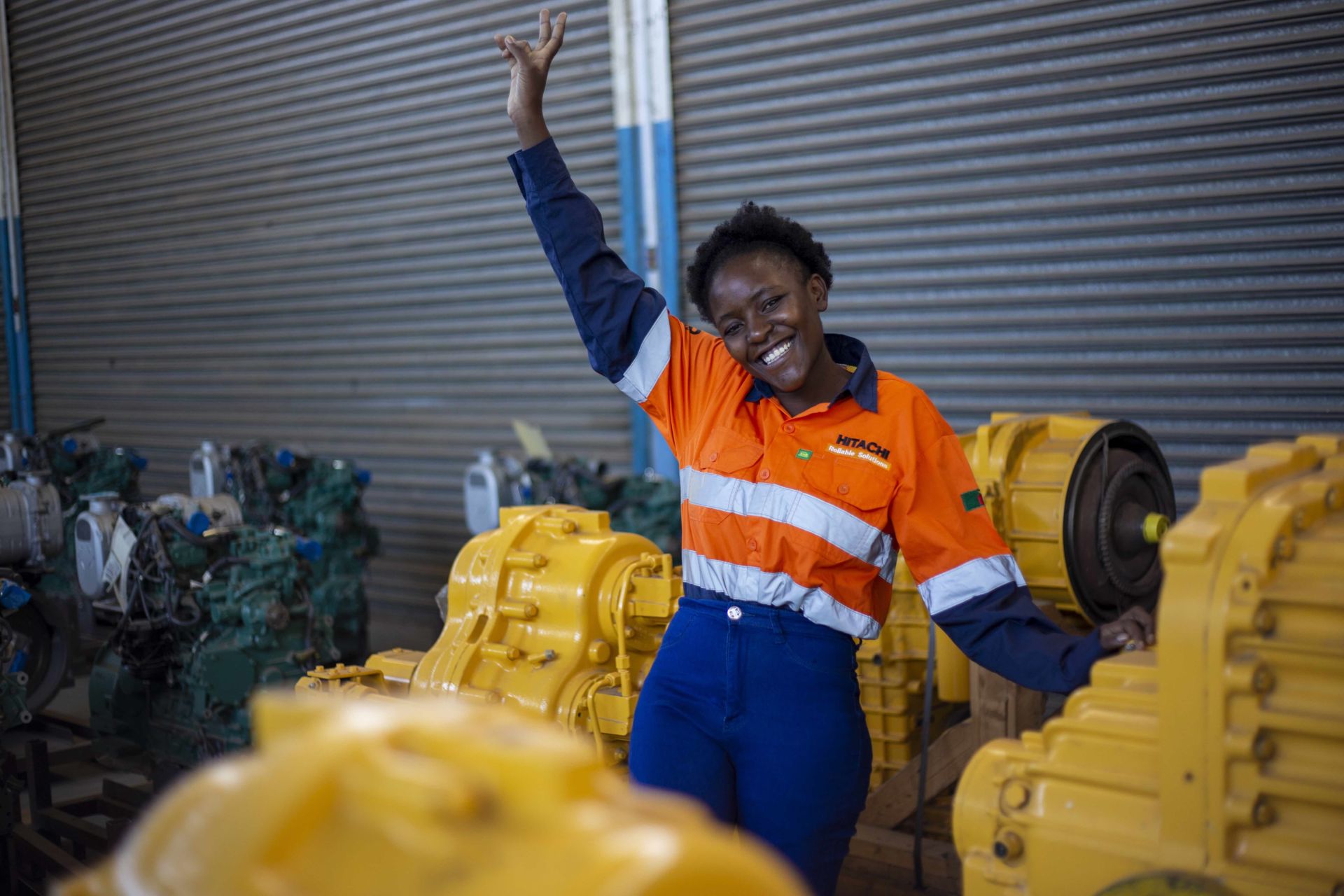
In the Photo: Thandiwe Banda, a UNIDO beneficiary. Photo Credit: ZAMITA Project.

Engaging in the discussion on how we can make Thandiwe Banda’s professional journey a reality for other females is an important step towards boosting progress in equal economic participation and potentially establishing a more encouraging timeline for such.

To participate and contribute to the cause, join UNIDO’s Lab Debate at the 14th edition of the European Development Days (EDD21), which will take place virtually on June 15, 2021, at 16:20 (CEST). The session will explore the effects of private-public partnerships in engaging champions in Technical and Vocational Education and Training (TVET), who represent and advocate for stronger female participation in male-dominated sectors. Our panel of experts will explore the question: can the TVET system be the changemaker in providing industrial skills equally for a more sustainable future?

Click here to register for UNIDO’s Lab Debate at the 14th edition of the European Development Days (EDD21) on June 15, 2021, at 16:20 (CEST).


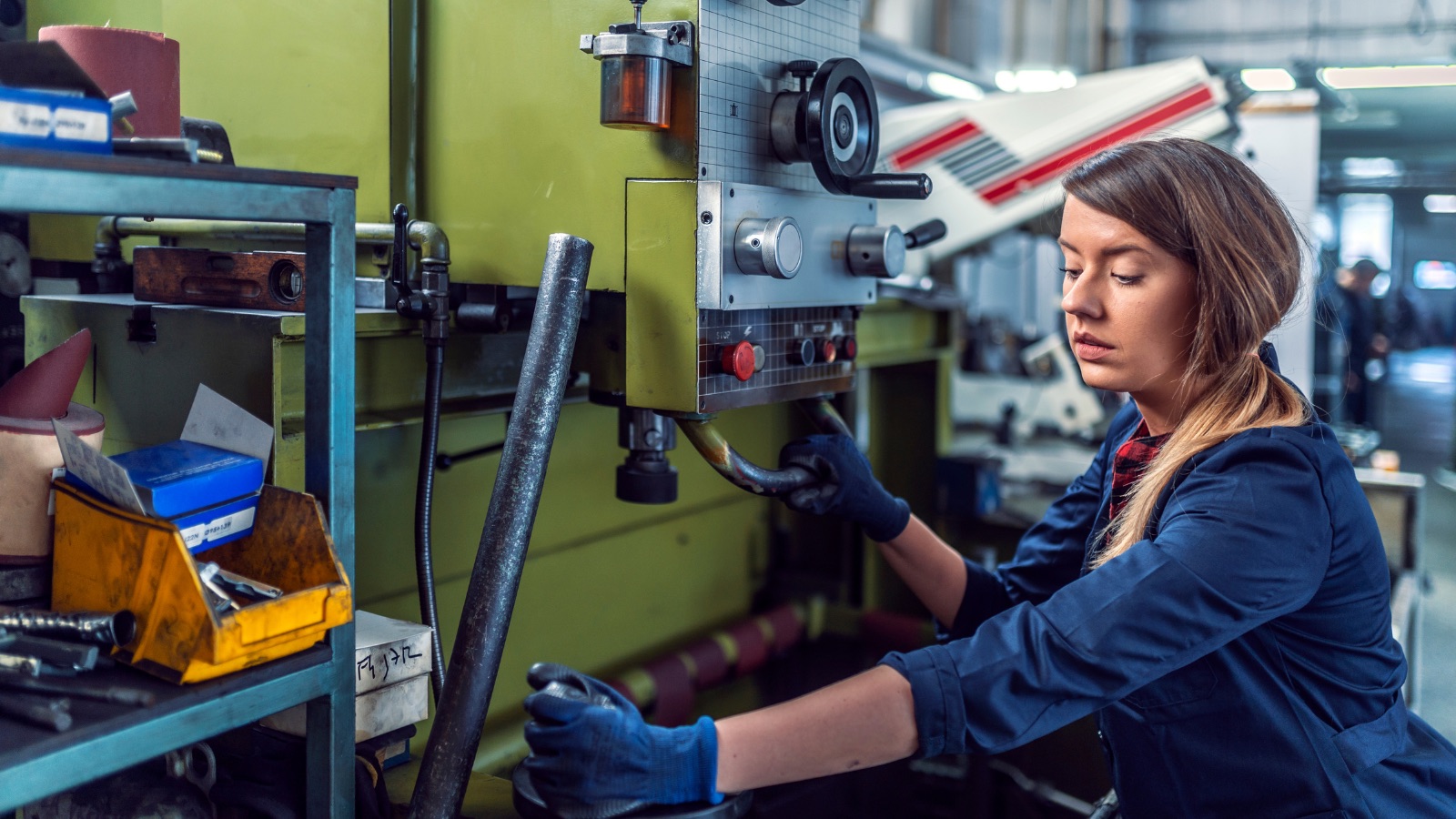
Editor’s Note: The opinions expressed here by Impakter.com columnists are their own, not those of Impakter.com — In the Featured Photo: Female factory worker. — Featured Photo Credit: Stock.



Tags: COVID-19equalityEuropean Development DaysUNIDOUNIDO Lab Debatewomenworkforce
Previous Post

The First Ever Circular Textiles Business Matchmaking Showroom: Tackling Waste Management Solutions in the Fashion Industry

Next Post

G7 Summit: More High Stakes Than Ever – Will it Deliver?

Related Posts

Can Government Efforts to Regulate AI in the Workplace Make a Difference?
AI & MACHINE LEARNING

Can Government Efforts to Regulate AI in the Workplace Make a Difference?

An overview of AI regulations and laws around the world designed to ensure that the technology benefits individuals and society,...

byRichard Seifman - Former World Bank Senior Health Advisor and U.S. Senior Foreign Service Officer
November 21, 2025
One Health
Biodiversity

Why and How to Apply the One Health Concept

One Health can be a complex and sometimes jargon-filled concept. Put simply: "One Health is the collaborative efforts of multiple...

byOne Health Initiative
November 6, 2025
education girls
Education

The World Is Failing Girls. We Must Change the Rules.

In 2025, the systems meant to protect girls are faltering. Global aid is in retreat. Gender rights are being rolled...

byLena Alfi - CEO of Malala Fund
June 30, 2025
From Equality to Equity: Rethinking Feminism in the Modern Workforce
Business

From Equality to Equity: Rethinking Feminism in the Modern Workforce

Feminism is often defined as the pursuit of gender equality. However, equality alone does not necessarily guarantee equal opportunities for...

byYuxi Lim
June 26, 2025
Water women
Equal Rights

Turning Challenges Into Choices: How Access to Safe Water Empowers Women

Working alongside women across Latin America, I have seen how access to safe water reshapes daily life — reducing hours...

byRocio Cavazos - Regional Director, Latin America, Water.org
March 7, 2025
women net zero
Society

Net-Zero Needs Women

Women play a critical but often overlooked role in the transition to net-zero carbon emissions. As the world grapples with...

byDr Sarah Gosper - Deputy Director of the Global Immersion Guarantee Program at Monash Universityand3 others
November 15, 2024
How Prepared Are We for the Next Pandemic?
Health

How Prepared Are We for the Next Pandemic?

While there appears to be no single study that definitively predicts a surge in pandemics, the scientific consensus is clear:...

byAndrej Pavicevic - Managing Editor
October 24, 2024
Avian Flu
Health

On the Verge of a Possible Avian Flu Pandemic

After several years of effort, Pandemic Agreement negotiators deliberating in Geneva at the World Health Organization (WHO) headquarters, were still...

byRichard Seifman - Former World Bank Senior Health Advisor and U.S. Senior Foreign Service Officer
April 5, 2024
Next Post
G7 Summit: More High Stakes Than Ever – Will it Deliver?

G7 Summit: More High Stakes Than Ever - Will it Deliver?

Recent News

SaaS customer acquisition platform

Why Customer Acquisition Matters for SaaS

December 8, 2025
Plastic Can Now Help Spread Diseases

Plastic Can Now Help Spread Diseases

December 8, 2025
ESG news covering EFRAG's new ESRS Knowledge Hub, Bank of England's private equity climate stress test, Singapore's green-power data centre rules, and Amazon's climate dispute with rivals.

Europe Boosts ESG Transparency With New ESRS Knowledge Hub

December 8, 2025
  • ESG News
  • Sustainable Finance
  • Business

© 2025 Impakter.com owned by Klimado GmbH

No Result
View All Result
  • Environment
    • Biodiversity
    • Climate Change
    • Circular Economy
    • Energy
  • FINANCE
    • ESG News
    • Sustainable Finance
    • Business
  • TECH
    • Start-up
    • AI & Machine Learning
    • Green Tech
  • Industry News
    • Entertainment
    • Food and Agriculture
    • Health
    • Politics & Foreign Affairs
    • Philanthropy
    • Science
    • Sport
  • Editorial Series
    • SDGs Series
    • Shape Your Future
    • Sustainable Cities
      • Copenhagen
      • San Francisco
      • Seattle
      • Sydney
  • About us
    • Company
    • Team
    • Global Leaders
    • Partners
    • Write for Impakter
    • Contact Us
    • Privacy Policy

© 2025 Impakter.com owned by Klimado GmbH