UNICEF’s new fictional mini-series, first released on YouTube on November 29, draws attention to child marriage, an issue that affects 650 million girls worldwide. The series aims to offer a platform for the representation of the victims of child marriage as well as being a starting point for discussion and change. We spoke to the series’ main actors, Mouna Loueke who plays Adi, the 14-year-old soon-to-be married girl, and Steve MK Mpoyi who plays Sekou, Adi’s father, to get an insight into how the show aims to empower the voices of those affected by child marriage.
Vaillante tells the story of the painful past of a young woman, Sali, who campaigns against child marriage and whose fate intertwines with the uncertain fate of a soon-to-be-married girl. Both protagonists must overcome family and social adversity in order for their rights to be respected.
The fictional mini-series sheds light on the issue of child marriage in West and Central Africa, the regions with the greatest proportion of child marriage. Although a global phenomenon, the prevalence of child marriage within these regions is at 41%, meaning four out of 10 girls and young women (nearly 60 million) were married before the age of 18. As a result of the COVID-19 pandemic, up to 10 million more girls are at risk of becoming child brides by 2030.
UNICEF aims to raise awareness and spark conversations on the subject in order to better seek solutions for these young girls and women. The world is falling short of its target to eliminate child marriage by 2030. In order to succeed, coordinated action and additional investment is required.
The characters on screen carry viewers into the fictional representation of an extremely prevalent situation. Rather than merely showing audiences facts and figures, viewers are presented with scenes of advocacy, empowerment and hardship, and are asked to consider their own perspective in relation to the issue. In short, the objective is to leverage the well-known power of storytelling in the fight against child marriage.
Empowering minority voices
One of the show’s main aims is to be a vehicle of agency for minority voices. Mouna Loueke says she hopes the series “reaches the people directly concerned by it…because [she] feel[s] like it is a way for them to feel seen, to know that we know what is happening to them, and we’re trying to shed light on it to protect them.”
In demonstrating the empowerment of the voices of child marriage victims on screen, the series provides a platform where the boundary between those who are conventionally “weak” and “powerful” can be collapsed. As Sali says in the first episode, “we need to break gender stereotypes…talk about what girls and women can do for our country…I want every girl to feel like they have a voice”.
Mouna Loueke discusses two ways in which minority voices are empowered throughout the series; two sides of the series’ title “Vaillante”. First, Loueke says it characterises Sali as she is “actively fighting, actively reaching out to younger women. She created a whole platform to give the chance to people to express how they feel.” Sali, a recent social work graduate, is a bold advocate for the rights of child marriage victims. She is perhaps the most obvious choice of character for the description of “vaillante”, defined as courageous in the face of danger.
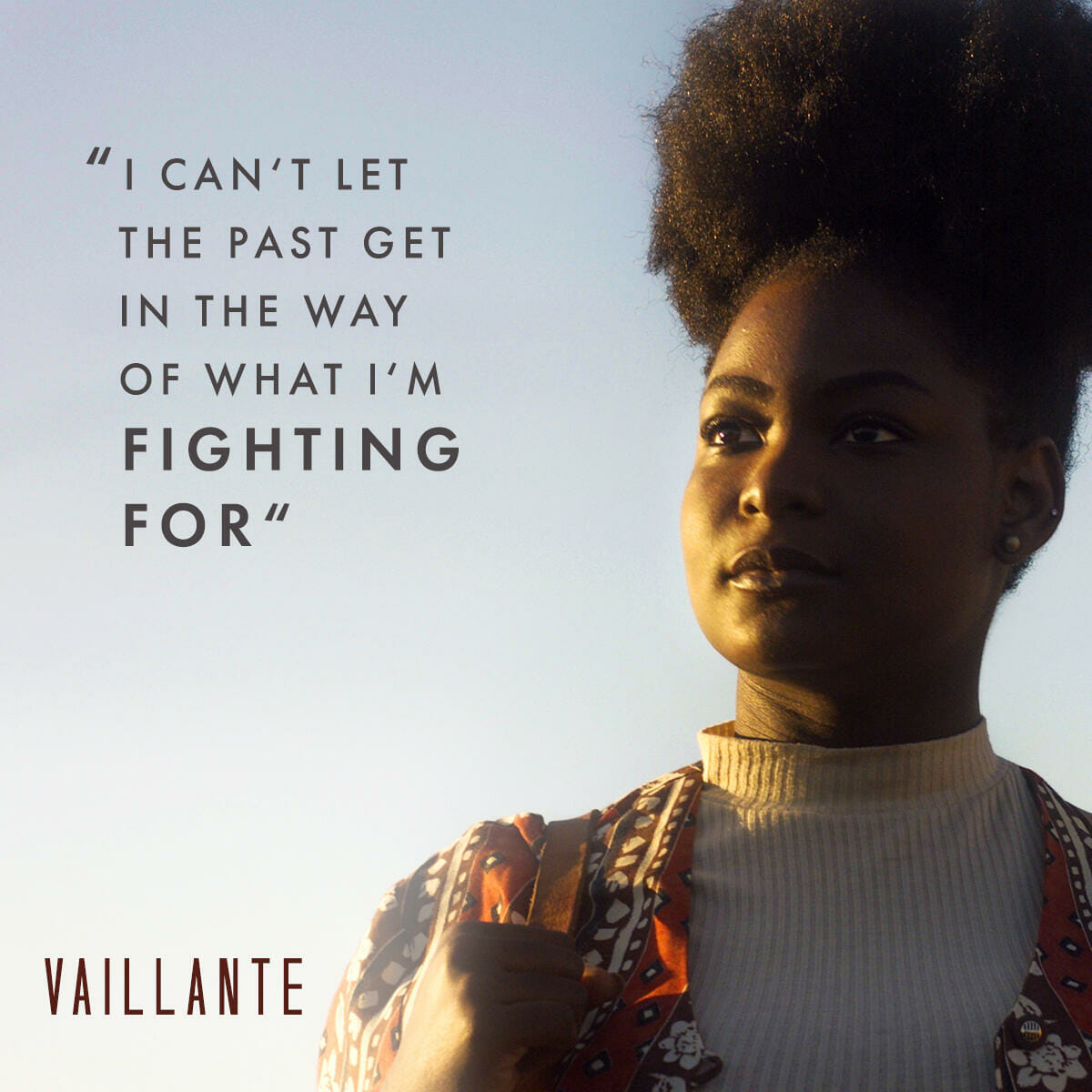
However, as Loueke highlights, Adi’s portrayal as a victim of child marriage is equally representative of the adjective. She is “a 14-year-old girl, who does not just let life happen to her”. Even as she appears helpless in the face of her situation, “she definitely sees further than her village”. As her storyline unfolds on screen, we understand her inner determination to escape her fate…
Child marriage: a vicious cycle
Vaillante shows the multiple consequences of child marriage to both young girls and society as a whole. Families who live in poorer countries and in poverty see marriage as the only way to reduce spending and gain financial security. Young girls are seen as burdens who depend economically on men as a result of their low social, political, and economic status.
Ramatou Toure, Senior Child Protection Specialist in charge of Child Marriage in the UNICEF Regional Office for West and Central Africa, tells us that “at the individual level, young girls are more likely to have health problems, an early unwanted pregnany, a higher number of children in their lifetime, more likely to be victims of violence, and to have low income as adults.” This baggage that comes with child marriage has the most devistating long-term consequences for the future of child marriage victims.
This is a vicious cycle. Steve MK Mpoyi advocates that men “ought to realise that it is not marriage that will solve financial issues, and it is not about letting your daughter marry out of her will that will bring stability.”
Instead, child marriage actually “thwarts efforts to end poverty and achieve economic growth and equity.” Ramatou Toure says that “child marriage is a major obstacle to sustainable development because of its social, cultural, and economic ramifications.”
Mpoyi hopes Vaillante will show “the world that marriage is not the only solution to overcome poverty and financial issues, but by letting them in school as well.”
Education: the cycle breaker
UNICEF draws attention to one of the greatest issues in relation to child marriage: education. Adi is a young girl, determined to be educated, whose hopes and wishes for a brighter future in the city are completely destroyed as she is told she must get married at the age of 14.
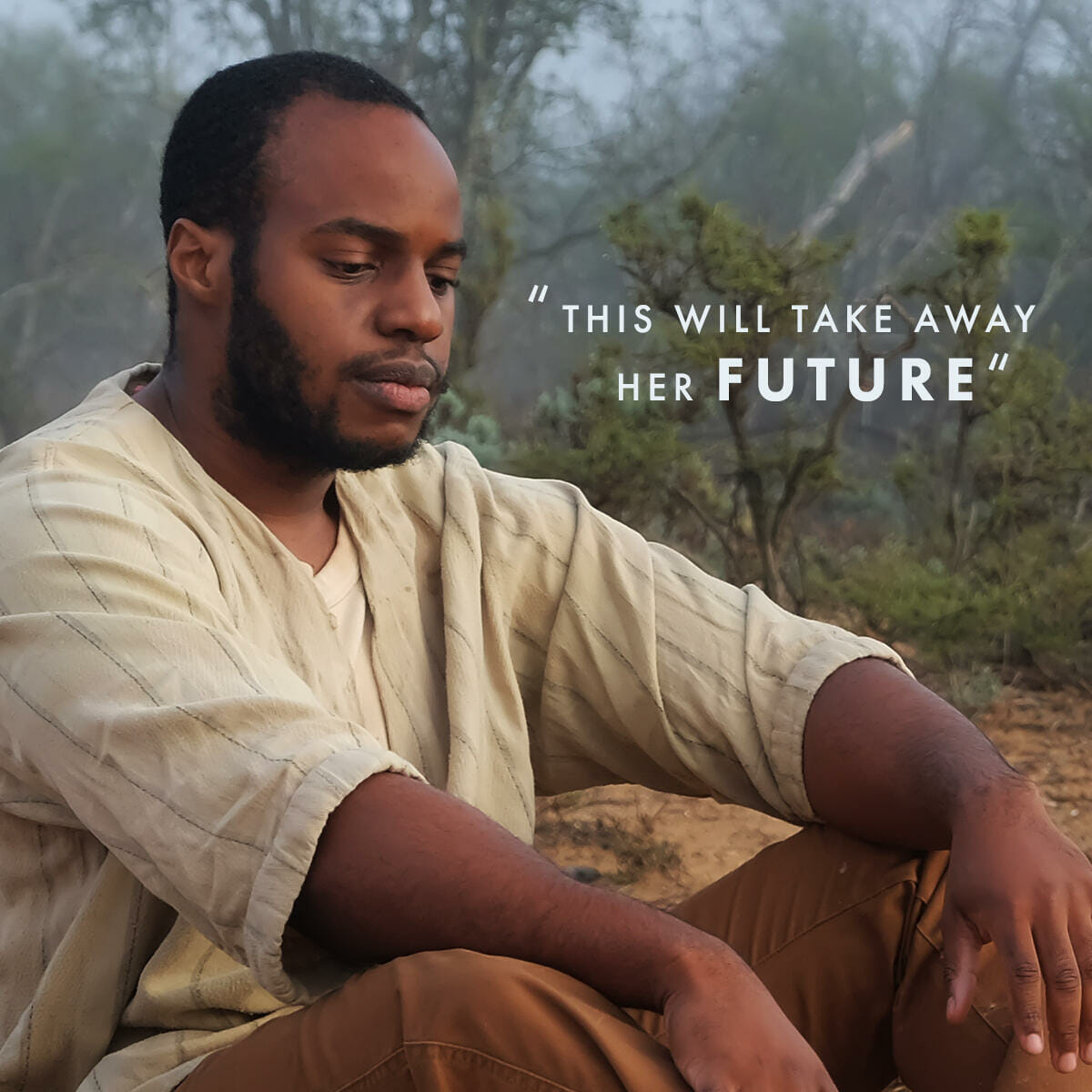
Child marriage is associated with lower levels of schooling for girls in every region of the world and is a huge spanner in the works for development goals. According to the World Bank, “every year that a girl marries early (i.e. before 18) is associated with a reduction in the likelihood of completing secondary school of typically four to 10 percentage points, depending on the country or region.”
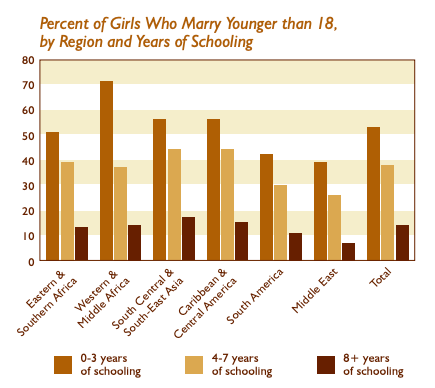
As young girls become wives and mothers, they are expected to take care of the home, children, and extended family. Returning to school becomes almost impossible. Yet, by keeping girls in school, they have a better chance of safety and security, to health and education, and to make their own life choices and decisions.
“Education is how you can really change the world” – Mouna Loueka
Education can truly change the world. Having girls drop out of school is associated with a weaker economy and higher mortality rates. It is, thus, in the interest of developing countries to reverse this cycle.
As Steve MK Mpoyi puts it, “I think education is the only solution that will bring the next generation to understand the value of women.” He adds that “with education, they will understand that they have the power over their own bodies, their lives, rather than putting a man first.”
Spreading the message
The series demonstrates the power of the entertainment industry in disseminating messages and educating the masses.
Sali’s comment, “it’s one thing to read an article about it, but it’s another one when people actually see it”, is hugely significant for UNICEF in covering the seldom discussed issue through the medium of an online series. Indeed, Mouna Loueki discusses the position of “the entertainment world, film, and music as a way of transmitting information.”
Related Articles: Ending Child Marriage: An Urgent Global Challenge | School Crisis in Africa
The position of the entertainment world is also explored closely within the series itself. Sali’s radio interview in the first episode sparks the beginnings of an explosion of conversations around the topic of child marriage. Despite the backlash received on the radio show’s social media, radio presenter Daniel says it himself: “people are talking”.
The radio scenes and diegetic music from the radios are used to link all of the characters to the underlying story about child marriage. In the story, people with many different backgrounds are connected by various radio broadcasts. Similarly, UNICEF hopes that its message about child marriage is able to reach audiences far and wide.
It is thanks to the radio interview in episode one that Sali’s “Speak Out” campaign gains traction. This is clear at the beginning of episode two with Sali’s continuously ringing phone, appearances on TV, and her invitation to speak with the First Lady.
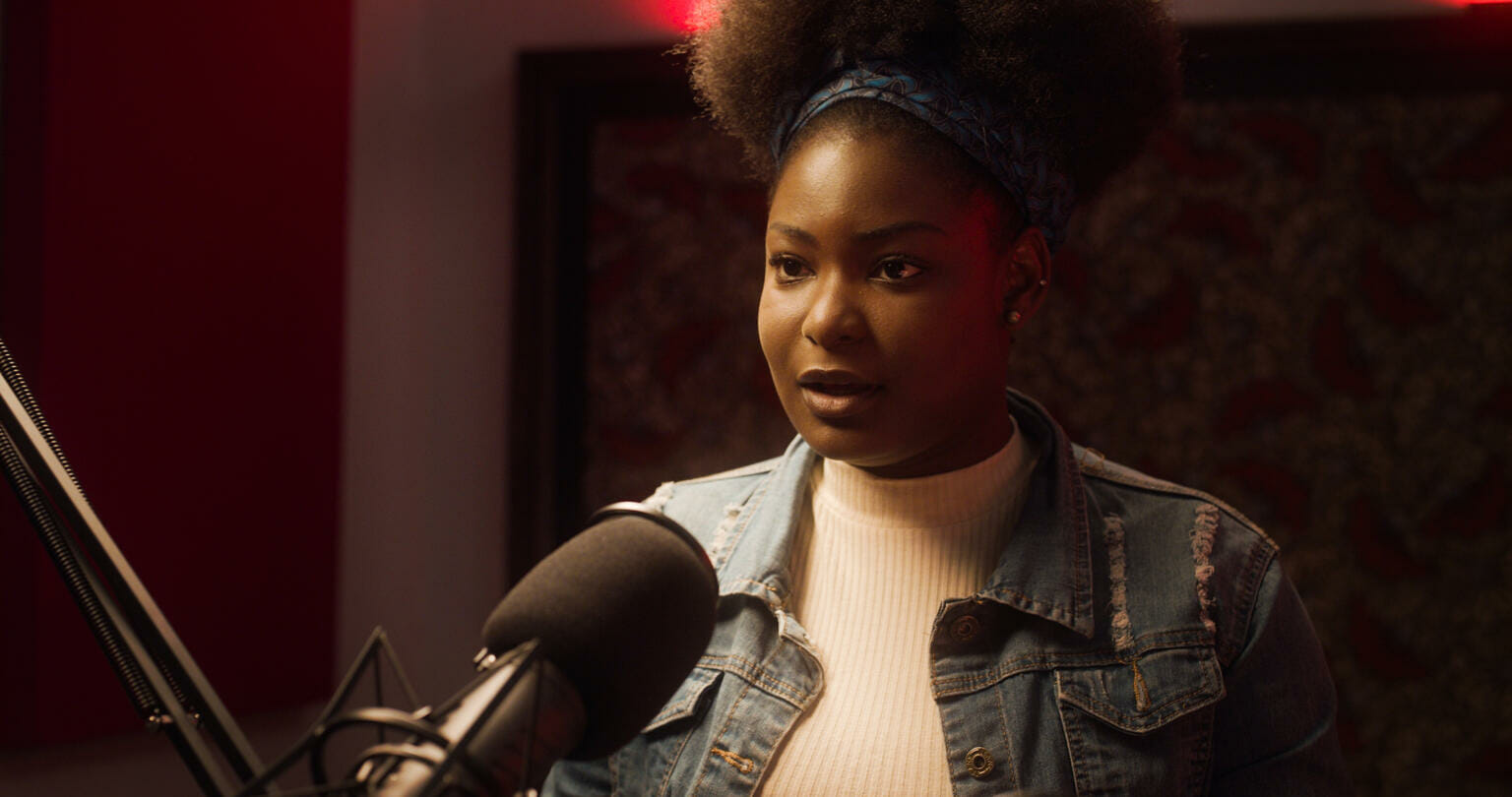
On one level, this reflects Sali’s success as a voice for child marriage victims within the series. On another level, this demonstrates the importance of the media in the real world to raise awareness: the issue must be discussed on a global level and the series must gain as much attention as Sali’s own fictional campaign.
As Mouna Loueke tells us, “this show is a form of education to other people all around the world, and I hope that it reaches people in all walks of life, all ages, because it is something real.”
UNICEF has, as Loueke rightly puts it, succeeded in creating a series that will “really make people think twice about the issue of child marriage, to wake up and realise this is happening.”
It is crucial that we discuss the issue of child marriage, acknowledge its consequences, and come up with solutions. It is of utmost importance that we experience the narrative of Vaillante through a critical lens, as well as sharing the show with friends and family. Only by spreading the word will it be possible to give every young girl and woman a chance to be empowered and regain control over their own bodies, lives, and decisions.
Episode one and two can be viewed on Youtube. The third and last episode will be available on December 13, 2021.
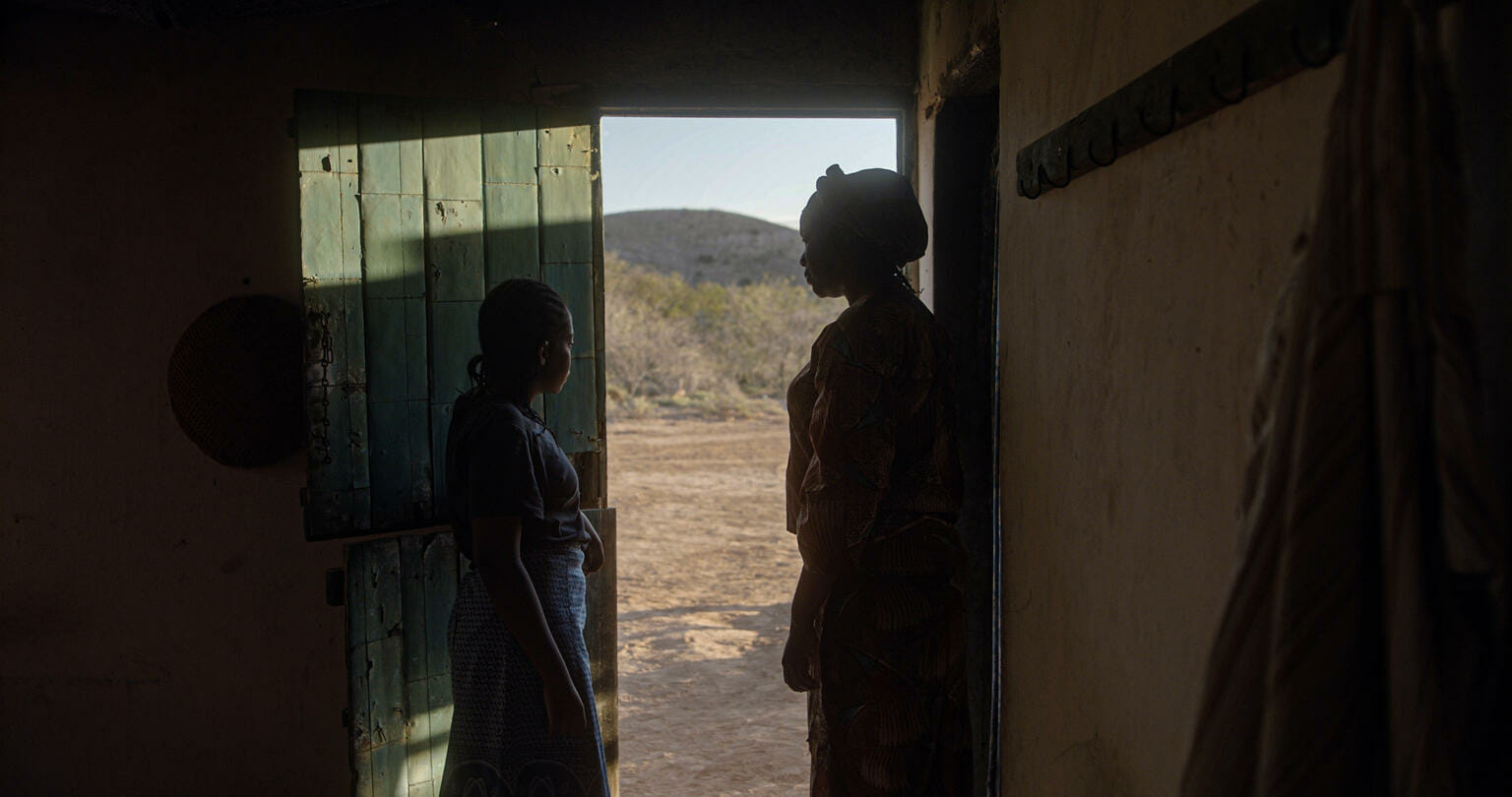
Editor’s Note: The opinions expressed here by Impakter.com columnists are their own, not those of Impakter.com. — In the Featured Photo: Adi and Fatima speaking about Adi’s fear of being married to an older man. Featured Photo Credit: UNICEF.