Today’s ESG Updates
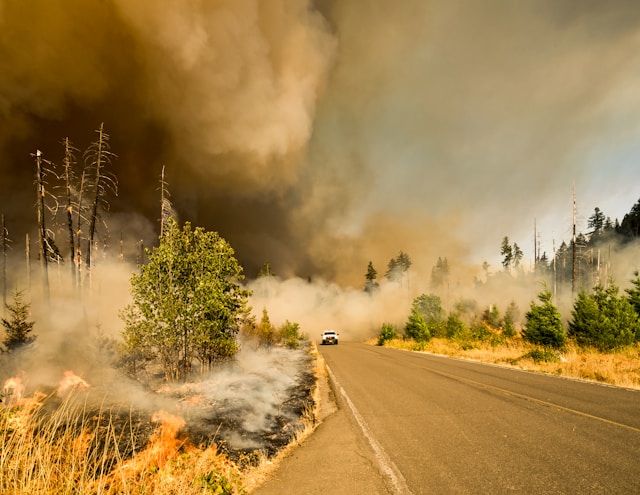
- Uninsured Losses From Natural Disasters Rise: New research shows 62% of global catastrophe losses go uninsured, as insurers retreat from high-risk markets even as industry-wide losses climb.
- South African Researchers Turn Polluted River Into Irrigation Source: A chemical-free filtration system using stones, wood and sand is turning contaminated water into a resource for growing food in a fast-expanding informal settlement.
- Turkmenistan Begins Fixing the World’s Worst Methane Mega-Leaks: The secretive state has plugged eight leaks following international scrutiny, though UN data shows much more remains to be addressed.
- UK Rooftop Solar Savings Climb as Energy Prices Rise, Analysis Finds: Even Britain’s cloudiest regions could save over £400 a year on bills from solar panels, as installation costs fall and demand booms.
Uninsured losses from natural disasters rise
Natural catastrophes are set to cost the world $450 billion in a typical year, with 62% of those losses uninsured; around $279 billion, according to new research from risk-modelling firm Verisk. The gap reflects climate change, urban expansion into risk-prone areas, and rising construction costs, alongside insurers pulling back from high-risk markets even as industry-wide losses keep climbing. Global insured losses have topped $100 billion for six straight years.
The pattern is stark in individual disasters. Myanmar’s March 2025 earthquake caused $12 billion in damage, of which insurers covered less than $100 million, while most of the $1.1 billion in Texas flood losses last July went uninsured since U.S. home policies typically exclude flood coverage. In California, insurer retrenchment has pushed many homeowners onto the state’s Fair Plan of last resort, with State Farm alone declining to renew 72,000 policies. Even as they shed risk, U.S. home insurers have posted strong profits, driven by higher premiums and tighter underwriting.
Klimado – Navigating climate complexity just got easier. Klimado offers a user-friendly platform for tracking local and global environmental shifts, making it an essential tool for climate-aware individuals and organizations.
South African researchers turn polluted river into irrigation source
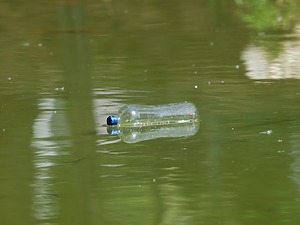
Researchers at the University of Cape Town have turned South Africa’s polluted Stiebeuel River into a usable water source using only stones, heat-treated wood and sand, no chemicals, and powered entirely by solar energy. The Water Hub project in Langrug now treats 36,000 litres of sewage-contaminated water daily, removing about 99% of toxins, with roughly 3,000 litres redirected to irrigate community vegetable gardens feeding residents of a fast-growing informal settlement.
Built in an abandoned wastewater site since 2018, the system filters river water over five days through layers of stone, biochar and sand, only recently achieving bacteria levels safe for irrigation. Lead researcher Kevin Winter, who has worked in the area since 2006 as its population grew from 3,000 to over 26,000, says the model isn’t meant to replace industrial treatment plants but offers a low-cost solution for underserved rural communities. With the Western Cape’s 2018 water crisis still fresh, Winter argues nature-based systems like this will be essential for food and water security as droughts intensify across the region.
Related Articles
Here is a list of articles selected by our Editorial Board that have gained significant interest from the public:
Turkmenistan begins fixing the world’s worst methane mega-leaks

Turkmenistan has begun repairing the methane “mega-leaks” that have made it the world’s worst offender for the potent greenhouse gas, fixing eight leaks by repairing corroded pipes, faulty wells and failing flares, according to the latest UN data. The UN’s Methane Alert and Response System (Mars) called it an “incredible first step,” though far more remains unaddressed. Turkmenistan still had three of the world’s six worst leaks detected in the past six months.
The shift follows Guardian reporting in 2023 that revealed Turkmenistan’s leaks, prompting the previously secretive government to engage with the UN and other partners. It joined the global methane pledge in December 2023. The country has responded to about 20% of Mars alerts sent its way, compared with zero responses from the U.S., Iran, Russia and China despite receiving alerts of their own. Mars programme manager Meghan Demeter called it “a breakthrough” in documented mitigation action, though not yet in overall emissions reduction, noting Turkmenistan’s response rate is “growing month by month.” Globally, Mars alerts have led to 43 leaks being sealed so far, including a nearly 40-year-old leak recently fixed in Algeria.

UK rooftop solar savings climb as energy prices rise, analysis finds
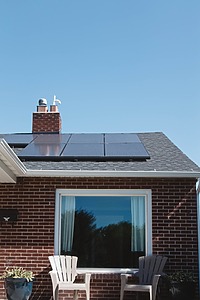
Rooftop solar panels could save even households in Britain’s cloudiest regions over £400 a year on energy bills, according to new analysis for the Guardian by UK solar firm Recharge Renewable. Southern Scotland could save around £440 annually, and north-west England £463, based on generation estimates for Glasgow and Manchester, while sunnier southern England could see savings climb to £571-£618 in Brighton and Southampton.
Rising wholesale electricity prices, driven partly by conflict in Ukraine and the Middle East, alongside falling installation costs, have fuelled a rooftop solar boom, with the UK seeing more new installations in the first half of this year than in any six-month period since 2011. Solar supplied a record 14.4% of Great Britain’s electricity in July amid summer heatwaves. Still, a typical 4kW system costs about £7,000 even after VAT removal, putting it out of reach for many lower-income households, prompting calls for government support. Newly available plug-in solar panels now offer an alternative for those without suitable roof space.
Editor’s Note: The opinions expressed here by the authors are their own, not those of impakter.com — Cover Photo Credit: Marcus Kauffman