

Today’s ESG Updates
- UK Weighs Vehicle-to-Grid Perks for Carmakers: Ministers weigh credits for carmakers that add V2G tech to EVs, but campaigners warn the plan could allow more petrol car sales.
- Jakson Solar Plans Up to $525 Million for Indian Solar Cell and Wafer Plants: The firm aims to commission 3 GW of cell capacity by December 2027 and plans 3 GW of ingot and wafer capacity by the third quarter of fiscal 2028.
- IEA Flags Clean Energy Supply Chains as a New Challenge for Southeast Asia: Fatih Birol says ASEAN power demand is up at twice the pace of total energy use, and that geopolitics now weighs on energy markets more than ever in his career.
- Germany’s IKI Plans New Large Grants Call at Cop 31: Each project can receive €7mn-15mn over up to eight years, and the call closes on 9 February.
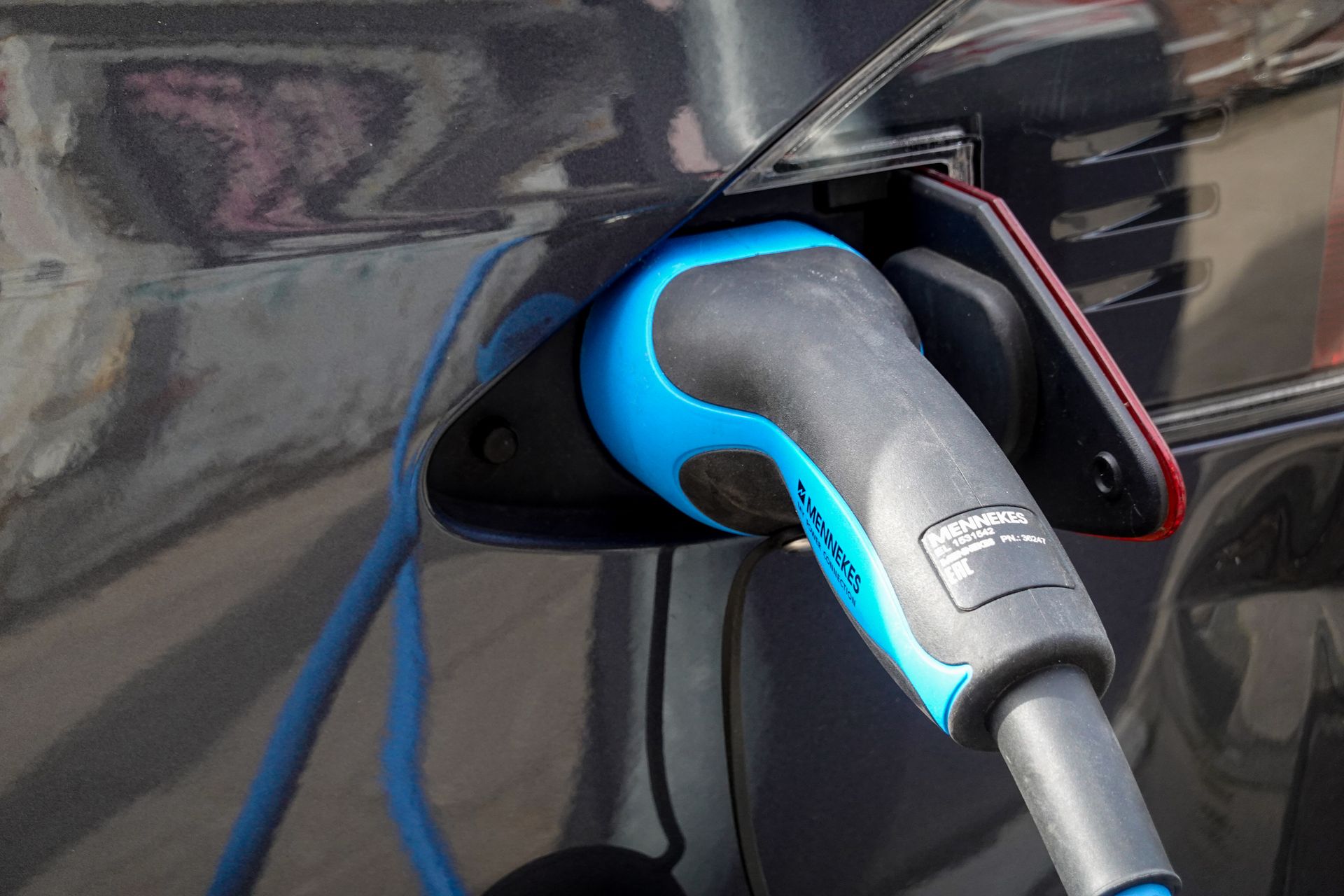
Vehicle to grid: UK eyes new perks for carmakers
The UK government may reward carmakers that fit electric cars with vehicle-to-grid (V2G) technology. Ministers will consider this as part of their review of the zero-emission vehicle (ZEV) mandate.
V2G lets a car charge when power is cheap, then send some back to the grid when demand peaks. The same tech can also power a home. Widespread use could balance supply on calm, dark days and cut reliance on costly gas plants.
A consultation that closed last Friday outlines a credit for each V2G car sold. That credit could cover one extra petrol car sale without a fine if the maker misses ZEV targets.
Campaigners warn the credits could put more petrol models on the road. Ben Nelmes of New AutoMotive said carmakers should earn rewards only if drivers use V2G, so that motorists and billpayers gain, not shareholders.
Klimado – Navigating climate complexity just got easier. Klimado offers a user-friendly platform for tracking local and global environmental shifts, making it an essential tool for climate-aware individuals and organizations.
Jakson Solar plans a $525 million boost to India’s solar cell and wafer output
India’s Jakson Solar plans to invest up to 50 billion rupees ($525.2 million) in new solar cell and ingot-wafer plants, each with 3 gigawatts (GW) of capacity. Managing Director Ivan Saha shared the plan on the sidelines of the Renewable Energy India Expo.
The firm aims to commission the cell plant by December 2027. It plans to set up the ingot and wafer unit by the third quarter of fiscal year 2028. Both will mainly serve the merchant market. Jakson already has a 1.2 GW module plant, and it has secured equipment tie-ups.
Saha said a home-grown solar supply chain is necessary to avoid potential supply shocks. India relies on solar power to reach its 2070 net-zero target and already needs domestic modules and cells. A government framework would extend local-content rules to ingots and wafers from June 1, 2028, to cut import dependence on China.
Related Articles
Here is a list of articles selected by our Editorial Board that have gained significant interest from the public:
IEA flags clean energy supply chains as a new challenge for Southeast Asia
International Energy Agency (IEA) head Fatih Birol said on Tuesday that the concentration of clean energy supply chains in a few countries is a new challenge for Southeast Asia. He spoke at the Singapore International Energy Week conference.
Birol did not name any countries, but China is by far the top supplier of solar panels, wind turbines, EVs, and batteries. Ember says Southeast Asian nations have spent over $20 billion on Chinese clean tech so far in 2026.
Power demand in ASEAN countries is up at twice the pace of total energy use, driven by factory electrification, air conditioners, EVs and data centers.
Birol said geopolitics weighs on energy markets more than ever in his career, so energy security will matter more. He said the Middle East war has lifted solar, coal, nuclear and EV uptake. He said diesel prices are up about 200% and LNG prices are up about 250% from pre-war levels.

IKI large grants: Germany plans a new climate funding call at COP31

Germany’s environment ministry plans to launch a new annual “large grants” call through its International Climate Initiative (IKI) at the UN COP 31 summit in Antalya, Turkey, next month.
Each project can receive €7 million-15million over up to eight years. Consortia of organisations or companies may apply, and the call closes on February 9. It will have nine priority areas, four named so far: private sector climate adaptation and marine carbon sink protection.
The annual “medium grants” call, launched in 2020, gives €300,000-800,000 per project over 2-3 years and mainly targets NGOs and academic institutions. The 2026 call was announced on October 13 and closes on January 12.
IKI funds can pay for early preparatory work on projects under the UN’s Paris Agreement credit mechanism (Pacm). Start-up money for pilot projects with costly technology requires that the emissions savings count towards the host country’s nationally determined contribution (NDC).
Editor’s Note: The opinions expressed here by the authors are their own, not those of impakter.com — Cover Photo Credit: Magda Ehlers