

This article is part of Food Diplomacy Perspectives, an editorial series produced in partnership with the FoodDiplomacy Network. Read the introduction to the series here.
Long before diplomats spoke of food systems, nations used food to pursue power. States have used agricultural trade, control over food supplies, access to markets, and food assistance to advance strategic interests, strengthen alliances, and exercise leverage over adversaries. Yet food’s potential as an intentional instrument of cooperative statecraft remains insufficiently developed.
I have seen both faces of this instrument. As U.S. Ambassador to the UN Agencies for Food and Agriculture in Rome, and later as Executive Director of the World Food Programme, I watched food withheld, blocked, and bargained over as leverage. I also watched negotiated access, functioning markets, and patient investment sustain communities through crisis. The difference between those outcomes was rarely the availability of food. It was the choices states and non-state actors made about how to use it.
The international order is experiencing renewed geopolitical competition, economic fragmentation, and growing concern over strategic dependencies. At the same time, climate change, conflict, and disruptions to global trade are exposing vulnerabilities across food systems. These disruptions also reveal the economic consequences of underinvestment in the infrastructure and enterprises on which reliable food access depends.
Governments are responding by seeking greater economic security and strategic food-system autonomy. Yet no country can independently manage all the risks affecting its food system. National resilience increasingly depends on the reliability of relationships and institutions beyond national borders.
These circumstances demand that we reconsider the place of food within the practice of diplomacy. I propose that cooperative food diplomacy be developed as a deliberate instrument of statecraft through which nations align diplomatic engagement, public policy, and private capital to advance strategic interests, transform shared food-system vulnerabilities, and strengthen the economic conditions that support peace and prosperity.
My argument is not that food cooperation can overcome geopolitical rivalry or that investment necessarily produces peace. It is that the deliberate organization of cooperation across food systems can offer governments another means of pursuing national interests while creating shared economic benefits and reducing vulnerabilities that threaten national, regional, and international stability.
From food as leverage to food as cooperation
Food has historically served both as an instrument of influence and as a source of strategic vulnerability. States have employed trade preferences, food assistance, export and import restrictions, as well as conditional access to agricultural resources to advance political and economic objectives.
The question before us is whether governments will employ food-related cooperation with the same strategic intentionality they have long brought to food as leverage. International relations scholarship provides a foundation for this possibility. Economic statecraft recognizes the use of economic instruments to pursue foreign policy objectives. Institutional approaches demonstrate how agreements can facilitate cooperation among states with competing interests. Scholarship on weaponized interdependence also warns that unequal economic relationships can become sources of coercion.
Cooperative food diplomacy must take all three realities seriously. It cannot assume that interdependence is inherently beneficial. Rather, its objective should be to create relationships that advance recognizable national interests while reducing vulnerabilities to coercion and establishing incentives for continued cooperation. The structure of investment and the distribution of economic benefits are part of that diplomatic calculation.
Cooperative food diplomacy therefore treats food systems not only as something successful diplomacy secures, but as a space where diplomacy is actively practiced.
Diplomacy, public policy, and private capital
The distinctive opportunity lies in the deliberate alignment of three instruments: diplomacy, public policy, and private capital.
Diplomacy enables governments to negotiate shared interests, establish commitments, coordinate cross-border relationships, and manage competing priorities.
Public policy creates the regulatory, institutional, and financial conditions necessary for cooperation to function. Trade agreements, investment protections, infrastructure policy, standards, and appropriately designed public risk-sharing arrangements influence whether productive investment is feasible and whether benefits can be sustained.
Private capital finances and operates much of the productive capacity through which food systems function. Investment in processing, storage, logistics, distribution, retail, technology, and agricultural enterprises determines whether markets are reliable, resilient, and capable of meeting consumer needs.
These instruments are individually familiar. Their intentional alignment around diplomatic objectives is the central proposition of cooperative food diplomacy. Finance matters in this alignment because negotiated commitments must be matched by investment in the productive capacity that makes cooperation durable.
Consider a region in which neighboring countries face recurring climate shocks, fragmented agricultural markets, and dependence on distant suppliers for essential food products.
A cooperative food diplomacy strategy would begin with the strategic interests of the participating states. Governments might negotiate arrangements to improve regional trade, coordinate infrastructure and regulatory policy, and establish conditions that attract private investment in processing, storage, and distribution.
Private capital, in this formulation, is neither an afterthought nor a substitute for government responsibility. It is a means through which diplomatic agreements and public policy can create lasting economic capabilities.
This lesson comes from practice, not only theory. The Farm to Market Alliance, a consortium of the World Food Programme and public and private partners, has worked in Kenya, Rwanda, Tanzania, and Zambia since 2015 to link smallholder farmers with commercial buyers, input suppliers, and lenders. It has engaged more than 150,000 farmers, drawn in 60 local private-sector partners, and generated US$17 million in crop purchases by commercial buyers. In my subsequent work financing food enterprises, I have seen the same principle from the investor’s side: capital follows policy certainty, and durable enterprises follow capital.
Equally important, private investment must be assessed according to its consequences. Investments that reinforce concentrated market power, create new dependencies, or transfer disproportionate risks to the public sector may undermine the very resilience they are intended to support. The question is not only how much capital is mobilized, but what economic relationships and capabilities it finances.
The strategic value of food-system resilience
Food-system resilience has traditionally been understood through agricultural production, emergency preparedness, and the capacity to withstand shocks. A statecraft perspective requires a broader understanding. A nation’s resilience also depends on the enterprises and infrastructure that connect production to consumption, the diversity of its commercial relationships, and its ability to maintain access to essential food supplies during periods of disruption.
These capabilities are shaped by investment decisions, access to finance, market structures, and the relationships among governments and private economic actors. A country dependent on a narrow range of suppliers, transport corridors, or processing facilities may face strategic vulnerabilities even when food is available in global markets.
Related Articles
Here is a list of articles selected by our Editorial Board that have gained significant interest from the public:
Conversely, negotiated cooperation that diversifies supply relationships, strengthens regional productive capacity, and establishes reliable commercial institutions may improve national food-system resilience while creating opportunities for mutual economic benefit. This is particularly important as climate disruption and geopolitical competition increase the costs of fragile dependencies.
Food diplomacy will not eliminate these risks, but governments may be able to manage them more effectively when diplomatic strategy, economic policy, and investment are deliberately coordinated.
From economic cooperation to peace
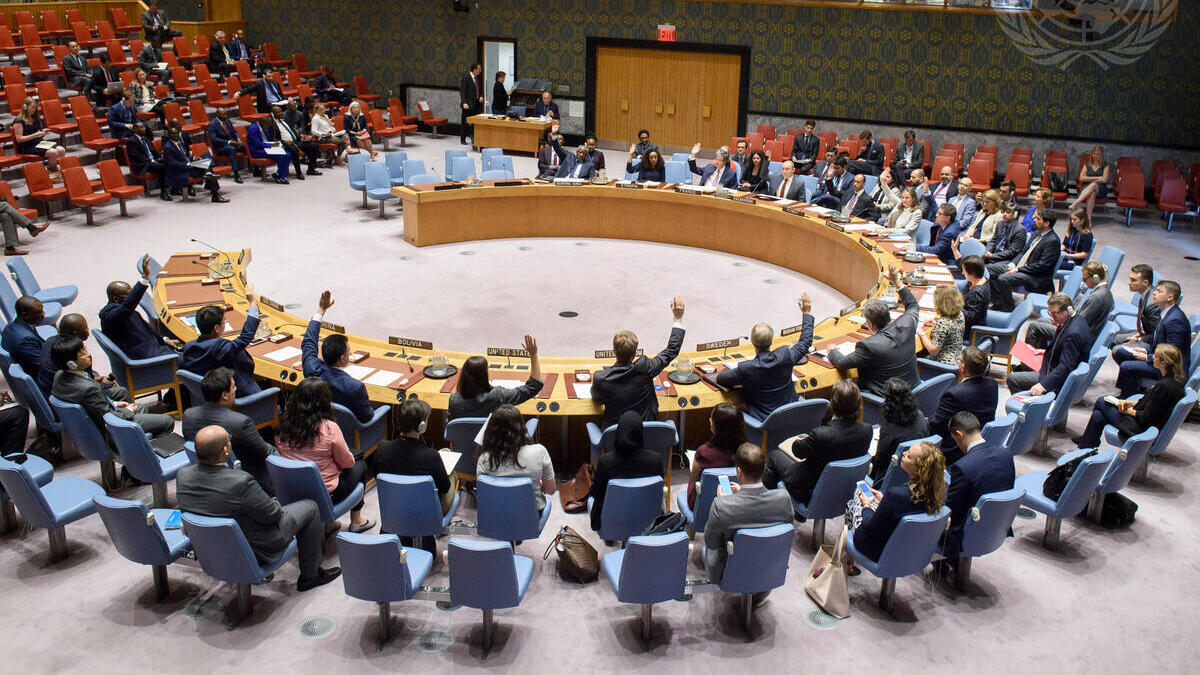
In 2018, the UN Security Council unanimously adopted Resolution 2417, recognizing the link between armed conflict and hunger and condemning the starvation of civilians as a method of warfare. That resolution addressed food as a casualty and a weapon of conflict. Its logical complement is to ask how food-system cooperation can help build the conditions for peace.
The relationship between food-system cooperation and peace must be approached with caution. Food-related trade and investment do not necessarily prevent conflict. States may maintain extensive economic relationships while pursuing competing strategic objectives. Nor can food-system investment substitute for political settlements, legitimate governance, or effective security institutions. The potential contribution of cooperative food diplomacy is more specific. Where negotiated arrangements create reciprocal benefits, reduce material vulnerabilities, and establish credible institutions for managing shared interests, they may strengthen incentives for continued cooperation between states.
Where private investment creates productive enterprises, employment, and reliable markets, it may reinforce the economic value of these relationships between states. These effects are conditional. Their significance depends on the distribution of benefits, whether financing supports enterprises able to outlast any single agreement, the credibility of commitments, the interests of participating governments, and the resilience of the institutions involved.
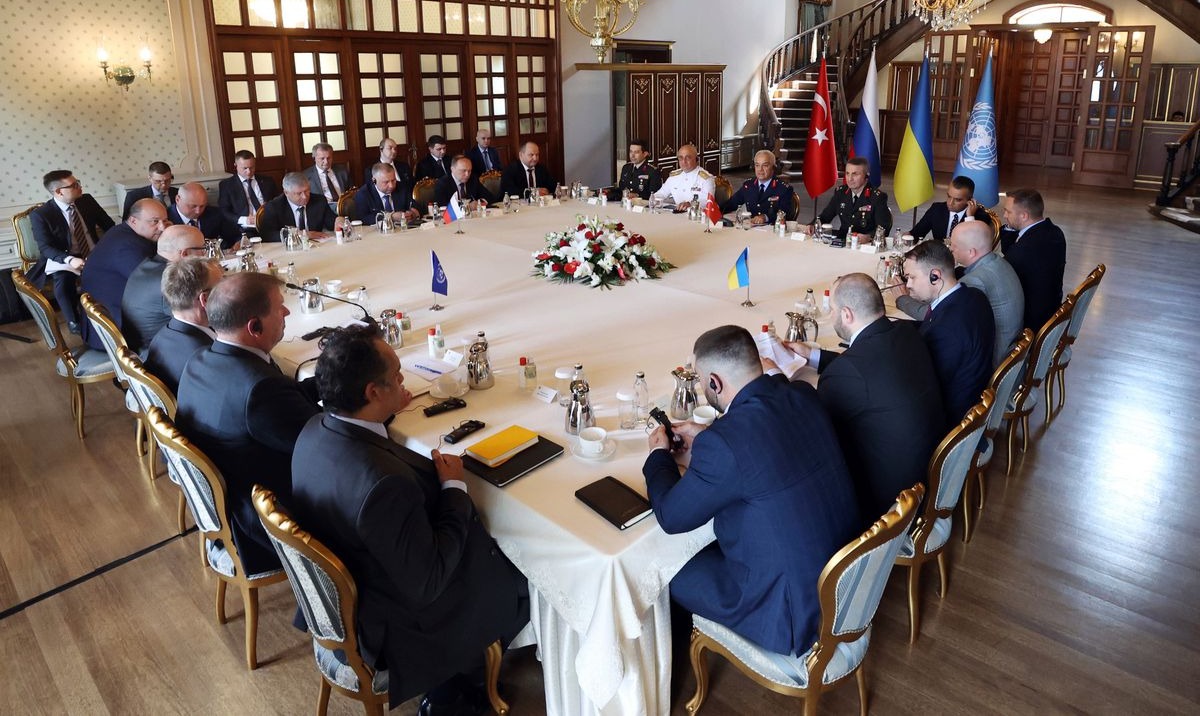
The Black Sea Grain Initiative illustrates both the promise and the limits. Brokered by the United Nations and Türkiye in July 2022, it reopened Ukrainian grain exports while the parties remained at war, easing pressure on global food markets. It ended in July 2023 when Russia withdrew. Food diplomacy can create space for cooperation even between adversaries; sustaining it requires that each party continue to see value in the arrangement.
A serious research agenda should therefore examine not merely whether food-related agreements attract investment, but whether the resulting economic relationships influence diplomatic behavior, reduce strategic vulnerabilities, and endure during periods of political tension, and how the structure of financing shapes each of these outcomes. Together, these questions form the test that distinguishes food diplomacy as statecraft from food-system development undertaken for other purposes.
Conclusion
Food is already an instrument of geopolitical power. Its use as an intentional instrument of constructive cooperation deserves comparable attention. Cooperative food diplomacy offers a framework through which governments can align diplomatic engagement, public policy, and private capital around shared strategic interests, with finance helping translate commitments into durable economic and political capacity.
The promise of cooperative food diplomacy rests on the possibility that states can deliberately construct economic relationships and institutions that make cooperation valuable, reduce shared vulnerabilities, and support more stable international relationships. In an era of geopolitical fragmentation and climate disruption, the question is not simply how diplomacy can respond to food insecurity.
It is whether food systems can become a more deliberate instrument of diplomacy itself, and whether the strategic alignment of public policy and private capital can help transform shared vulnerabilities into foundations for peace and prosperity. I spent my years at the World Food Programme responding to hunger that diplomacy had failed to prevent. The next generation of statecraft must ask a different question: not only how to feed people when relationships break down, but how to build the food relationships that keep them from breaking. That is the work I invite governments, investors, and scholars to take up, and it is why I joined the Food Diplomacy Network.
Editor’s Note: The opinions expressed here by the authors are their own, not those of Impakter.com