

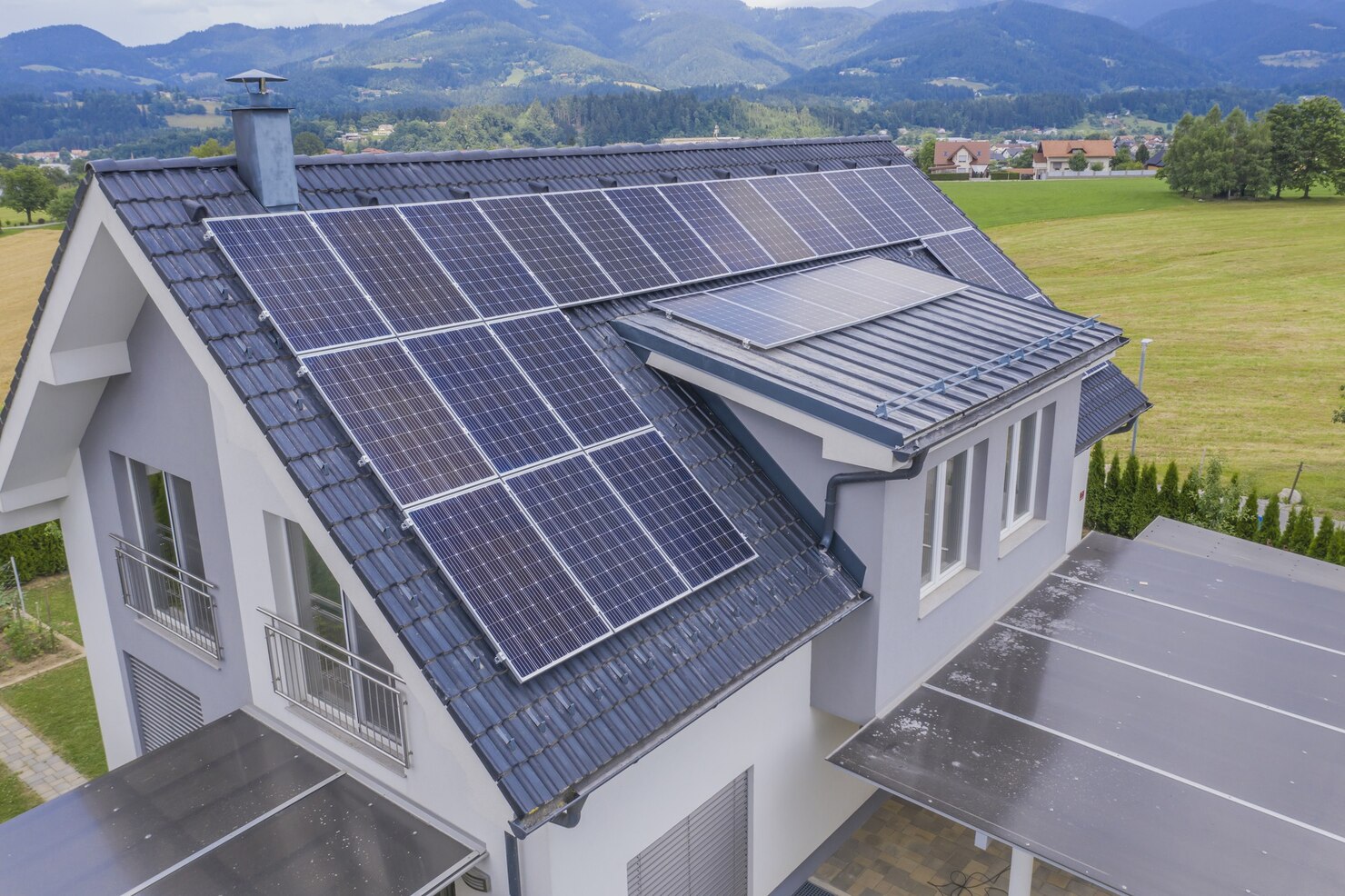
The way people think about household energy is changing. Rising electricity needs, extreme weather, and growing interest in renewable resources have encouraged homeowners to look beyond traditional power sources. Solar energy has become an important part of this shift, offering opportunities to generate electricity locally, store energy for later use, and prepare for certain power interruptions.
However, the benefits of residential solar extend beyond installing panels on a roof. A well-planned energy system can combine solar generation, battery storage, and efficient appliances to support everyday life while reducing dependence on the electricity grid.
Why Energy Resilience Matters
Modern homes depend on electricity for almost everything, including lighting, refrigeration, communication, heating, and working remotely. When the grid experiences an outage, even a short interruption can create inconvenience. Longer outages may affect food storage, internet access, and other essential activities.
Energy resilience means having practical ways to manage these disruptions. For some households, that may involve improving energy efficiency and keeping backup batteries available. Others may invest in rooftop solar paired with battery storage or a hybrid inverter.
The right approach depends on local weather conditions, household consumption, budget, and the reliability of the existing electricity supply. No single system suits every property, but understanding the available options is a useful first step toward greater energy independence.
Solar Power Is Changing the Residential Energy Landscape
Solar panels convert sunlight into electricity that can be used immediately or, in suitable systems, stored for later use. During daylight hours, a household may use solar-generated electricity to operate appliances, charge devices, or support other daily activities.
When production exceeds immediate demand, surplus electricity may be exported to the grid if the installation and local utility rules allow it. Alternatively, a compatible battery system can store some of that energy for evening use or backup power.
These arrangements offer different advantages. Grid-connected systems can help offset electricity consumption, while battery-equipped systems provide additional flexibility when solar generation falls or the grid becomes unavailable.
It is important to remember that ordinary grid-connected solar systems generally shut down during a grid outage for safety reasons. Backup operation requires appropriately designed equipment and approved electrical configurations.
The Role of Solar Kits in Household Energy Planning
Solar technology has become more accessible partly because equipment is available in packages designed for different applications. A solar kit may include panels, a charge controller, wiring, mounting components, or other equipment, depending on the package.
Some kits are designed for small off-grid applications, such as cabins, sheds, RVs, and outdoor activities. Others are intended for larger installations and may require separate inverters, batteries, protection equipment, and professional installation.
The components included in a package matter as much as its advertised capacity. A panel-only package, for example, does not necessarily provide everything needed to power household appliances. Buyers should confirm the system’s voltage, output, compatibility, and installation requirements before making a purchase.
For homeowners interested in building a more flexible energy setup, modular equipment can also provide room for future expansion. However, additional panels and batteries must remain within the system’s electrical and manufacturer specifications.
Turning Sunlight Into Reliable Household Power
Solar production varies throughout the day and across the seasons. Cloud cover, shading, panel orientation, temperature, and available daylight all influence how much electricity a system generates.
This variation makes energy planning especially important. A solar panel kit can provide a useful starting point, but its rated wattage alone does not reveal how much electricity it will produce in a particular home.
For example, a household that consumes substantial electricity after sunset may benefit from battery storage, while a household with significant daytime consumption may use a larger proportion of its solar generation directly.
The distinction between power and energy is also worth understanding. Watts describe the rate at which a device consumes or produces electricity, while watt-hours measure the amount of energy used or generated over time. Both measurements help determine whether a system can support the intended appliances.
Estimating daily energy consumption before purchasing equipment can prevent costly mismatches between household requirements and system capacity.
Why Battery Storage Adds Flexibility
Solar panels generate electricity when sufficient sunlight is available, but household demand does not always follow the same schedule. Battery storage helps bridge this gap by retaining energy for later use.
During an outage, a suitable battery system may keep selected appliances operating, provided the installation includes the necessary backup functionality. Depending on the battery and inverter capacity, essential loads might include lighting, communication equipment, a refrigerator, or a home office setup.
Battery capacity should be matched to the expected duration of backup and the appliances being powered. Inverter output is equally important because some appliances require a brief surge of power when starting.
Homeowners should also consider battery chemistry, operating temperature, warranty coverage, and the manufacturer’s recommended installation conditions. Batteries need appropriate protection and should be installed according to applicable electrical and fire-safety requirements.
Solar Solutions for Different Types of Homes
Residential energy requirements vary significantly. A small property with modest electricity consumption may have very different needs from a larger home with air conditioning, electric cooking, or high-power heating equipment.
For some households, rooftop panels connected to the grid may be sufficient to reduce purchased electricity. Others may prefer a hybrid arrangement that combines grid access with battery storage and backup capability.
A solar panel kit For Home can be part of a residential energy project, but the correct configuration depends on the intended application. Small kits may suit limited loads, while whole-home systems typically require more detailed electrical planning, suitable inverters, protection equipment, and potentially professional installation.
Roof condition, available space, local regulations, utility requirements, and shading should all be considered before installation. Where rooftop solar is unsuitable, ground-mounted panels or other approved arrangements may provide alternatives.
The Importance of Equipment Quality and Long-Term Support
A solar investment should be evaluated over its expected service life rather than its initial price alone. Product efficiency, component compatibility, warranty terms, repair options, and technical support can all affect the overall experience.
Homeowners researching solar equipment may come across suppliers such as Signature Solar when comparing inverters, batteries, and related products. The key is to evaluate the specific equipment against the project’s requirements rather than assuming that every product or package will suit every installation.
Independent product testing and customer feedback can provide additional context. When reading Signature Solar Reviews or reviews of other suppliers, look for recurring patterns involving product performance, delivery, warranty support, and issue resolution. Confirm important claims through product documentation and warranty terms wherever possible.
Installation quality also deserves attention. Even reliable equipment may perform poorly if the system is incorrectly sized, poorly positioned, or installed without suitable electrical protection.
Small Changes Can Support a More Resilient Home
Solar generation is only one part of an effective household energy strategy. Improving insulation, replacing inefficient lighting, maintaining appliances, and reducing unnecessary electricity consumption can help lower demand.
Smart monitoring systems may also help homeowners identify when electricity is being generated and consumed. Shifting flexible activities, such as running certain appliances, to periods of strong solar production can increase the direct use of locally generated electricity.
For backup planning, it is useful to identify essential appliances in advance. Prioritising a refrigerator, communication devices, lighting, and necessary equipment can make a smaller backup system more practical than attempting to power every appliance during an outage.
These measures work together: reducing energy demand can make a solar and battery installation more affordable and extend the time that stored energy remains available.
A More Resilient Future Starts With Better Energy Decisions
The transition toward residential solar is about more than generating electricity from sunlight. It is also an opportunity to reconsider how homes consume, store, and manage energy.
By understanding household demand, evaluating suitable equipment, and planning for changing conditions, homeowners can build systems that better match their needs. Some may begin with a modest solar installation, while others may invest in integrated solar and battery solutions.
There is no universal formula for energy resilience. The most effective approach combines realistic expectations, appropriate technology, efficient energy use, and safe installation practices. With careful planning, renewable energy can become a meaningful part of a home’s long-term energy strategy.
Editor’s Note: The opinions expressed here by the authors are their own, not those of Impakter.com — In the Cover Photo: Rooftop solar panels can help homeowners reduce grid dependence and build greater household energy resilience. — Photo Credits: Wirestock