
Today’s ESG Updates
- Shell Concerned Over IMO Delays on Green Bunker Rules: Shell warns that delays to global shipping emissions rules risk stalling cleaner-fuel investment.
- New Climate Finance Pledges Thin at COP 31: New climate finance pledges at COP31 remain scarce as wealthy countries prioritise existing commitments amid budget pressures.
- Indonesia President Prabowo Orders Greater Share of Mining Benefits for the State: President Prabowo wants Indonesia’s state to receive at least 70% of mining permit-management proceeds, potentially through controlling stakes in mining assets, while continuing to welcome investors.
- Amazon Launches Product Carbon Footprinting Solution: Amazon has launched an AI-powered product carbon footprinting tool, initially covering US consumer electronics, to help businesses estimate emissions, incorporate supplier data, and meet sustainability reporting requirements.
Shell concerned over IMO delays on green bunker rules
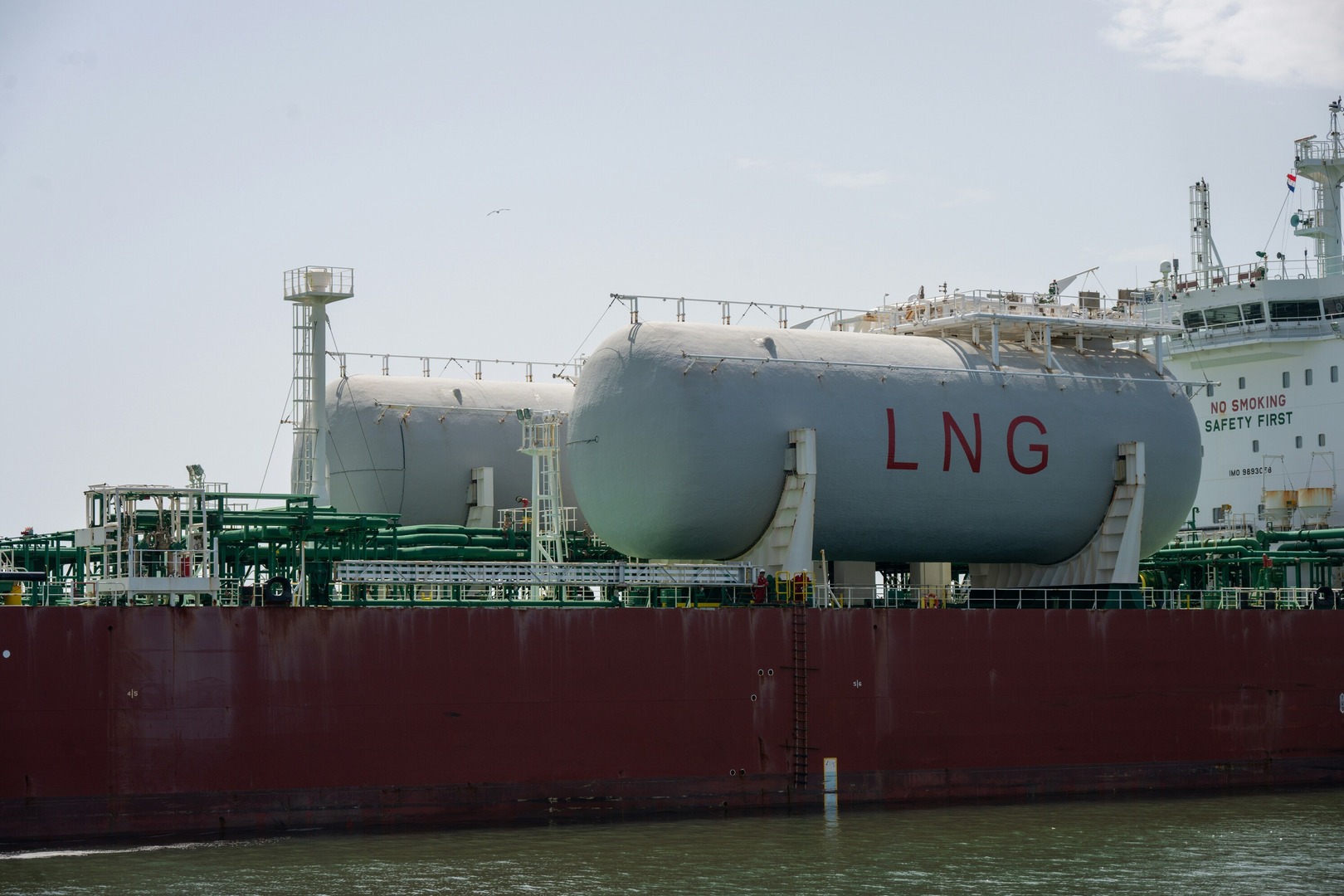
Shell warns ahead of the IMO’s November 23–December 4 negotiations that further delays to its Net-Zero Framework, following the failed adoption in October 2025, could stall low-carbon fuel investment, deepen regulatory fragmentation, and ultimately raise costs for shipping companies and consumers.
Its demand for “clarity, not perfection” reflects the difficulty of committing capital to fuel plants that will operate for decades without knowing how their output will be rewarded under future rules, particularly when Rotterdam bio-LNG bunker costs averaged $51.71/GJ in October, compared with $17.90/GJ for conventional marine fuel oil.
Alongside that investment argument, however, Shell is advocating rules that suit its existing business: recognising mass-balanced bio-LNG would allow biomethane injected into gas grids to be attributed to equivalent LNG supplies without physically segregating it throughout delivery, addressing logistical constraints that Shell illustrates with a theoretical requirement for around 250 truckloads to fuel one ship.
With 16 LNG bunker barges serving 29 ports across 13 countries, Shell therefore has a commercial interest not just in securing regulation, but in securing regulation that lets existing LNG infrastructure carry progressively lower-carbon fuels.
The immediate implication is that regulatory certainty could make investment decisions easier, which results in a mass-balancing recognition that could make established gas networks and LNG assets more useful for compliance, strengthening the position of suppliers already operating them, and that today’s accounting rules could influence shipping’s longer-term technology choices by making continued investment in LNG-compatible vessels and infrastructure more attractive.
That is not necessarily incompatible with decarbonisation, but it makes verified well-to-wake emissions performance central to judging whether this approach delivers genuine reductions rather than simply a commercially convenient transition pathway; the article establishes Shell’s case for scalability, not independent proof that its preferred route offers the strongest climate outcome.
Klimado – Navigating climate complexity just got easier. Klimado offers a user-friendly platform for tracking local and global environmental shifts, making it an essential tool for climate-aware individuals and organizations.
New climate finance pledges thin at COP31
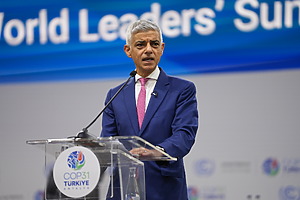
New climate finance pledges at COP31 are scarce and well below those at previous summits, with developed countries stressing existing commitments instead.
Canada pledged $81mn, Norway announced funding for international programs and forest protection, and the Solomon Islands committed $400,000 to the Green Climate Fund, urging larger economies to follow.
Funding pressures include the US withdrawal, which stripped $4bn from the fund, alongside aid cuts amid inflation and higher defense spending. Developing countries continue demanding transition support, but no new overarching finance target will be negotiated.
Summit outcomes could instead address access to funding, while the EU opposes additional finance agenda items.
Related Articles
Here is a list of articles selected by our Editorial Board that have gained significant interest from the public:
Indonesia President Prabowo orders greater share of mining benefits for the state
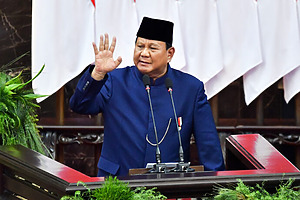
Indonesia’s President Prabowo Subianto wants at least 70% of proceeds from managing mining permits to benefit the state, with controlling stakes in mining assets where necessary.
Speaking on November 14, he said investors remained welcome, but profits must predominantly benefit Indonesians. The presidential palace clarified that his 70% target concerned permit-management proceeds. Earlier in 2026, officials had discussed a separate gross-split scheme allocating 70% of mineral and coal output to the government and 30% to operators.
However, Energy Minister Bahlil Lahadalia said in June that this proposal had been dropped following consultations with Prabowo. The article provides no implementation details.

Amazon launches product carbon footprinting solution

Amazon has launched an AI-powered product carbon footprinting tool to help companies measure emissions and meet growing customer, regulatory, and net-zero requirements.
Available through its Sustainability Exchange, it generates product models from descriptions or partial bills of materials, covering materials, manufacturing and use-phase estimates.
Users can distinguish AI-generated assumptions from their own inputs and replace estimates with supplier data. Initially limited to consumer electronics sold in the US, broader coverage is planned.
Amazon says footprints can align with ISO 14067-2018 and the Greenhouse Gas Protocol. The tool supports Amazon’s 2040 net-zero ambition and is available beyond its supplier network too.
Editor’s Note: The opinions expressed here by the authors are their own, not those of impakter.com — Cover Photo Credit: Julia Taubitz on Unsplash