This Week’s Regulatory Updates:
- UK Energy Price Cap Rises 4% as Gas Volatility Returns: Ofgem will lift the price cap to £1,723 from October, as higher wholesale gas prices outweigh VAT-driven stability in electricity costs.
- DOE and SBA Launch Investment Push for US Energy and Strategic Technology Start-ups: DOE and SBA have launched SBIC-E to connect private investment with small businesses in energy, critical minerals, advanced manufacturing and strategic technologies..
- EU Proposes Cautious 2027 Baltic Fishing Quotas Amid Fragile Stock Recovery: The Commission proposes higher quotas for some recovering herring and sprat stocks, but deep cuts to cod and western herring by-catch limits as the Baltic ecosystem remains under severe pressure.
- Plug-in Solar Legalised Across Great Britain, Widening Access to Home Generation: Households can now buy and use plug-in solar kits of up to 800W, potentially saving up to £110 a year and supplying up to 20% of typical electricity demand without professional installation.
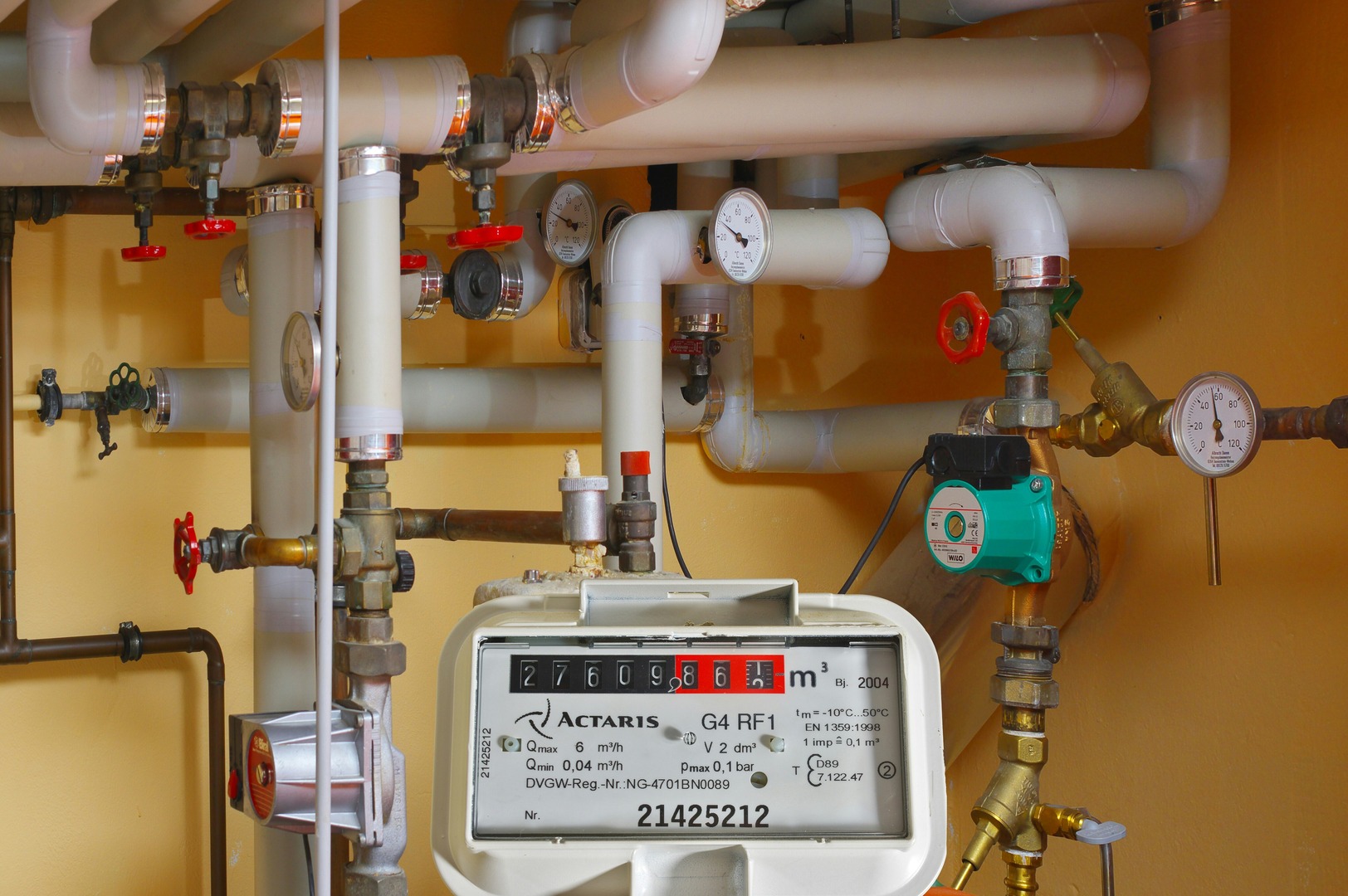
UK energy price cap rises 4% as gas volatility returns
The UK’s energy regulator Ofgem will raise its energy price cap by 4% from October 1 to December 31 2026, lifting the indicative annual bill for a typical dual-fuel household paying by Direct Debit from £1,663 to £1,723. The cap limits the unit rates and standing charges that suppliers can charge to around 22 million households on default tariffs, so individual bills will still depend on energy use, payment method, and region. At the UK average, Direct Debit electricity will cost 26.32p/kWh with a 54.83p daily standing charge, while gas will cost 7.97p/kWh with a 29.68p daily standing charge.
The detail here is that the increase will focus on gas charges, where unit rates are rising by about 9%, whereas electricity unit rates are increasing only marginally and electricity standing charges are falling. The removal of VAT from domestic electricity bills helps contain power costs, but does little to ease the burden on gas-heated homes as winter demand rises. This underlines a persistent UK energy-security problem, where household affordability remains exposed to international gas volatility while also sharpening the long-run case for insulation, demand reduction and electrified heat. However, regional standing charges and rates mean the £1,723 figure should be treated as a benchmark rather than a universal household bill.
***
Further reading: Energy Price Cap Will Rise by 4% From October 2026; Energy price cap unit rates and standing charges
Klimado – Navigating climate complexity just got easier. Klimado offers a user-friendly platform for tracking local and global environmental shifts, making it an essential tool for climate-aware individuals and organizations.
DOE and SBA launch investment push for US energy and strategic technology start-ups

The U.S. Department of Energy (DOE) and the Small Business Administration (SBA) have launched the Small Business Investment Company-Energy (SBIC-E) Initiative, linking DOE’s technology commercialization expertise with the SBA’s Small Business Investment Company program to steer more private capital toward strategically important American small businesses. Initial priorities span energy production and security, critical minerals, advanced manufacturing and materials, plus AI, semiconductors, quantum, communications, and biotech. DOE will identify priority technologies and support investors and founders with technical expertise, while the SBA will administer the initiative and encourage the formation of specialized investment funds. The program can also support companies emerging from DOE channels such as ARPA-E, Small Business Innovation Research (SBIR) and Small Business Technology Transfer (STTR), national laboratories, and the Technology Commercialization Fund. The SBA’s existing SBIC program provides the platform, where it reports a combined portfolio value of $58 billion and $147 billion invested in small businesses since 1958.
This new scheme is more of an industrial-policy and commercialization mechanism than a direct grant-funding mechanism. It could help bridge the familiar “valley of death” between publicly supported R&D and scale-up finance, particularly for capital-intensive energy, minerals and manufacturing ventures. However, its practical impact will depend on the eventual fund structure, risk appetite, investment terms and whether private managers back genuinely early-stage technologies rather than lower-risk, politically aligned assets. Its broad remit, including fossil fuels, nuclear and electric-power infrastructure, also signals that U.S. energy innovation policy is being framed around domestic capacity, affordability and security rather than a narrowly climate-led transition.
***
Further reading: DOE and SBA Launch SBIC-E Initiative to Unleash Private Capital for American Innovation and Small Businesses
Related Articles
Here is a list of articles selected by our Editorial Board that have gained significant interest from the public:
- Hormuz Strait Blockade: How Energy Shocks Feed Into Fertilizer and Food PricesUnderstanding Anthropic Stock Price Trends in the Early Market Stage
- How Leading Seafood Brands Are Changing Fishing For The Better
- Renewable Energy Gets an Unexpected Boost from the Iran WarIncreased AI Drives Increased Air Pollution in the US
EU proposes cautious 2027 Baltic fishing quotas amid fragile stock recovery

The European Commission has proposed 2027 Baltic Sea fishing limits that cautiously raise quotas for recovering pelagic stocks such as the central Baltic herring (+49%), sprat (+44%), Gulf of Riga herring (+11%), and Bothnian herring (+3%) while sharply cutting unavoidable by-catch allowances for western cod (-88%), eastern cod (-51%) and western Baltic herring (-45%). Plaice and salmon limits would remain unchanged, although recreational fishing for reared salmon would end. The proposal, based on scientific advice from the International Council for the Exploration of the Sea (ICES), now goes to EU fisheries ministers for political agreement in October and formal adoption in November.
The proposed move shows a science-led attempt to distinguish tentative stock recovery from broader ecosystem health, policies such as increased catches for herring and sprat reflect improved recruitment, but the Commission is retaining safeguards such as spawning closures where stocks remain below sustainable levels. The severe cod and western-herring restrictions underline that quota policy alone cannot fix the Baltic’s structural problems such as eutrophication, contaminants, biodiversity loss and potential misreporting continue to undermine recovery. In effect, the proposal offers limited economic relief to parts of the fleet, but confirms that the Baltic remains an ecosystem-restoration challenge rather than a conventional fisheries-management success story.
***
Further reading: Commission proposes fishing opportunities for 2027 in the Baltic Sea

Plug-in solar legalised across Great Britain, widening access to home generation

The UK’s Department for Energy Security and Net Zero (DESNZ) has legalised plug-in solar kits across Great Britain from August 27, allowing households to connect compliant, up-to-800W panels directly to a standard home socket. The department estimates they could supply up to 20% of an average household’s electricity consumption while cutting annual bills by up to £110, without professional installation costs. Major retailers including Amazon, Argos, Currys and Wickes are expected to stock them. Consumers must still check landlord, freeholder, planning or listed-building permissions where relevant, and should use accredited equipment.
The change meaningfully widens access to self-generation beyond owner-occupiers with suitable roofs and capital for conventional solar PV, potentially benefiting renters, flat residents and lower-budget households with usable outdoor space or balconies. But the £110 figure is an upper-end estimate dependent on solar exposure, daytime demand matching and electricity prices; it is not comparable with the larger savings possible from full rooftop solar. The policy’s real value is therefore less about material system-wide capacity and more about lowering the entry barrier to distributed energy, normalising household participation in the transition, and offering a small hedge against gas-driven retail-price volatility. Its success will depend on clear safety guidance, product quality, tenancy permissions and whether households can realistically place panels in unshaded, secure locations.
***
Further Reading: Households can save as plug-in solar panels come to market
Editor’s Note: The opinions expressed here by the authors are their own, not those of impakter.com — Cover Photo Credit: Immo Wegmann on Unsplash