Today’s ESG Updates
- Iran War Pushes Europe and Asia to Fast-Track Renewable Energy: Governments across Europe and Asia are racing to build out renewables after the closure of the Strait of Hormuz cut off a fifth of the world’s oil and LNG shipments, though the response has been uneven, China leaned into solar while India, Vietnam and South Korea burned more coal.
- South African Mining Firms Turn to Renewables to Cut Eskom Dependence: Anglo American and Sibanye-Stillwater are ramping up renewable energy contracts to cut their reliance on Eskom’s aging, coal-heavy grid, with Sibanye expecting renewables to cover 64% of its energy demand by 2028.
- Shein’s IPO Won’t Erase Its Sustainability Problems, Investors Say: Shein is going public in Hong Kong next month, but ongoing investigations and investor concerns over labor conditions and environmental impact could still weigh on its valuation.
- Indigenous Group in Australia Pushes Back on Fortescue Payout: The Yindjibarndi people are appealing a A$150 million compensation ruling against Fortescue for mining their land without an agreement since 2012, arguing the payout is a fraction of what the company has earned.
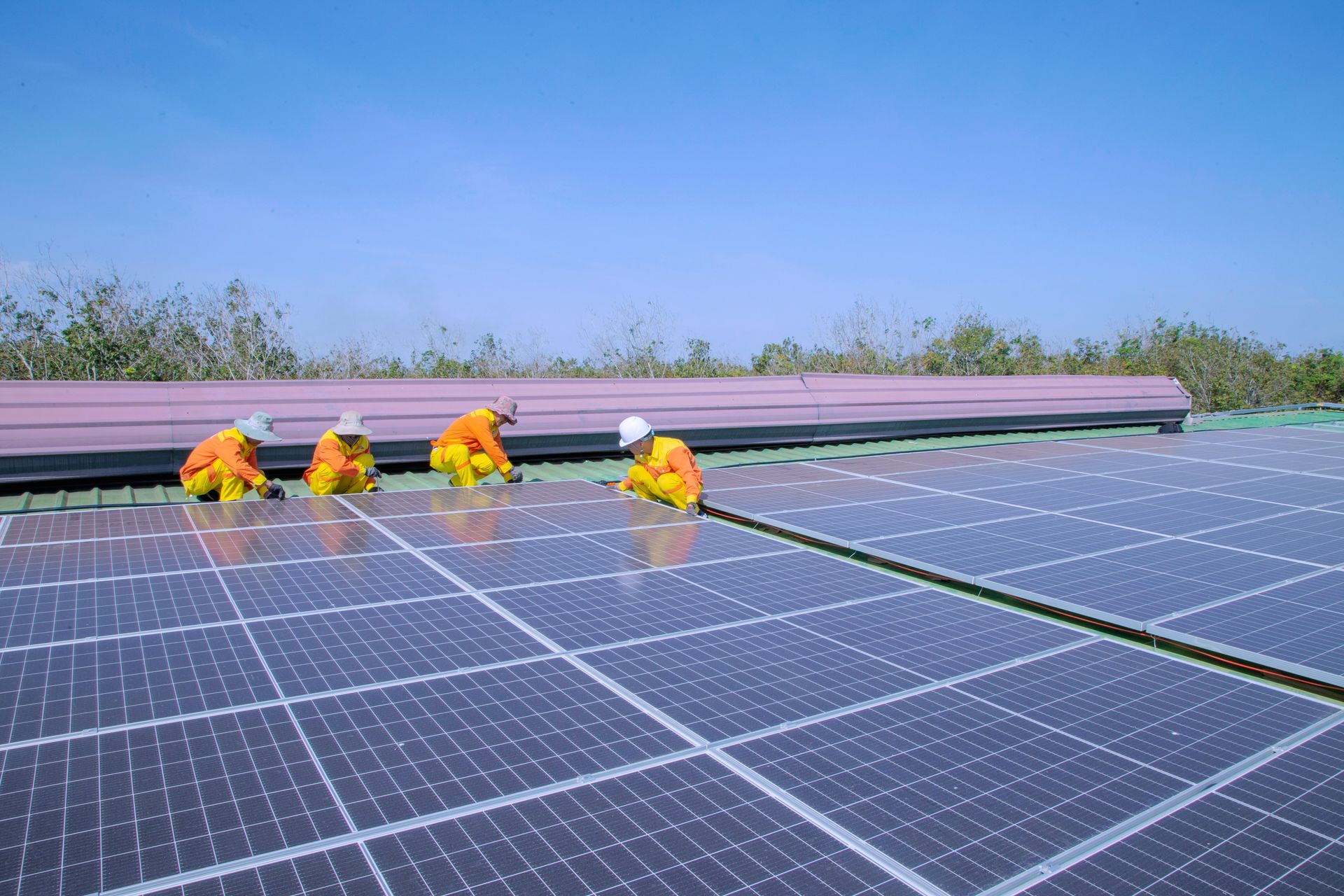
Iran war pushes Europe and Asia to fast-track renewable energy
Six months into the U.S.-Israeli war with Iran, governments across Europe and Asia are racing to build out renewable energy to cut their dependence on imported fossil fuels. The effective closure of the Strait of Hormuz has choked off a fifth of the world’s oil and LNG shipments, and countries from South Korea to Thailand to the EU have pledged more funding for clean power.
The response hasn’t been uniform. China leaned hard into solar, with output growing more than three times as fast as coal between March and July. India, Vietnam and South Korea went the other way, burning more coal to cover the gap. Some European countries did too, though the IEA expects EU coal generation to resume its decade-long decline this year.
The IEA expects renewables to become the world’s top electricity source, even as gas-fired power is projected to rise 1.5% next year while coal dips only slightly. Not everyone thinks the shift will hold. Some point to Russia’s invasion of Ukraine, when a similar wave of optimism about clean energy faded, and several European countries turned to coal instead.
UN Secretary-General António Guterres sees this moment differently: “Homegrown renewable energy has never been cheaper, more accessible, or more scalable. The resources of the clean energy era cannot be blockaded or weaponized.”
Klimado – Navigating climate complexity just got easier. Klimado offers a user-friendly platform for tracking local and global environmental shifts, making it an essential tool for climate-aware individuals and organizations.
South African mining firms turn to renewables to cut Eskom dependence
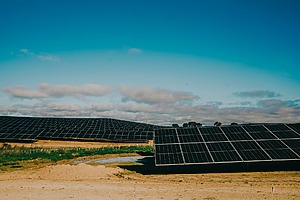
South Africa’s mining companies are ramping up investment in renewable energy to diversify their power supply, cut costs and meet decarbonization targets, moving away from decades of dependence on state utility Eskom. Anglo American and Sibanye-Stillwater are among the firms cutting ties with a national grid still dominated by aging coal plants that have struggled for years to keep the country running.
South Africa currently gets more than 80% of its power from coal, with renewables making up only about 10%. Sibanye-Stillwater sourced roughly 99% of its platinum group metals energy and 88% of its gold electricity from Eskom last year. Instead of building its own generation, it opted to buy renewable power through supply contracts; 835 megawatts contracted so far, with 164 already operational. By the end of 2028, the company expects renewables to cover about 64% of its South African energy demand.
“Our secured renewable energy portfolio is not only about reducing carbon emissions and enhancing energy security; it is also a business imperative that is expected to deliver meaningful cost benefits,” said CEO Richard Stewart.
Executives are quick to note, though, that this isn’t a clean break from Eskom. Baseload power from the utility is expected to stay part of the mix for years, even as renewable use keeps climbing.
Related Articles
Here is a list of articles selected by our Editorial Board that have gained significant interest from the public:
Shein’s IPO won’t erase its sustainability problems, investors say
Shein is finally going public, but in a much tougher environment than when its IPO journey started five years ago. The company has worked to address ESG concerns that triggered investigations and fines in multiple countries. Still, many of those problems remain and could weigh on its valuation after it debuts in Hong Kong next month.
Earlier attempts to list in New York and London drew criticism over its environmental impact, labor standards and governance. Shein is currently under investigation by the European Commission and the U.S. Federal Trade Commission, and has already been fined in France over fake discounts and in Italy over greenwashing.
Its annual ESG report has jumped from 28 pages in 2021 to 118 last year. Still, several investors say they remain concerned about labor conditions, governance and emissions.
“The company continues to face serious ESG controversies, particularly around working conditions and labour rights in its supply chain,” said Janina Bartkewitz, an ESG analyst at Union Investment in Frankfurt.

Indigenous group in Australia pushes back on Fortescue payout
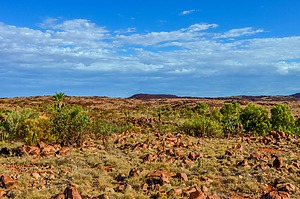
Australia’s Yindjibarndi Indigenous group has filed an appeal over the amount of compensation awarded against Fortescue for mining on their land without an agreement since 2012. The group had sought roughly $718 million for cultural loss and more than $431 million for economic loss, arguing they should get a share of the mine’s profits.
A federal court ordered Fortescue, the world’s fourth-biggest iron ore miner, to pay A$150 million in May, plus a small amount for economic losses and interest. It’s one of the largest payouts ever awarded under Australia’s native title laws, but the group’s elders say it’s a fraction of what Fortescue has made off their land; the company’s Solomon Hub has generated an estimated $80 billion in revenue since 2013.
The Western Australian government is appealing too, though for the opposite reason: it wants the compensation lowered. Fortescue hasn’t commented on the appeal but has said it tried to reach a settlement for 15 years and has already paid what it was ordered to.
Editor’s Note: The opinions expressed here by the authors are their own, not those of impakter.com — Cover Photo Credit: Hoan Ngọc