Impakter
  • Environment
    • Biodiversity
    • Climate Change
    • Circular Economy
    • Energy
  • FINANCE
    • ESG News
    • Sustainable Finance
    • Business
  • TECH
    • Start-up
    • AI & Machine Learning
    • Green Tech
  • Industry News
    • Entertainment
    • Food and Agriculture
    • Health
    • Politics & Foreign Affairs
    • Philanthropy
    • Science
    • Sport
  • Editorial Series
    • SDGs Series
    • Shape Your Future
    • Sustainable Cities
      • Copenhagen
      • San Francisco
      • Seattle
      • Sydney
  • About us
    • Company
    • Team
    • Global Leaders
    • Partners
    • Write for Impakter
    • Contact Us
    • Privacy Policy
No Result
View All Result
Impakter logo
No Result
View All Result
soil

To Prevent Ecological Collapse, We Must Start With the Soil

Marcela Quintero - Associate Director General of Research Strategy and Innovation at the Alliance of Bioversity International and CIATMayesse da Silva - Senior Soil Scientist at the Alliance of Bioversity International and CIATbyMarcela Quintero - Associate Director General of Research Strategy and Innovation at the Alliance of Bioversity International and CIATandMayesse da Silva - Senior Soil Scientist at the Alliance of Bioversity International and CIAT
December 29, 2025
in Biodiversity, Environment, Food and Agriculture
0

Soil is the single most biodiverse habitat on Earth, home to at least 59% of all species, including over 80% of all fungi and plants. In Colombia, it is also the foundation on which one of our most important industries, farming, depends. Approximately 2,500 smallholder farmers produce 70% of our country’s food, and agriculture, forestry, and fishing collectively account for 9.27% of the country’s GDP.

Yet, despite this ecosystem’s enormous significance to the survival of life on Earth, soil has been widely disregarded and neglected. More than 75% of the world’s soils are now considered degraded due to poor agricultural practices, erosion, pollution, and climate extremes.

As an industry, farming is also highly carbon-intensive, with the Food and Agriculture Organization of the United Nations (FAO) estimating that global agrifood systems’ emissions reached 16.2 billion tonnes of carbon dioxide equivalent in 2022, and this problem is further exacerbated by the poor state of our soils worldwide.
soil
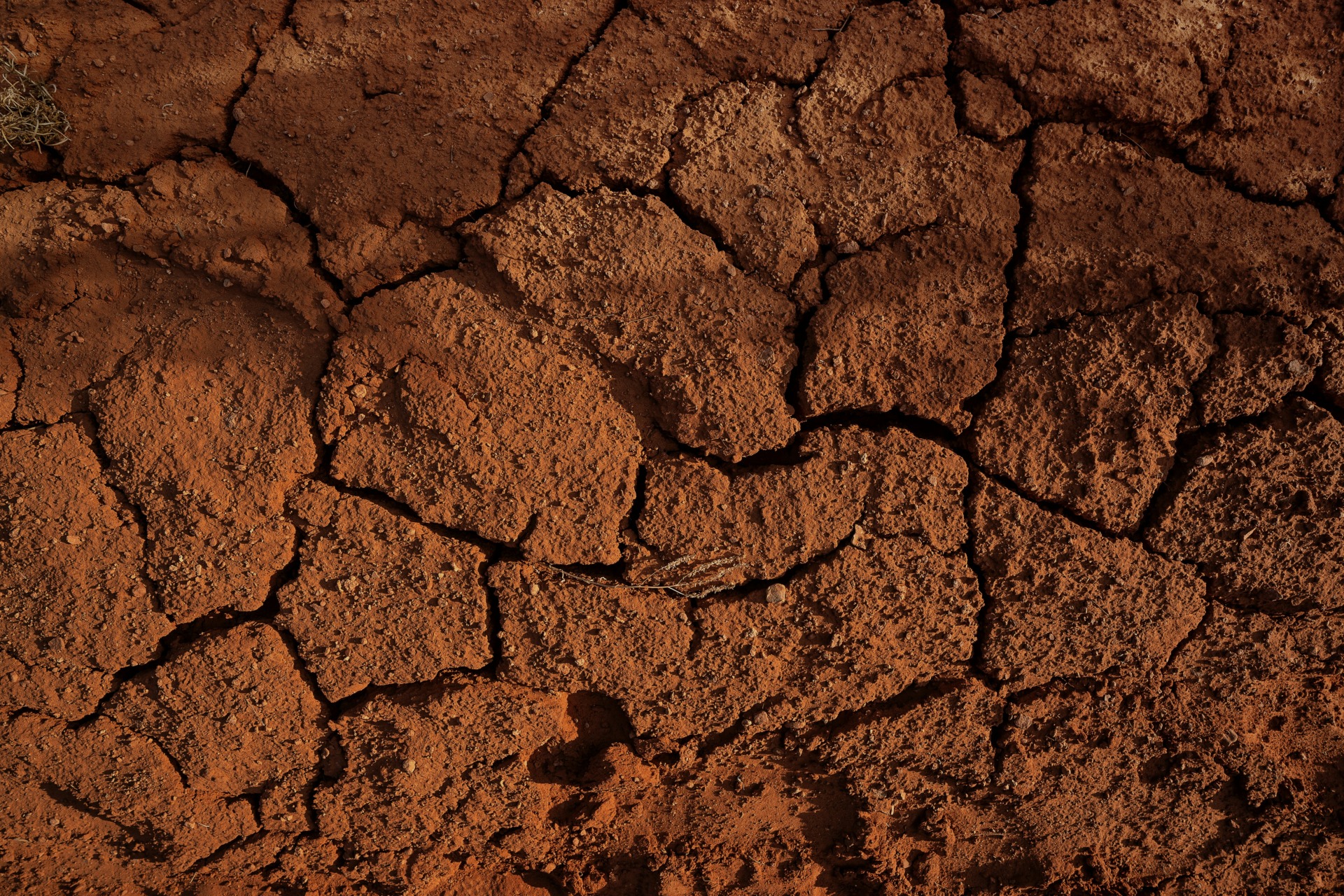
Photo Credit: Clay Banks.

Soils are dynamic, meaning that they can draw carbon out of the atmosphere through photosynthesis, but if they become degraded, such as through burning or draining peatlands, they can also release carbon, accelerating global heating as they emit greenhouse gases.

To prevent further climate breakdown, we need to urgently change the way we farm to reduce its environmental impacts without compromising productivity. For this, we must turn to our soil.

Healthy soils mean more resilient and productive farms

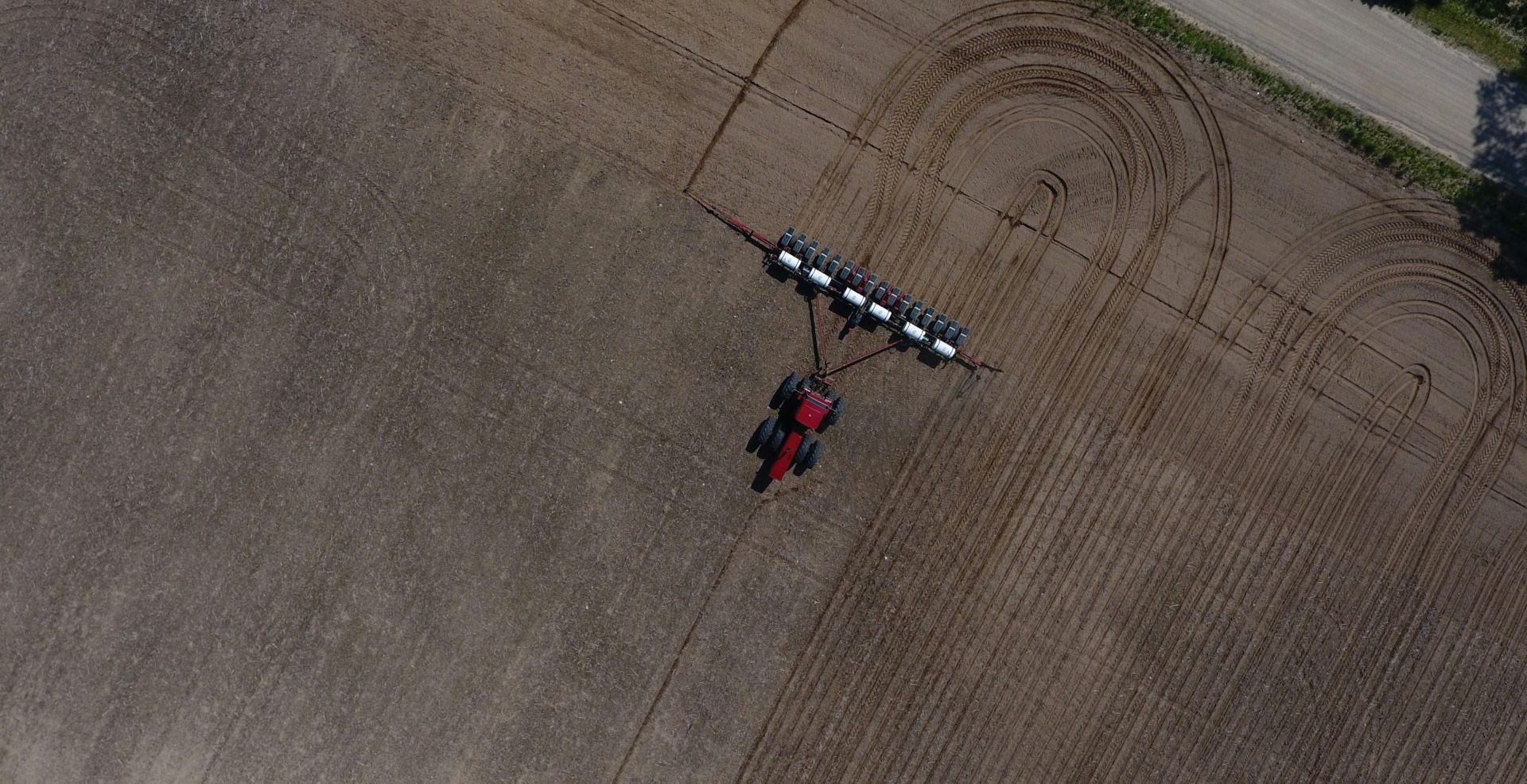
Soil health is not just an environmental issue; it’s an economic one. Erosion costs the world an estimated USD 8 billion each year, while soil compaction, driven by the increasing size of agricultural machinery and the growing number of livestock, is estimated to cause long-term productivity losses of 10-20% due to these combined effects.

If we can better understand our soils, we can adapt our methods to work with nature, rather than against it, encouraging smarter farming and creating climate-resilient food systems.
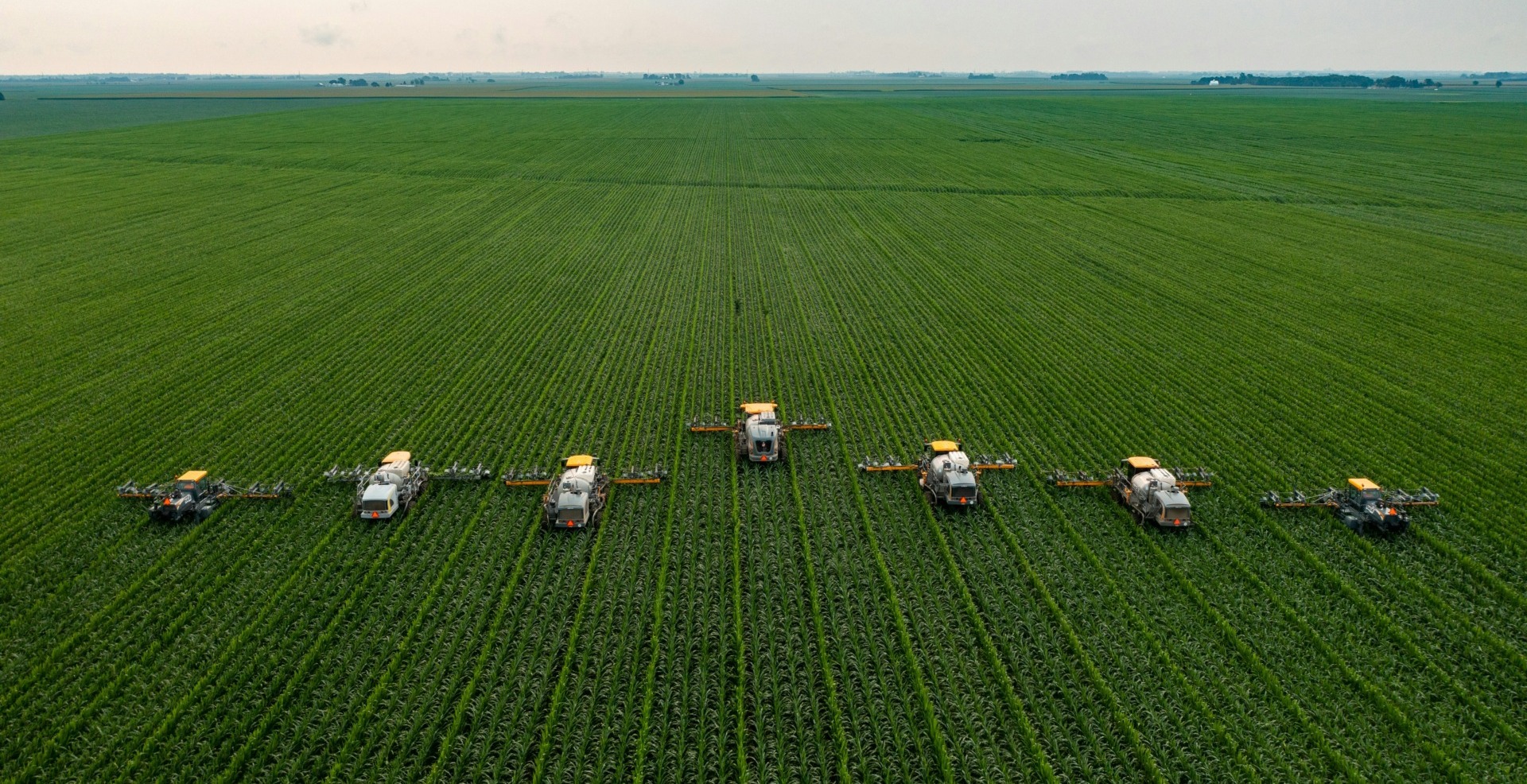
Photo Credit: James Baltz.

What’s more, if we can grow more food on healthier, more productive soils, we can also free up less productive land for nature. Colombia is classed among the “megadiverse” countries, estimated to host 10% of the world’s biodiversity. However, this extraordinary abundance is under threat, primarily from farming: between 2000 and 2020, 4.9 million hectares of natural forest were converted into grasslands.

By improving yields sustainably, we can allow marginal land to recover and expand habitats for Colombia’s extraordinary wildlife. In this way, better soil management isn’t just good for farmers, but it also supports the restoration of biodiversity and gives more space for our unique ecosystems to thrive.

Related Articles

Here is a list of articles selected by our Editorial Board that have gained significant interest from the public:

  • How Microplastics Are Destroying Soil and Human Health
  • Hands That Heal Our Soils
  • Soil Health, Fertiliser Use and Agricultural Sustainability

Closing the soil knowledge gap

Despite decades of research into soil by scientists, we have been unable to ‘see into’ our soils to depth using methods with great detail, as the methods currently used to measure soil health struggle to capture its dynamics over time in sufficient detail and across meaningful spatial scales.

However, one new global non-profit organisation may have found the answer to close this knowledge gap. Over the past three years, the Earth Rover Program, a partner of the Alliance of Bioversity International and CIAT, has been developing fast, accessible, and scalable tools that will, for the first time, allow us to “see” into the soil beneath our feet.

Developed in collaboration with scientists at hubs on three continents, including the Alliance of Bioversity International and CIAT, the Earth Rover Program has established ‘soilsmology’, a scientific concept that repurposes the methods of seismology for soil science. By passing ultrahigh-frequency waves through the topsoil, it aims to illuminate the soil’s ‘vital signs’ – its structure (including depth, topsoil and subsoil volume, and soil horizons), moisture, bulk density, connected porosity, and potentially texture and carbon content. Able to visualise the health, structure, and deficiencies of their soils in quasi real time, farmers will be able to tailor their treatments more precisely, enabling land management that is both productive and sustainable.

In high-income regions, this enhanced precision should enable farmers to reduce inputs like fertiliser, irrigation, and deep tillage without sacrificing yield. In lower-income areas, it means helping farmers to increase productivity while keeping costs low.

Crucially, these new technologies, far from being developed in a tech-vacuum, have been developed in collaboration with farmers to incorporate knowledge that data alone cannot capture. In combining scientific innovation with the invaluable knowledge of farmers and indigenous communities globally, we can ensure no one is left behind in the shift toward resilient, regenerative land stewardship.

Following Brazil’s hosting of COP30 in November, all eyes are now on South America to carry forward on this drive for global climate action. Colombia is already demonstrating leadership in reducing fossil fuel use, with plans to host the First International Conference for the Phase-Out of Fossil Fuels in April 2026. The same vision and bravery must now be applied to transforming our agricultural systems. Colombia must lead the way, instigating a new, Greener Revolution, one in which both farmers and nature benefit.

Editor’s Note: The opinions expressed here by the authors are their own, not those of Impakter.com — Cover Photo Credit: Lauren King.

Tags: agricultural practicesAgricultureAlliance of Bioversity InternationalCIATclimate extremesEarth Rover ProgramerosionFAOfishingfoodFood and Agriculture Organization of the United NationsforestryFungiplantsPollutionSoilSoil degradationsoil health
Previous Post

Trumps ‘America First’ Policy in Africa: The Consequences

Next Post

Is It Time to Recognize Climate Refugees?

Related Posts

Freshwater
Environment

Renewable Water Availability per Person Plunges 7% in a Decade as Global Scarcity Deepens

Renewable water availability per person has continued to decline by a further 7% over the past decade, while pressure on...

byThe Food and Agriculture Organization of the United Nations (FAO)
December 23, 2025
How Climate Change Could Help Foster Peace in Yemen
Climate Change

How Climate Change Could Help Foster Peace in Yemen

Yemen's tragedy is traditionally depicted through the limited perspective of humanitarian need and political divisiveness, but there is a greater...

byTareq Hassan - Executive Director of the Sustainable Development Network Canada (SDNC)
December 17, 2025
plastic diseases
Biodiversity

Plastic Can Now Help Spread Diseases

There has been growing attention to the “Great Pacific Garbage Patch” by those who correctly recognize it as an environmental disaster....

byRichard Seifman - Former World Bank Senior Health Advisor and U.S. Senior Foreign Service Officer
December 8, 2025
How Vaccinating Animals Can Protect Humans: A One Health Strategy
Biodiversity

How Vaccinating Animals Can Protect Humans: A One Health Strategy

Accelerating human and animal vaccine development against the myriad of zoonotic diseases has been a prime strategy contained within the modern One...

byDr. Bruce Kaplan - Epidemiologist formerly at the CDC/EIS and USDA-FSIS Office of Public Health and Science & Co-Founder of the One Health Initiative
December 2, 2025
Transboundary Animal Diseases Pose Urgent Threat to Global Food Security
Biodiversity

Transboundary Animal Diseases Pose Urgent Threat to Global Food Security

The Director-General of the Food and Agriculture Organization of the United Nations (FAO), QU Dongyu, urged Member Countries to reinforce...

byThe Food and Agriculture Organization of the United Nations (FAO)
December 1, 2025
Animal Health
Biodiversity

Better Animal Health Is the Low-Risk, High-Reward Climate Investment We Need

Imagine if there was a way to reduce emissions from the meat, egg and dairy sector by nearly a quarter,...

byCarel du Marchie Sarvaas
November 26, 2025
One Health: Silo Barriers to Implementation and How to Overcome Them
Biodiversity

One Health: Silo Barriers to Implementation and How to Overcome Them

The One Health concept/approach must be central for governments to adopt collaborative, cross-sector policies in order to safeguard public health,...

byOne Health Initiative
November 26, 2025
A Sacred Duty
Biodiversity

A Sacred Duty

As dawn breaks over the Ororubá Mountains in Pernambuco, Brazil, a group of Indigenous youth of the Xukuru do Ororubá...

byThe Food and Agriculture Organization of the United Nations (FAO)
November 25, 2025
Next Post
Is It Time to Recognize Climate Refugees?

Is It Time to Recognize Climate Refugees?

Recent News

ESG News regarding China restricting industrial renewable exports, UN warning that US climate treaty exit harms economy, UK firms lowering wage forecasts despite inflation, Meta partnering with TerraPower for new nuclear reactors.

To Save the Grid, China Forces Industries to Go Off-Network

January 9, 2026
Cleaner Air in Hospitals

How Cleaner Air in Hospitals Can Cut Infections and Climate Impact at the Same Time

January 9, 2026
Search cleanup, key activity to protect your data and tech devices.

A Simple “Search Cleanup” Plan for Busy People

January 9, 2026
  • ESG News
  • Sustainable Finance
  • Business

© 2025 Impakter.com owned by Klimado GmbH

No Result
View All Result
  • Environment
    • Biodiversity
    • Climate Change
    • Circular Economy
    • Energy
  • FINANCE
    • ESG News
    • Sustainable Finance
    • Business
  • TECH
    • Start-up
    • AI & Machine Learning
    • Green Tech
  • Industry News
    • Entertainment
    • Food and Agriculture
    • Health
    • Politics & Foreign Affairs
    • Philanthropy
    • Science
    • Sport
  • Editorial Series
    • SDGs Series
    • Shape Your Future
    • Sustainable Cities
      • Copenhagen
      • San Francisco
      • Seattle
      • Sydney
  • About us
    • Company
    • Team
    • Global Leaders
    • Partners
    • Write for Impakter
    • Contact Us
    • Privacy Policy

© 2025 Impakter.com owned by Klimado GmbH