
Today’s ESG Updates
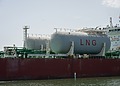
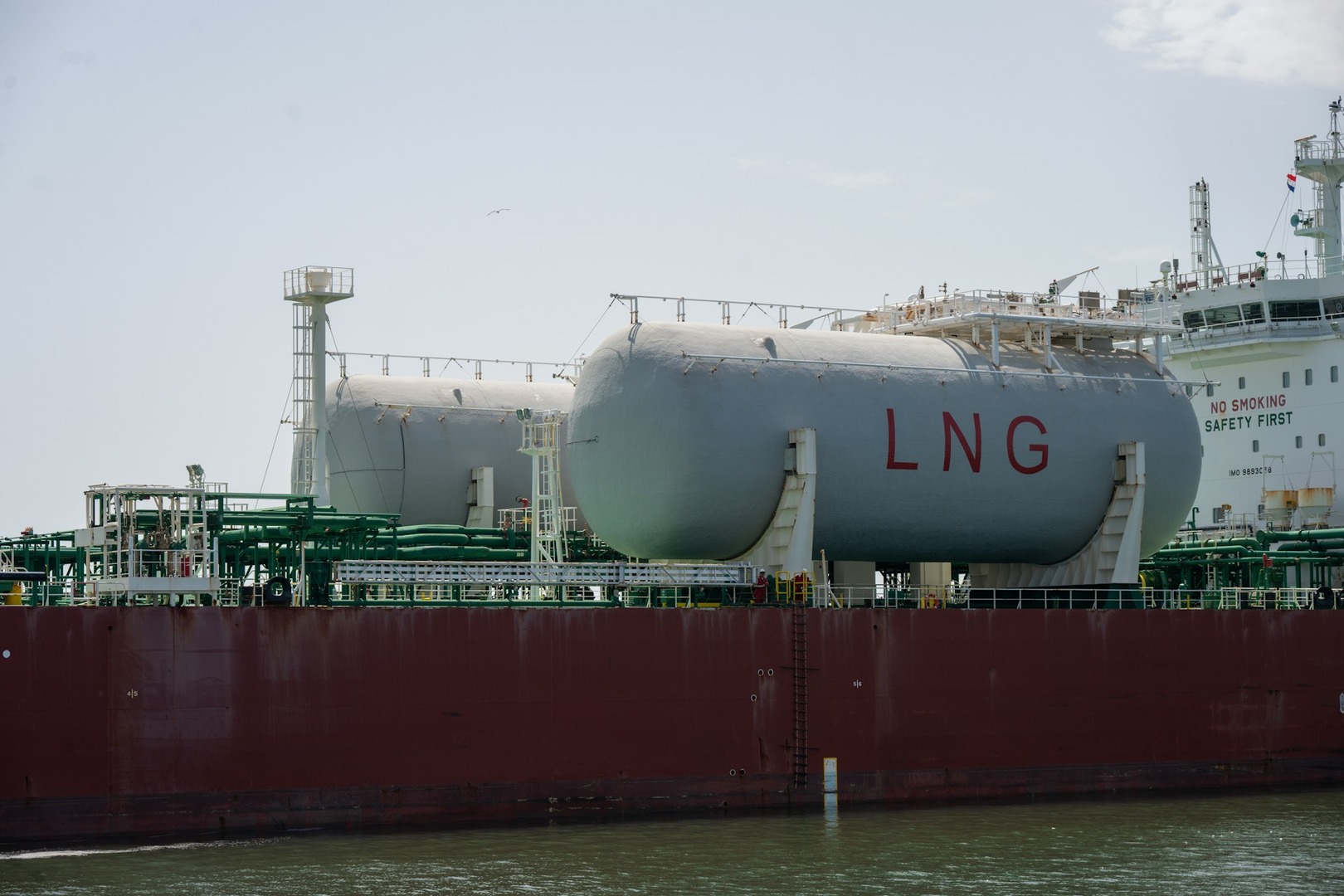
- Brussels Looks to Canadian Gas as Storage Runs Low: A draft summit statement sets out a feasibility study on long-term LNG shipments to Europe, alongside work on grids and battery storage. Campaigners warn it risks locking in fossil infrastructure and stranded assets.
- EPA Moves to Scrap the 2024 Methane Rule for Oil and Gas:The proposal would undo the first nationwide standard covering existing facilities, with the agency projecting 210 million extra barrels of oil. Methane accounts for at least a quarter of current warming.
- A Circular Economy Pilot Lands at a Factory With No Future After 2031: Volkswagen will dismantle 4,100 vehicles a year at Zwickau with 100 retrained workers, at a plant where around 8,000 jobs remain at risk under the group’s restructuring.
- Mali Clears Eleven Carbon Projects and Starts Looking for Buyers: The Article 6 portfolio could deliver more than 10 million tonnes of CO2 equivalent, though none of the clean cooking projects under the stricter route include non-permanence provisions.
Brussels looks to Canadian gas as storage runs low
The EU and Canada will examine long-term LNG shipments to Europe, according to a draft joint statement prepared for their summit in Montreal on 29 and 30 October. The two sides plan a feasibility study, alongside work on electricity grids, battery storage and the physical and cyber protection of energy infrastructure.
The draft frames the exercise as assessing opportunities for energy connectivity, investment and offtake arrangements that serve European energy security and Canadian economic development while supporting shared climate objectives. It leaves open how much gas Canada could supply, at what price and what infrastructure would carry it across the Atlantic.
Brussels is dealing with high prices and unusually low storage. The United States became its largest LNG supplier after Russia’s invasion of Ukraine, and disruption to Qatari shipments has added further strain. Prime Minister Mark Carney has backed plans that could double export capacity on Canada’s west coast.
Campaigners are unconvinced. Esther Bollendorff of CAN Europe called the study a “dangerous distraction” from electrification and efficiency, warning it risks locking in fossil infrastructure, stranded assets and higher bills on both sides. Terminals and pipelines take decades to pay back, and the capital they absorb does not go to renewables.
Klimado – Navigating climate complexity just got easier. Klimado offers a user-friendly platform for tracking local and global environmental shifts, making it an essential tool for climate-aware individuals and organizations.
EPA moves to scrap the 2024 methane rule for oil and gas
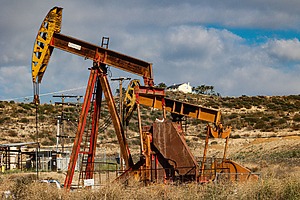
The US Environmental Protection Agency has proposed revising oil and natural gas regulations under the Clean Air Act, undoing requirements introduced in 2024. Speaking at a rally in Lubbock, Texas, President Trump said the measures were expensive and unnecessary, and put the savings to consumers and producers at $45 billion. The EPA expects the change to yield an additional 210 million barrels of oil and 1.41 trillion cubic feet of natural gas.
The 2024 rule obliged operators to cut leaking, flaring and venting of methane and volatile organic compounds. It was the first nationwide standard covering existing facilities; an earlier rule from 2016 applied only to new and modified sources. A super-emitter programme required companies to investigate major leaks identified by approved remote sensing.
Opponents say the proposal conflicts with the Clean Air Act’s public health obligations. The American Lung Association points to benzene and formaldehyde among the pollutants released by leaks. The Environmental Defense Fund calculates that $7 billion of gas has been leaked, vented or flared since enforcement was dropped in March 2025.
Methane accounts for at least a quarter of current warming. The proposal is not yet final.
Related Articles
Here is a list of articles selected by our Editorial Board that have gained significant interest from the public:
A circular economy pilot lands at a factory with no future after 2031

Volkswagen has launched its first Circular Economy Hub at the electric car factory in Zwickau, eastern Germany, where 100 retrained workers will begin dismantling 4,100 vehicles a year from 2027. The company is putting up to €90 million into the project and the Saxony government has added €10.7 million, with the aim of securing as many as 1,000 jobs over time.
The setting undercuts the announcement. Zwickau is one of four German plants that could shut under a restructuring announced in July, with no vehicle production planned beyond 2031 and around 8,000 jobs at stake. Volkswagen is pursuing 100,000 job reductions across the group as it loses ground in China.
Thomas Schaefer, who runs the group’s volume brands, said dismantling and recycling “doesn’t mean a junkyard, it means creating value”. Saxony’s economy minister, Dirk Panter, said circular business lines offer long-term employment prospects.
Others are more cautious. Henning Wilts of the Wuppertal Institute called the hub “a pilot project that you launch to see if it’s scalable”, and said it is not the answer to the European car industry’s problems.

Mali clears eleven carbon projects and starts looking for buyers
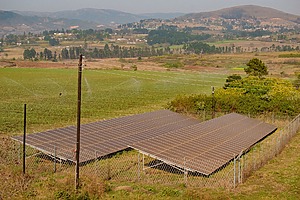
Mali has authorised eleven carbon mitigation projects under Article 6 of the Paris agreement, submitting its initial report to the UNFCCC this week. Argus calculations put the combined potential at more than 10 million tonnes of CO2 equivalent. The government acts as both host and transferring party until a buyer is named.
Clean cooking accounts for a third of the portfolio. One project promoting and distributing equipment aims at 210,000 tonnes a year from 2026, while two schemes supporting Banco cookstoves made by women in rural areas target 101,700 and 179,008 tonnes respectively. Others cover rural electrification, solar power and a hydropower pilot.
Three projects address land use. Restoring degraded land and reforestation accounts for the single largest figure, 406,684 tonnes a year between 2026 and 2030. A forestry programme built around non-timber products and a scheme restoring mining sites for biodiversity make up the rest.
Most sit under Article 6.2, with several using the more regulated Article 6.4 route. The initial report shows that none of the clean cooking projects authorised under 6.4 include non-permanence provisions, which the stricter rules would normally require.
Editor’s Note: The opinions expressed here by the authors are their own, not those of impakter.com — Cover Photo Credit: Julia Taubitz