

Today’s ESG Updates
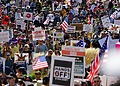
- FIFA Faces UN Climate Complaint Over Aramco and Bigger World Cups: Five organisations have asked the UN to review FIFA’s status in its Sports for Climate Action Framework, saying larger tournaments and a partnership with Aramco clash with its pledge to halve emissions by 2030.
- Russia, Saudi Arabia and Australia Top List of Biggest Historic CO2 Exporters: A Carbon Brief analysis finds Russia has exported over 70 gigatonnes of CO2 in its fuels through 2025, ahead of Saudi Arabia at about 60 and Australia above 25.
- Europe Courts China to Break IPCC Deadlock Before 2028 Stocktake: European governments are holding talks with China at COP31 to protect the schedule for the next IPCC reports, as India and Saudi Arabia seek more time and the panel’s budget remains stuck.
- Malaysia Eases Rare Earth Export Curbs for France: Malaysia agreed to export some raw rare earths to France after a French pledge to cooperate on refinement, as the two countries upgrade ties to a strategic partnership.
Groups ask UN to review FIFA’s climate status over Aramco deal and bigger World Cups
Five organisations have asked the United Nations to review FIFA’s place in its Sports for Climate Action Framework. They say the football body has failed to match its climate promises with action. Signatories pledge to halve emissions by 2030, and the complaint argues that FIFA’s tournament growth works against that goal.
This year’s men’s World Cup expanded to 104 matches across three countries, and the 2030 edition will span six nations on three continents. The groups also object to FIFA’s multi-year commercial partnership with Saudi oil giant Aramco, which they describe as the largest historic corporate polluter.
FIFA’s own 2021 plan targets net zero by 2040, yet the complainants say it lacks a clear route to get there. The UN climate body and FIFA were contacted for comment, while Aramco declined to respond.
Klimado – Navigating climate complexity just got easier. Klimado offers a user-friendly platform for tracking local and global environmental shifts, making it an essential tool for climate-aware individuals and organizations.
Russia, Saudi Arabia and Australia top list of biggest historic CO2 exporters
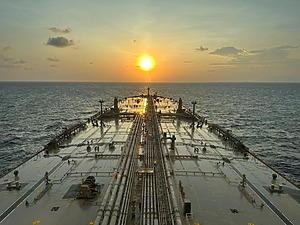
According to an analysis by Carbon Brief, Russia, Saudi Arabia and Australia rank as the three biggest exporters of CO2 in history when emissions from their sold coal, oil and gas are counted. Russia leads with over 70 gigatonnes through 2025, then Saudi Arabia at about 60 and Australia above 25.
Most studies assign emissions to the country where fuel is burned, so this method shifts the picture. The U.S. and China carry more historical responsibility than all three, as they import fuel and burn their own supplies too.
Australia, which presides over the COP31 talks in Turkey, has set no end date for fossil fuel use or export. Climate Analytics says new coal mine permits there would allow operations until 2088. Saudi Arabia’s energy ministry says blame should not fall on exporters alone, as buyers decide how fuel is used. Australia and Russia were approached for comment.
Related Articles
Here is a list of articles selected by our Editorial Board that have gained significant interest from the public:
Europe courts China to break IPCC deadlock before the 2028 climate stocktake
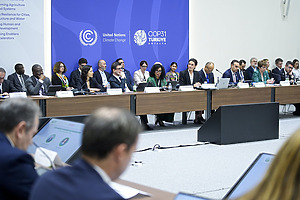
European governments will hold talks with China this week at the UN climate summit in Antalya to protect science’s role in climate diplomacy. The dispute centres on the Intergovernmental Panel on Climate Change, whose scientists hope to publish their next reports in 2028.
Most countries want that date kept so the second global stocktake at COP33 can draw on fresh science. India and Saudi Arabia, backed by Kenya and Russia, want more time and propose that only the science report arrive on time, with the other two pushed to 2029.
The panel’s assembly has failed to reach agreement at six straight sessions, and its budget is stuck. Diplomats say China has objected to a fast timeline but can be swayed. Governments meet again on 1 December, the last chance to settle next year’s budget. India and Saudi Arabia did not respond to requests for comment.

Malaysia eases rare earth export curbs for France in strategic partnership
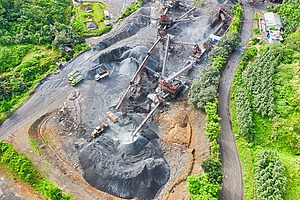
France and Malaysia have upgraded ties to a strategic partnership, and Kuala Lumpur agreed to export some raw rare earths to France. Prime Minister Anwar Ibrahim said the move follows a French pledge to cooperate on refinement.
Malaysia banned raw rare earth exports in 2024 to protect domestic resources and eased the rule last month, which now permits conditional shipments for research or refinement. President Emmanuel Macron said a joint project between French firm Carester and Malaysian miner Malaco, with a separation plant in Perak state, should start operations next year.
The leaders also witnessed an exchange of a critical minerals memorandum. Other deals cover chips and subsea cables, and Macron said Airbus has agreed to supply helicopters to the air force. Malaysia also asked for French support on the ASEAN Power Grid. No financial terms were disclosed.
Editor’s Note: The opinions expressed here by the authors are their own, not those of impakter.com — Cover Photo Credit: The Six