Jill Taylor, alongside her partner Charles Hazell, are Co-Founders of Taylor Hazell Architects (THA), a firm focusing on the restoration of heritage buildings across Canada. I caught up with Jill this summer to chat with her about their work, her passion for smart design and the integration of sustainable solutions in current architecture. 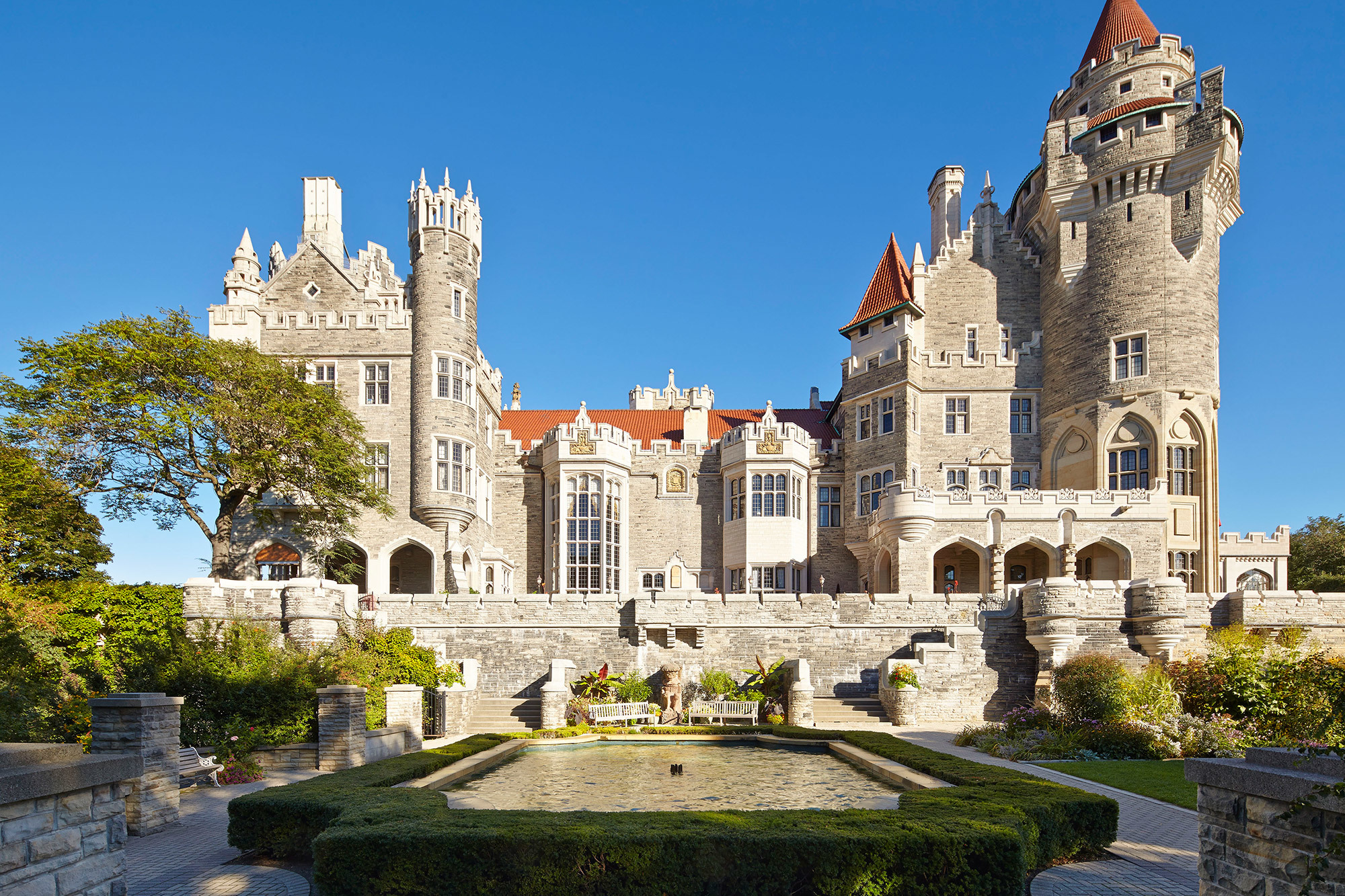
In the Photo: Osgoode Hall, a National Historic Site in Canada. Photo Credit: Taylor Hazell Architects
How did the founding of your company come about and what was the inspiration behind THA?
JT: Charles Hazell and I founded the firm in 1991. We were very fortunate because, in the midst of the economic depression at that particular time, we had a very strong background in conservation of existing buildings. As a result, early on during the founding of the company, we were able to work on some very significant projects that involved conservation and new construction on a very large scale.
Those projects really made our practice for us, and we worked very hard in those first few years to define what we felt was important for our practice—to work with excellent colleagues and landscape architecture, structural, mechanical, electrical engineering, and form a practice that will become very well known for its conservation expertise.
It was also about finding a realm where we could produce new buildings in combination with old ones, buildings that were very sympathetic towards each other, where we were able to find a realm of compatibility between old and new. We were also able to use materials and techniques, as well as forms and space combinations, to be sympathetic to these existing historic structures and sites.
So that was the beginning of our practice. Some early highlights have been the Lakeshore Psychiatric Hospital, the transformation for Humber College, which is now a beautiful campus for about 4,000 students on 42 acres near the lake, and peer conservation projects like Casa Loma, R. C. Harris Water Filtration Plant and Osgoode Hall. 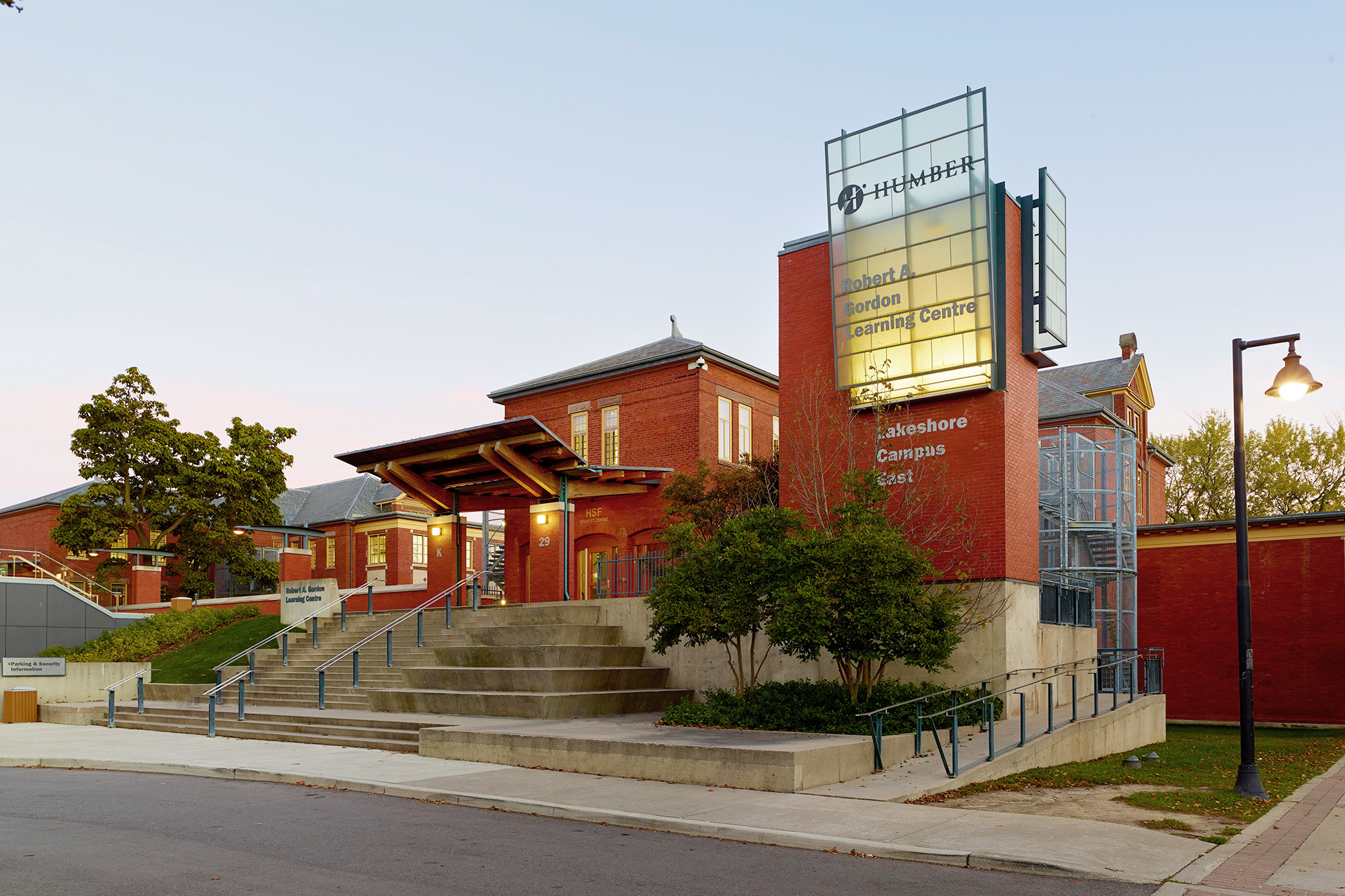
In the Photo: Humber College Institute of Technology and Advanced Learning, Lakeshore Campus. Photo Credit: Taylor Hazell Architects
As a firm, your philosophy is to address architecture, conservation and strategic planning in your process. How do these relate?
JT: Before you can start the design of a building you have to understand the context very well—the context of the people, the landscape and the public realm. And that’s where the strategic planning part of it comes in. It also has to do with the period of consultation with the people who are going to use the buildings, who are stakeholders, and with how you visualize a building and how it reacts with its context. That is our strategic approach.
The conservation part concerns the conservation of the built and natural environment, and then the newly built part, too. This is how you bring all those things together: the strategic planning, the natural and built environment that we live in, the context and the new work brought to that plane. 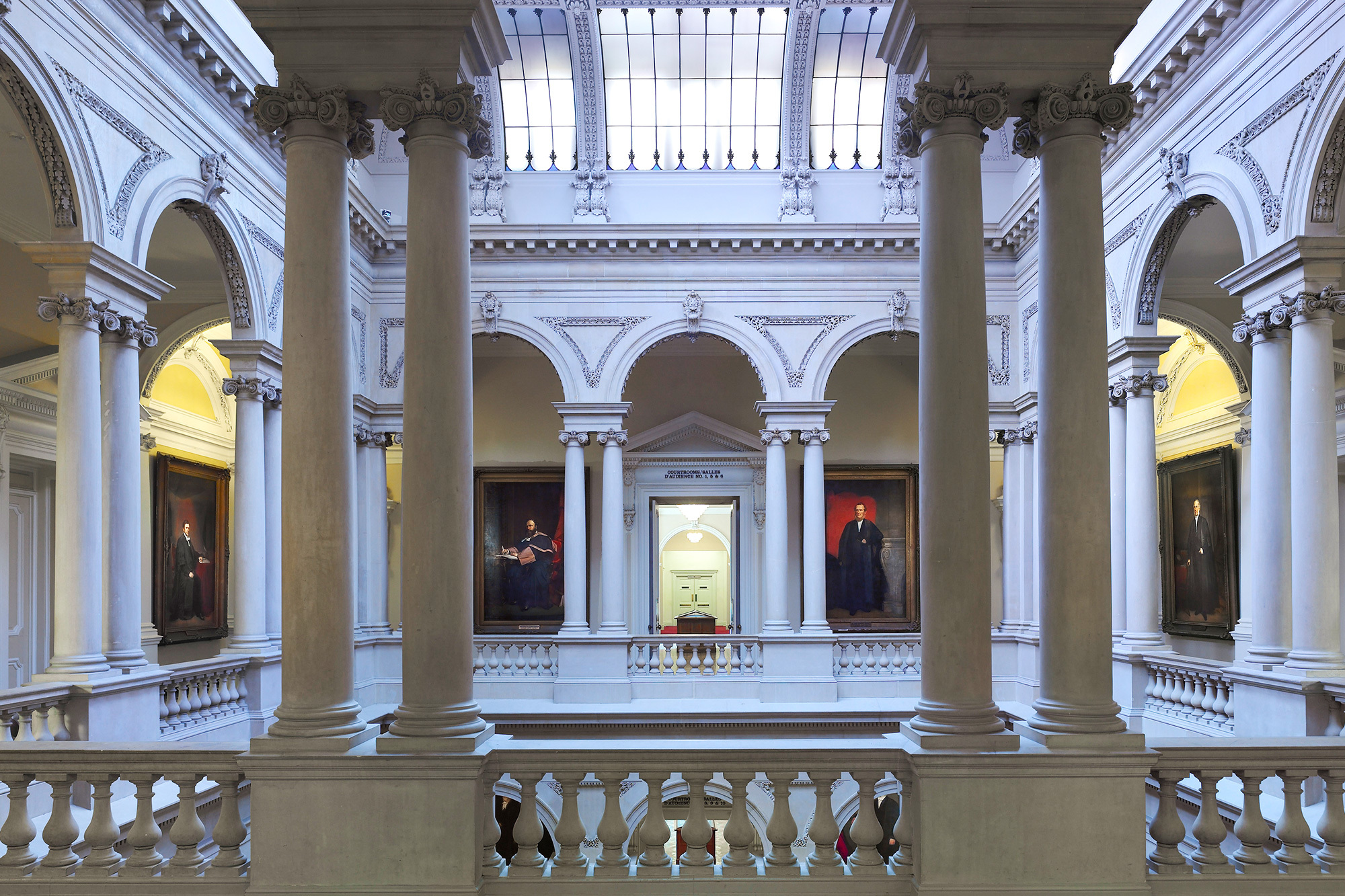
In the Photo: Osgoode Hall, a National Historic Site in Canada. Photo Credit: Taylor Hazell Architects
There is currently more of a push for integrating sustainable solutions in design. How has this impacted your work?
JT: Sustainability has always been our goal of good architecture. What that means is understanding your context and the continuity of your work far into the future. It means being aware of what the need is in society and how people are going to use something, and how that something can be flexible and usable again and again. When something is not just for today, but for very long periods of time to come—that means it’s sustainable.
When you deal with historic contexts, cities, neighbourhoods or historic buildings on their own, you have a very clear sense that architects before you were thinking about ideas of sustainability. They were constructing buildings that were going to last for a long time. They were very careful with the materials that they used. They utilized local materials, primarily, and they thought about ways in which those buildings would be able to be reused over time. They weren’t thinking of a short-term venture.
The buildings that we’ve worked on are often well over 100, some of them 150 or 170 years-old, and are still in great condition, still able to be reused again and again. That’s what sustainability is. 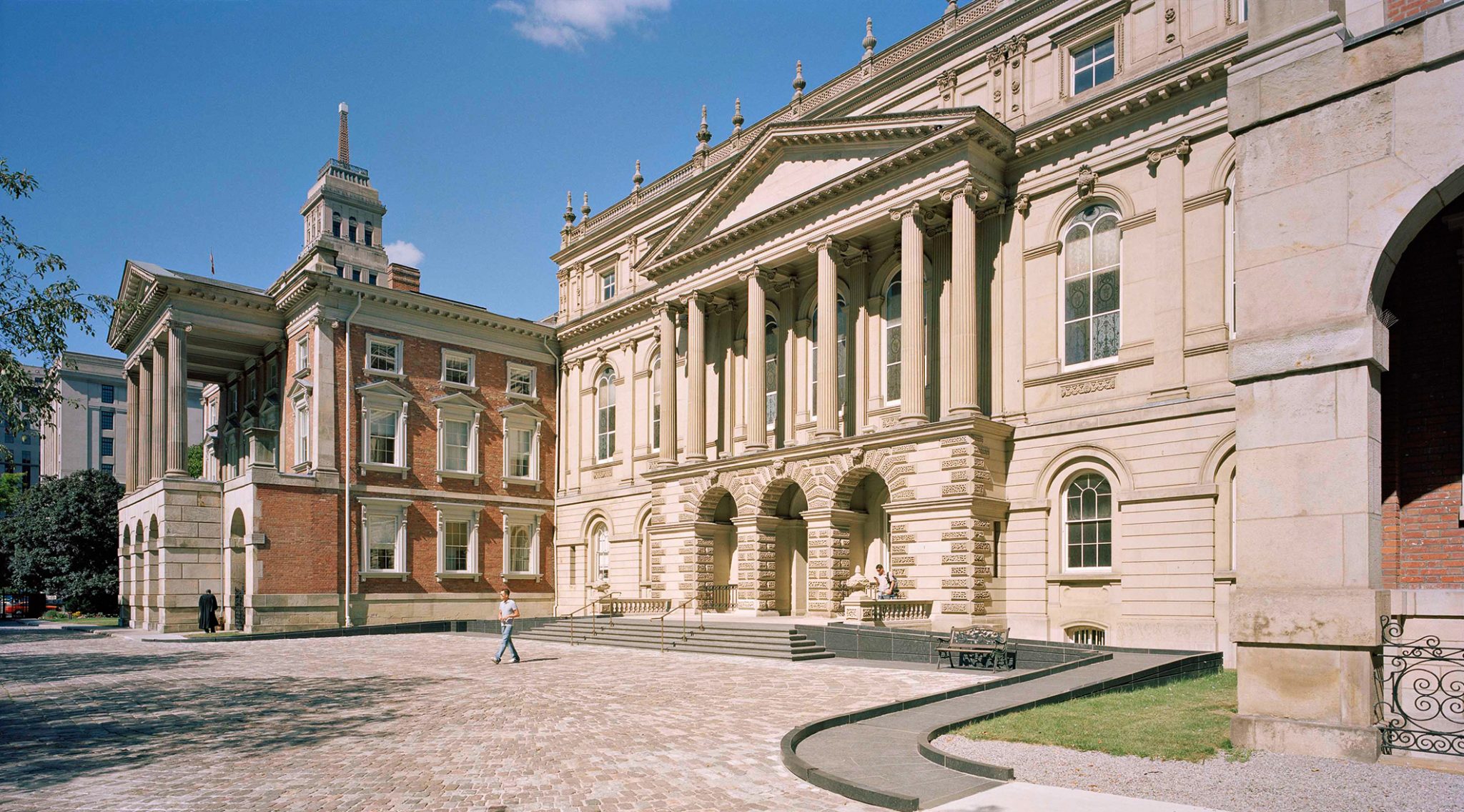
In the Photo: Osgoode Hall, a National Historic Site in Canada. Photo Credit: Taylor Hazell Architects
Can you speak of any projects that either you’ve completed or that you will be working on, that incorporate these mechanisms of sustainability?
JT: From a technical standpoint, we worked with another firm on the first LEED Gold building in Toronto, the Humber College Urban Ecology Centre, up at the north campus. That was a really ideal project because it was in a landscape environment and it was for education. It involved outreach to children to educate them about how to exist and have a reciprocity with their environment.
The water systems were integrated with the environment, we had thermal chimneys and green roofs, and we didn’t need air-conditioning. The technical aspects were geared to creating a space that is not using a lot of energy and that can demonstrate how to react with your environment in a collaborative way.
In terms of infrastructure, how do you think our city of Toronto is doing in terms of being green?
JT: I think there’s a very big disconnect between the policy for greening Toronto and that for sustaining neighbourhoods. Building buildings that have a very big carbon footprint and are not built in a durable way, has really turned the tide on the ability of Toronto to call itself a green city. You can put policies in place that are green, but we’re just not seeing them.
The way that roads, housing and commercial buildings are now built, just one on top of the other, doesn’t create a healthy environment. The way that parks are constantly disappearing in the face of tall buildings is a clear indication that the city hasn’t devoted enough of its resources to ensuring that green space is balanced with tall buildings.
The neighbourhoods of Toronto are what really distinguish it. Slowly, the march of tall buildings is infiltrating those neighbourhoods and causing the same thing to happen in those neighbourhoods that we’re so proud of. It’s a real dilemma.
Related Articles:
 SEEING ARCHITECTURE THROUGH A DIFFERENT LENS: JEANETTE HÄGGLUND
by James Manson
 ON THE CUSP OF ORGANIC ARCHITECTURE
Do you think that North America is obsessed with consumerism; and if so, how does this effect design decision-making?
JT: Often you find that good design comes out of places where size is limited. When you go to Amsterdam or Copenhagen, you find that people are very precise with their design. The philosophy of moderation becomes a good design ethic.
We used to be a society where craftsmen were important and where you had to do good work in order to survive. You had to be able to learn how to make something, and it had to be outstanding in order for you to distinguish yourself from someone else.
It’s all rolled up in the problem with making a sustainable world, with realizing how much of a footprint we have on things and how much we’re actually destroying and doing so with blinkers on. 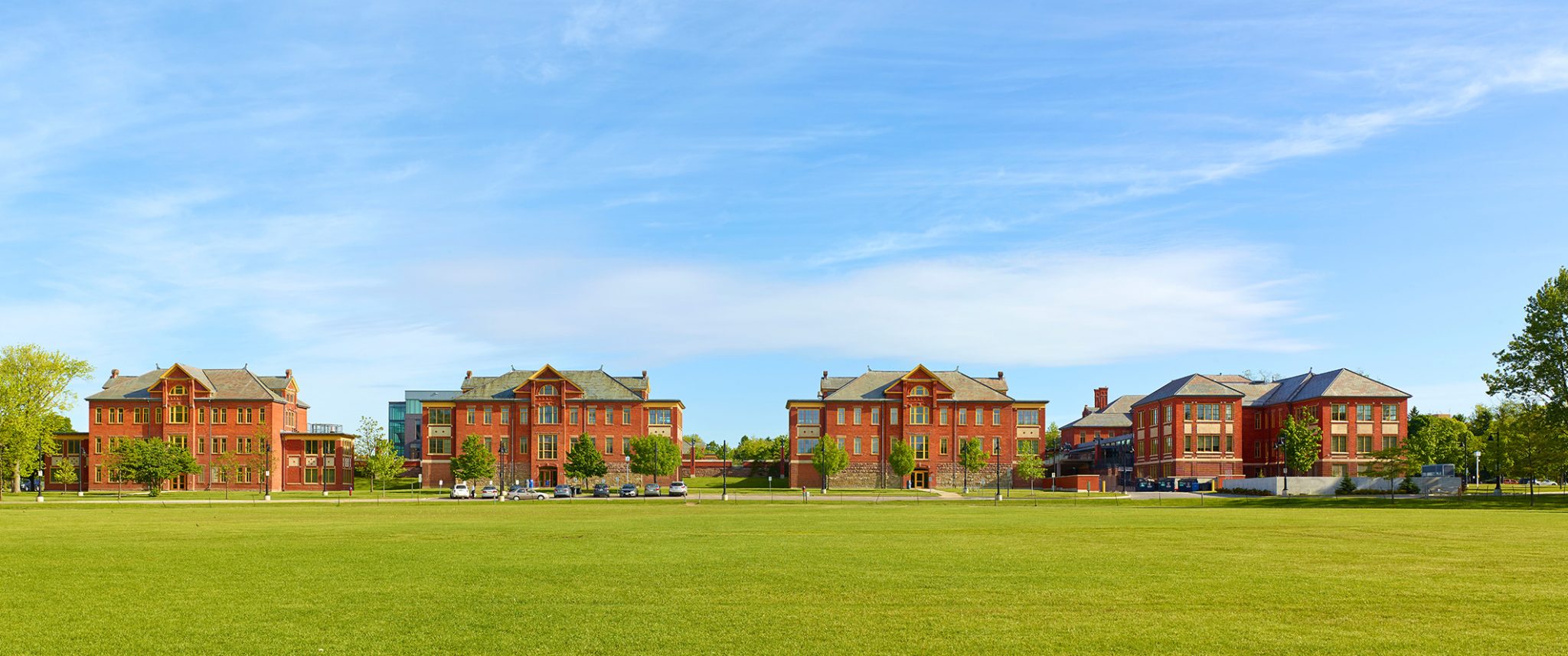
In the Photo: Humber College Institute of Technology and Advanced Learning, Lakeshore Campus. Photo Credit: Taylor Hazell Architects
What about the future of architecture?
JT: Well, I think that good architecture, urban planning, landscape design, ecology and sustainability, ideas about the environment, have come from periods of great conflict where there has been excess unsurpassed or politics that have been abhorrent; where there have been wars and where people were forced into evaluating their circumstances. That’s when they come up with something that’s really new and absolutely fantastic.
I think that what really needs to happen is not a cataclysm, but a challenge, from an ideas standpoint, that’s really going to change things fundamentally.
I think that what really needs to happen is not a cataclysm, but a challenge, from an ideas standpoint, that’s really going to change things fundamentally. I do believe that’s happening now. It’s happening as people are becoming more familiar with ideas about indigenous knowledge, where literature is captivating people because it has to do with transformation and where music is transforming too. Hopefully that takes us to a new place where the environment is much more important and where we can finally turn things around.
There’s always a place, a good place, for an old building. Good things happen in old buildings. There’s a place for collaboration, for new things to happen that wouldn’t happen in pristine environments that are new. It’s at our peril that we lose these old places because that’s where we see rough beauty and opportunity.
It’s when those places come together that poetry happens—when good buildings are built, and when they’re built in relation to old buildings. That’s when what we do really makes a difference in society.