
Today’s ESG Updates
- SSE Raises A$1bn in Debut Australian Green Bond Issuance: The bonds were very well received, as they were oversubscribed 2.5 times
- Rio Tinto Secures Renewable-Power Pathway for Tomago Smelter: The smelter secured a PPA until 2038, with 100% renewable electricity from 2033 and a A$1.1bn investment.
- Form Energy Secures $750 Million to Scale 100-Hour Iron-Air Batteries: A solid $750 million was raised to scale 100-hour iron-air batteries for multi-day grid storage.
- Samsung Takes Full Control of Indiana Battery Plant, Pivots to Energy Storage: Samsung SDI bought GM’s stake in their $3.5bn Indiana battery venture and will prioritise energy-storage systems amid slower EV demand, while continuing EV-cell R&D with GM.
SSE raises A$1bn in debut Australian green bond issuance
SSE, an energy company headquartered in Perth, Scotland, has made its first foray into Australia’s debt market by issuing A$1bn (£520m) of green “Kangaroo” bonds to broaden funding sources for its investment program. The transaction comprised A$600m of five-year bonds paying a 5.6% coupon and A$400m of 10-year bonds paying a 6.3% coupon; currency swaps converted the proceeds back into pound sterling (£), resulting in a weighted average funding cost of 5.7% and an average maturity of seven years.
The bonds were oversubscribed 2.5 times and generated the third-largest senior corporate Kangaroo order book on record. This is SSE’s 12th green bond issue since 2017, bringing the group’s outstanding green bonds to £5.9bn.
The issuance signals investor confidence and gives SSE access to another sizeable pool of capital, reducing reliance on UK and European markets. However, its 5.7% all-in cost is above SSE’s recent averages for hybrid and senior debt, highlighting the higher cost of long-term capital even as diversification improves financial resilience.
Klimado – Navigating climate complexity just got easier. Klimado offers a user-friendly platform for tracking local and global environmental shifts, making it an essential tool for climate-aware individuals and organizations.
Rio Tinto secures renewable-power pathway for Tomago Smelter
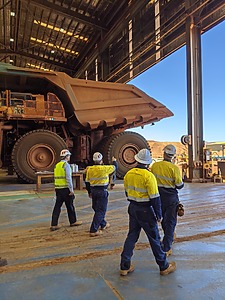
Rio Tinto has secured a 10-year power agreement for Tomago Aluminium running to 2038 after its current contract expires in 2028. The deal commits Tomago to A$1.1 billion of investment, including A$100 million for decarbonisation, and targets 100% renewable electricity from 2033, cutting Scope 1 and 2 emissions by an estimated 7.1 Mt (megatonnes) annually.
The agreement materially de-risks Rio’s eastern Australian aluminum value chain, preserves a major industrial employer, and links smelter competitiveness to renewable power buildout. However, its emissions and commercial benefits remain conditional on timely, affordable renewable generation and grid infrastructure upgrades. The smelter’s demand-response role could help manage that transition.
Related Articles
Here is a list of articles selected by our Editorial Board that have gained significant interest from the public:
Form Energy secures $750 million to scale 100-hour iron-air batteries
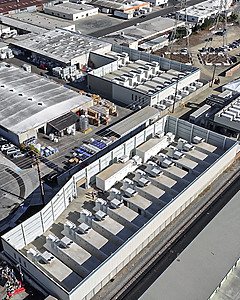
American-based battery company Form Energy raised $750 million in a Series G to expand the manufacturing and commercial deployment of its 100-hour iron-air battery systems, bringing its total equity raised to over $2 billion. The company will scale its West Virginia facility following supply agreements with Xcel Energy, Google, Crusoe, and FuturEnergy Ireland.
The round reflects growing confidence that long-duration storage is essential for renewable-heavy grids facing prolonged periods of low wind and solar output, extreme weather risk, and higher demand from data centers. Form’s opportunity is to complement, not replace, lithium-ion batteries by addressing multi-day reliability gaps; its main challenge is proving that its technology can be manufactured and deployed at a competitive cost and scale.

Samsung SDI takes full control of Indiana Battery Plant and pivots to energy storage
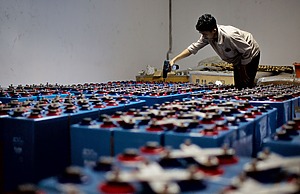
Samsung Display Interface (Samsung SDI) will buy GM’s 49.99% stake in their $3.5bn SynergyCells venture in Indiana, making it Samsung’s first wholly owned North American battery plant. Rather than prioritizing EV cells as originally planned, Samsung will initially target the faster-growing U.S. energy storage system market, while retaining an agreement with GM to co-develop next-generation high-density, fast-charging prismatic EV batteries. The pivot reflects slower-than-expected EV demand and preserves the plant’s planned 2027 production timeline.
Samsung SDI’s pivot towards stationary storage offers them near-term demand exposure as the grid absorbs more renewables. At the same time, the current R&D partnership with GM reduces capital exposure while retaining access to next-generation cell technology and preserving upside if EV demand rebounds.
Editor’s Note: The opinions expressed here by the authors are their own, not those of impakter.com — Cover Photo Credit: Pixabay.